Ai Chatbots Best in category 1 results Personalized Ai AI Tool

Popular AI tools in the Personalized Ai field of Ai Chatbots include Casey Scholar, etc., helping you quickly improve efficiency.

Casey Scholar

Casey Scholar

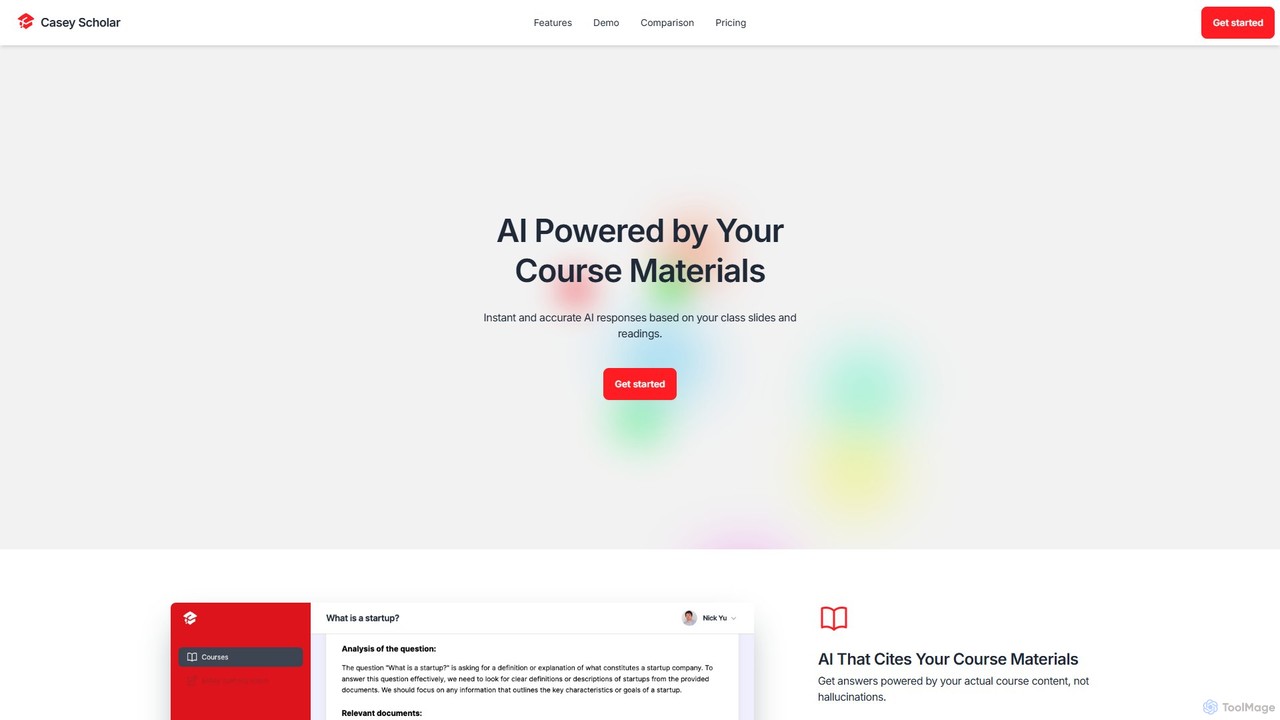
Casey Scholar is an AI-powered study assistant that provides instant, accurate answers based on your own course materials. …

3.1K

About Personalized Ai

Personalized AI is a specialized type of AI chatbot designed to create unique, adaptive experiences for each user. These tools analyze user data, past interactions, and behavioral patterns to deliver tailored responses, recommendations, and content. This approach moves beyond generic, one-size-fits-all conversations to foster deeper engagement and user satisfaction. By remembering context and preferences, Personalized AI makes interactions feel more relevant and human-like.

Core Features

  • User Profile Learning: Actively builds and updates a profile for each user based on their data and interactions.
  • Contextual Memory: Retains information from previous conversations to ensure continuity and relevance.
  • Adaptive Recommendations: Suggests products, content, or actions tailored to individual user preferences.
  • Dynamic Response Generation: Modifies its language, tone, and information based on the specific user it's interacting with.
  • Behavioral Prediction: Anticipates user needs or questions based on their activity patterns.

Applicable Scenarios

Personalized AI is highly effective in industries like e-commerce, education, and media. For example, an online retailer can use it to provide a personal shopping assistant that suggests products based on browsing history. In e-learning, it can function as an adaptive tutor, adjusting the difficulty and content to a student's learning pace. Media platforms use it to recommend articles, videos, or music that align with a user's taste.

Selection Criteria

When choosing a Personalized AI tool, evaluate its data integration capabilities with your existing systems (like CRM or user databases). Assess the depth and sophistication of its personalization engine—can it personalize for segments or down to the individual level? Prioritize tools with robust data privacy and security protocols to protect user information. Also, consider the scalability of the platform to handle a growing user base without performance degradation.

Personalized AiUse Cases

1

Personalized E-commerce Shopping Assistant

An e-commerce manager implements a Personalized AI chatbot on their online store. The AI analyzes a visitor's browsing history, past purchases, and items left in their cart. When the visitor returns, the chatbot greets them by name and proactively suggests products they might like, such as accessories for a recently purchased item or new arrivals in their favorite brand. This creates a bespoke shopping experience, increasing user engagement and conversion rates by making product discovery intuitive and relevant to each individual shopper.

2

Adaptive E-Learning Tutor

An online education platform uses a Personalized AI to act as a virtual tutor. The AI tracks a student's performance on quizzes, identifies areas of weakness, and remembers which explanation styles work best for them. Based on this data, it customizes the learning path, offering extra practice problems on difficult topics or presenting concepts in a different format (e.g., video instead of text). This tailored approach helps students learn more efficiently, improves knowledge retention, and provides support that adapts to their individual learning pace and style.

3

Personalized News and Content Feed Curator

A media company integrates a Personalized AI into its app. The AI learns a user's reading habits, such as topics they frequently engage with, authors they follow, and the time of day they prefer to read. It then curates a unique 'For You' feed, prioritizing articles, videos, and podcasts that align with these preferences. It can also suppress content on topics the user consistently ignores. This transforms a generic news feed into a highly personal content discovery engine, increasing daily active users and time spent on the platform.

4

Proactive and Personalized Customer Support

A SaaS company uses a Personalized AI for customer support. The AI is integrated with the user's account data. When a user starts a chat, the AI already knows their subscription level, usage history, and recent activities. Instead of asking generic questions, it can say, 'I see you were working on the 'X' feature. Are you having trouble with it?' This proactive, context-aware support resolves issues faster, reduces customer frustration, and makes the user feel understood and valued, leading to higher customer satisfaction and retention.

5

Personalized Travel Itinerary Planner

A travel agency's website features a Personalized AI chatbot to help users plan trips. Users can tell the bot their interests (e.g., 'history', 'beaches', 'food'), budget, and past travel destinations. The AI remembers these preferences and, for future inquiries, automatically suggests destinations and activities that match their profile. For a user who loves history, it might suggest Rome over a beach resort. This saves users significant research time and provides highly relevant travel suggestions, improving the booking rate and customer loyalty.

6

Personalized Health and Wellness Coach

A fitness app employs a Personalized AI as a virtual wellness coach. Users log their meals, workouts, and sleep patterns. The AI analyzes this data to provide tailored advice, such as suggesting a high-protein meal after a strenuous workout or recommending a relaxation exercise if it detects a pattern of poor sleep. It remembers the user's goals (e.g., lose weight, build muscle) and adjusts its motivational messages and tips accordingly. This creates a supportive, individualized health journey, keeping users motivated and on track with their personal wellness objectives.

Personalized AiFrequently Asked Questions