ToolMage
Sign in

Best 6 Specialized Chatbots AI tools for Ai Chatbots

Popular Specialized Chatbots AI tools in Ai Chatbots include QANDA, eurekahealth, Theee AI, ChatCraft, Speaks-GPT, and TolyGPT, helping you work more efficiently.

Theee AI
Free

Theee AI

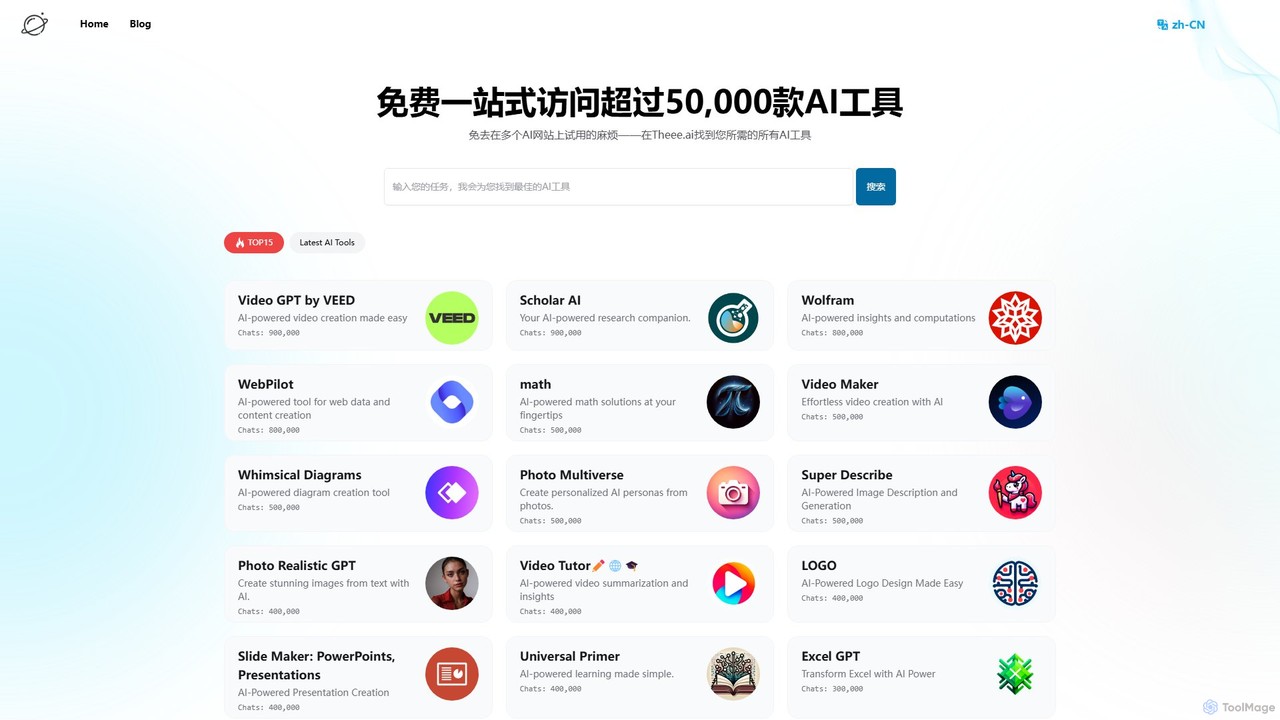
Theee.ai is a free, one-stop platform providing access to over 50,000 AI tools. It offers a unified interface for users to discover, search, and interact with a vast library of specialized AI chatbots for tasks like video creation, research, writing, and design, without needing multiple subscriptions.

Specialized Chatbots
Visits 7.1KFavorites 107Likes 118
Speaks-GPT
Paid

Speaks-GPT

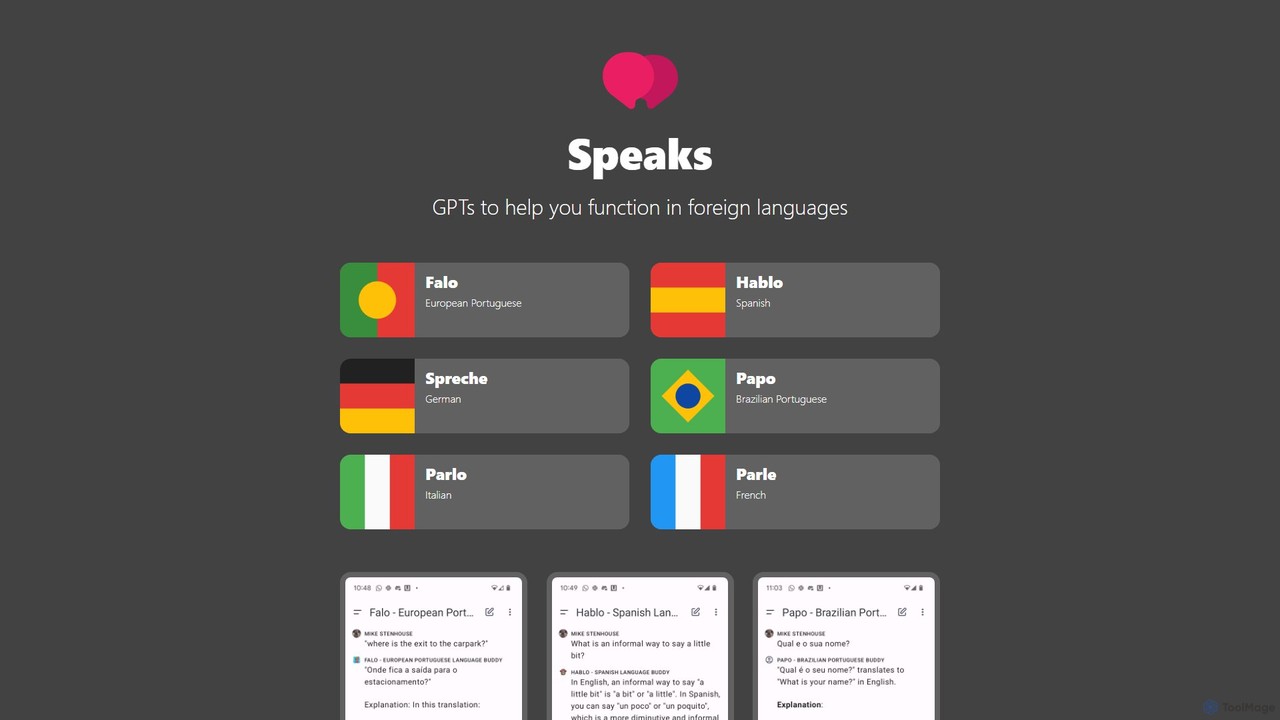
Speaks-GPT offers a suite of custom AI language tutors built on ChatGPT. Designed for deep learners, it goes beyond simple translation by providing grammar corrections, contextual explanations, and idiomatic suggestions. Engage in interactive conversations to truly master a foreign language, understanding the nuances and cultural context.

Specialized Chatbots
Visits 4.4KFavorites 119Likes 117
TolyGPT
Freemium

TolyGPT

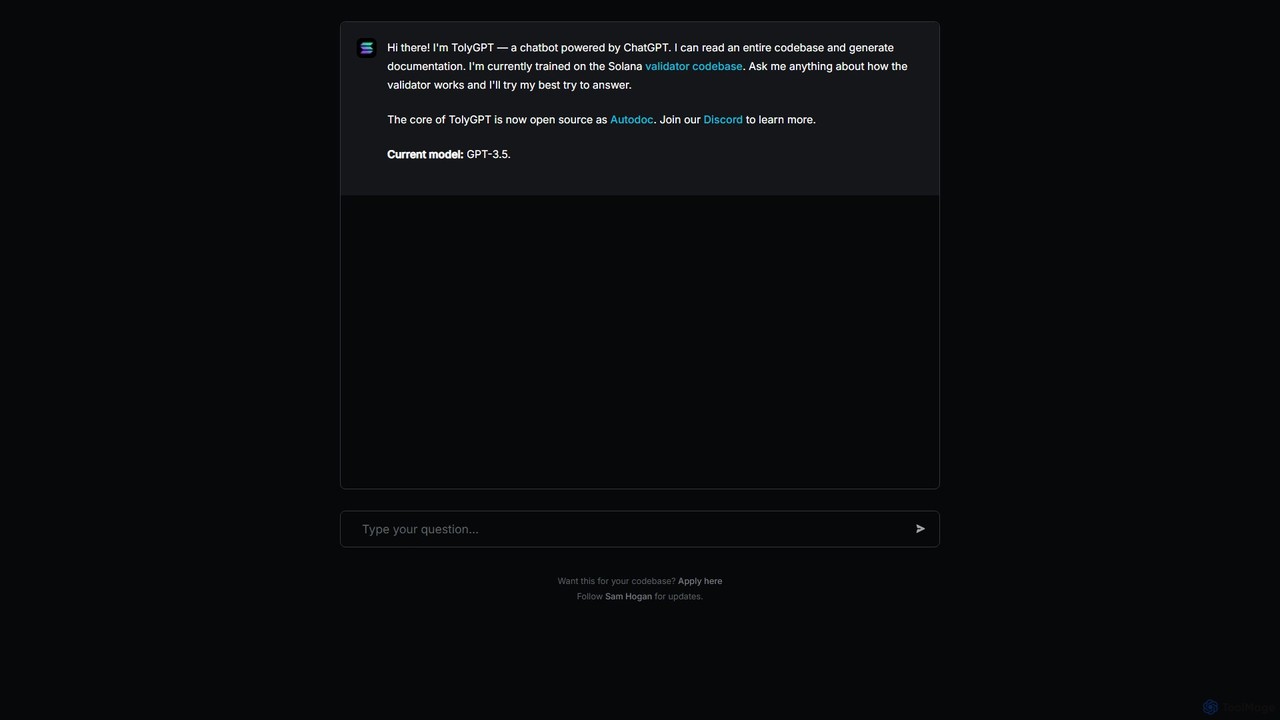
TolyGPT is an AI-powered chatbot specifically trained on the Solana validator codebase. It allows developers and enthusiasts to ask complex questions in natural language about how the Solana validator works and receive detailed, context-aware answers. Its core technology is open-source, enabling custom chatbot creation for any codebase.

Specialized Chatbots
Visits 4.4KFavorites 106Likes 105
QANDA
Freemium

QANDA

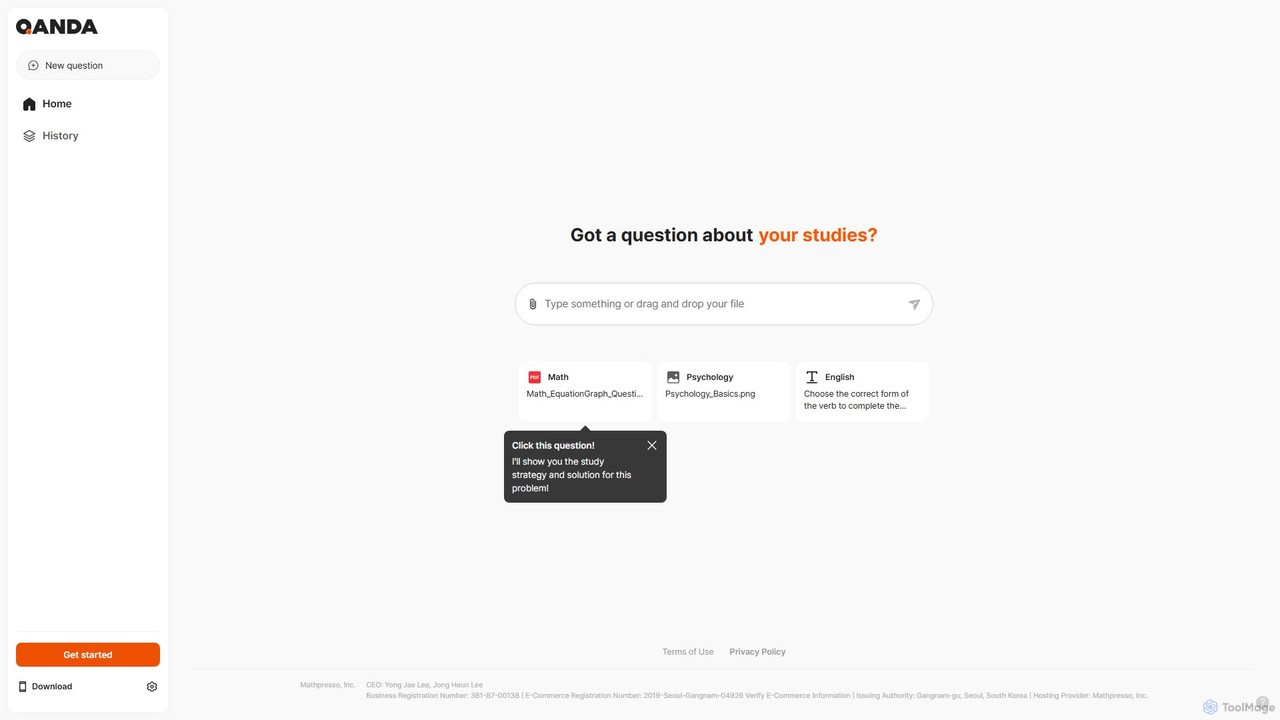
QANDA is an AI-powered educational app that provides instant answers and step-by-step solutions for a wide range of academic subjects. Simply take a photo of a problem, and QANDA's AI will solve it in seconds. It also offers access to live tutors for personalized help.

Specialized Chatbots
Visits 158.3KFavorites 139Likes 137
ChatCraft
Free

ChatCraft

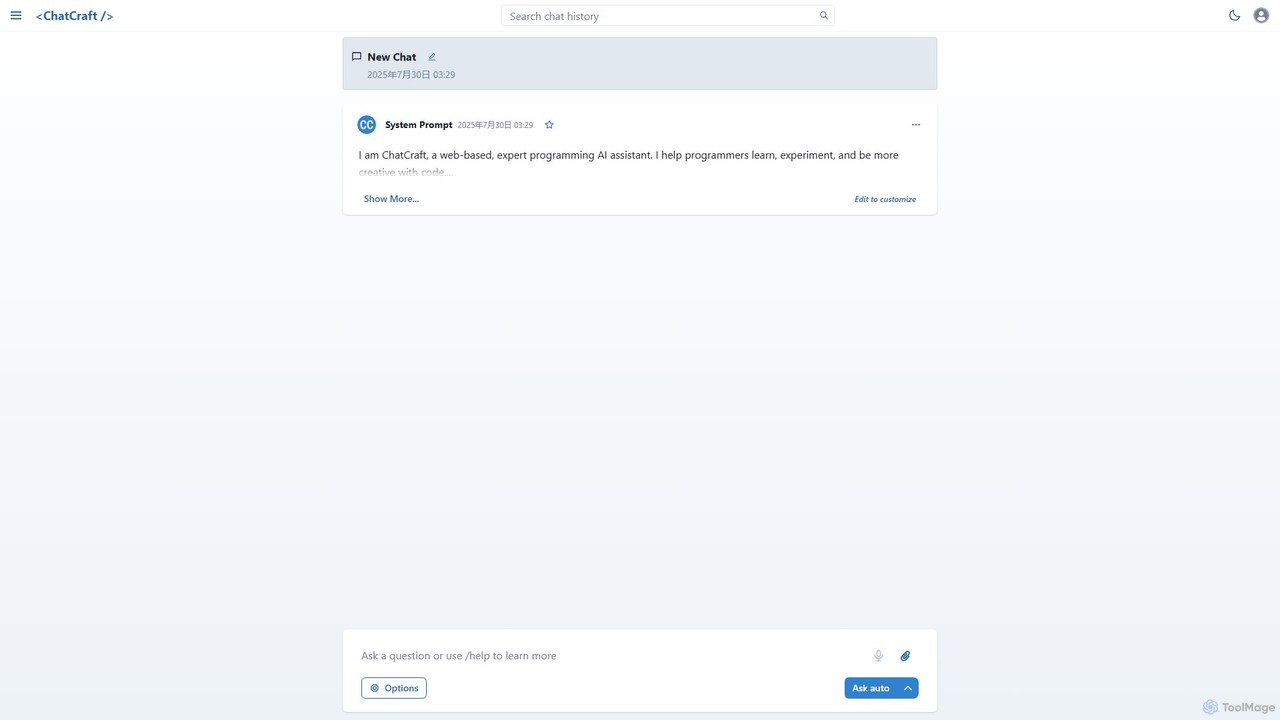
ChatCraft is a free, open-source web application that serves as an expert AI programming assistant. It allows developers to learn, experiment, and enhance their creativity with code by providing a conversational interface for code generation, debugging, and analysis, all while ensuring privacy by using the user's own API key.

Specialized Chatbots
Visits 4.5KFavorites 159Likes 154
eurekahealth
Freemium

eurekahealth

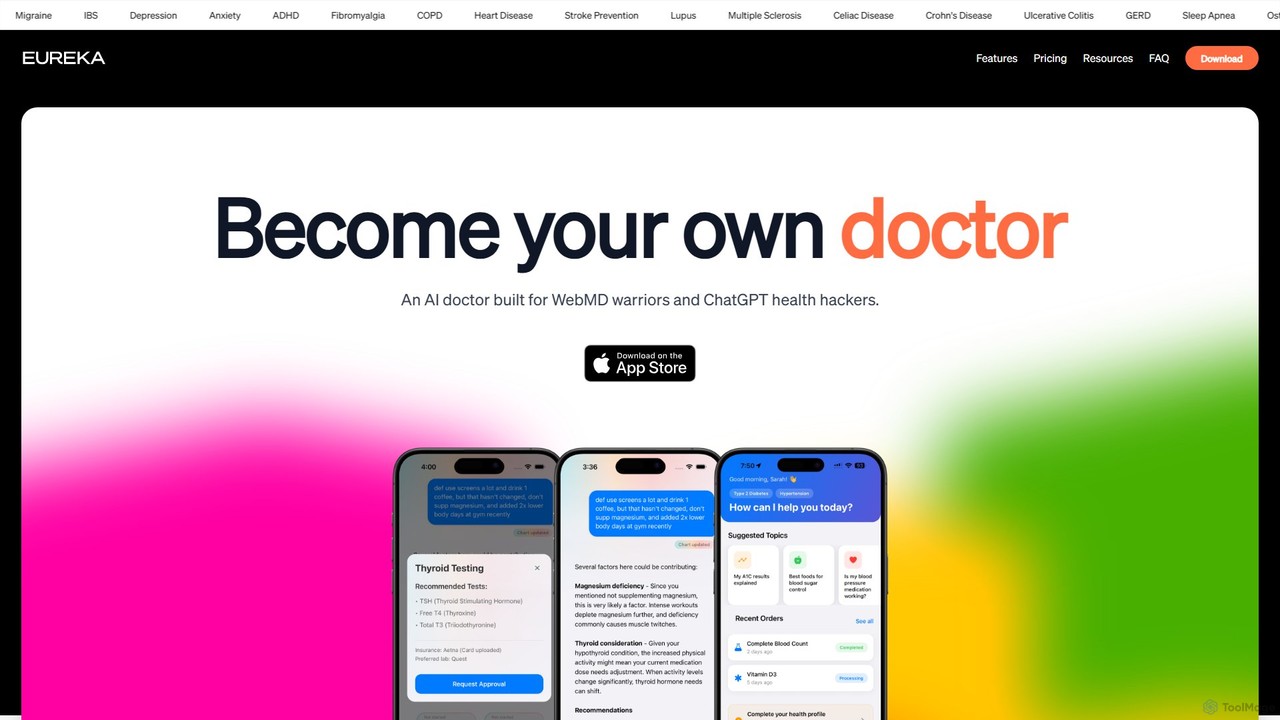
Eureka Health is an AI-powered doctor that provides personalized medical advice, diagnoses conditions through intelligent chat, and connects you to real-world care. It can order lab tests, send prescriptions for physician review, and create a persistent, learning health profile to help you proactively manage your well-being.

Specialized Chatbots
Visits 80.2KFavorites 122Likes 123

About Specialized Chatbots

Specialized Chatbots are AI conversational agents trained on specific domains or datasets to provide expert-level assistance. Unlike general-purpose chatbots, they leverage a deep, narrow knowledge base to deliver highly accurate and contextually relevant answers. This focused approach enables them to handle complex, industry-specific queries in fields like law, medicine, or finance with greater reliability. Their primary value lies in automating specialized tasks and providing precise information, acting as a digital expert in a particular field.

Core Features

  • Domain-Specific Knowledge: Trained on curated datasets for a specific industry, ensuring high accuracy and relevance.
  • Task-Oriented Workflows: Designed to guide users through specific processes, such as diagnostics, research, or configuration.
  • Contextual Understanding: Excels at interpreting industry-specific jargon and complex queries within its domain.
  • Integration Capabilities: Often connects with specialized software and databases like CRMs, legal archives, or medical records.

Use Cases

These chatbots are widely used in professional services where deep expertise is critical. For example, law firms use them for legal research, healthcare providers for patient pre-screening, and financial institutions for providing personalized investment advice. They are also valuable in technical support and education for answering complex, subject-specific questions.

How to Choose

When selecting a Specialized Chatbot, evaluate the depth and quality of its domain-specific training data. Consider its integration capabilities with your existing systems, the level of customization available to fit your workflow, and its compliance with industry regulations (like HIPAA in healthcare). Also, assess the accuracy and reliability of its responses through testing.

Specialized Chatbots use cases

1

Automate Legal Case Research

A paralegal at a law firm needs to find precedents for a complex intellectual property case. Instead of manually searching through vast legal databases, they use a specialized legal chatbot. The paralegal inputs the case facts and key legal questions. The chatbot, trained on millions of court documents and legal statutes, instantly retrieves a ranked list of relevant case law, summarizes key arguments, and highlights pertinent citations. This reduces research time from days to hours, improving case preparation efficiency.

2

Provide Medical Symptom Pre-screening

A healthcare provider wants to manage patient intake more efficiently. They deploy a medical chatbot on their website. A patient experiencing non-emergency symptoms interacts with the bot, answering a series of dynamic questions based on established medical protocols. The chatbot analyzes the responses, provides information on possible causes, and advises on the appropriate level of care—such as scheduling a telehealth appointment or visiting an urgent care clinic. This helps prioritize patient cases and reduces the burden on administrative staff.

3

Offer Personalized Financial Product Advice

A bank aims to offer tailored advice to its customers 24/7. They integrate a financial chatbot into their mobile app. A customer looking for a mortgage can interact with the bot, providing details about their income, credit score, and desired loan amount. The chatbot, with access to the bank's latest product information and lending criteria, instantly calculates eligibility and recommends the most suitable mortgage products, explaining the pros and cons of each option. This provides immediate, personalized guidance for customers.

4

Assist with Technical Code Debugging

A software developer is stuck on a persistent bug in their Python code. They use a specialized coding assistant chatbot. The developer pastes the problematic code snippet and describes the error message. The chatbot, trained on extensive code repositories and programming documentation, analyzes the code for syntax errors, logical flaws, and anti-patterns. It not only identifies the likely source of the bug but also suggests an optimized and corrected version of the code, accelerating the development cycle.

5

Create Custom Travel Itineraries

A travel agency wants to provide instant, personalized travel plans. They use a specialized travel chatbot. A user specifies their destination, travel dates, budget, and interests (e.g., 'art museums,' 'local cuisine,' 'hiking'). The chatbot processes these preferences and, using its knowledge of geography, attractions, and logistics, generates a detailed day-by-day itinerary. The plan includes recommended activities, restaurant suggestions, and transportation tips, creating a bespoke travel guide in minutes.

6

Resolve Complex E-commerce Product Issues

An electronics retailer needs to provide expert support for its wide range of products. They deploy a chatbot trained specifically on their product manuals and technical specifications. When a customer has an issue with a new smart TV, they can ask the chatbot specific questions like 'How do I calibrate the HDR settings for my gaming console?' The bot provides precise, step-by-step instructions drawn directly from the official documentation, resolving complex issues without needing to escalate to a human agent.

Specialized Chatbots FAQ

What are Specialized Chatbots?

Specialized Chatbots are AI conversational tools designed to function as experts in a specific field or domain. Unlike general-purpose chatbots, they are trained on a curated, narrow dataset (e.g., legal documents, medical journals, or a company's product catalog). This focused training allows them to provide highly accurate, reliable, and context-aware answers to complex questions within their area of expertise. They are primarily used to automate specialized tasks and deliver expert-level information on demand.

What is the main difference between a Specialized Chatbot and a general AI chatbot?

The primary difference lies in the scope and depth of their knowledge. A general AI chatbot (like ChatGPT) has broad knowledge across countless topics but may lack depth and accuracy on specific subjects. A Specialized Chatbot has deep, expert-level knowledge in a very narrow domain. Key differences include:

  • Accuracy: Specialized bots are more accurate and reliable within their domain.
  • Data Source: They are trained on curated, high-quality, domain-specific data.
  • Purpose: They are built for specific tasks (e.g., legal research, medical diagnosis) rather than open-ended conversation.

How do I choose the right Specialized Chatbot for my business?

To choose the right Specialized Chatbot, focus on its specific application to your needs. First, verify the quality and relevance of the dataset it was trained on—this determines its expertise. Second, assess its integration capabilities with your existing software, such as CRMs or internal databases. Third, consider the level of customization offered to align the bot with your unique workflows. Finally, for regulated industries like healthcare or finance, ensure the tool complies with relevant data privacy and security standards (e.g., HIPAA, GDPR).

What are the key features to look for in a Specialized Chatbot?

When evaluating a Specialized Chatbot, look for features that support its expert function. Key features include a robust, domain-specific knowledge base that ensures accuracy. It should also have task-oriented conversational flows designed to guide users to a specific outcome. Look for the ability to understand industry-specific terminology and context. Finally, strong integration APIs are crucial for connecting the chatbot to essential business systems and data sources, making it a seamless part of your workflow.

Which industries benefit most from Specialized Chatbots?

Industries that rely on deep, specific knowledge and standardized processes benefit the most. These include:

  • Healthcare: For patient intake, symptom checking, and answering medication questions.
  • Legal: For legal research, document review, and client onboarding.
  • Finance: For providing personalized financial advice, processing claims, and answering policy questions.
  • Tech Support: For troubleshooting complex software or hardware issues based on technical documentation.
  • Education: For tutoring students in specific subjects like mathematics or chemistry.