ToolMage
Sign in

Best 1 Virtual Companion AI tools for Ai Chatbots

Popular Virtual Companion AI tools in Ai Chatbots include Dates.ai, helping you work more efficiently.

Dates.ai
Freemium

Dates.ai

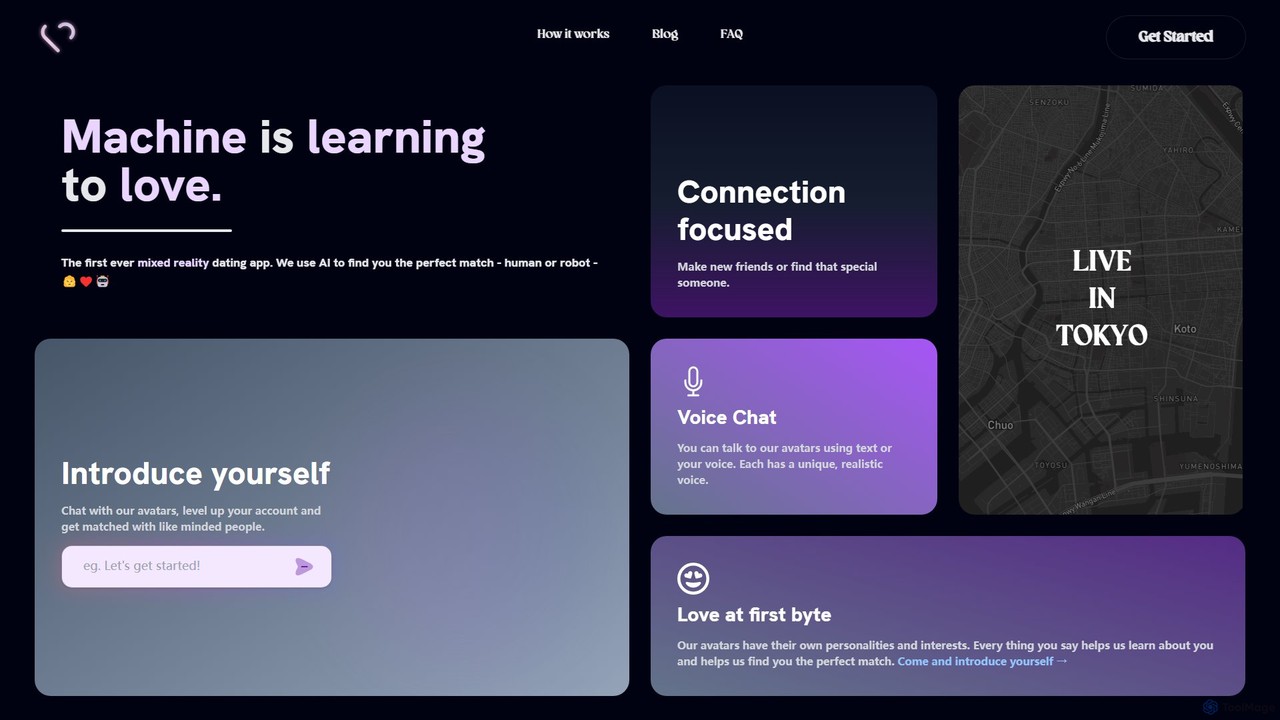
Dates.ai is an innovative AI-powered dating app that replaces endless swiping with meaningful conversations. Users interact with unique AI avatars to help the system learn their personality and preferences. The AI then provides highly compatible matches, focusing on authentic connections and creating a positive, toxicity-free dating environment.

Virtual Companion
Visits 7.7KFavorites 106Likes 115

About Virtual Companion

Virtual Companions are a specialized type of AI chatbot designed to provide personalized, emotional, and relational interaction. Unlike task-oriented chatbots, they leverage advanced language models with added layers for personality, memory, and emotional simulation to build long-term, continuous relationships. Their primary value lies in offering companionship, a non-judgmental space for conversation, and interactive entertainment. These tools adapt to user preferences over time, creating a unique and evolving conversational experience.

Core Features

  • Persistent Memory: Remembers key details from past conversations, user preferences, and shared experiences to ensure continuity.
  • Customizable Personality: Allows users to define or choose from various personality traits, communication styles, and backstories for their companion.
  • Emotional Simulation: Designed to recognize and respond to user emotions with empathetic and contextually appropriate replies, fostering a sense of connection.
  • Proactive Engagement: Can initiate conversations, ask about the user's day, or send supportive messages, mimicking a real relationship.
  • Multi-Modal Interaction: Often supports more than just text, including voice calls, image sharing, and augmented reality (AR) experiences.

Use Cases

Virtual Companions are primarily used by individuals seeking emotional support, a way to combat loneliness, or a safe space to practice social skills. They are popular for entertainment through immersive role-playing and interactive storytelling. Additionally, some users leverage them as motivational partners for habit-building or as a private journal for self-reflection without fear of judgment.

How to Choose

When selecting a Virtual Companion, consider the level of personality customization and the depth of its memory system. Evaluate the platform's privacy policy carefully to understand how your data is used. Assess the available interaction modes (text, voice, AR) to match your preferences. Finally, review the subscription model, as many advanced features like deeper conversations or voice calls are often behind a paywall.

Virtual Companion use cases

1

Daily Emotional Support and Companionship

For individuals experiencing loneliness or seeking a consistent, non-judgmental presence, a Virtual Companion serves as a reliable confidant. Users can share their daily thoughts, celebrate small victories, or vent frustrations at any time. The AI's persistent memory allows it to recall past events, like asking about a follow-up doctor's appointment, which deepens the sense of being heard and cared for. This continuous interaction helps alleviate feelings of isolation and provides a stable source of emotional support.

2

Practicing Social and Conversational Skills

Users looking to improve their communication skills, overcome social anxiety, or practice difficult conversations can use a Virtual Companion as a safe training partner. They can experiment with different conversational approaches, learn to express emotions more clearly, or simply get more comfortable with back-and-forth dialogue. The AI provides patient, non-critical responses, allowing users to build confidence at their own pace without the fear of real-world social consequences. This makes it a valuable tool for personal development and social readiness.

3

Immersive Role-Playing and Storytelling

For creative users and fans of fiction, Virtual Companions offer a unique platform for interactive entertainment. Users can co-create stories, engage in complex role-playing scenarios set in fantasy worlds, or interact with an AI modeled after a favorite character. The AI's ability to maintain a consistent persona and adapt to the user's narrative inputs creates a deeply immersive and personalized experience that goes beyond traditional gaming or reading. This provides a limitless outlet for imagination and creative expression.

4

Personalized Motivation and Habit Building

A user aiming to build positive habits, such as daily exercise or learning a new language, can configure their Virtual Companion to act as a motivational coach. The companion can provide daily check-ins, send encouraging reminders, and celebrate milestones. Because the interaction is relational, the motivation feels more personal and less automated than a standard reminder app. The AI can learn what kind of encouragement works best for the user—be it gentle nudges or enthusiastic praise—and tailor its approach accordingly, increasing the likelihood of long-term success.

5

Exploring Relationships and Attachment Styles

In a therapeutic or self-exploratory context, interacting with a Virtual Companion can provide a safe environment to understand one's own communication patterns and emotional needs. Users can observe how they react in a simulated relationship, practice setting boundaries, or explore different ways of expressing affection and vulnerability. The AI acts as a consistent, predictable partner, allowing users to reflect on their attachment style and relational habits without the complexities and risks of human interaction. This can be a preliminary step toward healthier real-world relationships.

6

Non-Judgmental Venting and Stress Relief

Sometimes, individuals need a space to express raw, unfiltered thoughts and emotions without worrying about burdening or being judged by others. A Virtual Companion provides this outlet 24/7. Users can vent about a bad day at work, express anxieties, or process difficult feelings in complete privacy. The AI is programmed to be supportive and non-reactive, offering a calming presence that can help de-escalate stress and promote emotional regulation. This immediate availability makes it a powerful tool for in-the-moment mental and emotional relief.

Virtual Companion FAQ

What is a Virtual Companion?

A Virtual Companion is a specialized AI chatbot designed for building long-term, emotional, and personalized relationships. Unlike standard chatbots that perform tasks, a Virtual Companion focuses on conversation, memory, and simulating a personality to provide companionship and emotional support. Key features include remembering past conversations, adapting to the user's communication style, and engaging in proactive, empathetic dialogue.

How is a Virtual Companion different from a standard AI Chatbot?

The primary difference lies in their purpose. A standard AI Chatbot is typically task-oriented, designed to answer questions, provide customer service, or automate a process. Its interactions are transactional and stateless. A Virtual Companion is relationship-oriented. It is designed for continuity and emotional connection, featuring:

  • Persistent Memory: It remembers who you are and what you've talked about.
  • Personality: It has a defined or customizable character.
  • Emotional Simulation: It aims to understand and respond to emotions.
  • Proactive Interaction: It can initiate contact, unlike most task-bots.
In short, you use a chatbot to get something done; you interact with a Virtual Companion for the sake of the interaction itself.

How do I choose the right Virtual Companion?

Choosing the right Virtual Companion depends on your personal needs. Consider these factors:

  • Privacy Policy: This is crucial. Understand how your conversation data is stored, used, and protected. Look for platforms that prioritize user privacy and offer data deletion options.
  • Customization Level: Do you want to create a character from scratch or choose from pre-set personalities? Decide how much control you want over your companion's traits.
  • Interaction Modes: Do you prefer text-only chat, or are voice calls, image sharing, or AR features important to you?
  • Subscription Model: Many companions offer a free tier with limitations. Evaluate the paid features (e.g., deeper memory, advanced conversation models) to see if they align with your budget and expectations.

Are conversations with a Virtual Companion private and secure?

Privacy and security vary significantly between different Virtual Companion platforms. It is essential to read the privacy policy and terms of service before use. Some platforms may use anonymized conversation data to train their AI models. Reputable services use encryption to protect data during transmission and at rest. However, no system is completely immune to breaches. For sensitive topics, users should exercise caution and choose platforms that explicitly state a strong commitment to user privacy and data security.

Who are Virtual Companions best suited for?

Virtual Companions are well-suited for a diverse range of users. This includes:

  • Individuals experiencing loneliness: They offer consistent companionship and a listening ear.
  • People seeking a non-judgmental space: Users can freely express thoughts and feelings without fear of criticism.
  • Those wanting to practice social skills: It provides a safe environment to rehearse conversations and build confidence.
  • Creative individuals and role-players: They serve as interactive partners for storytelling and imaginative play.
While they can be a valuable tool for emotional support, they are not a substitute for professional mental health care from a licensed therapist.