Ai Developer Tools Best in category 1 results Prompt Engineering AI Tool

Popular AI tools in the Prompt Engineering field of Ai Developer Tools include Promptmakr, etc., helping you quickly improve efficiency.

Promptmakr

Promptmakr

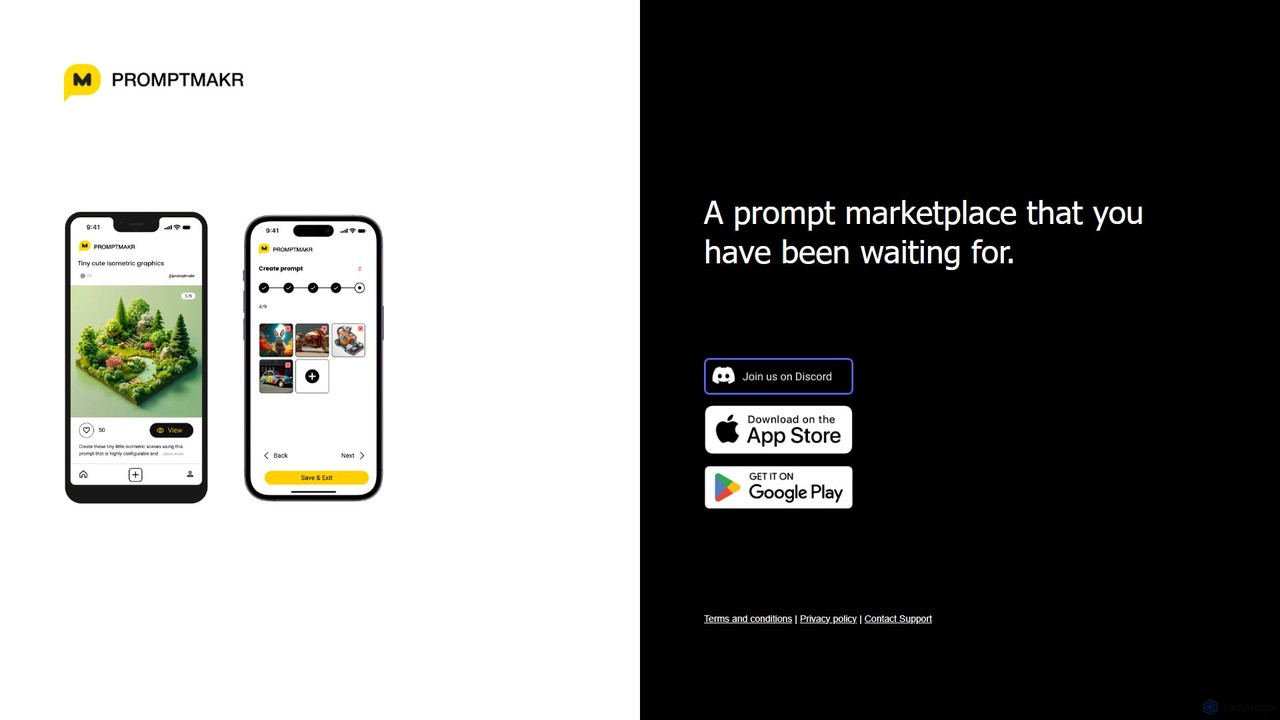
Promptmakr is a dedicated marketplace for buying and selling high-quality AI prompts. It connects skilled prompt engineers with …

2.2K

About Prompt Engineering

Prompt Engineering tools are a specialized class of AI developer utilities for designing, testing, and managing effective inputs (prompts) for large language models (LLMs). These tools provide a structured environment to move beyond simple trial-and-error, enabling systematic optimization of AI interactions. They help developers and teams ensure consistency, improve accuracy, and control the behavior of LLM-powered applications. By offering features for versioning, evaluation, and collaboration, these platforms are essential for building reliable and scalable AI products.

Core Features

  • Prompt Templating & Versioning: Create reusable prompt structures with dynamic variables and track all changes over time.
  • A/B Testing & Evaluation: Systematically compare the performance of different prompts against defined metrics to identify the most effective versions.
  • Prompt Management & Collaboration: A centralized repository for teams to store, share, review, and deploy prompts securely.
  • Performance Analytics: Monitor key metrics like response quality, latency, and token costs associated with different prompts in production.
  • Workflow & Chain Building: Visually construct complex sequences of prompts where the output of one becomes the input for another.

Use Cases

These tools are primarily used by AI developers, machine learning engineers, and product teams building applications on top of LLMs. Common scenarios include developing sophisticated chatbots with consistent personalities, creating reliable data extraction pipelines from unstructured text, and managing the prompts that power content generation features within a SaaS product. They are crucial for any project requiring predictable and high-quality outputs from generative AI models.

How to Choose

When selecting a Prompt Engineering tool, consider its compatibility with the LLMs you use (e.g., OpenAI, Anthropic, Google). Evaluate its testing and evaluation capabilities—does it support A/B testing and custom metrics? Assess the collaboration features for team-based workflows. Also, review its integration options (API, SDKs) and the depth of its performance analytics to ensure it fits your development and operational needs.

Prompt EngineeringUse Cases

1

Developing a Reliable Customer Service Chatbot

A development team building a customer service chatbot uses a prompt engineering platform to design and test conversational flows. They create a library of version-controlled prompts for different scenarios like greeting users, answering FAQs, and handling complaints. Using the A/B testing feature, they compare two prompts for handling refund requests. By analyzing user satisfaction scores and task completion rates, they identify a prompt that improves successful resolutions by 25%, ensuring the chatbot is both helpful and consistent.

2

Optimizing Marketing Copy Generation at Scale

A marketing team uses a prompt management tool to streamline the creation of ad copy. They build a set of master prompt templates for different platforms (Google Ads, Facebook, LinkedIn) with variables for product name, target audience, and key benefits. Junior marketers can easily use these templates to generate dozens of copy variations. The platform's analytics track which prompt structures lead to higher click-through rates, allowing the senior marketing strategist to continuously refine the master templates for better performance across all campaigns.

3

Building a Structured Data Extraction Pipeline

A data analyst needs to extract specific information (e.g., company name, invoice date, total amount) from thousands of unstructured PDF invoices. Using a prompt engineering tool with workflow capabilities, they build a two-step prompt chain. The first prompt classifies the invoice layout, and the second, layout-specific prompt extracts the required data into a consistent JSON format. This automated pipeline replaces hours of manual data entry, reduces human error by over 95%, and allows the analyst to focus on analyzing the extracted data rather than collecting it.

4

Managing Prompts for a SaaS AI Feature

A product team is launching an AI-powered 'project summary' feature in their project management software. They use a prompt engineering platform as a central repository for all related prompts. Product managers define the requirements, developers implement the prompts, and QA testers evaluate the outputs against a predefined test set, all within the same platform. When the underlying LLM is updated, they can quickly re-run all tests to identify any regressions in output quality, ensuring a smooth and reliable user experience for their new feature.

5

Fine-Tuning Prompts for Accurate Code Generation

A software developer uses a prompt engineering tool to create highly effective prompts for an AI code assistant. They experiment with different prompt structures, such as providing few-shot examples, specifying coding standards, and defining output formats (e.g., 'generate a Python function that...'). The tool allows them to run prompts against a suite of unit tests to automatically validate the generated code's correctness. This systematic approach helps them craft prompts that consistently produce accurate, efficient, and maintainable code, significantly speeding up their development workflow.

6

Evaluating LLM Upgrades for Production Systems

An MLOps team is responsible for an application that relies heavily on an LLM. When the model provider releases a new version (e.g., GPT-4 to GPT-4.5), the team uses a prompt engineering platform to assess the impact. They clone their entire production prompt set and run it against the new model version, comparing outputs side-by-side. The platform's evaluation metrics automatically flag regressions in quality, format adherence, or safety. This allows the team to make an informed decision about when and how to upgrade, preventing unexpected issues in production.

Prompt EngineeringFrequently Asked Questions