syntheticAIdata
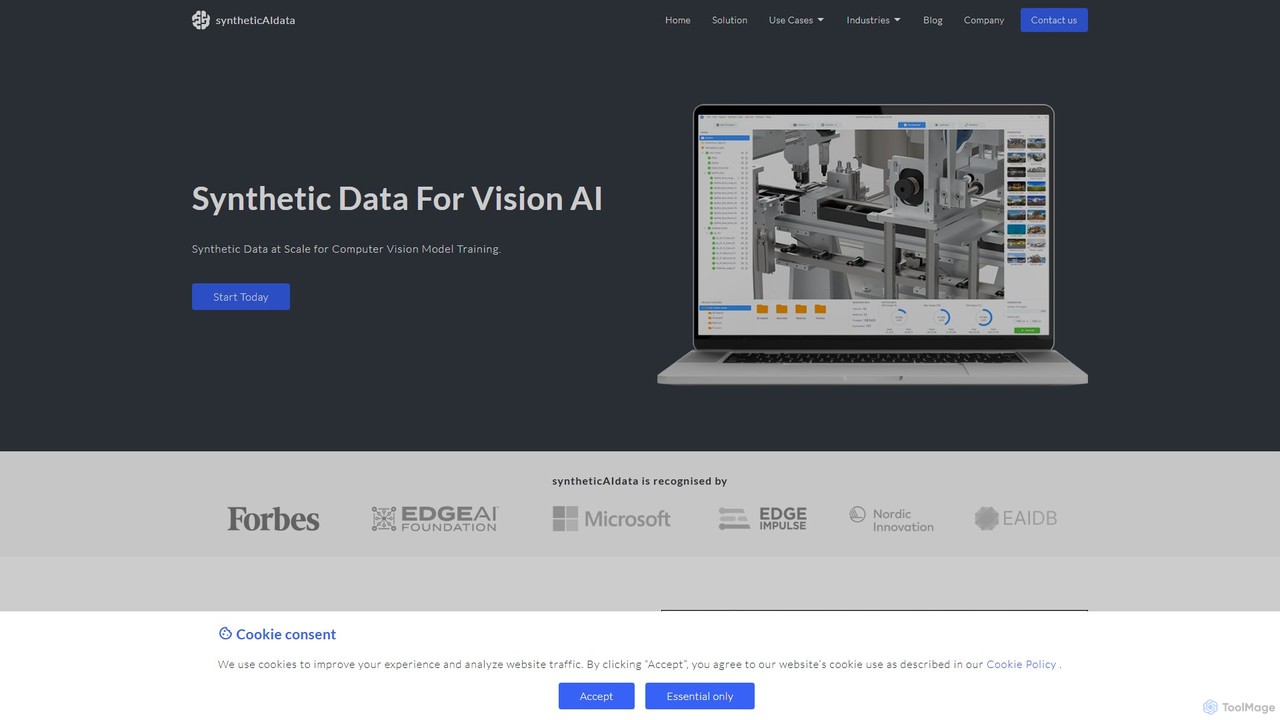
syntheticAIdata is an advanced platform for generating high-quality, perfectly annotated synthetic data at scale for computer vision AI …
syntheticAIdata is an advanced platform for generating high-quality, perfectly annotated synthetic data at scale for computer vision AI models. It offers a no-code solution that helps businesses reduce data acquisition costs, eliminate privacy concerns, mitigate biases, and significantly accelerate the development and deployment of AI products across industries like manufacturing, robotics, and retail.
Kommu
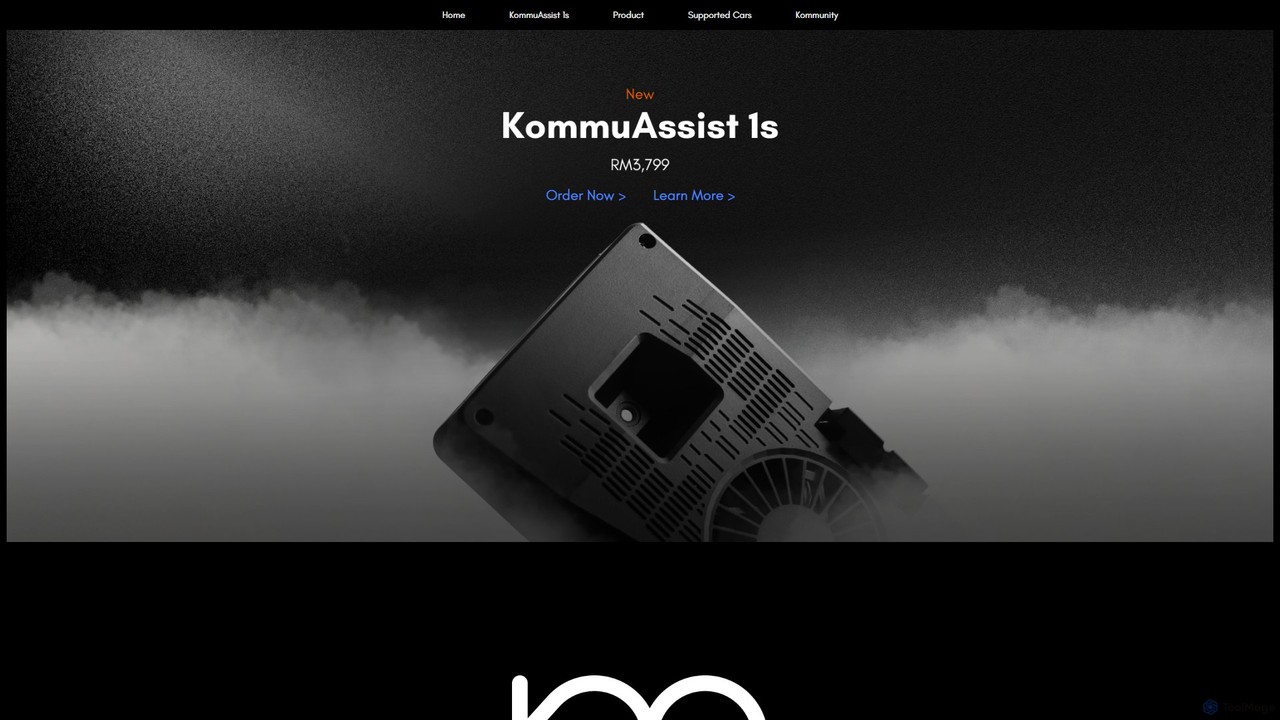
Kommu offers KommuAssist, a hardware and software kit that upgrades existing cars with Level 2 autonomous driving capabilities. …
Kommu offers KommuAssist, a hardware and software kit that upgrades existing cars with Level 2 autonomous driving capabilities. Powered by 'bukapilot' AI trained on Malaysian roads, it provides features like Adaptive Cruise Control, Lane Keep Assist, and Stop and Go, enhancing safety and reducing driver fatigue for a more convenient driving experience.
Luxand.cloud
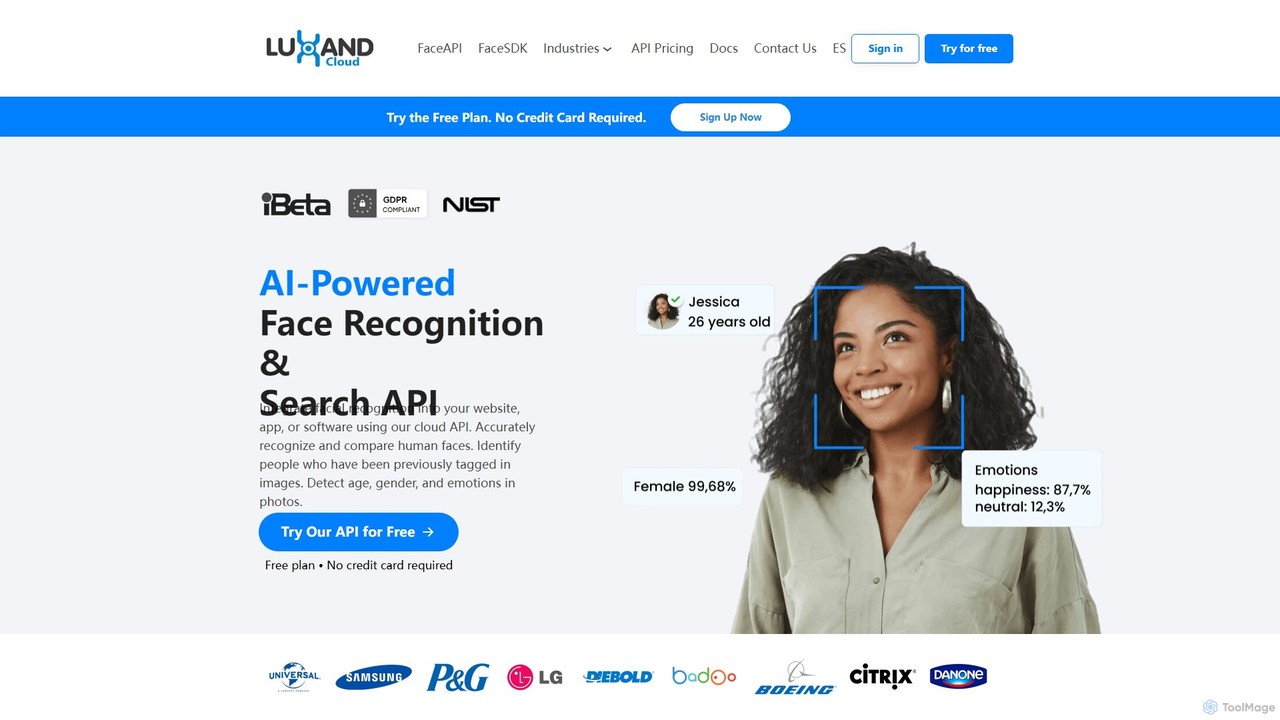
A powerful AI-powered cloud API for developers and businesses, providing advanced face recognition, liveness detection, and demographic analysis …
A powerful AI-powered cloud API for developers and businesses, providing advanced face recognition, liveness detection, and demographic analysis (age, gender, emotion). Easily integrate biometric features into any website, app, or software with a secure, scalable, and cost-effective solution.
About Computer Vision
Computer Vision tools are a specialized category of AI models designed to interpret and understand visual information from images and videos. Leveraging deep learning techniques, particularly Convolutional Neural Networks (CNNs), these tools enable machines to 'see' and analyze the world in a way that mimics human vision. Their primary value lies in automating tasks like object identification, facial recognition, and scene analysis with high speed and accuracy. This capability transforms raw visual data into actionable insights for various industries.
Core Features
- Object Detection: Identifies and locates specific objects within an image or video stream, often outlining them with bounding boxes.
- Image Classification: Assigns one or more labels to an entire image to categorize its content (e.g., 'cat', 'landscape').
- Image Segmentation: Divides an image into pixel-level segments, precisely outlining the shape of each object.
- Facial Recognition: Detects, analyzes, and verifies human faces for security, authentication, or tagging purposes.
- Optical Character Recognition (OCR): Extracts and converts printed or handwritten text from images into machine-readable text.
Use Cases
Computer Vision is widely applied across sectors. In manufacturing, it automates quality control by spotting defects on production lines. The automotive industry uses it for autonomous driving systems to perceive road conditions. In healthcare, it assists radiologists in analyzing medical scans like X-rays and MRIs. Retailers also use it for inventory management and analyzing customer behavior in stores.
How to Choose
When selecting a Computer Vision tool, first consider the specific task you need to perform (e.g., detection vs. OCR). Evaluate the model's accuracy and performance metrics on relevant benchmarks. Assess its scalability and processing speed, especially for real-time applications. Also, consider the ease of integration via APIs or SDKs and whether the tool allows for training on custom datasets to meet unique business needs.
Computer VisionUse Cases
Automated Quality Control in Manufacturing
A manufacturing plant manager uses a computer vision system to monitor a high-speed assembly line. Cameras capture images of each product, and an AI model instantly analyzes them for defects like scratches, cracks, or incorrect assembly. If a defect is detected, the system automatically flags the item and diverts it for review, ensuring only high-quality products reach the customer. This process operates 24/7 with higher consistency and speed than human inspectors, reducing waste and improving brand reputation.
Retail Shelf Monitoring and Analytics
A retail chain deploys cameras equipped with computer vision in its stores. The system continuously scans the shelves to detect out-of-stock items, misplaced products, and incorrect price tags. It sends real-time alerts to store staff to restock shelves or correct errors, preventing lost sales and improving customer experience. Additionally, the data collected provides insights into product popularity and shelf placement effectiveness, helping managers optimize store layout and promotions.
Medical Image Analysis for Diagnostics
Radiologists and medical professionals use AI-powered computer vision tools to assist in analyzing medical scans like X-rays, CTs, and MRIs. The AI model, trained on thousands of annotated medical images, can highlight potential anomalies such as tumors, fractures, or signs of disease that might be subtle or easily missed. This serves as a powerful 'second opinion,' helping to improve diagnostic accuracy, speed up the review process, and prioritize critical cases, ultimately leading to better patient outcomes.
Autonomous Vehicle Perception Systems
Engineers developing self-driving cars rely heavily on computer vision. A suite of cameras mounted on the vehicle feeds real-time video to multiple AI models. These models work together to perform tasks like lane detection, traffic sign recognition, pedestrian and vehicle detection, and distance estimation. This comprehensive environmental understanding allows the vehicle's control system to make safe and efficient driving decisions, such as adjusting speed, changing lanes, and stopping for obstacles.
Smart Security and Surveillance
A security operations center uses computer vision to enhance its surveillance capabilities. Instead of manually monitoring hundreds of camera feeds, an AI system analyzes the video streams in real-time. It can be configured to detect specific events, such as unauthorized access to restricted areas, loitering, abandoned packages, or crowd formation. When such an event is detected, the system sends an immediate alert with relevant video clips to security personnel, enabling a faster and more effective response.
Automated Document Processing with OCR
An insurance company uses an OCR-powered computer vision tool to automate claims processing. When a customer submits a photo of a receipt or a scanned invoice, the system automatically extracts key information like the vendor name, date, item descriptions, and total amount. This structured data is then used to populate the claims form, drastically reducing manual data entry. This speeds up the entire process, reduces human error, and allows claims adjusters to focus on more complex validation tasks.