ToolMage
Sign in

Best 2 Music Generation AI tools for Art

Popular Music Generation AI tools in Art include Google Labs and AppVision, helping you work more efficiently.

Google Labs
Free

Google Labs

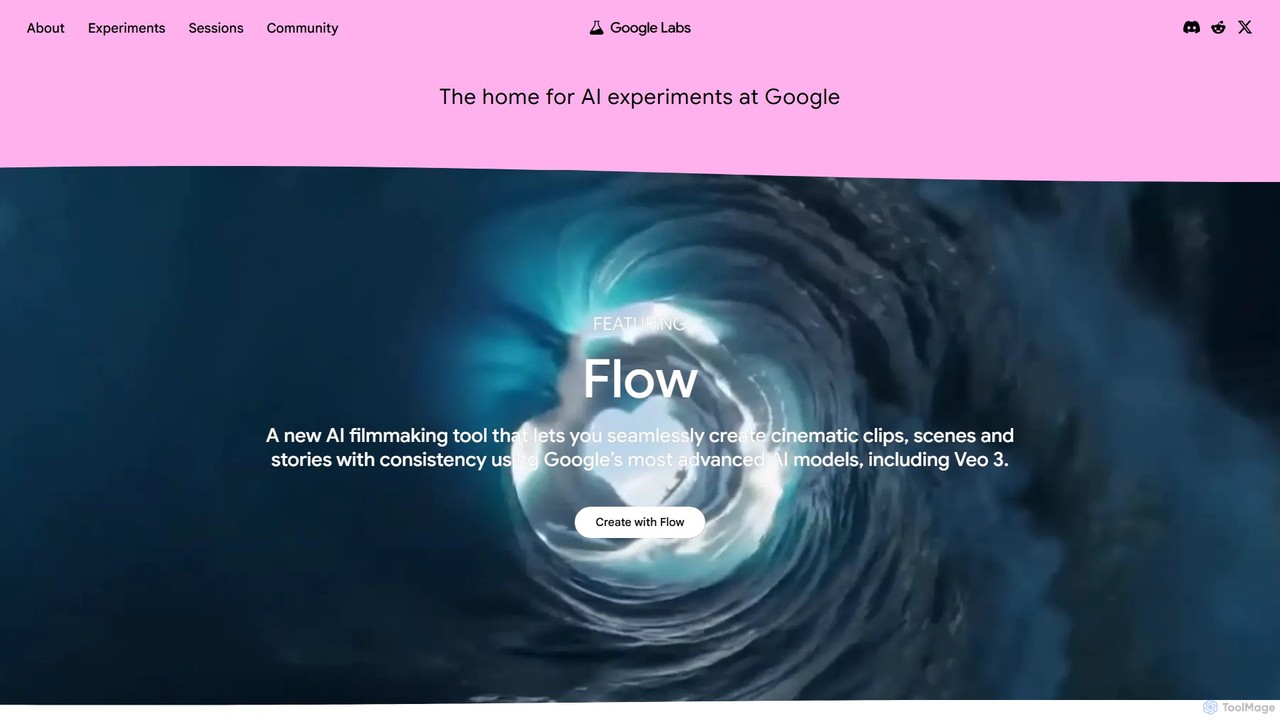
Google Labs is the official hub for Google's AI experiments, offering early access to a diverse range of creative and productivity tools. Users can explore, test, and provide feedback on cutting-edge technologies like Gemini and Veo, directly influencing the future of Google's AI products. It's a playground for creators, developers, and enthusiasts to experience the forefront of artificial intelligence innovation, from AI filmmaking and music generation to coding assistants and design tools.

Experimental Tools
Visits 68MFavorites 146Likes 167
AppVision
Freemium

AppVision

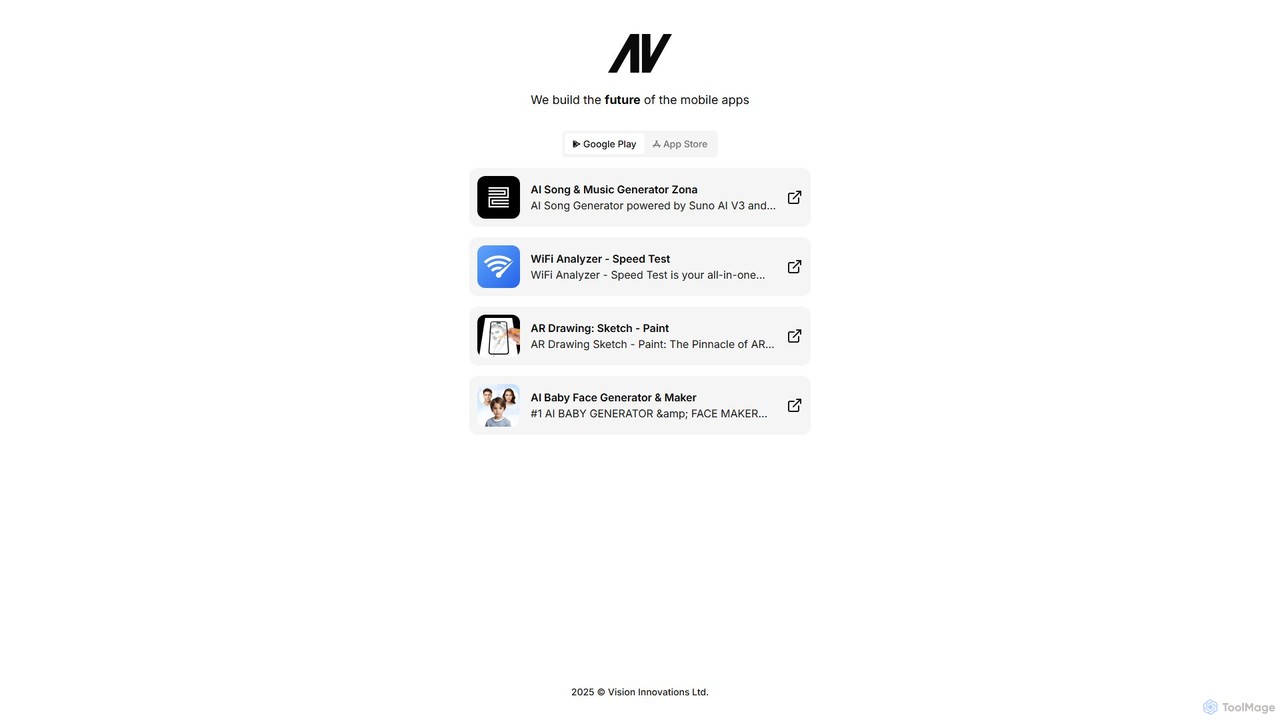
AppVision is a developer of a diverse suite of AI-powered and utility mobile applications. From generating music with AI to drawing in augmented reality and analyzing WiFi networks, AppVision offers innovative and user-friendly apps for creativity, entertainment, and productivity on both Google Play and the Apple App Store.

Music Generation
Visits 24.9KFavorites 113Likes 137

About Music Generation

Music Generation tools are AI-powered platforms that automatically compose original musical pieces based on user input or predefined parameters. These tools leverage advanced machine learning models, such as neural networks and generative adversarial networks (GANs), to understand musical patterns, harmonies, and rhythms. They enable users to create unique soundtracks, melodies, and soundscapes for various applications, significantly democratizing music creation within the broader field of AI Art.

Core Features

  • Melody & Harmony Generation: Automatically creates coherent melodic lines and accompanying harmonic progressions.
  • Style Transfer & Customization: Adapts generated music to specific genres, moods, or existing musical styles.
  • Instrument Orchestration: Assigns different musical parts to virtual instruments, building full arrangements.
  • Loop & Variation Creation: Generates seamless musical loops and variations for background music or iterative design.
  • Text-to-Music: Converts descriptive text prompts into corresponding audio compositions.

Applicable Scenarios

Music Generation tools are invaluable for content creators needing royalty-free background music, game developers requiring dynamic soundtracks, and filmmakers seeking unique scores. They also assist professional musicians in overcoming creative blocks and exploring new sonic territories, streamlining the initial stages of musical production.

How to Choose

When selecting an AI music generation tool, consider the diversity of musical styles and genres it supports, the level of customization offered for generated tracks, and the quality of the audio output. Evaluate its ease of use, integration capabilities with other creative software, and the licensing terms for commercial use of the generated music.

Music Generation use cases

1

Composing Background Music for Video Content

Content creators, YouTubers, and podcasters often need original, royalty-free background music to enhance their videos or audio productions. AI music generation tools allow them to input desired mood, genre, and duration, quickly producing unique tracks that perfectly fit their content without copyright concerns. This saves significant time and cost compared to licensing stock music or hiring a composer, ensuring a consistent brand sound.

2

Generating Game Soundtracks and Sound Effects

Game developers can utilize AI music generators to create dynamic and adaptive soundtracks that respond to in-game events or player actions. By defining parameters like intensity, theme, and instrumentation, developers can rapidly prototype various musical scores and sound effects. This accelerates the audio production pipeline, allowing for more immersive and responsive game environments without extensive manual composition.

3

Exploring New Melodic Ideas for Songwriters

Songwriters and music producers often face creative blocks when developing new melodies or chord progressions. AI music generation tools serve as a powerful brainstorming partner, offering novel musical phrases, harmonic structures, or rhythmic patterns based on a simple input theme. This helps spark inspiration, provides fresh perspectives, and allows for rapid iteration on musical concepts before committing to full production.

4

Creating Custom Jingles for Marketing Campaigns

Marketing professionals and advertisers require catchy, brand-specific audio identities for commercials, product launches, or brand anthems. AI music generators can produce custom jingles by taking brand keywords, desired emotions, and target audience demographics as input. This enables the rapid creation of multiple jingle variations, ensuring a unique and memorable sonic branding element that resonates with consumers.

5

Educational Tool for Music Theory and Composition

Music educators and students can leverage AI music generation as an interactive learning aid. Students can experiment with different scales, harmonies, and compositional techniques by generating music based on specific theoretical rules. This hands-on approach helps visualize and hear abstract music theory concepts, fostering a deeper understanding of composition and arrangement principles in a practical, engaging way.

6

Personalizing Music for Relaxation or Focus

Individuals seeking personalized audio experiences for relaxation, meditation, or focused work can use AI music generators. By specifying desired ambient sounds, binaural beats, or calming melodies, users can create unique soundscapes tailored to their personal preferences and needs. This offers a bespoke alternative to generic playlists, enhancing personal well-being and productivity through custom-generated audio environments.

Music Generation FAQ

What is AI Music Generation?

AI Music Generation refers to the use of artificial intelligence algorithms to compose, arrange, and produce original musical pieces. These tools analyze vast datasets of existing music to learn patterns, structures, and styles, then apply this knowledge to create new compositions. They can generate melodies, harmonies, rhythms, and even full orchestrations, often based on user-defined parameters like genre, mood, or instrumentation.

How do I choose the right AI music generation tool?

To choose the right AI music generation tool, consider several factors. First, evaluate the quality and diversity of its musical output, ensuring it aligns with your desired genres and styles. Second, assess the level of customization and control it offers over parameters like tempo, instrumentation, and mood. Third, check the licensing terms for commercial use of generated music. Finally, consider its ease of use and any integration capabilities with your existing creative workflow.

How does AI music generation differ from traditional music composition software?

AI music generation fundamentally differs from traditional music composition software by automating the creative process. Traditional software (DAWs, notation editors) provides tools for humans to manually input, arrange, and edit musical notes. AI generators, conversely, use algorithms to *create* the music from scratch or from high-level prompts, acting as a co-creator or an idea engine. While traditional software requires deep musical knowledge, AI tools can lower the barrier to entry for non-musicians.

What types of music can AI music generators create?

AI music generators are capable of creating a wide array of musical types, ranging from classical and jazz to electronic, ambient, pop, and cinematic scores. Many tools allow users to specify genres, moods (e.g., happy, melancholic, epic), and even instrumentation (e.g., piano, strings, synthesizers). Some advanced platforms can also generate sound effects, jingles, or adaptive music for interactive media, offering significant versatility.

Who can benefit from using AI music generation tools?

A diverse range of individuals and professionals can benefit from AI music generation tools. This includes content creators (YouTubers, podcasters) needing royalty-free background music, game and film developers requiring dynamic scores, songwriters and producers seeking inspiration or rapid prototyping, marketing agencies for custom jingles, and educators/students for exploring music theory. Even hobbyists can use them for personal expression and experimentation without needing extensive musical training.