ToolMage
Sign in

Best 2 Virtual Human AI tools for Avatar

Popular Virtual Human AI tools in Avatar include Soul Machines and AKOOL, helping you work more efficiently.

AKOOL
Freemium

AKOOL

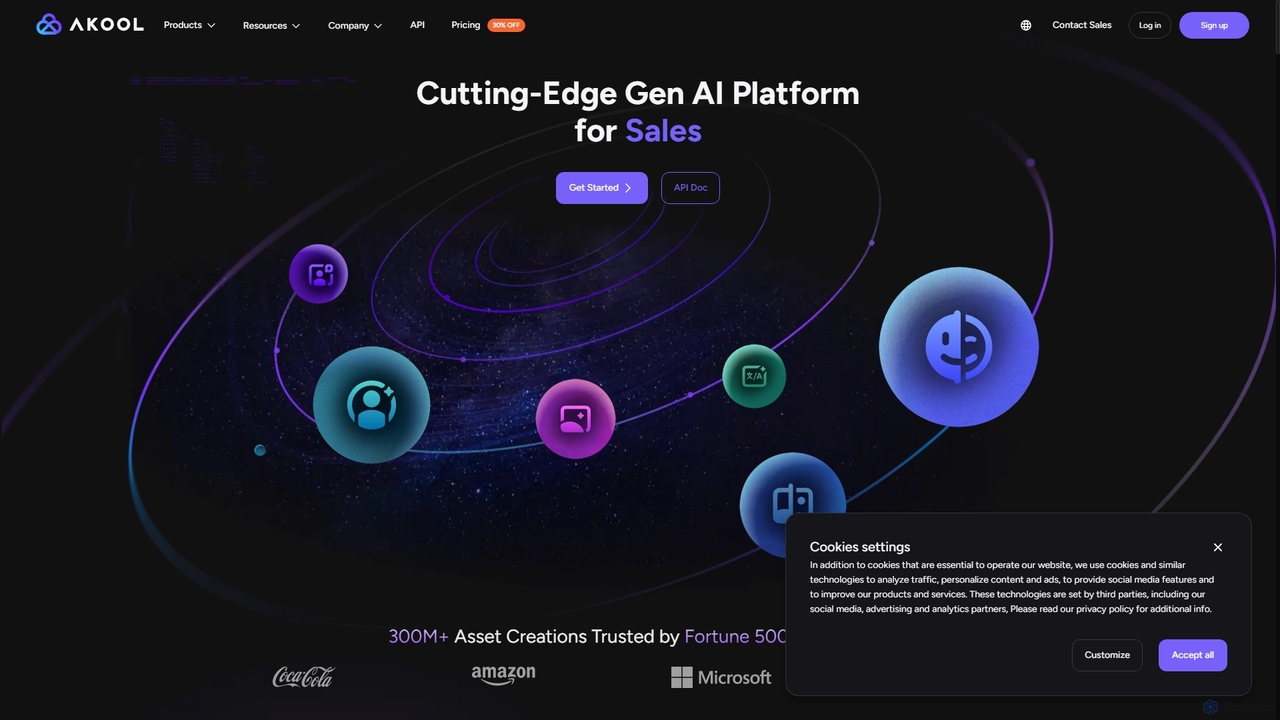
AKOOL is a premium, all-in-one generative AI suite designed for businesses. It empowers users to create studio-quality video content effortlessly. Key features include talking avatars, real-time video translation with lip-sync, face swapping, image-to-video conversion, and an AI image generator. Trusted by Fortune 500 companies, AKOOL is ideal for enhancing marketing, sales, education, and film production with engaging, personalized AI-driven content.

Virtual Human
Visits 3.9KFavorites 107Likes 103
Soul Machines
Freemium

Soul Machines

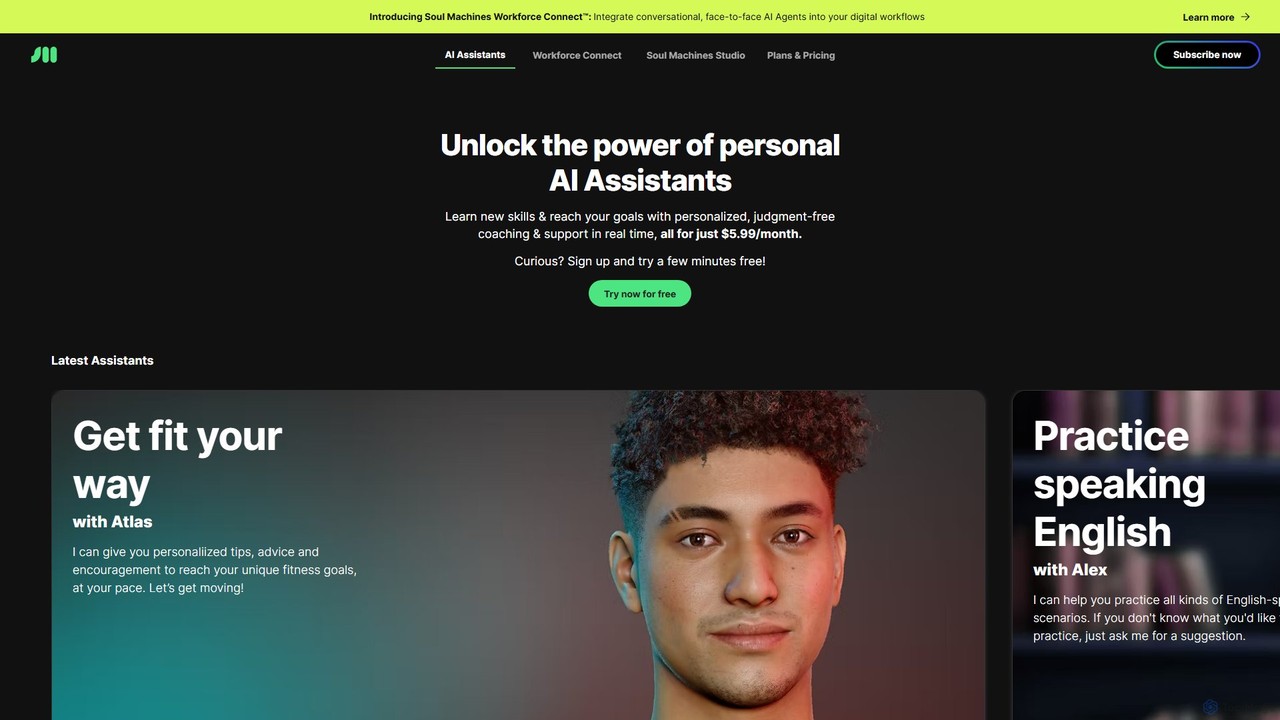
Soul Machines is a pioneering AI platform for creating and deploying hyper-realistic, emotionally responsive Digital People. It enables businesses and individuals to build AI-powered brand ambassadors, customer service agents, and personal coaches that offer face-to-face, empathetic interactions to enhance digital experiences.

Virtual Human
Visits 24.6KFavorites 110Likes 113

About Virtual Human

Virtual Human tools are AI-powered platforms that create and animate realistic or stylized digital characters capable of human-like interaction. Leveraging advanced AI, these tools synthesize lifelike appearances, voices, and expressions, enabling dynamic communication and content generation. As a specialized form of Avatar, they are increasingly utilized across marketing, education, and entertainment to deliver engaging, personalized experiences.

Core Features

  • Realistic Rendering: Generate highly detailed human models with customizable features, clothing, and environments.
  • AI-driven Animation: Automate facial expressions, body gestures, and lip-syncing based on text or audio input.
  • Natural Language Interaction: Integrate with NLP models for conversational capabilities, allowing real-time dialogue.
  • Voice Synthesis: Produce natural-sounding voices in multiple languages, often with customizable tones and emotions.
  • Real-time Performance: Enable live interaction and broadcasting of virtual humans for events or customer service.

Applicable Scenarios

Virtual Human tools are essential for businesses seeking innovative ways to engage audiences and automate communication. They are widely adopted in digital marketing for creating compelling brand ambassadors, in e-learning for interactive tutors, and in customer service for intelligent virtual assistants. Content creators also use them to produce unique digital media without traditional filming.

How to Choose

When selecting a Virtual Human tool, consider the desired level of realism and customization options for appearance and voice. Evaluate its AI animation capabilities, especially for lip-sync and emotional expression. Assess integration with existing platforms (e.g., chatbots, live streaming) and the ease of content creation. Finally, compare pricing models and the availability of multi-language support.

Featured tool rankings

Virtual Human use cases

1

Creating AI Brand Ambassadors

Marketing teams use virtual humans to represent brands in advertisements, social media campaigns, and product launches, ensuring consistent messaging and a unique digital presence. This allows for scalable brand representation across various platforms without the logistical challenges of human models, enhancing brand recall and engagement.

2

Developing Interactive E-learning Tutors

Educational institutions deploy virtual humans as AI tutors to deliver personalized lessons, answer student questions, and provide interactive learning experiences, making education more engaging. These tutors can adapt to individual learning paces and styles, offering consistent support and feedback, which significantly enhances student comprehension and retention.

3

Enhancing Customer Service with Virtual Assistants

Companies integrate virtual humans into their customer support channels to handle routine inquiries, guide users through processes, and offer 24/7 assistance, improving response times and efficiency. These AI-powered assistants can manage high volumes of customer interactions, freeing up human agents for more complex issues and ensuring consistent service quality.

4

Producing Digital News Anchors and Presenters

Media organizations utilize virtual humans to present news, weather forecasts, or corporate reports, offering a cost-effective and scalable alternative to human presenters, especially for multilingual content. This allows for rapid content localization and delivery, maintaining a consistent on-screen presence regardless of time zones or language barriers, and reducing production costs.

5

Generating Personalized Video Content at Scale

Content creators and marketers leverage virtual humans to produce large volumes of customized video messages, such as personalized greetings or product explanations, for individual customers or target segments. This capability allows for highly targeted communication that resonates more deeply with recipients, driving engagement and conversion rates without extensive manual video production.

6

Designing Virtual Event Hosts and Performers

Event organizers employ virtual humans to host online conferences, moderate panels, or even perform in virtual concerts, adding an innovative and futuristic element to digital events. These virtual entities can engage audiences with dynamic presentations and interactive segments, providing a novel experience that transcends the limitations of physical events and human availability.

Virtual Human FAQ

What are Virtual Human tools?

Virtual Human tools are AI-powered platforms that enable the creation and animation of digital characters designed to look, sound, and behave like humans. They leverage technologies like advanced rendering, AI animation, and natural language processing to generate interactive and expressive digital entities. These tools are primarily used for engaging audiences, automating communication, and producing scalable digital content across various industries.

How do Virtual Human tools differ from general Avatars?

While Virtual Humans are a type of avatar, they specifically focus on achieving high levels of human-like realism and interactive capabilities. General avatars can be any digital representation, from simple icons to cartoon characters, often lacking the advanced AI-driven animation, voice synthesis, and real-time interaction features that define Virtual Humans. Virtual Humans aim for a more immersive and believable human-mimicking experience, often for professional or public-facing roles.

What are the core technologies behind Virtual Human tools?

Virtual Human tools rely on several advanced AI technologies. These include sophisticated 3D rendering and modeling for realistic appearance, AI-driven animation for facial expressions and body movements, natural language processing (NLP) for understanding and generating human-like dialogue, and advanced text-to-speech (TTS) or voice cloning for natural voice synthesis. Real-time rendering and motion capture also play crucial roles in creating dynamic and responsive virtual humans.

Who can benefit from using Virtual Human tools?

A wide range of users can benefit from Virtual Human tools. This includes marketing professionals for creating engaging brand content, educators for developing interactive learning materials, customer service departments for intelligent virtual assistants, media companies for digital presenters, and content creators looking to produce scalable video content without traditional filming. Essentially, anyone needing to communicate or present information in a highly engaging, human-like digital format can find value.

What should I consider when integrating a Virtual Human into my workflow?

When integrating a Virtual Human, consider its compatibility with your existing platforms (e.g., website, social media, CRM). Evaluate the ease of content creation and customization, including script input, voice selection, and appearance modifications. Assess the tool's real-time interaction capabilities and its ability to handle complex conversational flows. Also, factor in data privacy, ethical considerations, and the scalability of the solution for your specific needs.