ToolMage
Sign in

Best 1 Character Generation AI tools for Avatars

Popular Character Generation AI tools in Avatars include fiction, helping you work more efficiently.

fiction
Freemium

fiction

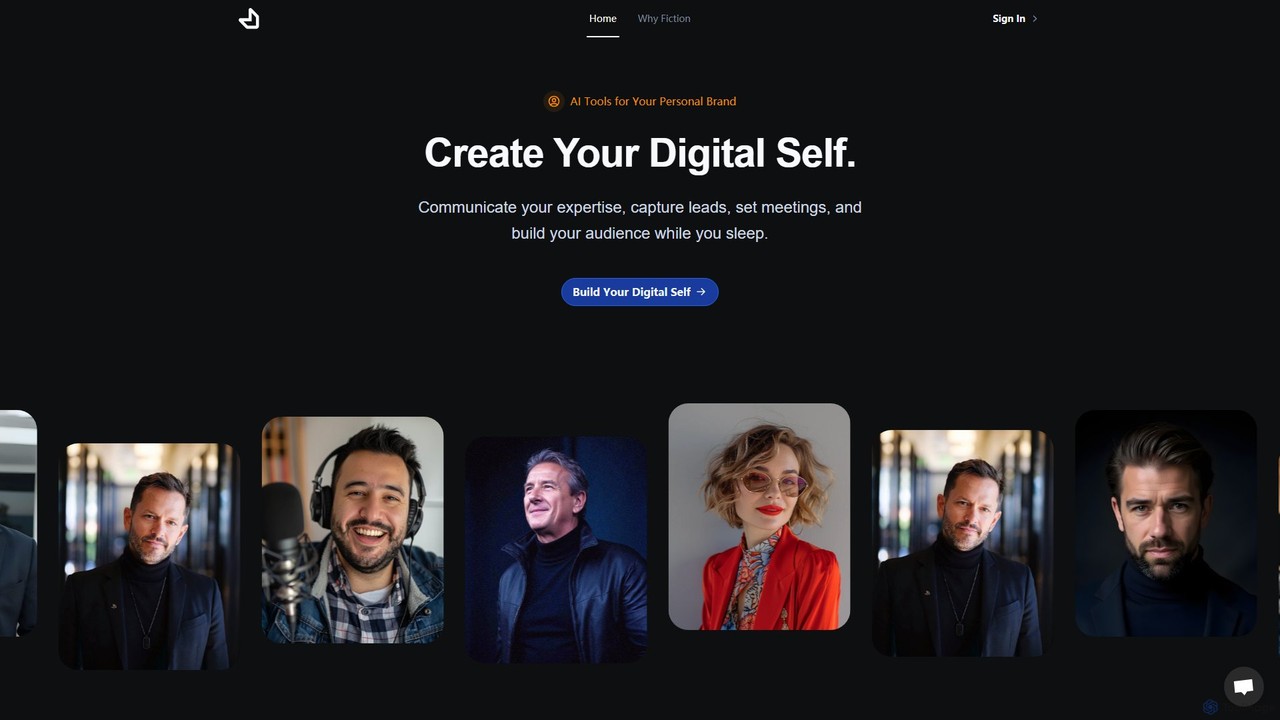
fiction is an advanced AI platform for creating and deploying "Digital Selves"—interactive, intelligent AI characters. Define their personality, backstory, and knowledge to generate dynamic personas for storytelling, gaming, marketing, or personal companionship. With a powerful conversational engine and API integration, fiction brings your virtual characters to life across any digital platform, enabling them to learn and evolve through interaction.

Character Generation
Visits 5.8KFavorites 104Likes 89

About Character Generation

Character Generation tools are AI-powered platforms designed to create unique and diverse virtual characters, ranging from 2D avatars to complex 3D models. These tools leverage advanced AI algorithms, including generative adversarial networks (GANs) and neural rendering, to transform textual descriptions or basic inputs into fully realized digital personas. They empower creators across various industries to rapidly design, customize, and animate characters, significantly streamlining the production workflow for digital content and interactive experiences.

Core Features

  • AI-Driven Design: Automatically generates character concepts, features, and styles based on user prompts or parameters.
  • Customization & Personalization: Offers extensive options for modifying appearance, clothing, accessories, and physical attributes to match specific visions.
  • 3D Model Generation: Creates ready-to-rig and animate 3D character models with detailed textures and topology.
  • Facial Expression & Pose Control: Allows users to define and animate a wide range of emotions and body postures for dynamic storytelling.
  • Asset Export & Integration: Provides compatibility with popular game engines, animation software, and virtual reality platforms through various export formats.

Applicable Scenarios

These tools are indispensable for professionals in digital media, game development, and virtual reality. Game developers utilize them for rapid prototyping of non-player characters (NPCs) and player avatars, while animators and content creators can quickly populate virtual worlds or generate consistent characters for series. Marketing teams also leverage character generation for creating diverse virtual spokespersons or mascots for campaigns, enhancing brand engagement and representation.

How to Choose

When selecting a character generation tool, consider the desired output quality (2D vs. 3D, realism vs. stylized), the depth of customization offered for features and clothing, and its compatibility with your existing software ecosystem (e.g., Unity, Unreal Engine, Blender). Evaluate the ease of use, the range of available styles, and the pricing model, including any limitations on exports or commercial use. Prioritize tools that provide robust rigging and animation capabilities if dynamic characters are essential for your project.

Character Generation use cases

1

Rapidly Prototype Game Characters

Game developers can use AI character generation tools to quickly create a wide array of unique non-player characters (NPCs) or player avatars. By inputting simple descriptions like "fantasy warrior" or "futuristic scientist," designers can generate multiple character variations in minutes, significantly accelerating the concept art and modeling phases. This allows for faster iteration and experimentation with different character designs, saving hundreds of hours in development time compared to traditional manual modeling.

2

Design Virtual Influencers and VTubers

Content creators and brands can leverage character generation tools to design distinctive virtual influencers or VTubers. Users can customize every aspect, from facial features and hairstyles to outfits and accessories, ensuring the digital persona perfectly aligns with their brand identity or creative vision. These AI-generated characters can then be rigged for live streaming or animated content, offering a consistent and engaging digital presence without the complexities of traditional character design.

3

Generate Diverse Characters for Marketing Campaigns

Marketing professionals can utilize these tools to create a diverse cast of characters for advertising campaigns, product showcases, or brand storytelling. Instead of relying on stock photos or expensive custom designs, marketers can generate characters that accurately represent target demographics or embody specific brand values. This enables the rapid production of visually compelling and inclusive marketing materials, enhancing audience connection and campaign relevance across various platforms.

4

Develop Interactive Characters for Educational Simulations

Educators and training developers can employ AI character generation to populate interactive learning environments and simulations. By creating a variety of virtual instructors, students, or scenario participants, these tools enhance engagement and realism in e-learning modules, corporate training, or medical simulations. The ability to quickly generate characters with specific roles and appearances allows for tailored educational content that adapts to different learning objectives and user interactions.

5

Create Consistent Characters for Animated Series & Comics

Animators and comic artists can use character generation tools to maintain visual consistency across episodes or issues. Once a base character is designed, the AI can help generate variations for different ages, emotions, or outfits while preserving core features. This ensures brand recognition and character integrity throughout a long-form narrative, reducing the manual effort required for character design updates and allowing artists to focus more on storytelling and animation.

6

Personalize Digital Avatars for Social Platforms

Individual users can create highly personalized digital avatars for social media, metaverse platforms, or online communities. These tools offer intuitive interfaces to sculpt unique representations of themselves or imaginative personas, going beyond generic templates. Users can express their individuality through custom clothing, accessories, and even fantastical elements, fostering a stronger sense of identity and engagement within virtual spaces.

Character Generation FAQ

What are AI Character Generation tools?

AI Character Generation tools are software applications that use artificial intelligence, primarily deep learning models like GANs, to automatically create virtual characters. These tools can generate 2D images or full 3D models of characters based on textual prompts, reference images, or user-defined parameters. They are a specialized subset of avatar creation tools, focusing specifically on the creation of unique, often customizable, digital personas rather than just generic representations.

How do AI Character Generation tools work?

AI Character Generation tools typically work by leveraging large datasets of existing character designs and applying generative AI models. Users provide inputs such as text descriptions (e.g., "a cyberpunk detective"), style preferences (e.g., "anime," "realistic"), or specific parameters (e.g., gender, age, body type). The AI then processes these inputs to synthesize a new character, often allowing for further refinement of facial features, clothing, and accessories. For 3D characters, the AI can also generate mesh, textures, and even basic rigging.

What is the difference between Character Generation and general Avatar Creation?

While both involve creating digital representations, Character Generation specifically focuses on producing unique, often complex, and story-driven personas, frequently with advanced customization and animation capabilities. It's about crafting a distinct individual. General Avatar Creation, on the other hand, can be broader, encompassing simpler profile pictures, generic representations, or basic customizable figures for social platforms. Character Generation tools often offer deeper artistic control and are geared towards professional content creation, game development, and virtual production.

What features should I look for in an AI Character Generation tool?

When choosing an AI character generation tool, prioritize features like extensive customization options for appearance, clothing, and accessories. Look for tools that offer high-quality 2D or 3D output, robust rigging capabilities for animation, and compatibility with industry-standard software (e.g., FBX, OBJ export). Intuitive user interfaces, a wide range of artistic styles, and the ability to generate consistent characters across multiple iterations are also crucial for efficient workflow and creative flexibility.

Who can benefit from using AI Character Generation tools?

A wide range of professionals and enthusiasts can benefit. This includes game developers looking to rapidly populate their worlds with unique NPCs, animators and content creators needing consistent characters for their projects, marketing teams designing diverse virtual spokespersons, and educators creating interactive learning simulations. Even individual artists and hobbyists can use these tools to bring their imaginative characters to life without extensive 3D modeling skills, democratizing character design.