ToolMage
Sign in

Best 2 Influencers AI tools for Avatars

Popular Influencers AI tools in Avatars include Creati AI and automateclips, helping you work more efficiently.

automateclips
Freemium

automateclips

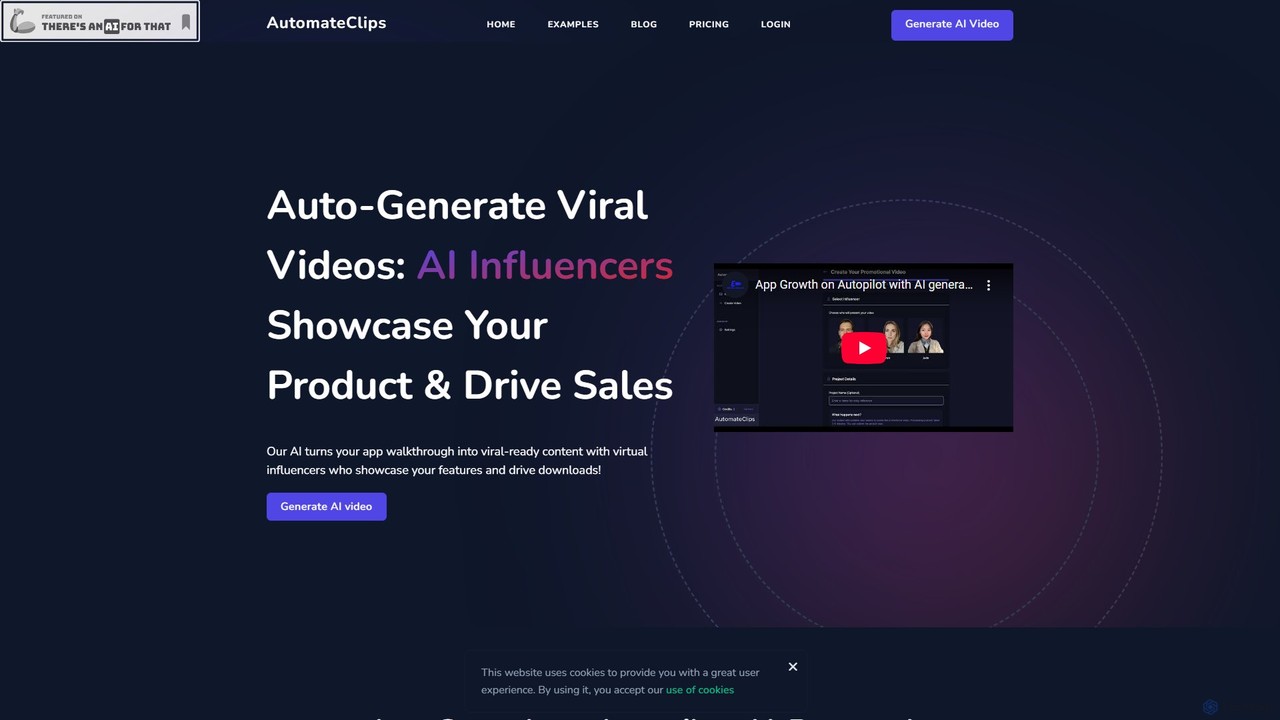
Automateclips is an AI video generator that transforms app screen recordings into viral promotional content for social media. In just three steps, upload your recording, add a real or AI-generated voiceover, and choose a customizable AI influencer to present your video. It's designed for app developers, marketers, and content creators to produce engaging videos for TikTok, Instagram, and YouTube quickly and affordably, without needing any editing skills.

Influencers
Visits 5.3KFavorites 127Likes 125
Creati AI
Freemium

Creati AI

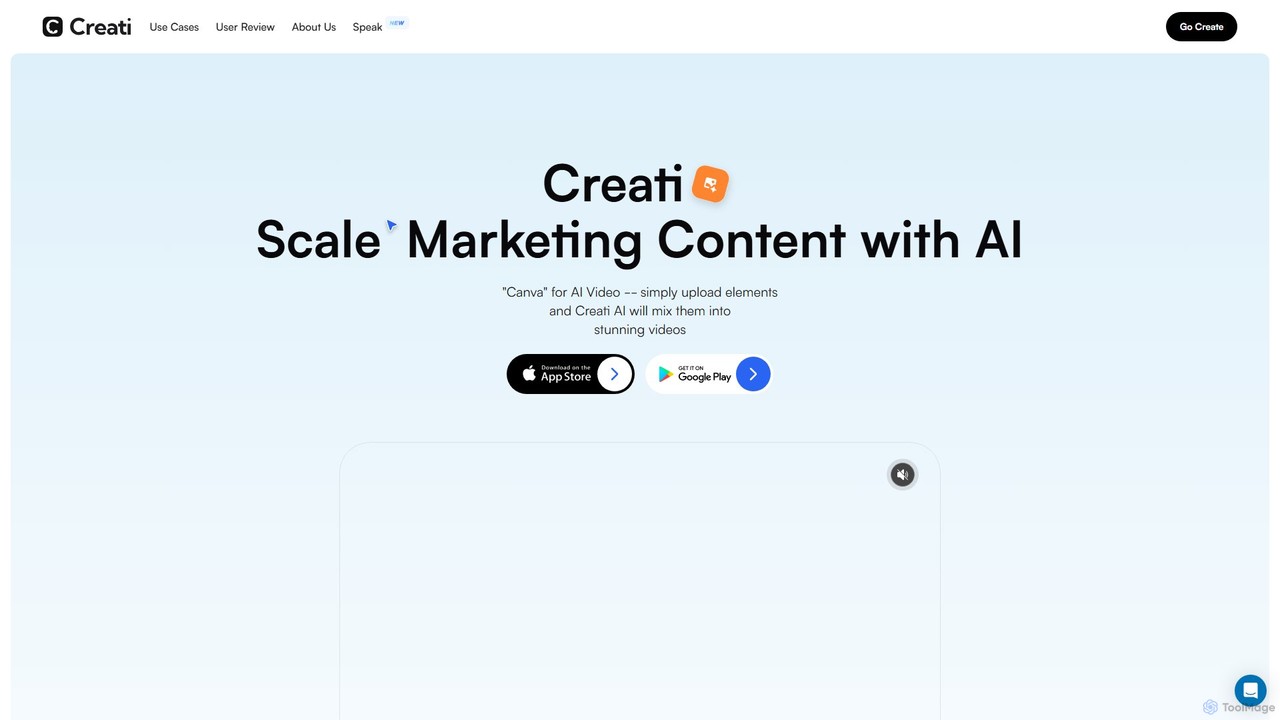
Creati AI is a revolutionary video generation platform that transforms your product photos into stunning, studio-quality marketing videos. It utilizes AI influencers who realistically interact with your products, creating authentic UGC-style content perfect for social media ads and e-commerce. Simply upload elements like models, objects, and scenes, and let the AI instantly compose and edit professional videos, saving you time and production costs.

Influencers
Visits 90.3KFavorites 107Likes 102

About Influencers

Influencers are AI-powered tools designed to create, manage, or enhance virtual personas for content creation and social media engagement. These innovative platforms leverage advanced artificial intelligence, including sophisticated generative adversarial networks (GANs) for visual realism and natural language processing (NLP) for authentic communication, to bring digital characters to life. They empower brands, marketers, and individual creators to build compelling digital presences that can interact dynamically with audiences, deliver targeted messages, and even drive cultural trends, marking a significant evolution in digital marketing, entertainment, and brand communication.

Core Features

  • Virtual Persona Generation: Create highly realistic or uniquely stylized AI-driven avatars with extensive customization options for appearance, voice, personality traits, and even emotional range, ensuring a distinct digital identity.
  • Automated Content Creation: Generate diverse and platform-optimized content, including engaging text posts, innovative image concepts, dynamic video scripts, and interactive stories, significantly reducing manual content production efforts.
  • Engagement Simulation: Develop sophisticated AI models capable of simulating natural, context-aware interactions, responding intelligently to comments, participating in conversations, and fostering a sense of community with followers across various social channels.
  • Performance Analytics: Provide comprehensive dashboards and metrics to track and analyze the engagement rates, audience reach, demographic insights, and overall impact of virtual influencers, enabling data-driven optimization of strategies.
  • Voice & Emotion Synthesis: Produce natural-sounding, expressive speech with a wide range of emotional nuances, enhancing the realism, relatability, and immersive quality of the virtual persona's interactions.

Applicable Scenarios

Brands extensively utilize these tools to deploy virtual spokespersons for global marketing campaigns, ensuring consistent brand messaging, 24/7 availability, and the ability to transcend geographical and cultural barriers. Digital marketers leverage AI influencer platforms to automate the creation and scheduling of diverse social media content for their virtual characters, maintaining high engagement frequencies and adapting quickly to trending topics. Furthermore, individual content creators and media companies explore new forms of digital storytelling, interactive entertainment, and audience interaction through the development of unique, AI-driven personas that captivate and inspire.

How to Choose

When selecting an AI Influencer tool, it is crucial to consider several key factors. Evaluate the realism and depth of customization options for avatar generation, ensuring it aligns with your brand's aesthetic and messaging. Assess the breadth and quality of its automated content creation capabilities across different media types and platforms. Investigate its natural language processing and engagement simulation features for authentic audience interaction. Finally, consider its integration capabilities with your existing marketing stack, the robustness of its performance analytics, and the overall cost-effectiveness and scalability to meet your evolving digital strategy needs.

Influencers use cases

1

Brand Marketing with Virtual Spokespersons

A global brand utilizes an AI-generated virtual influencer to lead its new product launch campaign across social media platforms. The virtual spokesperson ensures consistent brand messaging, maintains a 24/7 online presence, and can be localized for various markets without the logistical challenges of human talent. This approach allows the brand to engage diverse audiences with a fresh, innovative face, driving higher engagement rates and brand recall.

2

Automated Social Media Content Creation

A digital marketing agency manages multiple virtual influencer accounts, each requiring frequent and diverse content. Using AI influencer tools, the agency automates the generation of text posts, image concepts, and short video scripts tailored to each persona's style and target audience. This significantly reduces the manual workload, ensures a consistent posting schedule, and allows for rapid adaptation to trending topics, maximizing engagement across all managed accounts.

3

Personalized Fan Interaction for Virtual Idols

A virtual idol agency employs AI influencer tools to simulate personalized responses to fan comments and direct messages across various platforms. The AI analyzes fan sentiment and message content to generate contextually relevant and emotionally appropriate replies, creating a deeper sense of connection and community for fans. This allows the agency to scale fan engagement without overwhelming human staff, fostering loyalty and enhancing the idol's digital presence.

4

Educational Content Delivery by AI Tutors

An e-learning platform integrates an AI influencer as a virtual tutor to deliver engaging and interactive lessons. The AI tutor can explain complex concepts, answer student queries in real-time, and adapt its teaching style based on individual learning progress. This provides a scalable solution for personalized education, making learning more accessible and dynamic for a global student base, while maintaining a consistent and patient instructional presence.

5

Fashion & Lifestyle Trend Forecasting and Modeling

A fashion brand leverages an AI influencer to model new collections and predict emerging trends based on extensive data analysis. The virtual influencer can showcase garments in various digital environments, pose in diverse styles, and even generate content suggesting future fashion directions. This allows the brand to experiment with new designs, gather early consumer feedback, and present products in a futuristic and adaptable way, reducing the need for expensive photoshoots and physical models.

6

Interactive Storytelling and Narrative Development

A media company develops an AI influencer to star in interactive digital narratives, where audiences can influence story outcomes and engage with characters in novel ways. The AI processes user input to dynamically adjust plot points, character dialogues, and even visual elements, creating a highly personalized and immersive storytelling experience. This opens up new avenues for entertainment, allowing for infinitely branching narratives and deeper audience participation beyond traditional media.

Influencers FAQ

What are AI Influencers?

AI Influencers are digital personas created and animated using artificial intelligence, designed to engage audiences on social media and other platforms. They typically feature advanced AI for generating content, interacting with followers, and embodying specific brand identities or entertainment roles. Common use cases include brand marketing, virtual entertainment, and automated content delivery, offering a scalable and controllable digital presence.

How do AI Influencers differ from traditional Avatars?

While both AI Influencers and traditional Avatars are digital representations, AI Influencers are specifically designed for active content creation and autonomous audience engagement. They often possess advanced AI capabilities for generating posts, responding to comments, and evolving their persona based on interactions. Traditional avatars might be static representations or user-controlled characters without the inherent AI-driven autonomy for influence, primarily serving as digital identities rather than active content creators.

What are the main benefits of using AI Influencers for brands?

Brands can benefit significantly from using AI Influencers through consistent messaging, 24/7 availability, and reduced production costs for certain content types. They offer full creative control over the persona, allowing for precise brand alignment and the ability to experiment with niche markets without human talent constraints. AI Influencers provide a novel way to connect with tech-savvy audiences, offering scalability and adaptability in digital marketing strategies.

What features should I look for in an AI Influencer tool?

When choosing an AI Influencer tool, prioritize realistic avatar generation and extensive customization options for appearance, voice, and personality. Look for robust content creation capabilities across various media (text, image, video scripts) and strong natural language processing for authentic interactions. Multi-platform integration, comprehensive performance analytics, and the level of AI autonomy for engagement are also crucial. Finally, consider the tool's scalability and overall cost-effectiveness for your long-term strategy.

Can AI Influencers truly engage with audiences like human influencers?

AI Influencers can simulate highly effective engagement through automated responses, personalized content delivery, and even nuanced emotional expression, thanks to advanced NLP and synthesis technologies. While they may lack genuine human spontaneity and the capacity for truly unscripted, complex emotional depth, their ability to process vast amounts of data allows for highly targeted, consistent, and scalable interactions. They build a unique form of digital connection, often excelling in specific, defined roles where consistency and data-driven personalization are key.