ToolMage
Sign in

Best 2 Digital Twin AI tools for Avatars

Popular Digital Twin AI tools in Avatars include Pickle and Klones, helping you work more efficiently.

Klones
Freemium

Klones

Klones is an AI platform for creating interactive, personalized digital clones. By analyzing your voice, communication style, and knowledge, it generates a realistic AI twin that can engage in conversations, answer questions, and automate interactions on your behalf.

Digital Twin
Visits 5.5KFavorites 151Likes 145
Pickle

Pickle

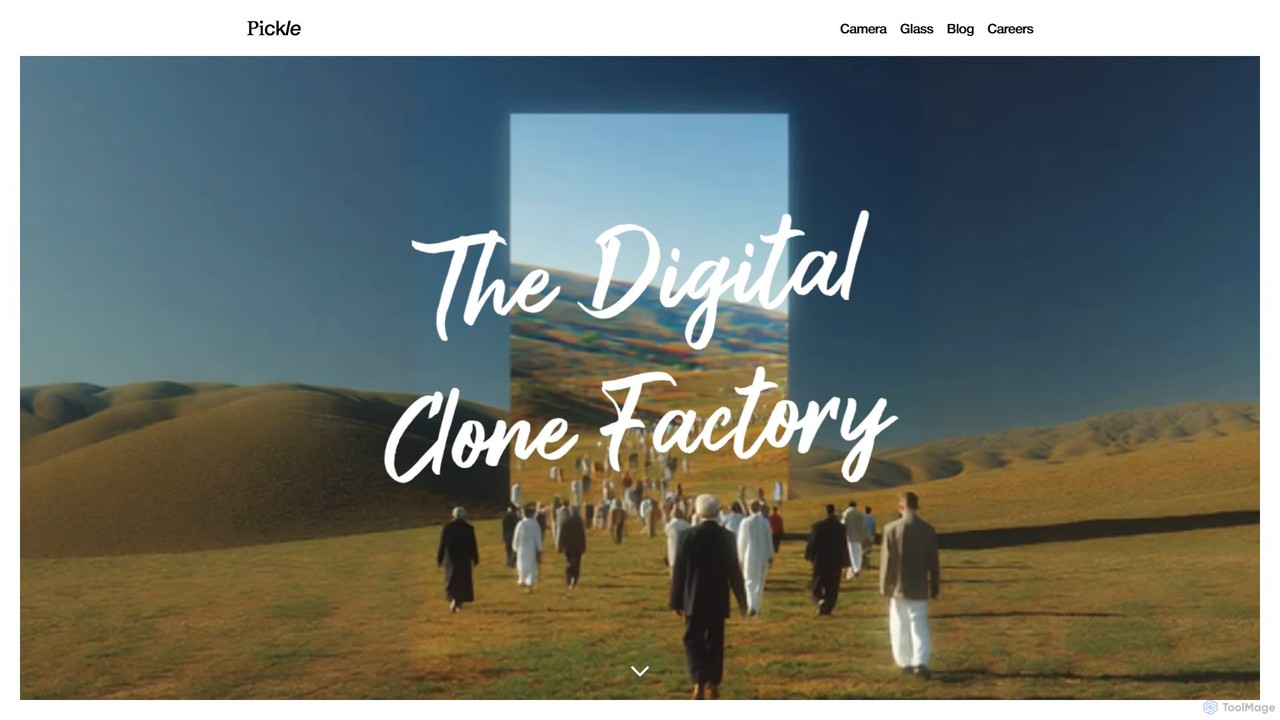
Pickle is a digital clone factory that creates a living AI avatar of you. This digital twin can learn from your daily life, represent you in video calls with perfect lip-sync, and manage your social media presence 24/7, offering a seamless blend of productivity and digital identity.

Digital Twin
Visits 67.2KFavorites 108Likes 126

About Digital Twin

Digital Twin tools are a specialized class of software used to create dynamic, data-driven virtual replicas of physical objects, processes, or systems. These tools integrate real-time data from IoT sensors, operational systems, and other sources to accurately mirror the state and behavior of their real-world counterparts. This continuous synchronization allows users to run complex simulations, predict future performance, and optimize operations without impacting the physical asset. Unlike static 3D models, digital twins are living, evolving models that provide deep insights throughout an asset's entire lifecycle.

Core Features

  • Real-time Data Synchronization: Continuously updates the virtual model with data from physical sensors and systems.
  • Predictive Simulation & Analysis: Runs what-if scenarios to forecast future states, performance, and potential failures.
  • Lifecycle Management: Visualizes and manages an asset from design and construction to operation and decommissioning.
  • Interactive 4D Visualization: Represents the 3D model over time, allowing for analysis of historical performance and future predictions.
  • System Integration: Connects with various enterprise systems like ERP, PLM, and IoT platforms for a holistic view.

Use Cases

Digital Twin technology is primarily adopted in industries like manufacturing for optimizing production lines, urban planning for creating smart cities, and energy for predictive maintenance of assets like wind turbines. It is also used in healthcare to model patient organs for surgical planning and in logistics to simulate and manage complex supply chains.

How to Choose

When selecting a Digital Twin tool, consider its data integration capabilities, ensuring it supports your specific IoT devices and systems. Evaluate the accuracy and complexity of its simulation engine. Look for industry-specific templates or features that align with your use case, and assess the platform's scalability to handle growing data volumes and model complexity.

Digital Twin use cases

1

Manufacturing Process Optimization

A factory operations manager uses a Digital Twin of the production line to improve efficiency. By feeding real-time data from machine sensors into the virtual model, the manager can visualize bottlenecks, simulate changes to the workflow without disrupting actual production, and test new configurations. This allows for the identification of optimal process parameters, reducing waste and increasing output by up to 15% before implementing any physical changes.

2

Predictive Maintenance for Energy Assets

An energy company creates a Digital Twin for its fleet of wind turbines. The model integrates live data on wind speed, temperature, and component vibration. By running simulations and applying machine learning algorithms, the system predicts when a specific component, like a gearbox, is likely to fail. This allows maintenance teams to schedule repairs proactively, preventing costly unplanned downtime and extending the operational life of the turbines.

3

Urban Planning and Smart City Management

City planners use a comprehensive Digital Twin of a metropolitan area to model and analyze urban systems. This virtual city integrates data on traffic flow, public transport usage, energy consumption, and air quality. Planners can simulate the impact of new infrastructure projects, such as a new subway line or a large residential development, to assess their effects on traffic congestion and public services before any construction begins, leading to more informed and sustainable urban development decisions.

4

Surgical Planning in Healthcare

A surgical team creates a patient-specific Digital Twin of a heart based on MRI and CT scans. This highly accurate virtual model allows surgeons to visualize complex anatomical structures, plan the optimal surgical approach, and even practice the procedure on the virtual organ. By simulating different surgical techniques, they can anticipate potential complications and choose the safest, most effective path, ultimately improving patient outcomes and reducing time in the operating room.

5

Building Lifecycle Management

An architecture and construction firm uses a Digital Twin throughout a building's lifecycle. Initially created during the design phase (BIM), the model is enriched with real-time data from sensors during construction and operation. Facility managers use the twin to monitor energy consumption, optimize HVAC systems, manage space utilization, and simulate emergency evacuation routes. This provides a single source of truth for all stakeholders and enables efficient, data-driven building management from cradle to grave.

6

Supply Chain and Logistics Simulation

A global logistics company builds a Digital Twin of its entire supply chain, including warehouses, vehicles, and shipping routes. This dynamic model visualizes the real-time location of goods and assets. Logistics planners use it to simulate the impact of potential disruptions, such as port closures or extreme weather events. By testing alternative routes and inventory strategies in the virtual environment, the company can develop robust contingency plans to ensure resilience and minimize delivery delays.

Digital Twin FAQ

What is an AI Digital Twin?

An AI Digital Twin is a dynamic virtual representation of a physical object, system, or process. Unlike a static 3D model, it is continuously updated with real-time data from sensors and operational systems. AI algorithms are then used to analyze this data, run simulations, and make predictions about the physical counterpart's future performance, health, and behavior. Its primary purpose is to enable monitoring, analysis, and optimization in a virtual environment without real-world risk.

What is the difference between a Digital Twin and a 3D model?

The key difference is data and dynamism. A 3D model is a static, visual representation of an object's geometry and appearance. A Digital Twin, however, is a dynamic model that is connected to its physical counterpart and integrates real-time data. This connection allows the Digital Twin to reflect the current state, behavior, and changes of the physical object over its entire lifecycle, enabling simulation and predictive analysis, which a static 3D model cannot do.

How to choose a Digital Twin tool?

When selecting a Digital Twin tool, consider these factors:

  • Data Integration: Ensure the tool can connect to your specific data sources, such as IoT platforms, SCADA systems, or ERP software.
  • Simulation Fidelity: Evaluate the accuracy and complexity of the physics-based simulation capabilities. Does it meet the requirements of your use case?
  • Industry Specialization: Some tools are tailored for specific industries like manufacturing or construction, offering pre-built models and relevant analytics.
  • Scalability: The platform should be able to handle the scale of your assets and the volume of data they generate, both now and in the future.
  • Visualization Quality: Assess the quality and interactivity of the 3D/4D visualizations, as this is key for user adoption and insight generation.
Who uses Digital Twin technology?

Digital Twin technology is used by a wide range of professionals and industries focused on managing complex physical assets and systems. Key users include:

  • Engineers (Manufacturing, Aerospace): For product design, process simulation, and predictive maintenance.
  • Operations Managers: To monitor real-time performance of factories, power plants, or supply chains.
  • Urban Planners and Civil Engineers: For designing and managing smart cities, infrastructure, and buildings.
  • Healthcare Professionals: To create patient-specific models for surgical planning and treatment simulation.
  • Facility Managers: For optimizing building operations, energy consumption, and space management.
How does a Digital Twin relate to a virtual avatar?

A Digital Twin can be seen as the most advanced and data-rich form of a virtual representation, which is the core concept of an avatar. While a typical avatar represents a person's appearance and actions in a virtual space, a Digital Twin represents the complete operational state of a real-world entity (which can be a person, but is more often a machine, building, or entire city). The key distinction is the live, two-way data connection. A Digital Twin doesn't just look like its counterpart; it behaves, functions, and evolves like it, based on real-world data feeds.