ToolMage
Sign in

Best 4 Digital Human AI tools for Avatars

Popular Digital Human AI tools in Avatars include DuJia AIGC Platform, Laihua, TwinTone, and nettle, helping you work more efficiently.

DuJia AIGC Platform
Freemium

DuJia AIGC Platform

DuJia AIGC Platform is an official all-in-one AIGC creation suite from Baidu. It empowers users to effortlessly generate high-quality videos, articles, stories, scripts, animations, and digital avatars from simple text inputs. Designed for content creators and marketers, it dramatically boosts efficiency by integrating a full suite of AI-powered tools, from ideation and content generation to intelligent editing and one-click publishing.

Voice Cloning
Visits 214.1KFavorites 131Likes 144
Laihua
Freemium

Laihua

Laihua is an intelligent AI generation platform for creating animated videos, digital human content, and professional presentations. It leverages advanced AI to transform text, ideas, or links into engaging visual content in minutes, making creation efficient and accessible for everyone.

Digital Human
Visits 51KFavorites 108Likes 108
TwinTone
Paid

TwinTone

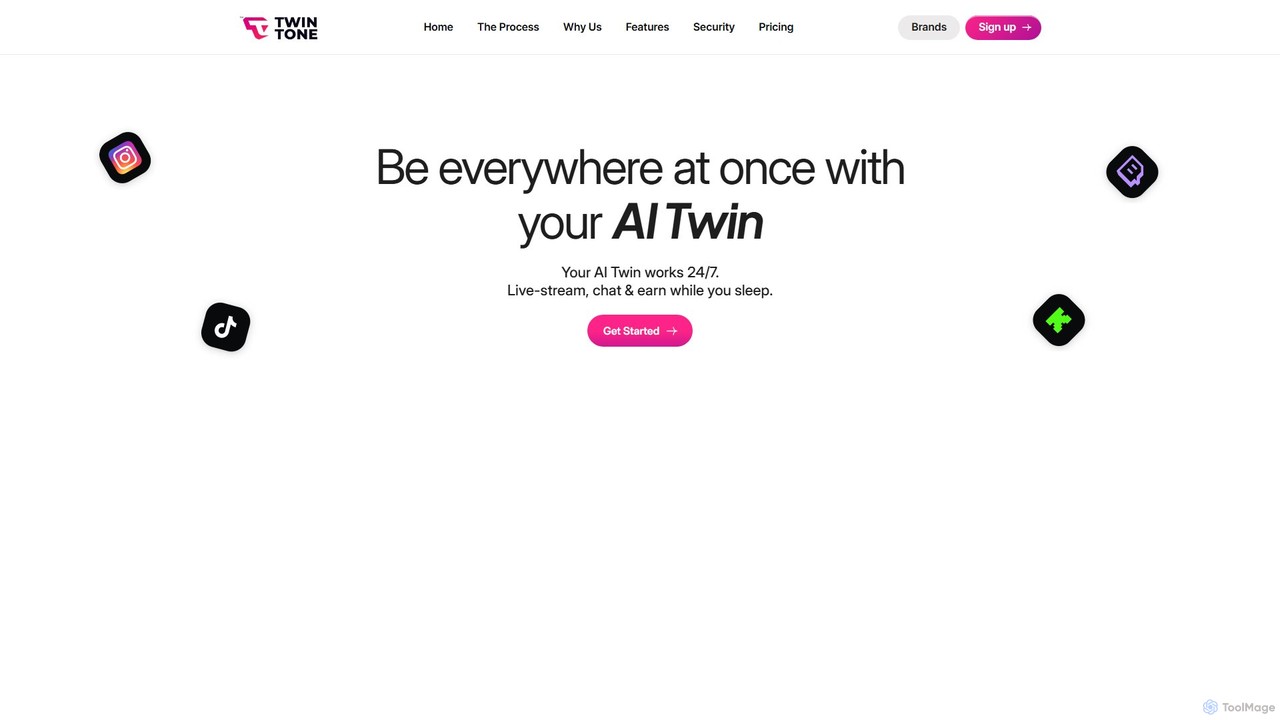
TwinTone creates a hyper-realistic AI twin of you for 24/7 automated fan engagement. This digital clone can live-stream, conduct video calls, and manage social commerce in over 30 languages, allowing creators and brands to scale their presence, increase engagement, and generate revenue without burnout.

Digital Human
Visits 8.4KFavorites 77Likes 88
nettle

nettle

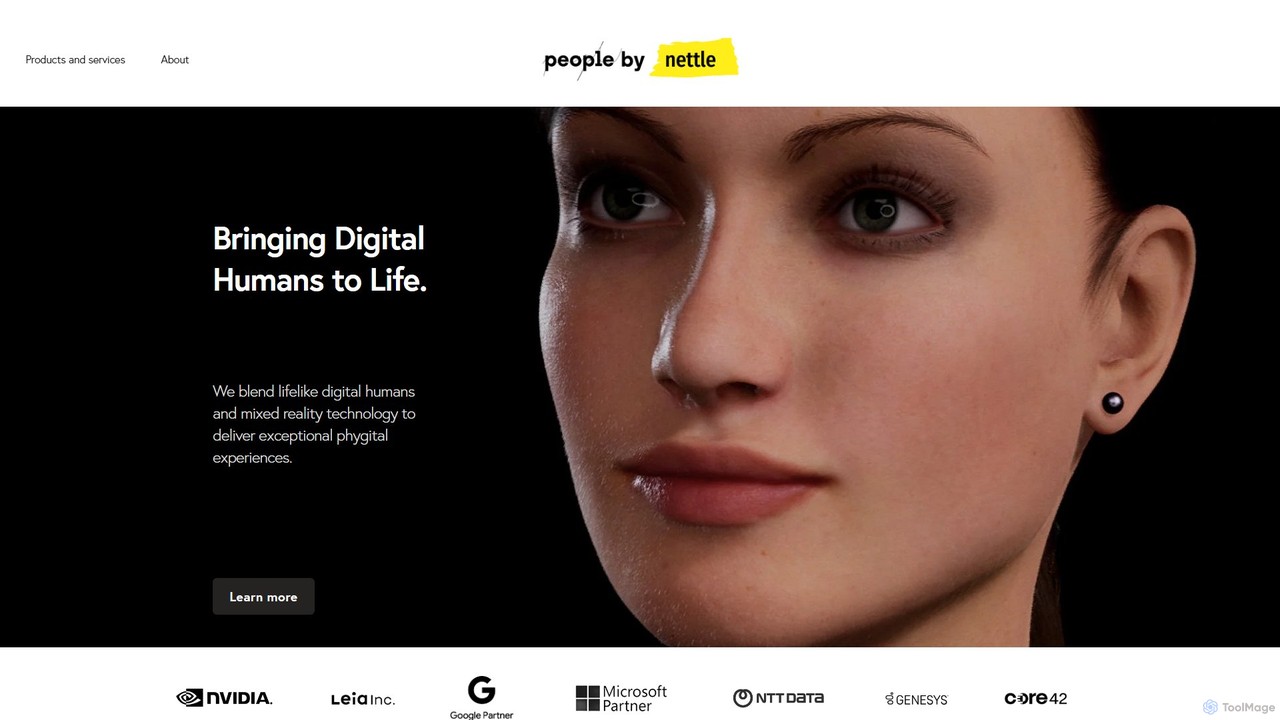
nettle creates hyper-realistic, AI-powered digital humans for businesses. These are not simple chatbots, but intelligent virtual assistants designed to provide engaging, human-like interactions and expert support 24/7. Leveraging a proprietary AI engine, advanced NLP, and customizable 3D avatars, nettle helps companies transform customer service, retail experiences, and events by bridging the gap between the physical and digital worlds.

Digital Human
Visits 4.3KFavorites 112Likes 118

About Digital Human

Digital Humans are AI-powered virtual characters designed to mimic human appearance, voice, and behavior with high realism and interactivity. These advanced tools leverage sophisticated AI, computer graphics, and natural language processing to create lifelike digital representations capable of engaging in dynamic conversations and expressing emotions. They offer a scalable solution for human-like interaction across various digital platforms, extending beyond basic virtual avatars to provide intelligent, responsive engagement.

Core Features

  • Realistic Rendering: Advanced 3D modeling and texturing for lifelike facial features, skin, and hair.
  • AI-Driven Interaction: Integration with natural language processing (NLP) and speech synthesis for real-time, intelligent conversations.
  • Emotional Expression: Capability to display a wide range of human emotions through facial animations and vocal inflections.
  • Lip-Sync and Body Language: Synchronized mouth movements with speech and natural body gestures for enhanced realism.
  • Customization: Tools for tailoring appearance, voice, personality, and knowledge base to specific needs.

Applicable Scenarios

Digital Humans are increasingly adopted in sectors requiring engaging, scalable, and personalized digital interactions. They serve as virtual assistants in customer service, AI presenters in marketing and media, and interactive tutors in educational settings. Their ability to simulate human presence makes them invaluable for enhancing user experience and automating communication.

How to Choose

When selecting a Digital Human platform, consider the desired level of realism and interactivity, the ease of customization for appearance and personality, and the integration capabilities with existing systems like CRM or knowledge bases. Evaluate the platform's AI capabilities for natural language understanding and emotional intelligence, as well as the scalability and pricing model to match your project's scope and budget.

Featured tool rankings

Digital Human use cases

1

Enhancing Customer Service with Virtual Agents

Companies can deploy Digital Humans as AI-powered virtual customer service agents to handle inquiries 24/7. These agents, equipped with advanced natural language processing, can provide instant, personalized support, answer FAQs, guide users through complex processes, and even resolve issues, significantly reducing call center wait times and improving customer satisfaction.

2

Creating Engaging AI Presenters for Marketing

Marketing teams can leverage Digital Humans to create dynamic and personalized video content without the need for human presenters or extensive studio setups. These AI presenters can deliver product demonstrations, explain complex services, or host virtual events, adapting their tone and style to different audiences, making campaigns more scalable, cost-effective, and engaging.

3

Delivering Personalized Education and Training

Educational institutions and corporate trainers can utilize Digital Humans as interactive tutors or instructors. These AI characters can deliver lessons, answer student questions in real-time, provide personalized feedback, and adapt teaching methods based on individual learning progress. This creates a highly engaging and scalable learning environment, making education more accessible and effective.

4

Creating Immersive Entertainment Experiences

In the entertainment industry, Digital Humans are used to create highly realistic and interactive characters for video games, virtual reality (VR) experiences, and film production. Game developers can integrate AI-driven NPCs (Non-Player Characters) that respond dynamically to player actions and dialogue, offering a deeper level of immersion and storytelling. This pushes the boundaries of digital narrative and interactive media.

5

Facilitating Virtual Healthcare Consultations

Healthcare providers can utilize Digital Humans to offer virtual consultations, provide health information, or guide patients through medical procedures. These AI assistants can deliver empathetic and accurate information, answer common patient questions, and even assist with mental health support, making healthcare more accessible and reducing the burden on human staff, especially in remote or underserved areas.

6

Developing Interactive Retail and Brand Ambassadors

Retailers and brands can deploy Digital Humans as virtual brand ambassadors or sales assistants in online stores, kiosks, or virtual showrooms. These AI characters can greet customers, recommend products based on preferences, answer questions about inventory or features, and even guide them through the purchasing process, offering a personalized and engaging shopping experience that boosts sales and brand loyalty.

Digital Human FAQ

What are Digital Humans?

Digital Humans are highly realistic, AI-powered virtual characters designed to mimic human appearance, voice, and behavior. They leverage advanced AI, computer graphics, and natural language processing to enable dynamic, intelligent, and emotionally expressive interactions. Unlike basic avatars, Digital Humans are built for sophisticated communication and can perform various tasks, from customer service to virtual presentations, with a lifelike presence.

How do Digital Humans differ from traditional virtual avatars?

The key difference lies in realism and intelligence. Traditional virtual avatars often have stylized appearances and limited, pre-scripted interactions. Digital Humans, however, aim for photorealistic or hyper-realistic visuals and are powered by advanced AI for natural language understanding, emotional expression, and real-time, dynamic conversations. They offer a far more immersive and intelligent human-like interaction experience compared to their simpler counterparts.

What technologies power Digital Humans?

Digital Humans are built upon a convergence of advanced AI and computer graphics technologies. Key components include sophisticated 3D rendering engines for lifelike visuals, natural language processing (NLP) for understanding and generating human-like text, speech synthesis (text-to-speech) for realistic voices, and facial/body animation systems for expressive movements. Machine learning models are crucial for their intelligence, adaptability, and emotional responsiveness.

Who benefits most from using Digital Humans?

A wide range of industries and roles can benefit significantly. Businesses in customer service, marketing, and sales can enhance engagement and efficiency. Educators and trainers can create personalized learning experiences. Healthcare providers can offer accessible virtual consultations. The entertainment industry can develop more immersive characters. Essentially, any sector requiring scalable, realistic, and intelligent human-like interaction stands to gain from Digital Humans.

What should I consider when choosing a Digital Human platform?

When selecting a Digital Human platform, prioritize the level of realism and emotional expressiveness required for your application. Evaluate the platform's AI capabilities for natural language understanding and generation, ensuring it can handle complex conversations. Consider customization options for appearance, voice, and personality, as well as integration with your existing systems. Scalability, pricing models, and the provider's support and development roadmap are also crucial factors for long-term success.