ToolMage
Sign in

Best 1 Virtual Influencer AI tools for Avatars

Popular Virtual Influencer AI tools in Avatars include Popstarz, helping you work more efficiently.

Popstarz
Paid

Popstarz

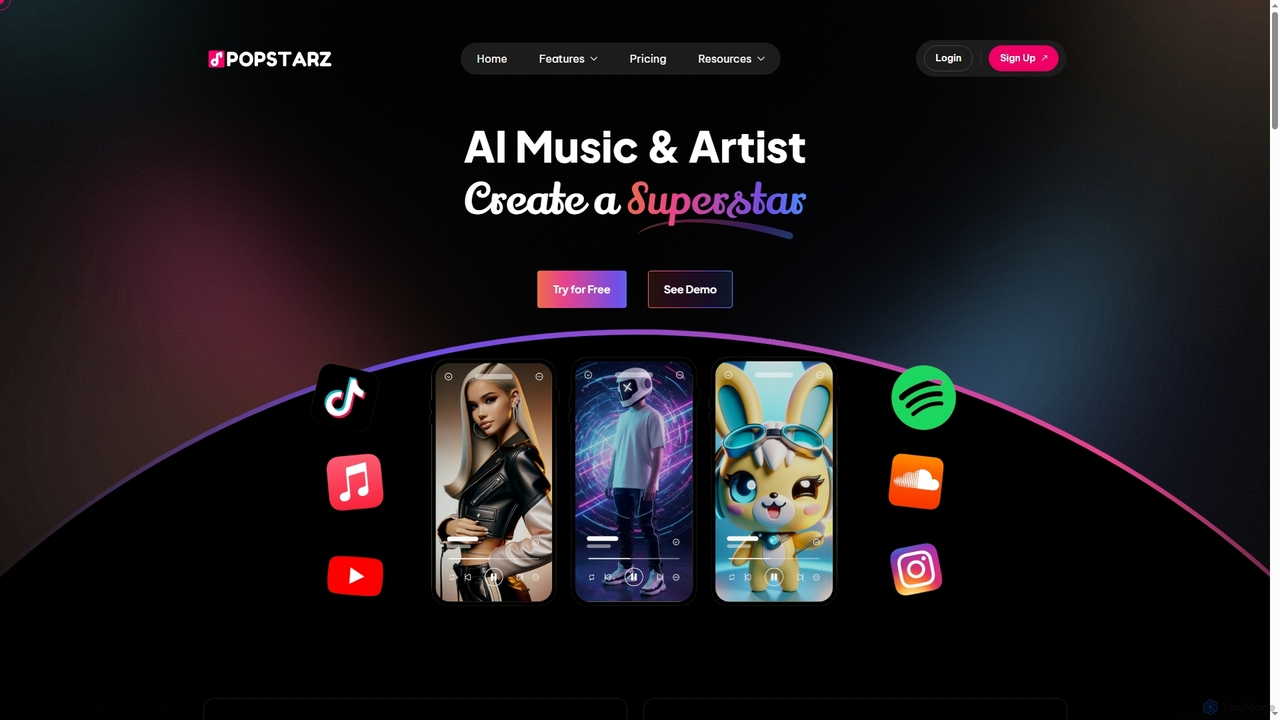
Popstarz is an AI-powered platform for creating virtual artists, generating original music tracks, and producing visual content for social media. It enables users to build a complete music brand from scratch, without needing technical skills or studio equipment.

Virtual Influencer
Visits 5.8KFavorites 136Likes 138

About Virtual Influencer

Virtual Influencer tools are a specialized category of avatar creation software for designing and managing AI-generated digital characters intended for social media influence. These tools combine advanced 3D modeling, texturing, and AI-driven animation to create lifelike or stylized personalities with unique backstories. Their primary value lies in enabling brands and creators to build highly controlled, scandal-proof brand ambassadors that can engage audiences 24/7. Unlike generic avatars, virtual influencers are specifically developed for marketing, storytelling, and building a public-facing persona.

Core Features

  • Personality & Narrative Crafting: Define the character's traits, values, backstory, and tone of voice to build a consistent persona.
  • Hyper-Realistic/Stylized Customization: Advanced controls for facial features, body proportions, skin textures, hair, and fashion.
  • AI-Powered Content Generation: Create static images and video clips of the influencer in various poses, environments, and scenarios for social media.
  • Automated Social Media Integration: Tools to streamline the process of posting generated content to platforms like Instagram, TikTok, and YouTube.
  • Brand Partnership Management: Features to seamlessly integrate sponsored products and brand messaging into the influencer's content.

Use Cases

Virtual Influencer tools are primarily used in marketing, fashion, and entertainment. Brands create digital ambassadors to model products and run campaigns with complete message control. The fashion industry uses them to showcase digital clothing lines, while entertainment companies develop virtual pop stars or characters that build a fanbase before a media launch.

How to Choose

When selecting a Virtual Influencer tool, consider the desired aesthetic (photorealistic vs. anime vs. cartoon). Evaluate the ease of the content creation workflow, including posing, animation, and rendering speed. Check the platform's export options and compatibility with target social media channels. Finally, carefully review the licensing terms for commercial use and the overall cost structure, whether it's a subscription or a one-time fee.

Virtual Influencer use cases

1

Create a Digital Brand Ambassador

A marketing team for a sustainable fashion brand designs a virtual influencer to embody their eco-conscious values. They use the tool to customize the influencer's appearance with natural features and dress them in digital versions of their clothing line. The team generates a series of high-quality images and short videos for an Instagram campaign, showcasing the influencer in beautiful, nature-inspired virtual settings. This approach provides full control over the brand's message and aesthetic, avoiding the logistical challenges and potential risks of working with human models.

2

Develop a Virtual Music Artist

An independent music label aims to launch a new pop artist without the high costs and unpredictability of a human star. They use a virtual influencer tool to create a stylized, anime-inspired character. The label then collaborates with music producers to create a debut single. The tool is used to generate a full-length animated music video featuring the virtual artist performing the song in a futuristic city. This allows the label to build a unique visual identity and narrative around the artist, engaging fans through both music and storytelling on platforms like YouTube and TikTok.

3

Social Media Content for a Gaming Company

A video game studio creates a virtual influencer who is a character from their upcoming open-world game. Before the game's launch, the character 'lives' on social media, sharing 'personal' stories, interacting with followers, and posting in-game screenshots as if they were real-life photos. This transmedia storytelling strategy builds a strong community and deepens player connection to the game's world and lore. The influencer tool allows the social media manager to quickly generate diverse content, from action poses to casual selfies, maintaining a consistent and engaging feed.

4

Virtual Host for Online Events and Webinars

An event management company specializing in virtual conferences creates a charismatic and professional virtual host. This host is used to introduce speakers, moderate Q&A sessions, and guide attendees through the virtual event space. The tool allows for pre-rendering animations and dialogue, ensuring a smooth and polished presentation. Using a virtual host adds a unique, futuristic touch to events, making them more memorable and engaging than standard video conference formats. It also eliminates the need to hire and coordinate with a human host for each event.

5

Promote Tourism with a Digital Guide

A national tourism board develops a virtual influencer to act as a digital travel guide. This character 'travels' to various landmarks and hidden gems across the country, sharing stunning, CGI-generated images and travel tips on social media. The influencer's posts highlight cultural heritage, local cuisine, and adventure activities. This innovative approach captures the imagination of potential tourists, especially a younger demographic, and presents the destination in a fresh, modern light. It allows for perfect, 'golden hour' shots of any location at any time, without the constraints of real-world photography.

6

Educational Content for a Tech Company

A software company creates a friendly and knowledgeable virtual influencer to act as a brand educator. This character hosts a series of short tutorial videos on YouTube, explaining complex software features in a simple, easy-to-understand way. The influencer also answers user questions in the comments section and on Twitter, creating an approachable and consistent point of contact for customer education. This helps to demystify the product, improve user onboarding, and build a community around the brand, all while maintaining a polished and professional image.

Virtual Influencer FAQ

What is a Virtual Influencer?

A Virtual Influencer is a digital character created using computer graphics and AI, designed to have a distinct personality and build a following on social media platforms. Unlike a simple avatar, they are managed like a real-world influencer, with a content strategy, brand partnerships, and a narrative. They are used by brands for marketing and by creators for entertainment and storytelling, offering a high degree of control over messaging and image.

How is a Virtual Influencer different from a regular Avatar?

The key difference lies in purpose and complexity. A regular avatar is typically a user's representation in a game or virtual world, often with limited personality. A Virtual Influencer, however, is a standalone character created for public influence. They have a crafted backstory, a consistent personality, and a strategic presence on social media aimed at engaging a broad audience for marketing or entertainment goals. They are content creation assets, not just user profiles.

What are the main benefits of using a Virtual Influencer for marketing?

Using a Virtual Influencer offers several key advantages for brands:

  • Total Control: Brands have complete control over the influencer's actions, words, and appearance, eliminating the risk of human error or scandal.
  • 24/7 Availability: A virtual character can appear in campaigns and interact with audiences across different time zones without rest.
  • Cost-Effectiveness: Over the long term, it can be more affordable than contracts with high-profile human influencers.
  • Creative Freedom: They can be placed in any imaginable scenario or location without the costs of travel or physical production.
How are Virtual Influencers created and managed?

Virtual Influencers are typically created using a combination of 3D modeling software (like Blender or Maya) and specialized AI tools. The process involves:

  1. Design: Conceptualizing the character's appearance, personality, and backstory.
  2. Modeling: Building the 3D model, including texturing, rigging for animation, and creating a wardrobe.
  3. Content Generation: Using the tool to pose the character in virtual environments, render high-quality images or animations.
  4. Management: A creative team or social media manager then crafts narratives, writes captions, and posts the content on social platforms, managing the character's persona and interactions.
How to choose the right Virtual Influencer tool?

When selecting a tool, consider these factors:

  • Artistic Style: Does the tool excel at the look you want (e.g., photorealism, anime, cartoon)? Check its portfolio or gallery.
  • Ease of Use: Evaluate the user interface and workflow. Is it designed for artists with technical skills, or is it accessible to marketers and content creators?
  • Content Capabilities: Can it produce high-quality static images, or does it also support video animation? What are the rendering times?
  • Licensing and Cost: Understand the pricing model (subscription, one-time purchase) and carefully read the terms for commercial use of the characters and content you create.