aimodelagency
aimodelagency is a pioneering AI fashion modeling agency that provides cutting-edge synthetic photography and video services. It specializes …
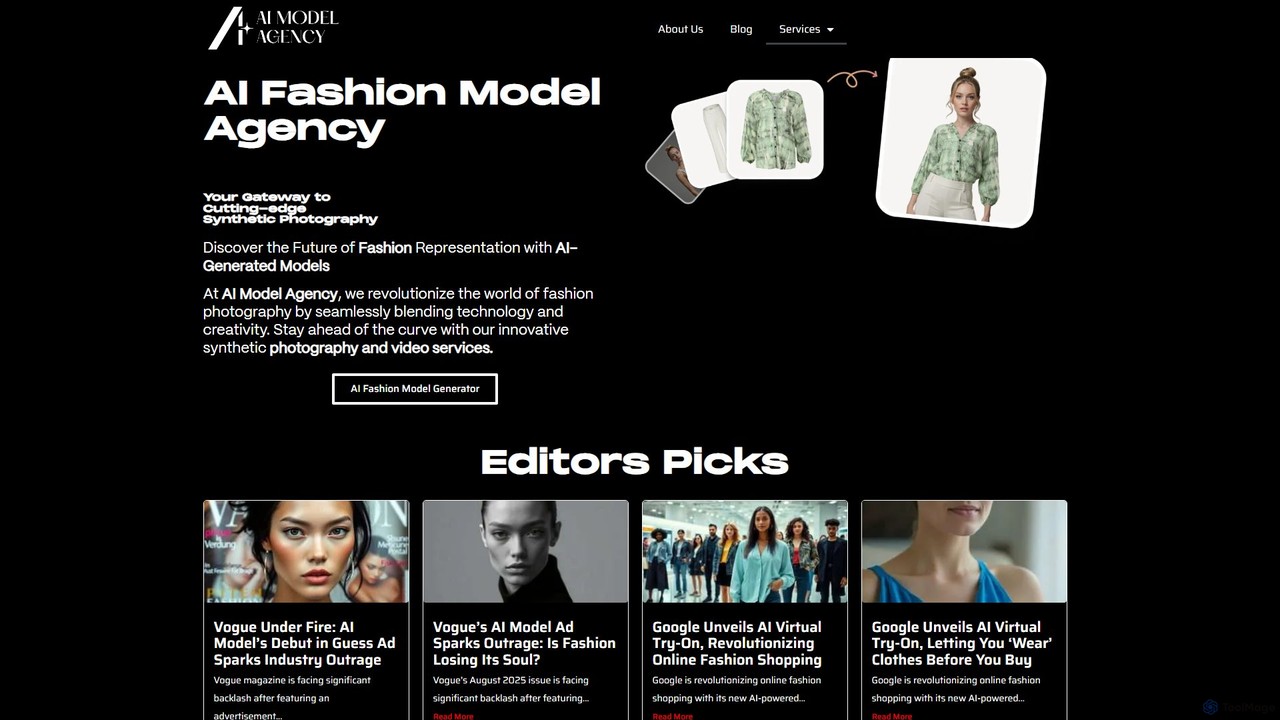
aimodelagency is a pioneering AI fashion modeling agency that provides cutting-edge synthetic photography and video services. It specializes in creating hyper-realistic, customizable AI-generated models for e-commerce, advertising campaigns, and fashion brands. By blending technology with creativity, the agency helps businesses enhance their visual content, boost conversions, and significantly reduce production costs and time compared to traditional photoshoots.
About Virtual Influencers
Virtual Influencers are AI-generated digital characters designed with a distinct personality, narrative, and social media presence to function like human influencers. Created using a blend of 3D modeling, motion capture, and generative AI, they can exhibit realistic or stylized appearances and behaviors. These digital personalities are primarily used in marketing and entertainment to engage audiences, promote products, and build a unique brand identity in a highly controlled manner. Unlike generic avatars, virtual influencers possess curated backstories and actively interact with followers, creating a persistent and evolving online persona.
Core Features
- Personality & Narrative Crafting: Tools to define a character's backstory, traits, values, and communication style.
- Advanced Character Generation: Utilizes 3D rendering and AI to create unique, high-fidelity visual identities, from photorealistic to anime-style.
- Automated Content Creation: AI-driven generation of social media posts, stories, and visual content that aligns with the influencer's persona.
- Cross-Platform Management: Capabilities to deploy and manage the influencer's presence across multiple social platforms like Instagram, TikTok, and YouTube.
- Simulated Audience Interaction: Employs AI to generate context-aware replies and engage with follower comments, fostering a sense of community.
Applicable Scenarios
Virtual influencers are heavily utilized by brands in fashion, technology, and gaming for innovative marketing campaigns. They serve as digital brand ambassadors, 24/7 live stream hosts, or protagonists in narrative-driven social media campaigns. This approach allows companies to maintain complete control over messaging and avoid the risks associated with human influencers, while exploring new creative frontiers in digital storytelling.
Selection Criteria
When choosing a virtual influencer tool, consider the desired aesthetic—photorealistic or stylized. Evaluate the level of AI automation for content creation and interaction. Assess the depth of customization available for appearance and personality. Also, verify platform compatibility for your target social media channels and determine if the tool requires specialized skills (like 3D modeling) or offers a user-friendly, no-code interface.

Virtual InfluencersUse Cases
Create a Digital Brand Ambassador
A marketing manager for a fashion brand can use a virtual influencer tool to design a unique digital ambassador that perfectly embodies the brand's aesthetic and values. By defining personality traits, style preferences, and a backstory, they create a character like 'Aura' who exclusively models their new sustainable clothing line on Instagram. The tool's AI generates daily posts showing Aura in different outfits and locations, and even crafts captions that align with the brand's eco-conscious message. This results in a highly consistent and engaging brand presence, free from the scheduling conflicts or personal brand dilution common with human influencers.
Launch a 24/7 Interactive Livestream Host
A gaming company can deploy a virtual influencer as a tireless host for their Twitch or YouTube channel. This AI-powered host can run 24/7, interacting with the live chat, announcing in-game events, and showcasing gameplay highlights. The development team provides the tool with key information, like patch notes or tournament schedules, and the AI host formulates engaging commentary and answers common viewer questions in real-time. This maintains constant community engagement, provides a consistent channel personality, and frees up human staff to focus on game development and moderation rather than continuous streaming.
Develop a Mascot for Educational Content
An EdTech company aims to make learning complex subjects like physics more accessible to high school students. They use a virtual influencer tool to create 'Professor Axiom,' a friendly, stylized robot character. A content creator on the team inputs scripts explaining concepts like relativity or quantum mechanics. The tool then animates Professor Axiom and generates short, engaging videos for TikTok and YouTube Shorts. The character's consistent and approachable persona helps demystify difficult topics, leading to higher student engagement and better information retention compared to standard text or lecture-based content.
Launch a Virtual Music Artist
A record label or an independent music producer can create a virtual artist to release music and perform. Using a virtual influencer platform, they design the artist's appearance, from their fashion style to their facial features. They then produce music as they would for a human artist. The platform is used to generate music videos where the virtual artist performs the song, create album art, and manage their social media presence. This allows for complete creative control over the artist's image and narrative, enabling unique storytelling and visual concepts that might be impossible or too costly to achieve with a human performer.
Execute a Narrative-Driven Social Media Campaign
A social impact organization wants to raise awareness about digital privacy. They create a virtual influencer, 'Leo,' a tech enthusiast who gradually discovers how his data is being used. The campaign unfolds as a story across Instagram posts and stories. The creative team uses the tool to generate images of Leo in various situations, with captions reflecting his evolving understanding and concern. The AI can also generate responses to follower comments, asking questions like 'Have you ever felt this way?' to drive engagement. This narrative approach transforms a complex topic into a personal, relatable journey, making the message more impactful than a traditional ad campaign.
Generate Hype for a Product Launch
A consumer electronics company is preparing to launch a new smartphone. Instead of standard teasers, they create a mysterious virtual influencer who appears on social media weeks before the launch. This character, managed via an AI tool, posts cryptic images, abstract videos, and puzzles related to the new phone's features. The marketing team feeds the tool with approved clues, and the AI generates the content and interacts with followers who are trying to solve the mystery. This creates an interactive and viral marketing campaign, building a community of engaged fans and generating significant buzz and speculation before the official product reveal.