ToolMage
Sign in

Best 5 Scriptwriting AI tools for Content Creation

Popular Scriptwriting AI tools in Content Creation include AutoReach, viralyou, speakperfect, ChatGPT Phantom, and Dabuun, helping you work more efficiently.

Dabuun
Paid

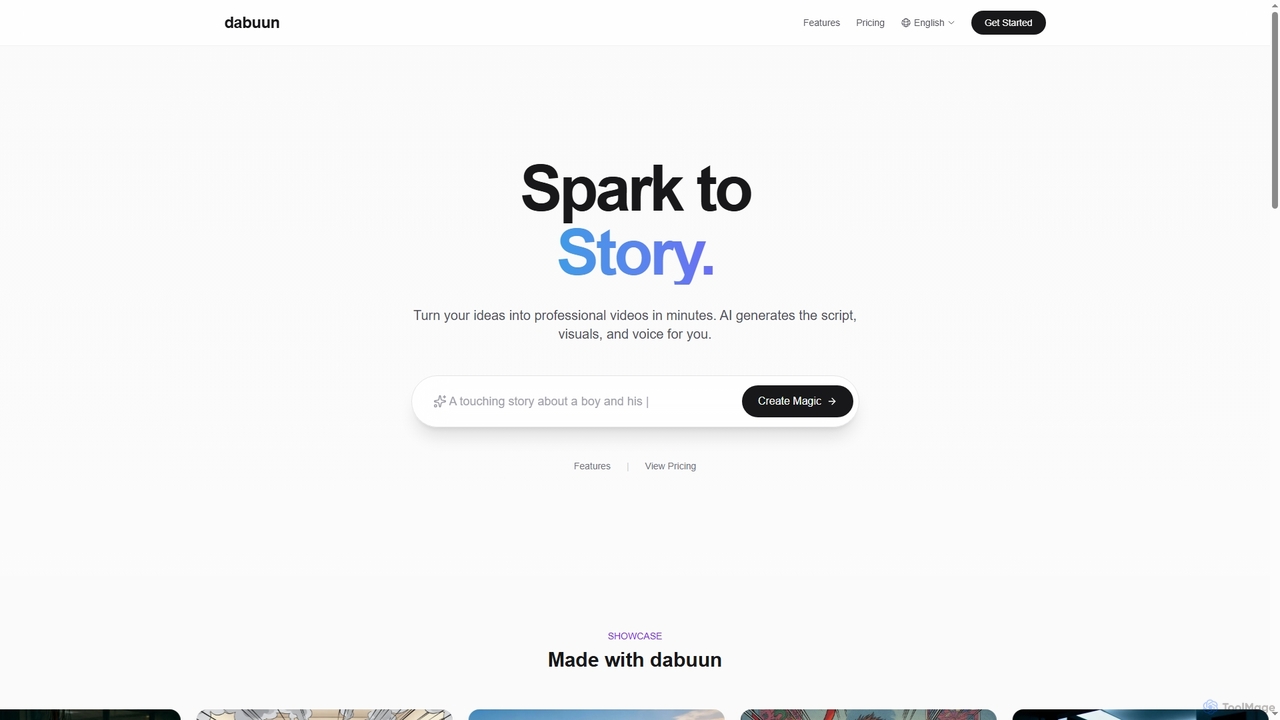
Dabuun

Dabuun is an AI video studio that transforms your ideas into professional videos in minutes. It leverages artificial intelligence to generate scripts, create stunning visuals in various styles, and synthesize natural character voices in multiple languages, enabling rapid video production for creators and teams.

Voice Synthesis
Visits 6.4KFavorites 92Likes 87
AutoReach
Paid

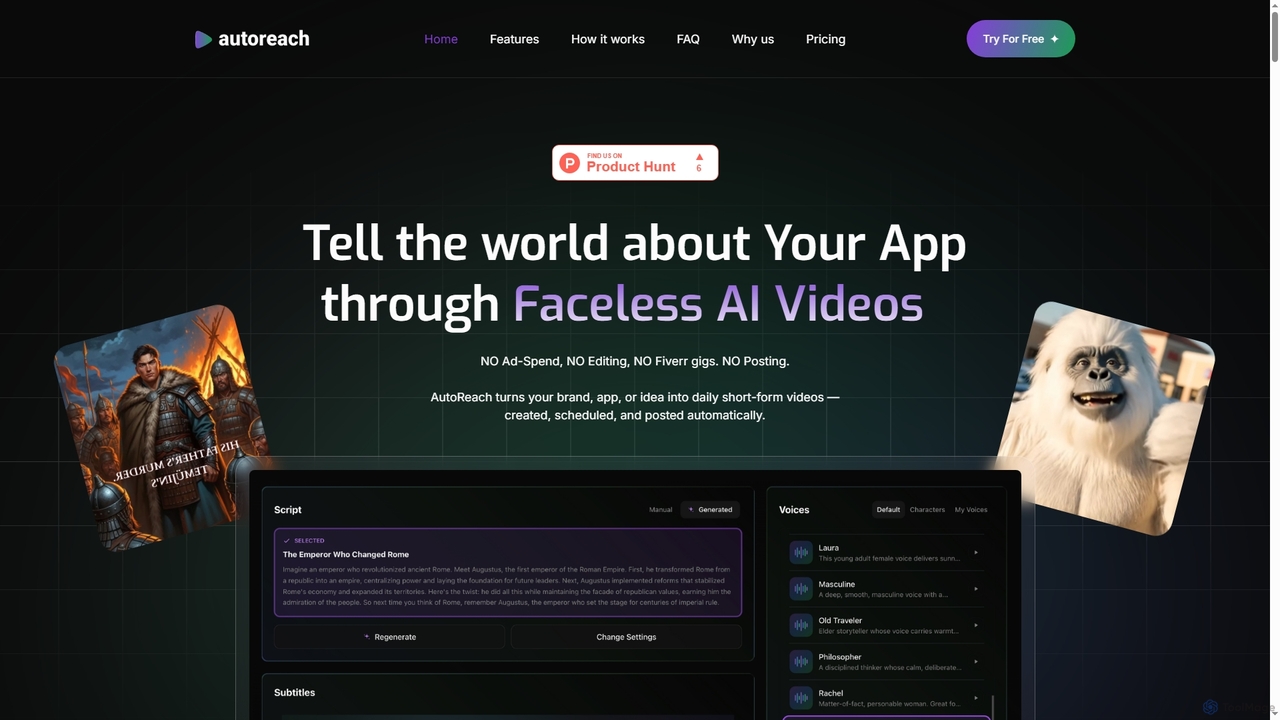
AutoReach

AutoReach is an AI-powered platform that automates the creation, scheduling, and posting of short-form videos to promote apps and ideas. It generates engaging, faceless content across various styles, eliminating the need for ad-spend, editing, or manual posting, helping indie developers achieve organic reach and consistent visibility.

Scriptwriting
Visits 8.4KFavorites 153Likes 170
speakperfect
Freemium

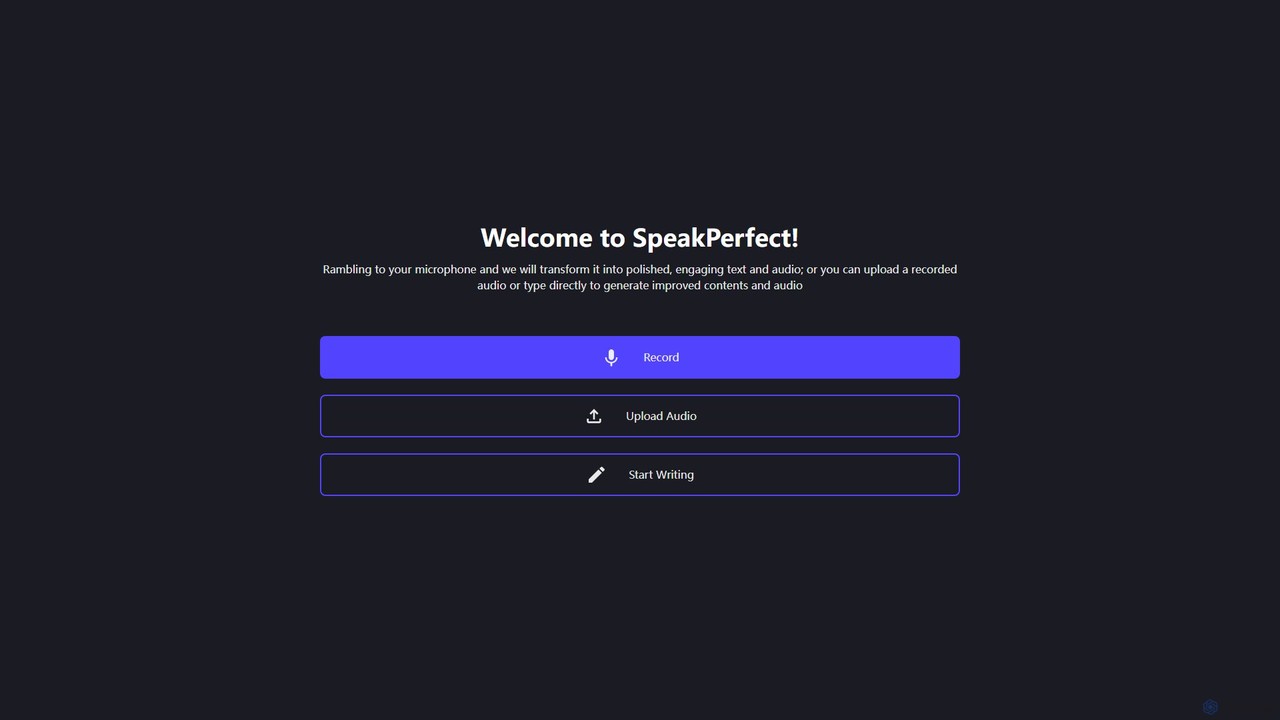
speakperfect

Speakperfect is an AI-powered tool that transforms your raw, spoken ideas into polished scripts and professional-quality audio. It automatically removes filler words, rewrites content for clarity, and generates voice-overs using AI voices or your own cloned voice. It's designed for content creators, marketers, and professionals to produce high-quality content effortlessly in multiple languages.

Speech
Visits 6.4KFavorites 131Likes 132
viralyou
Paid

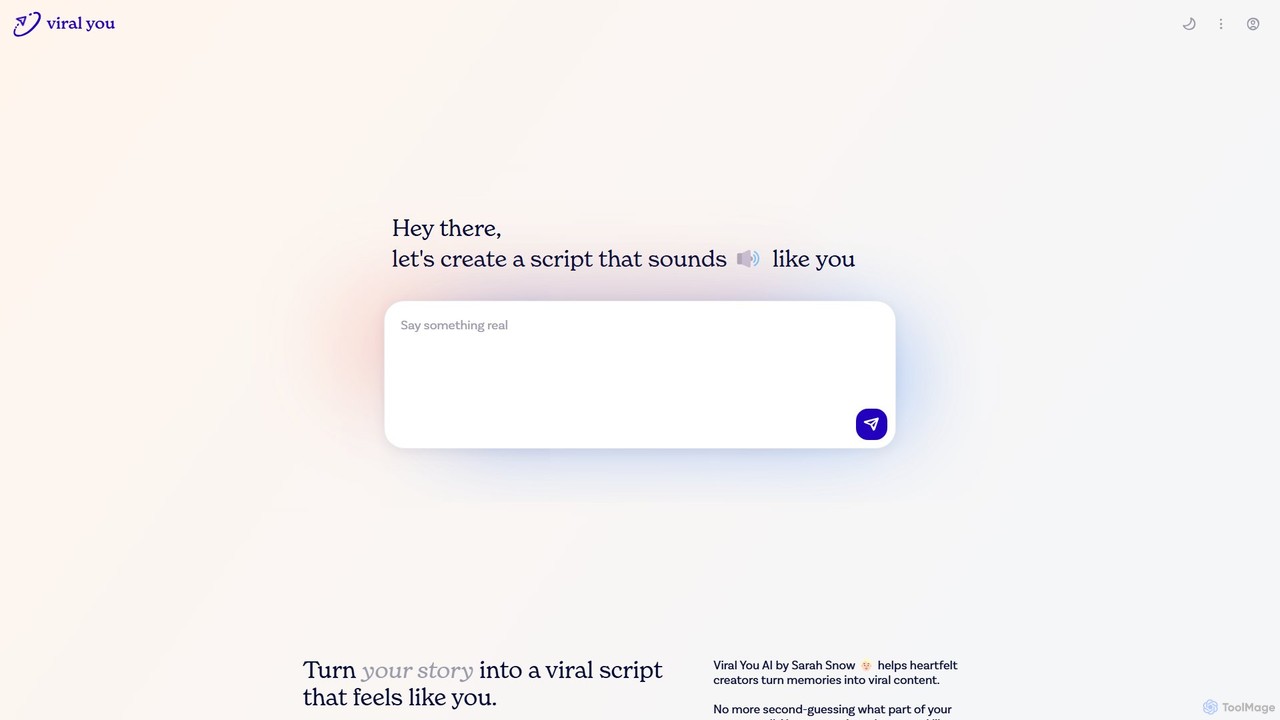
viralyou

viralyou is an AI-powered tool designed for content creators. It transforms personal stories and core memories into engaging, viral video scripts. Featuring a unique voice cloning function, it allows you to narrate your content in your own voice, ensuring authenticity and saving hours of production time.

Voice Cloning
Visits 6.9KFavorites 148Likes 154
ChatGPT Phantom
Free

ChatGPT Phantom

ChatGPT Phantom is a free, all-in-one browser extension that enhances your productivity by integrating ChatGPT, Google Bard, and Bing Chat. It provides real-time web access for up-to-date information, helping you generate high-quality content like articles, YouTube scripts, code, and summaries effortlessly. It's designed for copywriters, creators, and developers who need a powerful and private AI copilot.

Search Assistant
Visits 6.4KFavorites 127Likes 128

About Scriptwriting

AI Scriptwriting tools are specialized applications designed to assist in the creation, formatting, and refinement of scripts. Leveraging large language models, these tools understand the unique structures of screenplays, stage plays, and other narrative formats, distinguishing them from general text generators. They help writers generate dialogue, develop plot points, and structure scenes, significantly accelerating the drafting process while ensuring adherence to industry standards. This focused approach helps creators overcome writer's block and focus on the creative aspects of storytelling.

Core Features

  • Automated Formatting: Automatically applies industry-standard formatting for scenes, dialogue, and action lines, saving significant time.
  • Plot & Character Generation: Provides suggestions for plot twists, character arcs, and backstories based on initial user input.
  • Dialogue Enhancement: Generates or refines dialogue to match a character's specific voice, tone, and emotional state.
  • Story Structure Analysis: Analyzes the script's pacing and structure, offering insights based on established narrative models like the three-act structure.
  • Collaborative Writing: Enables multiple writers to work on the same script in real-time with version control and commenting features.

Use Cases

These tools are primarily used by screenwriters, playwrights, video game narrative designers, and video content creators. Film studios and advertising agencies also utilize them in pre-production to rapidly develop concepts and drafts. They are valuable for both seasoned professionals seeking to optimize their workflow and aspiring writers learning the craft.

How to Choose

When selecting an AI Scriptwriting tool, consider the specific formats it supports (e.g., screenplay, sitcom, stage play). Evaluate the quality and creativity of its suggestions for plot and dialogue. For teams, robust collaboration features are essential. Also, check for integration capabilities with other writing or pre-production software like Final Draft or storyboarding tools.

Scriptwriting use cases

1

Developing a TV Pilot Episode

A television writer is tasked with creating a pilot for a new sci-fi series. Using an AI scriptwriting tool, they input the core premise and main character profiles. The AI helps brainstorm several compelling plot twists for the first act and generates initial dialogue for the introductory scenes, capturing the distinct voices of each character. The writer then uses the structure analysis feature to ensure the pilot follows a classic three-act structure, identifying pacing issues before the first draft is even complete. This process reduces initial drafting time by over 40%, allowing more time for creative refinement.

2

Generating Branching Dialogue for Video Games

A narrative designer for an RPG video game needs to create a complex dialogue tree for a key non-player character (NPC). They define the NPC's personality traits, motivations, and key information to convey. The AI scriptwriting tool then generates multiple branches of dialogue based on different player choices (e.g., aggressive, diplomatic, inquisitive). It ensures tonal consistency across all branches and even suggests how different choices could impact future plot points. This automates the tedious task of writing hundreds of lines of conditional dialogue, allowing the designer to focus on the overall narrative arc and player experience.

3

Rapidly Drafting Short-Form Video Scripts

A content creator for a social media platform needs to produce three short educational videos per week. To speed up the process, they use an AI scriptwriting tool. For each video, they input the topic, key talking points, and desired tone (e.g., 'informative and witty'). The AI generates a formatted script under 60 seconds, complete with an engaging hook, a structured body, and a clear call-to-action. The creator can then quickly edit and personalize the script, saving hours of writing time each week and allowing them to maintain a consistent and high-quality posting schedule.

4

Adapting a Novel into a Screenplay

A screenwriter is hired to adapt a dense fantasy novel into a feature film script. They use an AI scriptwriting tool to streamline the initial breakdown. By feeding chapter summaries into the AI, it helps identify key plot points, character arcs, and pivotal scenes suitable for cinematic translation. The tool suggests ways to condense subplots and merge minor characters. It also generates first-pass dialogue for key scenes based on the novel's text, maintaining the original author's tone. This allows the screenwriter to quickly create a structured outline and a rough draft, focusing their efforts on the creative challenges of adaptation rather than manual transcription and structuring.

5

Overcoming Writer's Block on a Feature Film

A screenwriter is stuck on a pivotal scene in the second act of their feature film script. The dialogue feels flat and the plot isn't advancing. They describe the scene's context, the characters involved, and the desired outcome to an AI scriptwriting tool. The AI generates five different versions of the scene, each with unique dialogue and a different approach to the conflict. One version introduces a surprising revelation, while another focuses on subtext. Reviewing these AI-generated alternatives sparks a new idea for the writer, helping them break through the block and write a much stronger, more dynamic scene than they had originally conceived.

6

Collaborative Writing for a Theater Production

A group of playwrights is co-writing a new stage play. They use a cloud-based AI scriptwriting tool with collaboration features. Each writer can work on different scenes simultaneously, and the tool automatically merges changes and maintains proper formatting. When they need to ensure a character's voice is consistent across scenes written by different people, they use the AI's dialogue generation feature, providing it with examples of the character's speech. The tool also tracks character screen time and dialogue distribution, providing analytics that help the team balance the script and ensure all storylines are well-developed.

Scriptwriting FAQ

What are AI Scriptwriting tools?

AI Scriptwriting tools are specialized software that use artificial intelligence, particularly large language models, to assist in writing scripts for film, television, theater, and other media. Unlike general AI writers, they are specifically trained on script formats and narrative structures. Key features often include automatic formatting, plot generation, character development suggestions, and dialogue enhancement. They act as a creative partner to help writers brainstorm ideas, overcome writer's block, and accelerate the drafting process while maintaining industry standards.

How do AI Scriptwriting tools differ from general AI writers like ChatGPT?

The primary difference is specialization. General AI writers are versatile but lack built-in knowledge of scriptwriting conventions. AI Scriptwriting tools are purpose-built with features that cater specifically to writers:

  • Formatting: They automatically handle industry-standard formatting for scene headings, character names, and dialogue, which is difficult to maintain with a general AI.
  • Structural Awareness: They understand concepts like acts, scenes, sequences, and character arcs, offering suggestions that align with narrative structures.
  • Contextual Prompts: They offer specific functions like 'generate a plot twist' or 'write dialogue in this character's voice,' which are more targeted than general prompts.
  • Collaboration: Many include features for co-writing, version control, and feedback, designed for a production workflow.

In essence, while a general AI can write text that looks like a script, a specialized tool actively assists in the craft of scriptwriting.

Can AI tools replace human screenwriters?

No, AI tools are best viewed as powerful assistants, not replacements. While they can generate text, structure scenes, and brainstorm ideas with impressive speed, they currently lack the genuine creativity, emotional depth, and nuanced understanding of human experience that are essential for compelling storytelling. A human screenwriter's role involves making subjective creative choices, infusing stories with personal voice and subtext, and understanding cultural context. AI can handle the more mechanical and repetitive aspects of writing, freeing up human writers to focus on these higher-level creative tasks. The future is likely one of collaboration, where writers leverage AI to enhance their productivity and creativity.

How should I choose the right AI Scriptwriting tool?

Choosing the right tool depends on your specific needs. Consider the following factors:

  • Supported Formats: Ensure the tool supports the format you need, whether it's a feature film screenplay, a multi-camera sitcom, a stage play, or a video game script.
  • Quality of Suggestions: Test the tool's ability to generate creative and relevant ideas for plot, characters, and dialogue. Some are better at brainstorming, while others excel at refining existing text.
  • User Interface and Workflow: Look for a tool with an intuitive interface that fits your writing process. Does it integrate with other software you use, like Final Draft or Celtx?
  • Collaboration Features: If you work with a team, check for real-time co-writing, version history, and commenting capabilities.
  • Pricing Model: Evaluate whether a subscription-based model or a pay-per-use system is more cost-effective for your usage patterns.
Who can benefit from using AI Scriptwriting tools?

A wide range of creators can benefit from these tools. This includes:

  • Professional Screenwriters: To accelerate drafting, break through writer's block, and explore alternative plot directions quickly.
  • Aspiring Writers: To learn industry-standard formatting and story structure while getting assistance with initial ideas.
  • Video Game Narrative Designers: To manage complex branching dialogues and maintain character consistency across vast storylines.
  • Content Creators & Marketers: To rapidly generate scripts for short-form videos, advertisements, and corporate training materials.
  • Playwrights: To structure stage plays, develop character monologues, and ensure proper formatting for theatrical production.

Essentially, anyone involved in narrative creation who needs to adhere to specific structural and formatting conventions can find value in using a specialized AI scriptwriting tool.