ToolMage
Sign in

Best 2 Speech AI tools for Audio

Popular Speech AI tools in Audio include Lusun Teleprompter and speakperfect, helping you work more efficiently.

speakperfect
Freemium

speakperfect

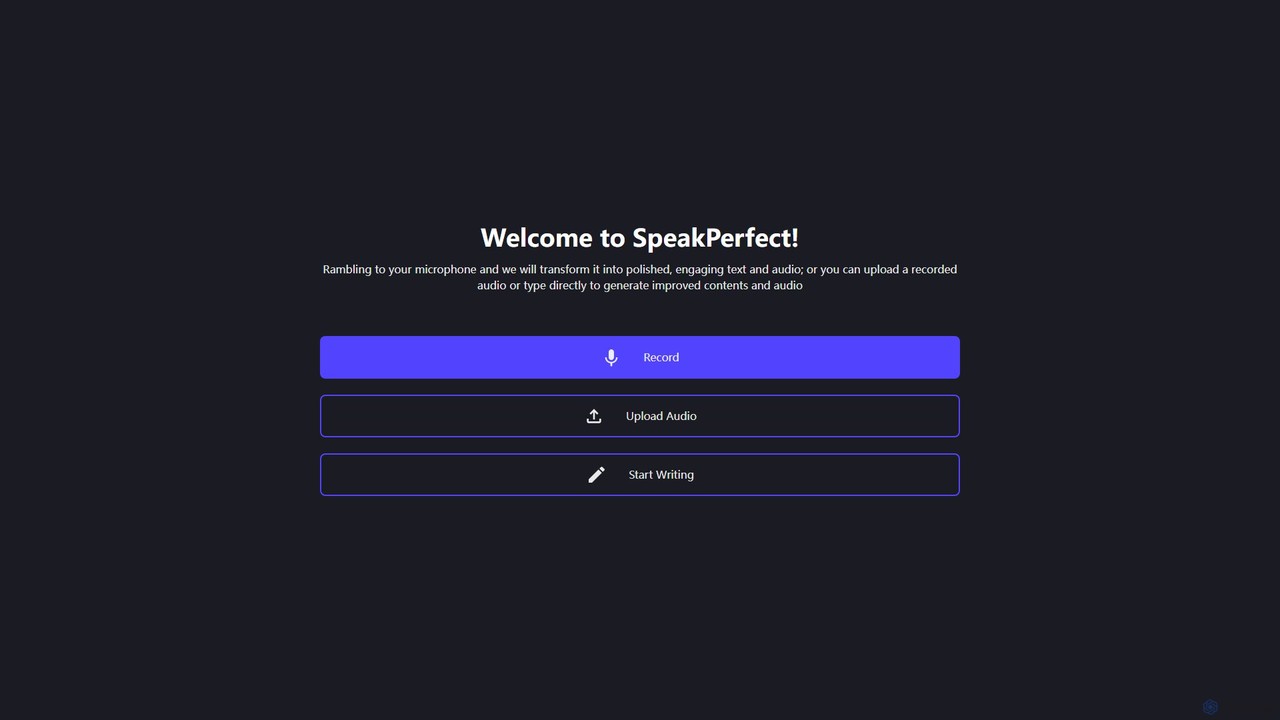
Speakperfect is an AI-powered tool that transforms your raw, spoken ideas into polished scripts and professional-quality audio. It automatically removes filler words, rewrites content for clarity, and generates voice-overs using AI voices or your own cloned voice. It's designed for content creators, marketers, and professionals to produce high-quality content effortlessly in multiple languages.

Speech
Visits 3.4KFavorites 107Likes 99
Lusun Teleprompter
Freemium

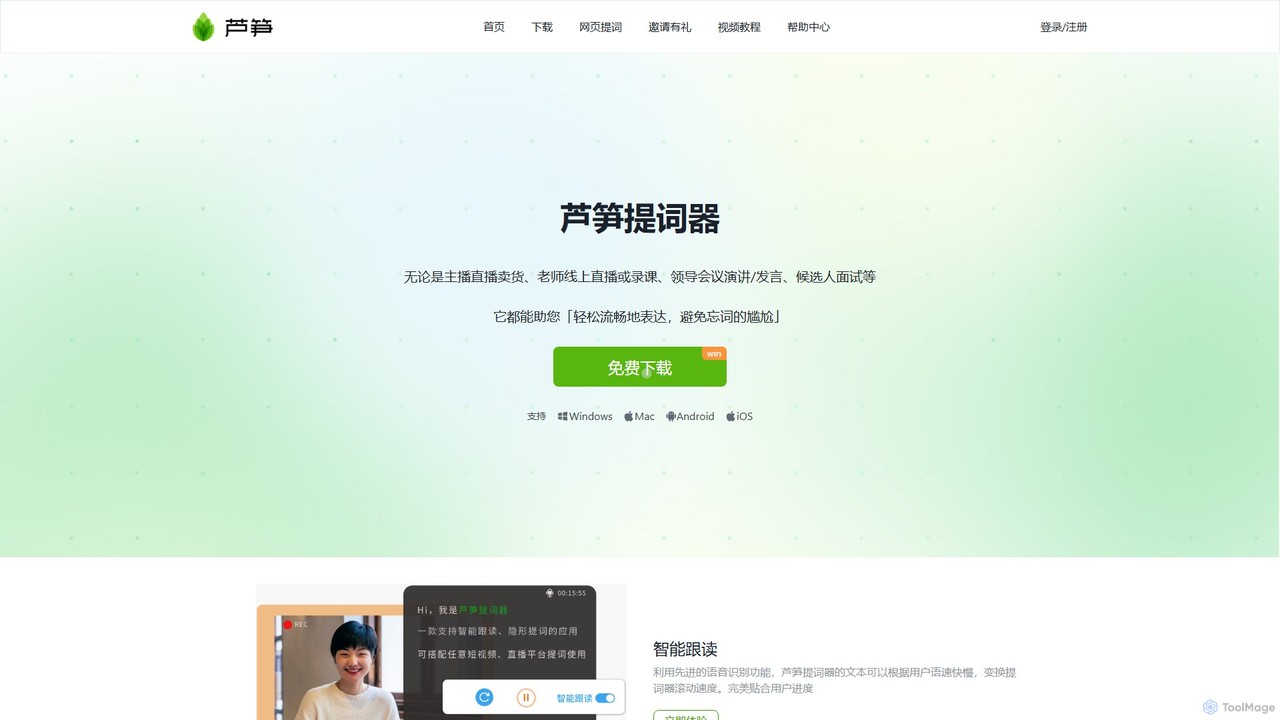
Lusun Teleprompter

Lusun Teleprompter is an AI-powered teleprompter app designed for content creators, educators, and speakers. It features smart voice-controlled scrolling, an invisible overlay for streaming, and an AI script assistant to help you deliver flawless presentations. Available on Windows, macOS, Android, and iOS with cloud sync.

Speech
Visits 3.7KFavorites 105Likes 131

About Speech

AI Speech tools are a specialized category of audio AI focused on generating, analyzing, and manipulating the human voice. These tools utilize advanced technologies like Text-to-Speech (TTS), Speech-to-Text (STT), and voice synthesis to convert text into lifelike audio or transcribe spoken words into text. They are essential for creating realistic voiceovers, automating transcription, and developing interactive voice applications. Unlike general audio tools that might handle music or sound effects, AI Speech tools are specifically engineered for the nuances of human language, tone, and intonation.

Core Features

  • Text-to-Speech (TTS): Converts written text into natural-sounding, human-like speech in various languages and accents.
  • Speech-to-Text (STT): Accurately transcribes audio or video recordings of spoken language into written text, often with speaker identification.
  • Voice Cloning & Synthesis: Creates a digital replica of a specific person's voice from a short audio sample or generates entirely new synthetic voices.
  • Speech Analysis & Coaching: Evaluates vocal delivery, including pace, tone, filler words, and clarity, to provide actionable feedback for improvement.

Use Cases

These tools are widely used by content creators for producing voiceovers, podcasters for audio editing, and developers for building voice-controlled applications. In business, they power interactive voice response (IVR) systems, create accessible content for visually impaired users, and automate the transcription of meetings and interviews.

How to Choose

When selecting an AI Speech tool, consider the quality and naturalness of the generated voice. Evaluate the accuracy of transcription and its support for different languages and dialects. For developers, the availability of a robust API is crucial. Also, assess the platform's voice cloning capabilities and the ethical guidelines associated with their use.

Featured tool rankings

Speech use cases

1

Creating Realistic Voiceovers for Videos

A content creator needs to produce a high-quality voiceover for a documentary video but lacks professional recording equipment or a consistent voice. By using an AI Text-to-Speech (TTS) tool, they can input their script and generate a clear, natural-sounding narration in minutes. They can choose from various voices, accents, and emotional tones to perfectly match the video's mood, ensuring a professional finish without the cost and time of hiring a voice actor or booking a studio.

2

Automating Meeting Transcription and Summarization

A project manager regularly holds hour-long team meetings and struggles to capture all key decisions and action items. By using an AI Speech-to-Text (STT) tool, they can record the meeting and receive a full, accurate transcript automatically. The tool can often identify different speakers, making the transcript easy to follow. This saves hours of manual note-taking and ensures no critical information is lost, allowing the manager to quickly share summaries and follow up on tasks.

3

Personalized Audio Content with Voice Cloning

An e-learning platform wants to offer personalized audio feedback to thousands of students. Instead of having instructors record countless individual messages, they use an AI voice cloning tool. After creating a digital clone of an instructor's voice from a short sample, the platform can generate customized audio messages at scale. This allows each student to receive feedback that sounds personal and encouraging, directly from their instructor, enhancing the learning experience significantly.

4

Public Speaking and Presentation Rehearsal

A sales executive is preparing for a crucial client pitch and wants to ensure their delivery is confident and persuasive. They use an AI speech coaching tool to practice their presentation. They record themselves speaking, and the tool provides instant, data-driven feedback on their pacing, use of filler words like 'um' and 'ah', tone variation, and overall clarity. This allows them to identify and correct weaknesses in their delivery, helping them to present more professionally and effectively.

5

Developing Interactive Voice Response (IVR) Systems

A company wants to upgrade its customer service phone line from a robotic, hard-to-understand automated system. A developer integrates a high-quality Text-to-Speech (TTS) API into their new IVR system. This allows the system to generate dynamic, natural-sounding voice prompts in real-time. Customers can hear their name, order details, or appointment times spoken clearly, creating a much smoother and more professional user experience compared to pre-recorded, static audio files.

6

Creating Accessible Content for Audio Learners

An educational publisher wants to make their written materials, such as textbooks and articles, accessible to students with visual impairments or those who prefer auditory learning. They use an AI TTS tool to convert entire chapters and articles into high-quality audio files. This allows them to offer audio versions of their content, expanding their audience and providing a more inclusive learning environment without the high cost of manually recording everything with voice actors.

Speech FAQ

What are AI Speech tools?

AI Speech tools are software applications that use artificial intelligence to process, generate, or analyze human speech. Their primary functions include converting text into audible speech (Text-to-Speech), transcribing spoken words into text (Speech-to-Text), creating digital copies of voices (voice cloning), and providing feedback on public speaking skills. They are a specialized subset of AI Audio tools focused exclusively on the human voice.

How to choose the right AI Speech tool?

To choose the right tool, consider these factors:

  • Primary Use Case: Do you need high-quality voice generation (TTS), accurate transcription (STT), or voice cloning? Choose a tool that excels in your specific area of need.
  • Voice Quality: For TTS, listen to samples. The voice should sound natural and not robotic, with appropriate intonation.
  • Accuracy: For STT, check its accuracy rate, especially with different accents, dialects, or in noisy environments.
  • Language Support: Ensure the tool supports the languages and accents you require.
  • API and Integration: If you're a developer, look for a well-documented API and easy integration options.
What's the difference between AI Speech and general AI Audio tools?

The main difference is focus. AI Speech tools are highly specialized for the human voice. They excel at understanding and recreating the nuances of language, including pronunciation, tone, and emotion. Their applications are centered around communication, like voiceovers, transcription, and voice assistants. General AI Audio tools have a broader scope. They might include features like music generation, sound effect creation, audio mastering (adjusting frequencies and dynamics), or noise reduction for any type of sound, not just speech.

Are AI-generated voices realistic?

Yes, the quality of AI-generated voices has improved dramatically. Modern Text-to-Speech (TTS) systems can produce voices that are nearly indistinguishable from human speech. They can capture subtle emotional tones, pauses, and inflections, making them suitable for professional applications like audiobooks, video narration, and customer service bots. However, quality can vary between different tools, so it's always recommended to listen to samples before committing to a service.

Who can benefit from using AI Speech tools?

A wide range of users can benefit from AI Speech tools. This includes:

  • Content Creators: For creating voiceovers for videos, podcasts, and social media content quickly and affordably.
  • Educators and Students: For creating accessible learning materials and transcribing lectures.
  • Developers: For building applications with voice interfaces, such as voice assistants or interactive IVR systems.
  • Businesses: For automating customer support, transcribing meetings for record-keeping, and creating multilingual marketing materials.
  • Individuals with Disabilities: For converting text to speech for accessibility or using speech-to-text for communication.