Content Creation Best in category 4 results Strategy AI Tool

Popular AI tools in the Strategy field of Content Creation include RankinAE、Analyzeinsta、Surfn、Mindd Wave, etc., helping you quickly improve efficiency.

Analyzeinsta

Analyzeinsta

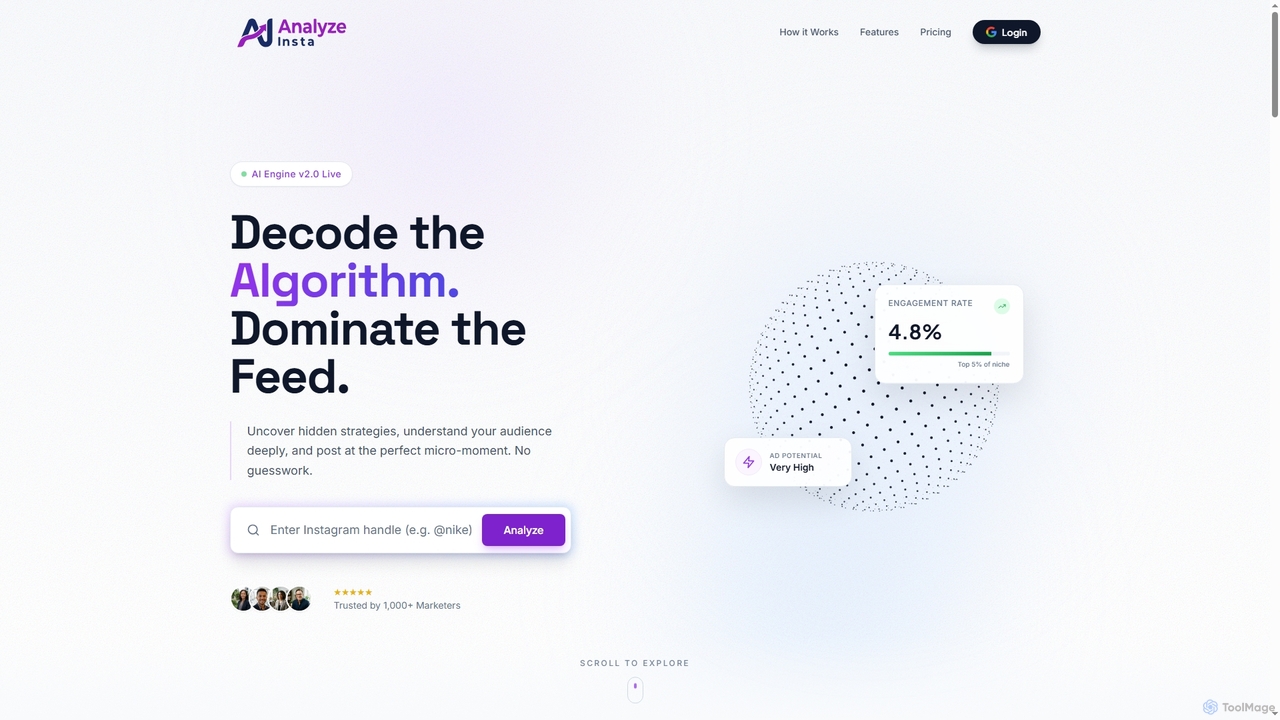
Analyzeinsta is an AI-powered social media analytics platform designed to help marketers, creators, and agencies master Instagram. It …

2.4K
RankinAE

RankinAE

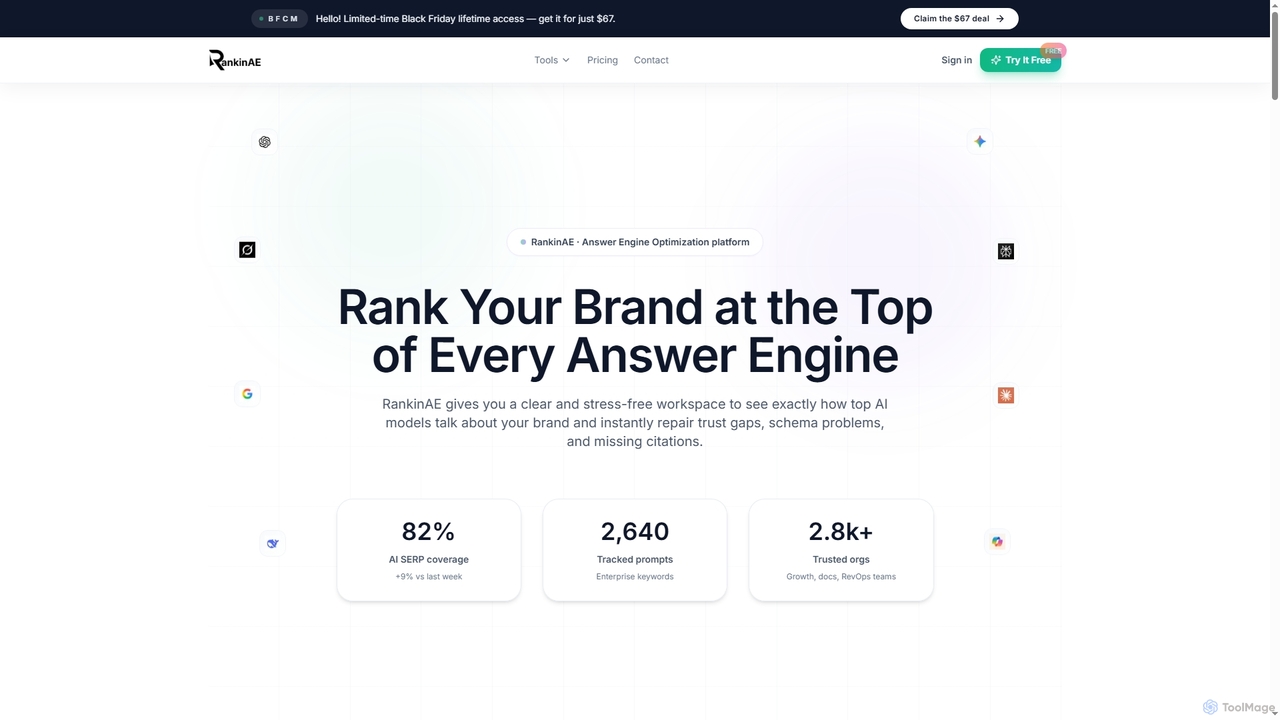
RankinAE is an Answer Engine Optimization (AEO) platform designed to help brands achieve top visibility and accurate representation …

2.5K
Free
Mindd Wave

Mindd Wave

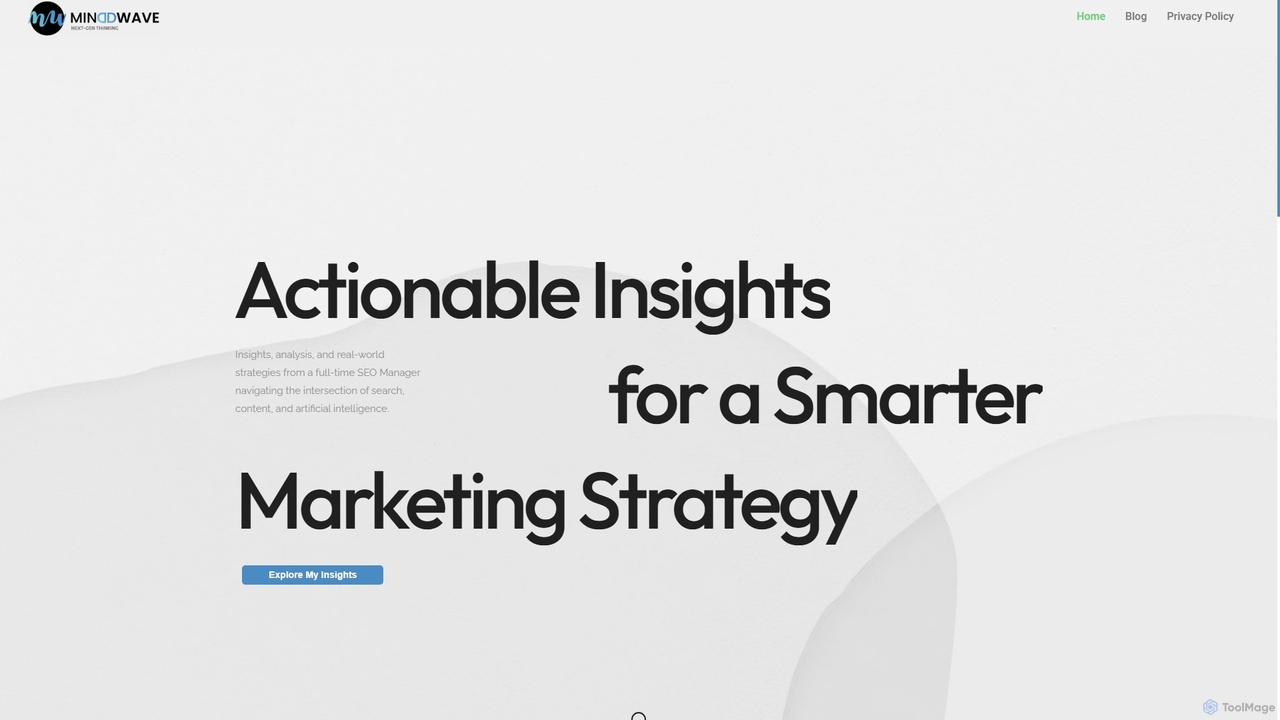
Mindd Wave is a specialized digital marketing blog and insights platform led by SEO Manager Shubham Singh. It …

2.3K
Surfn

Surfn

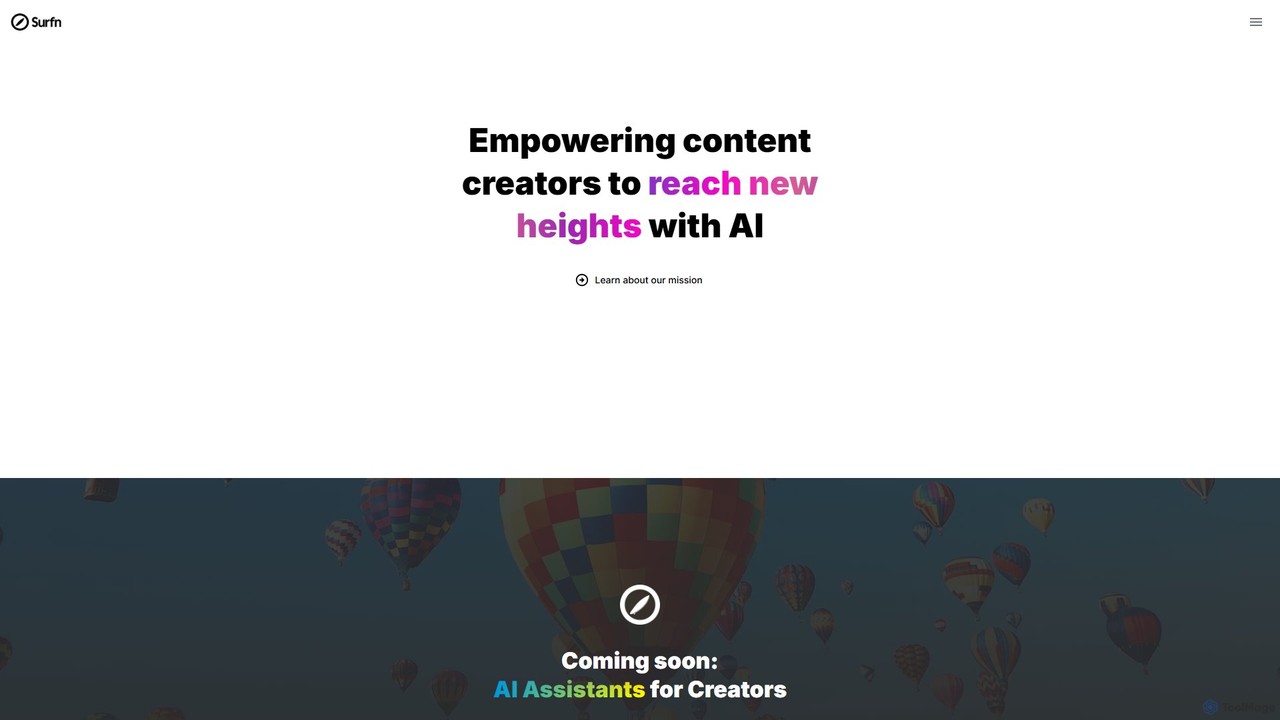
Surfn provides a suite of autonomous AI agents designed for content creators and businesses. These agents automate and …

2.4K

About Strategy

AI Strategy tools for Content Creation are specialized platforms that leverage artificial intelligence to plan, optimize, and manage content initiatives. These tools analyze vast datasets, identify market trends, and understand audience behaviors to guide content decisions. They empower content creators and marketers to develop data-driven strategies, ensuring content is relevant, impactful, and achieves specific business objectives within the broader content creation workflow.

Core Features

  • Content Idea Generation: AI-driven suggestions for trending topics, relevant keywords, and innovative content angles based on market analysis and audience interests.
  • SEO Keyword & Topic Research: Identify high-value keywords, analyze search intent, and uncover content gaps to optimize for search engine visibility.
  • Audience & Persona Analysis: Deep insights into target demographics, psychographics, pain points, and preferences to inform content messaging and format.
  • Content Calendar & Planning: Assist in scheduling content, thematic planning, and optimizing content workflows for efficient production and distribution.
  • Performance Prediction & Optimization: Forecast potential content engagement, reach, and conversion rates, suggesting strategic adjustments for improved outcomes.

Applicable Scenarios

Marketing teams utilize these tools to align content with business goals, content strategists to build comprehensive plans, and SEO specialists to ensure content ranks high. Social media managers leverage them for trend analysis, while brand managers use them to maintain consistent brand voice and messaging across all content. These tools are crucial for any organization aiming for a data-driven approach to content.

How to Choose

When selecting an AI content strategy tool, consider its data sources and analytical depth, ensuring it provides actionable insights. Evaluate its integration capabilities with existing content management systems and marketing platforms. Assess the level of customization for specific brand guidelines and audience segments. Finally, review its ease of use and the clarity of its strategic recommendations to ensure practical implementation.

StrategyUse Cases

1

Developing a Data-Driven Content Calendar

A marketing manager uses AI strategy tools to analyze market trends, competitor content, and audience search queries to identify high-potential topics and keywords. This enables them to plan a quarterly content calendar that aligns with business objectives and maximizes engagement, ensuring every piece of content is strategically placed for impact.

2

Identifying SEO Content Gaps

An SEO specialist leverages AI to audit existing content and competitor websites, pinpointing underserved topics and keywords where their brand can create authoritative content. The tool suggests new content ideas that have high search volume and low competition, directly improving organic search visibility and driving targeted traffic.

3

Crafting Detailed Audience Personas

A brand strategist employs AI to analyze customer data, social media interactions, and demographic information to construct comprehensive audience personas. This includes understanding their interests, pain points, preferred content formats, and consumption channels, allowing for highly targeted and resonant content creation.

4

Optimizing Blog Post Topics for Engagement

An independent blogger uses AI to predict which potential blog topics will generate the highest reader engagement and social shares. By analyzing historical performance data and current trends, the tool helps the blogger select topics that are most likely to resonate with their audience, increasing readership and community interaction.

5

Planning Multi-Channel Content Distribution

A social media manager utilizes AI to determine the optimal platforms and timing for distributing various content assets. The tool analyzes audience activity patterns and content performance across different channels, providing recommendations to maximize reach and engagement for each piece of content, from blog posts to video snippets.

6

Analyzing Competitor Content Strategy

A content strategist uses AI to dissect the content strategies of key competitors. The tool identifies their top-performing content, keyword rankings, and audience engagement patterns. This intelligence helps the strategist uncover competitive advantages and refine their own content approach to outperform rivals in the market.

StrategyFrequently Asked Questions