Content Creation Best in category 7 results Transcription AI Tool

Popular AI tools in the Transcription field of Content Creation include Turbo、tomedes、Waveroom、Podhome、ExpoReader、voicetoblogs、Podverse, etc., helping you quickly improve efficiency.

Turbo

Turbo

Turbo is an advanced AI note-taker and study tool designed to transform various content formats like lectures, PDFs, …

3.4M
Podhome

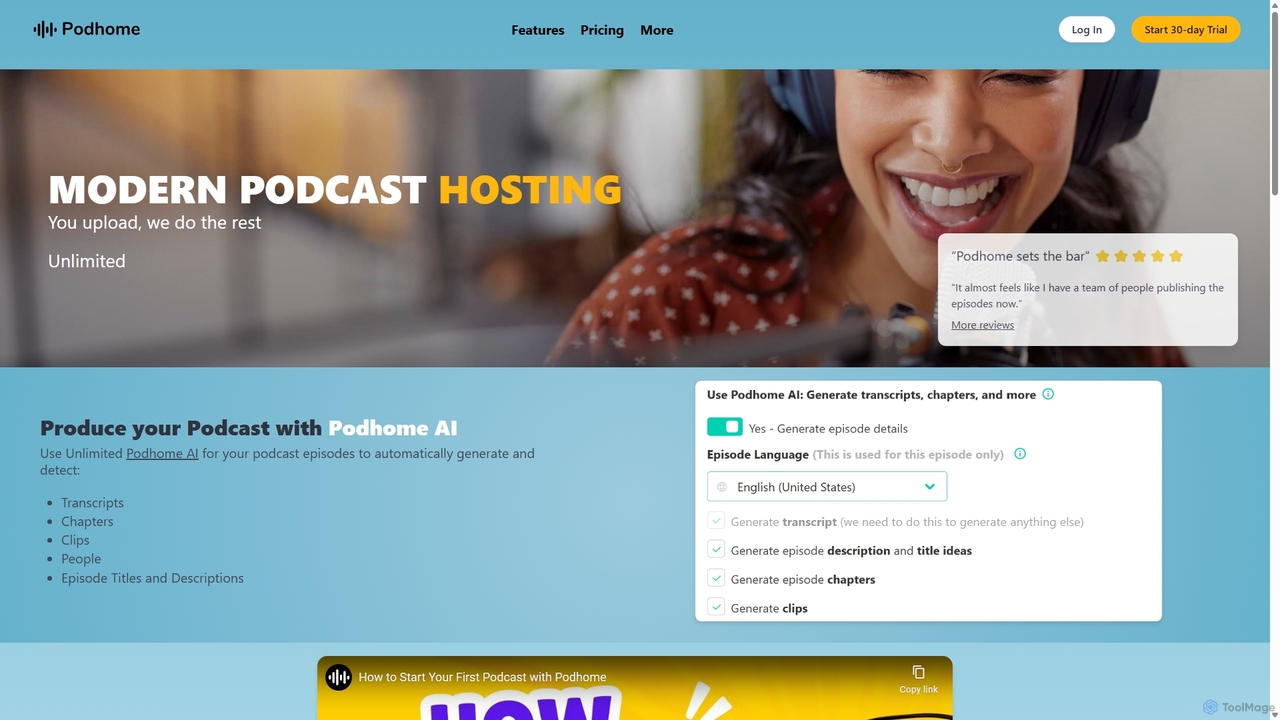
Podhome

Podhome is an all-in-one, AI-powered podcast hosting and distribution platform. It offers unlimited shows, episodes, and downloads for …

6.4K
ExpoReader

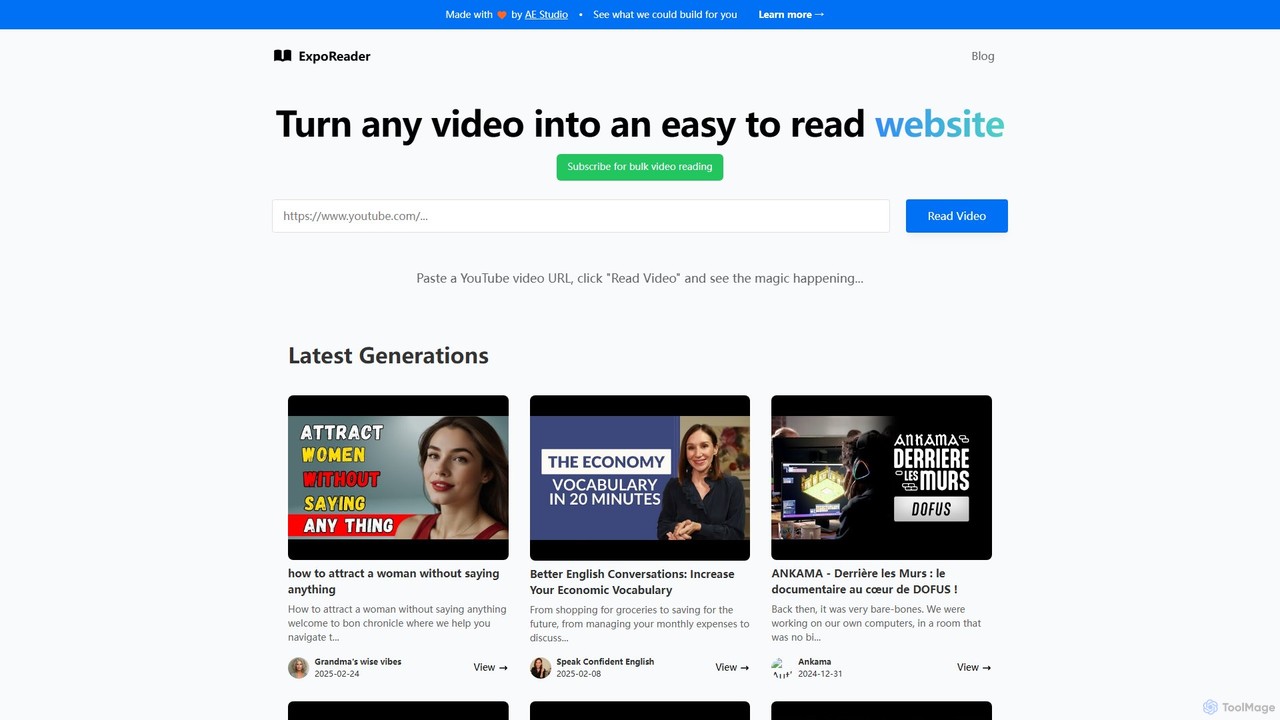
ExpoReader

An AI-powered tool that transforms any YouTube video into a well-structured, easy-to-read article. Simply paste a video URL …

3.0K
voicetoblogs

voicetoblogs

An AI-powered platform that effortlessly transforms your audio and video content into well-structured, SEO-optimized blog posts. Simply upload …

3.0K
Waveroom

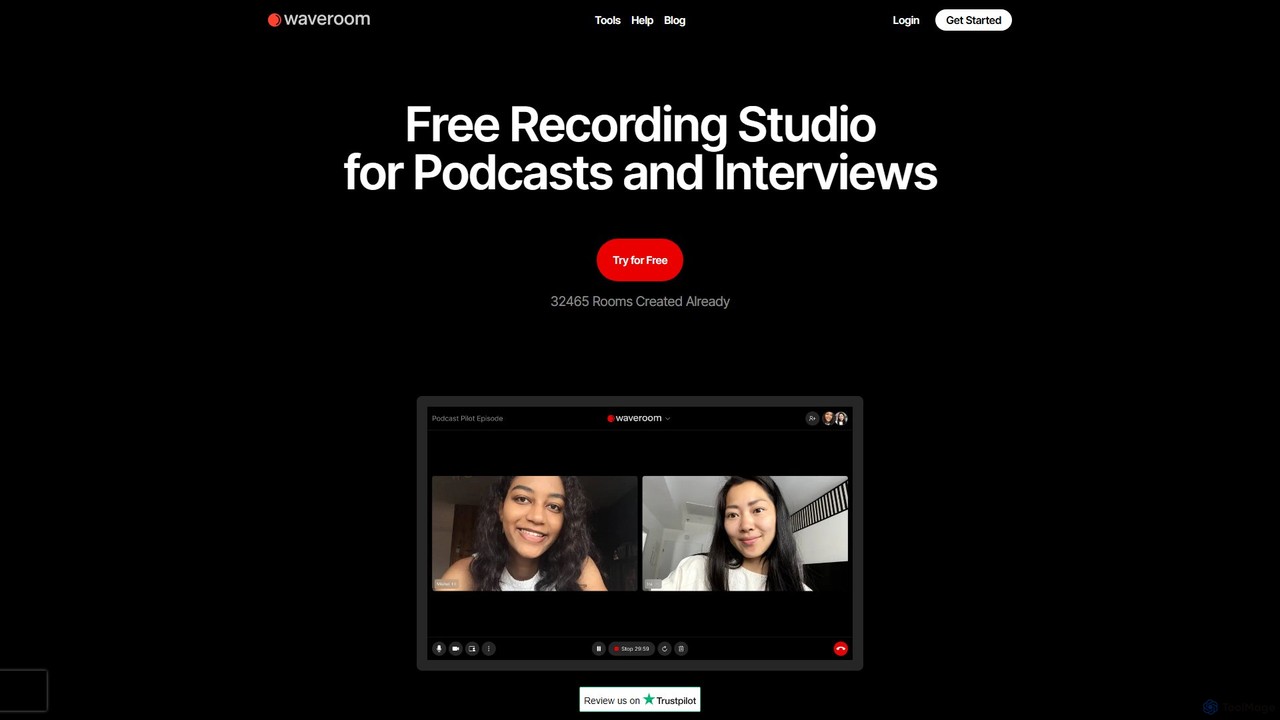
Waveroom

Waveroom is a free, browser-based online recording studio designed for high-quality remote podcasts and video interviews. It uses …

89.7K
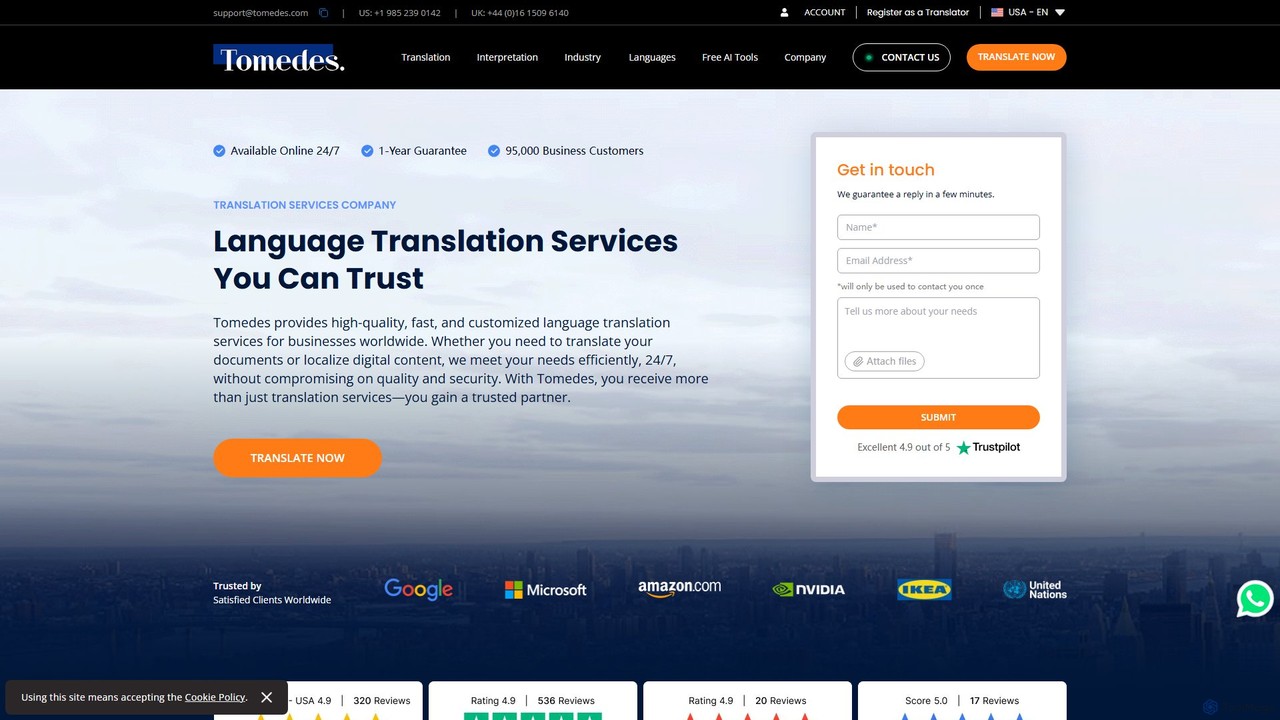
tomedes

tomedes

Tomedes is a global language service provider that combines advanced AI technology with a network of over 20,000 …

188.3K
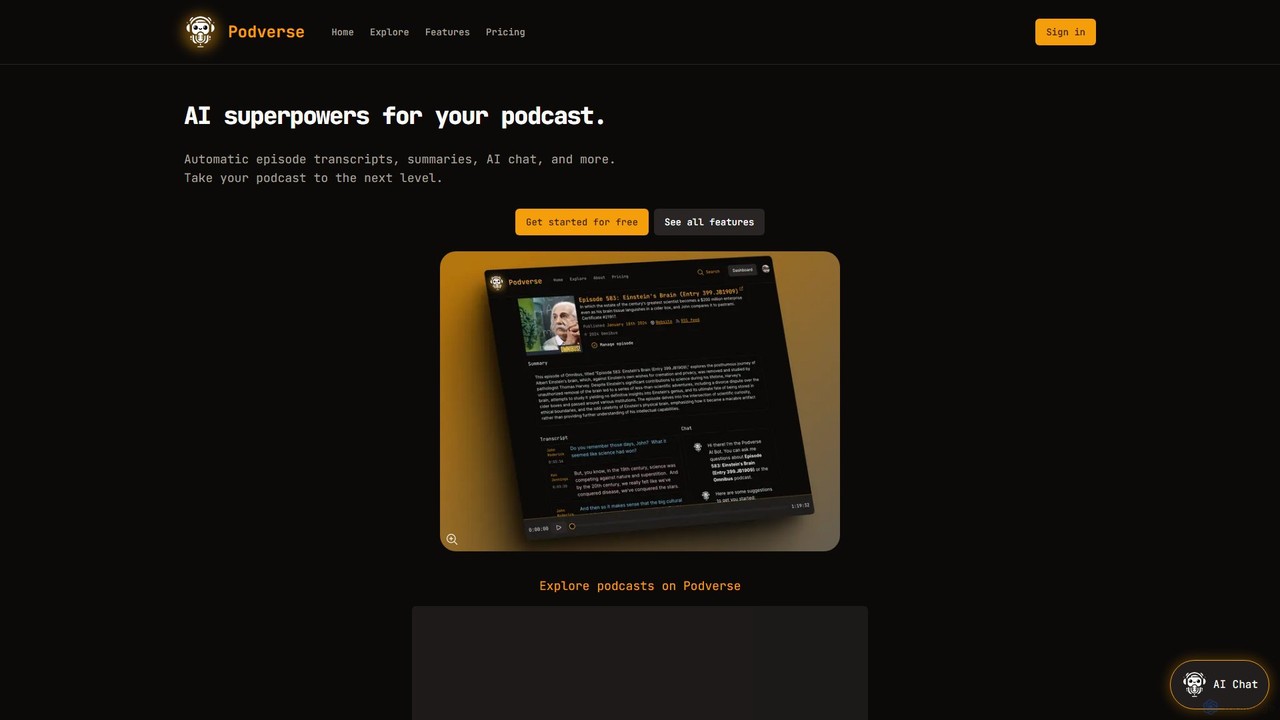
Podverse

Podverse

Podverse equips your podcast with AI superpowers, including automatic transcripts with speaker identification, AI-generated summaries, and an interactive …

3.0K

About Transcription

AI Transcription tools automatically convert spoken language from audio or video files into written text. These tools utilize advanced Automatic Speech Recognition (ASR) and Natural Language Processing (NLP) to achieve high accuracy and speed. They transform interviews, meetings, and podcasts into searchable, editable documents, forming a crucial part of the content creation workflow. Key advantages include significant time savings over manual transcription and advanced features like speaker identification and timestamping.

Core Features

  • Automatic Speech Recognition (ASR): Accurately converts audio and video streams into text, handling various accents and dialects.
  • Speaker Identification (Diarization): Distinguishes between different speakers in a recording and labels their respective dialogue.
  • Timestamping: Aligns specific words or phrases with their exact timing in the original media file for easy reference and editing.
  • Multi-Language Support: Transcribes content in numerous languages and can often detect different languages within the same file.
  • Custom Vocabulary: Allows users to add specific names, jargon, or technical terms to a dictionary to improve recognition accuracy.

Use Cases

AI Transcription tools are widely used by journalists and researchers for analyzing interviews, content creators for producing subtitles and show notes, and businesses for documenting meeting minutes and analyzing customer service calls. In legal and medical fields, they are used for dictation and record-keeping.

How to Choose

When selecting an AI Transcription tool, evaluate its accuracy rate for your specific language and audio quality. Consider essential features like speaker identification and real-time transcription capabilities. Also, assess its integration options with other software, its data security policies, and whether its pricing model (per-minute or subscription) aligns with your usage volume.

TranscriptionUse Cases

1

Transcribing Interviews for Journalism and Research

A journalist or academic researcher conducts hours of interviews and needs an accurate written record for analysis, fact-checking, and quoting sources. Instead of spending days manually typing, they upload the audio files to an AI transcription tool. Within minutes, they receive a full text transcript, complete with speaker labels and timestamps. This allows them to quickly search for key phrases, identify important quotes, and organize their findings, accelerating their research and writing process significantly.

2

Creating Subtitles and Captions for Videos

A video creator wants to make their content more accessible and engaging on social media, where many users watch videos without sound. They upload their finished video to an AI transcription service. The tool generates a time-coded transcript of all spoken dialogue. The creator can then easily review and edit the text for accuracy and export it in a standard subtitle format like SRT or VTT. This file can be directly uploaded to platforms like YouTube or embedded into the video, improving viewer retention and SEO.

3

Generating Actionable Meeting Minutes

A project manager needs to document key decisions and action items from a weekly team meeting. Instead of manually taking notes and risking missing important details, they record the meeting and upload the audio to a transcription tool. The service provides a full transcript with speakers identified. This creates an objective record of the discussion, which can be searched for keywords. Some advanced tools can even automatically summarize the meeting and highlight action items, making it easy to distribute clear, concise minutes and ensure team accountability.

4

Repurposing Podcasts into Blog Posts and Articles

A content marketer or podcaster wants to maximize the reach of their audio content. By transcribing a podcast episode, they instantly create a long-form text document. This transcript can be edited and reformatted into a detailed blog post, complete with headings and images. It can also be broken down into smaller pieces for social media posts, newsletters, or quotes. This strategy not only makes the content accessible to a wider audience (including those who prefer reading) but also significantly improves the content's SEO value by making it indexable by search engines.

5

Analyzing Customer Feedback from Call Center Recordings

A customer experience manager wants to understand common pain points and sentiment from thousands of hours of support call recordings. Manually listening to these calls is impossible. By using an AI transcription API, the company can batch-process all recordings into text. This text data can then be fed into sentiment analysis or topic modeling tools to identify trends, recurring issues, and customer satisfaction levels at scale. This provides actionable insights for improving products, services, and agent training without manual effort.

6

Assisting Legal and Medical Professionals with Dictation

A lawyer needs to draft a complex legal brief, or a doctor needs to document a patient encounter. They use a dictation app connected to an AI transcription service. As they speak, their words are converted into text in real-time or from an uploaded recording. These tools often support custom vocabularies for specialized legal or medical terminology, ensuring high accuracy. This process significantly speeds up documentation, reduces the reliance on manual typists, and allows professionals to create detailed, accurate records more efficiently.

TranscriptionFrequently Asked Questions