ToolMage
Sign in

Best 11 Voice Generation AI tools for Content Creation

Popular Voice Generation AI tools in Content Creation include Voicemaker, Crikk, AIDubbing, TTSForge, Narration Box, F5-TTS, TTSLabs, TrumpAiVoice, TranscripcionPlus, and VoiceDesignAI, helping you work more efficiently.

TTSForge
Freemium

TTSForge

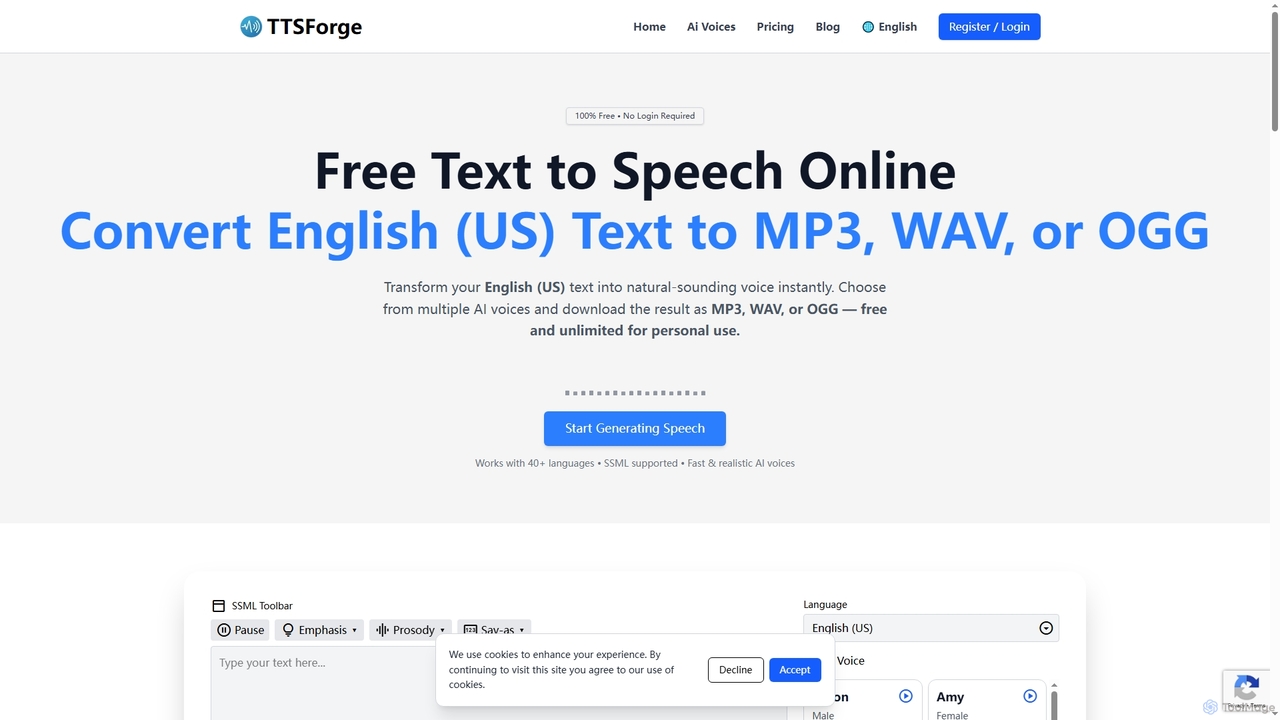
TTSForge is a free online text-to-speech platform that converts written text into natural-sounding audio using advanced AI voices. It supports over 40 languages and allows users to download audio in MP3, WAV, or OGG formats for various personal and commercial projects.

Text To Speech
Visits 51.3KFavorites 142Likes 143
TrumpAiVoice
Paid

TrumpAiVoice

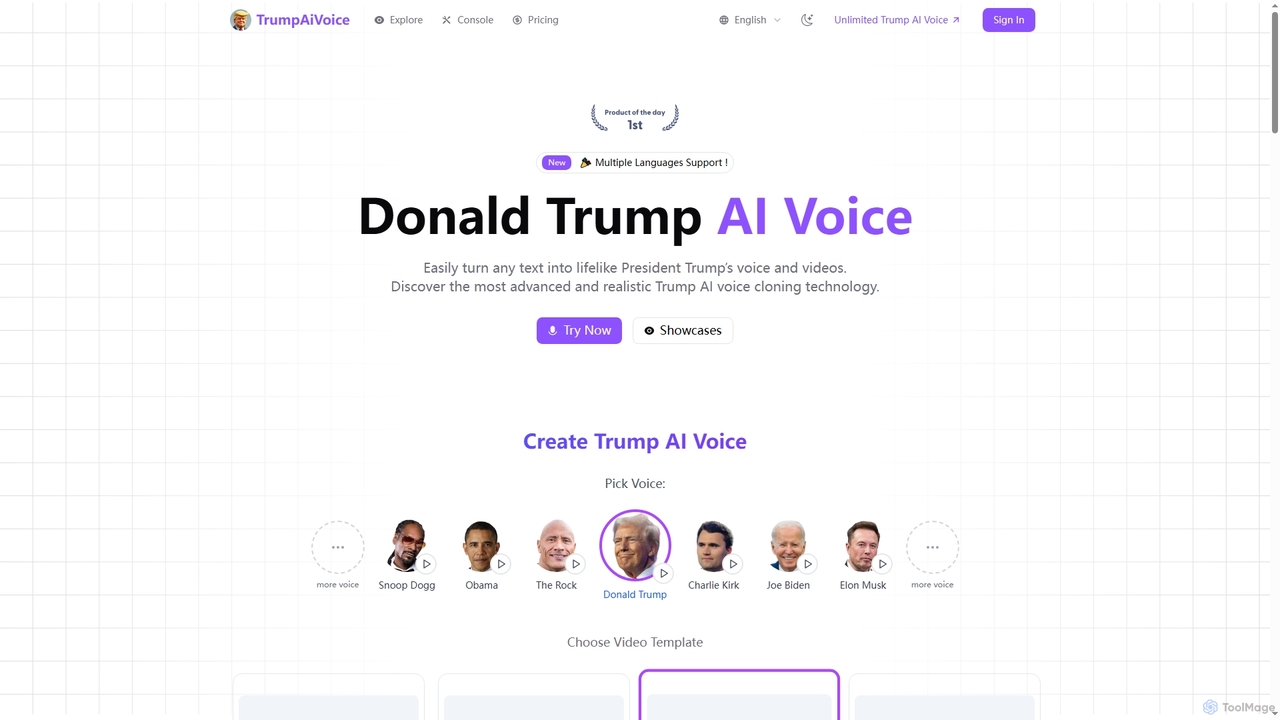
TrumpAiVoice is an advanced AI voice generator that transforms text into lifelike audio and video featuring Donald Trump and a diverse collection of other celebrity voices. It offers realistic voice cloning and synchronized video generation for various content creation needs.

Voice Generation
Visits 12.7KFavorites 94Likes 106
AIDubbing
Free

AIDubbing

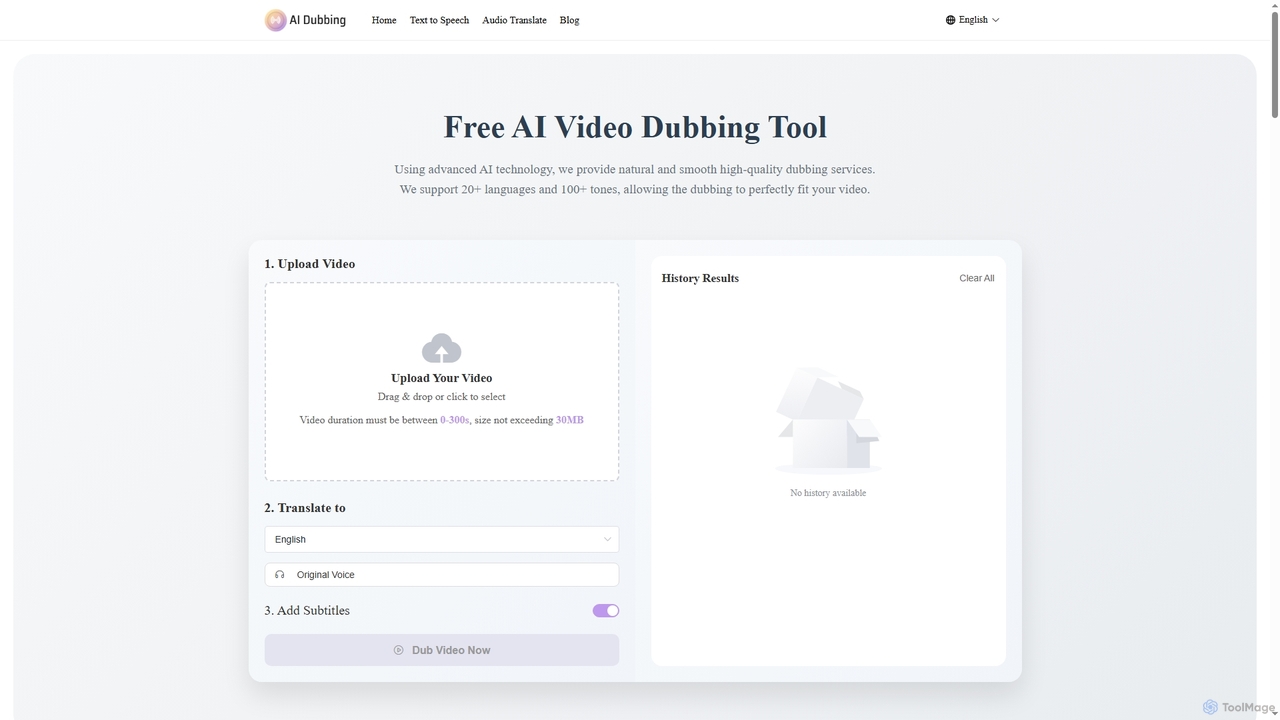
AIDubbing is a free online AI tool for high-quality video dubbing, text-to-speech, and audio translation. It supports over 20 languages and 100+ tones, offering features like emotional expression, parameter adjustment, and voice cloning to create natural and smooth voiceovers without requiring sign-up.

3D
Visits 257.2KFavorites 101Likes 102
Narration Box
Freemium

Narration Box

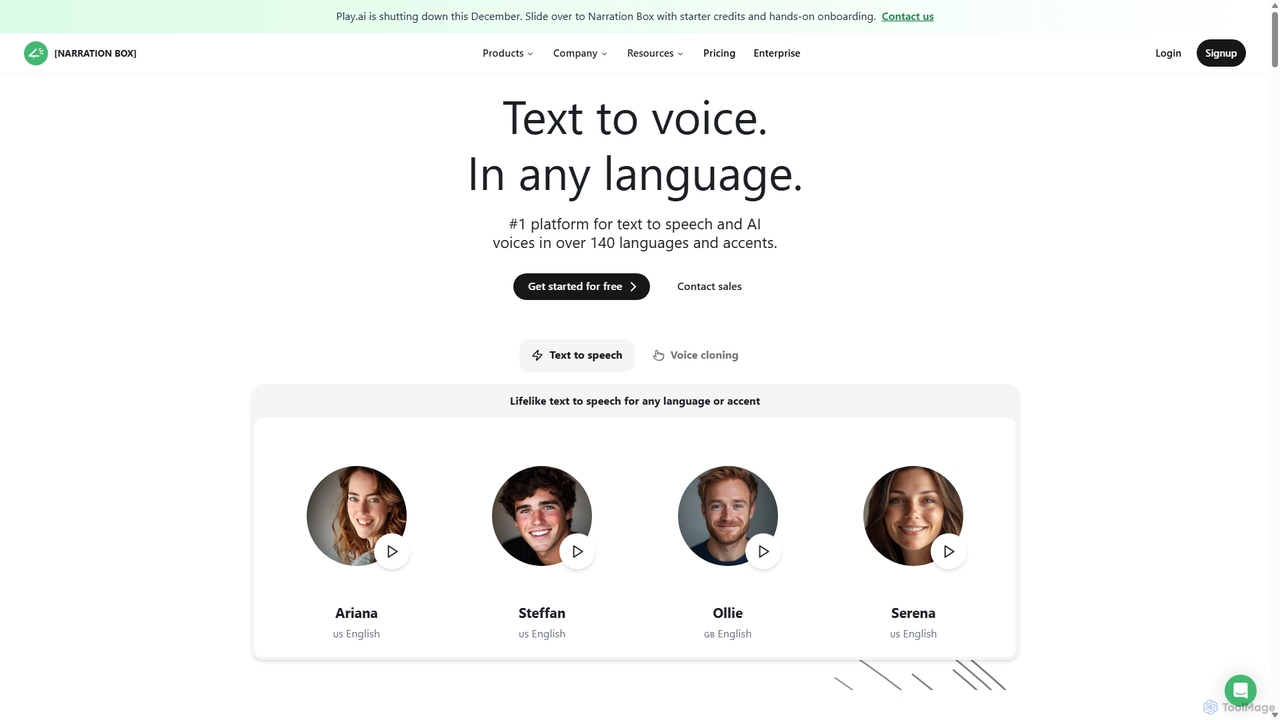
Narration Box is an advanced AI voice generator and text-to-speech platform offering over 700+ ultra-realistic voices in more than 80 languages and 140 accents. It features instant voice cloning, an intuitive studio editor, and emotional fine-tuning, making it ideal for creating professional-grade audio for audiobooks, podcasts, e-learning, and marketing content.

Text To Speech
Visits 48.2KFavorites 131Likes 117
F5-TTS
Freemium

F5-TTS

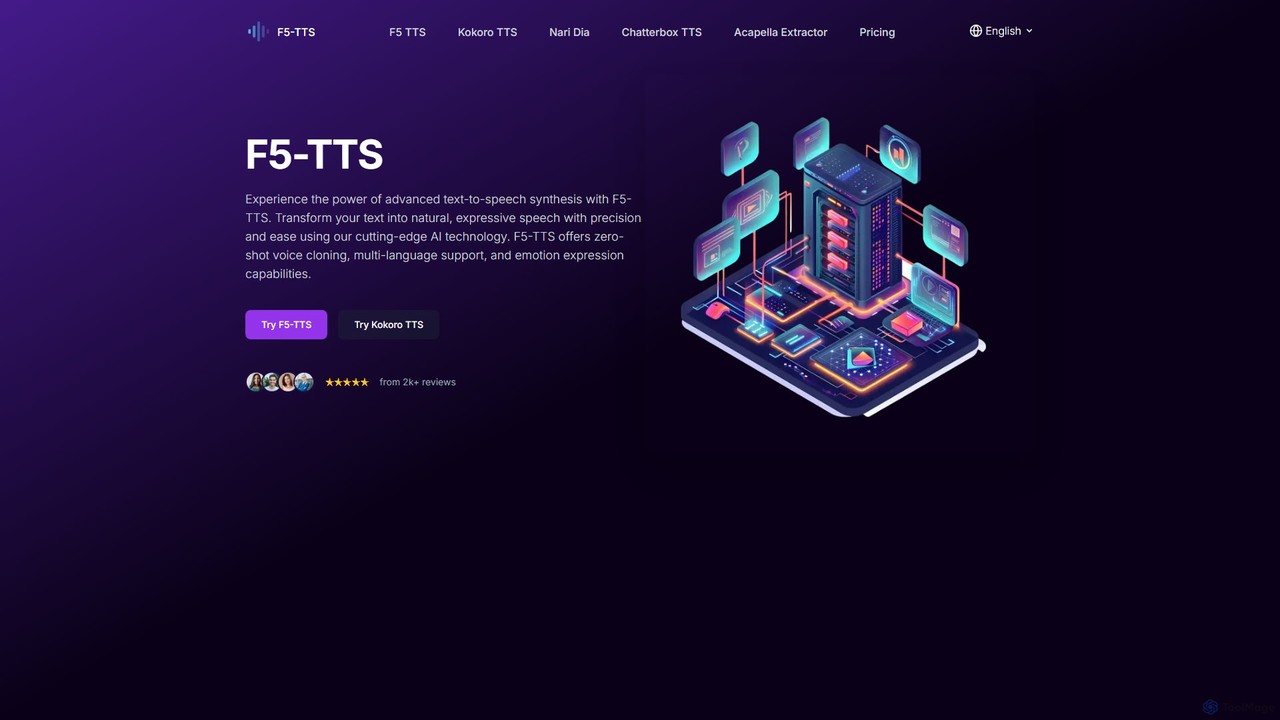
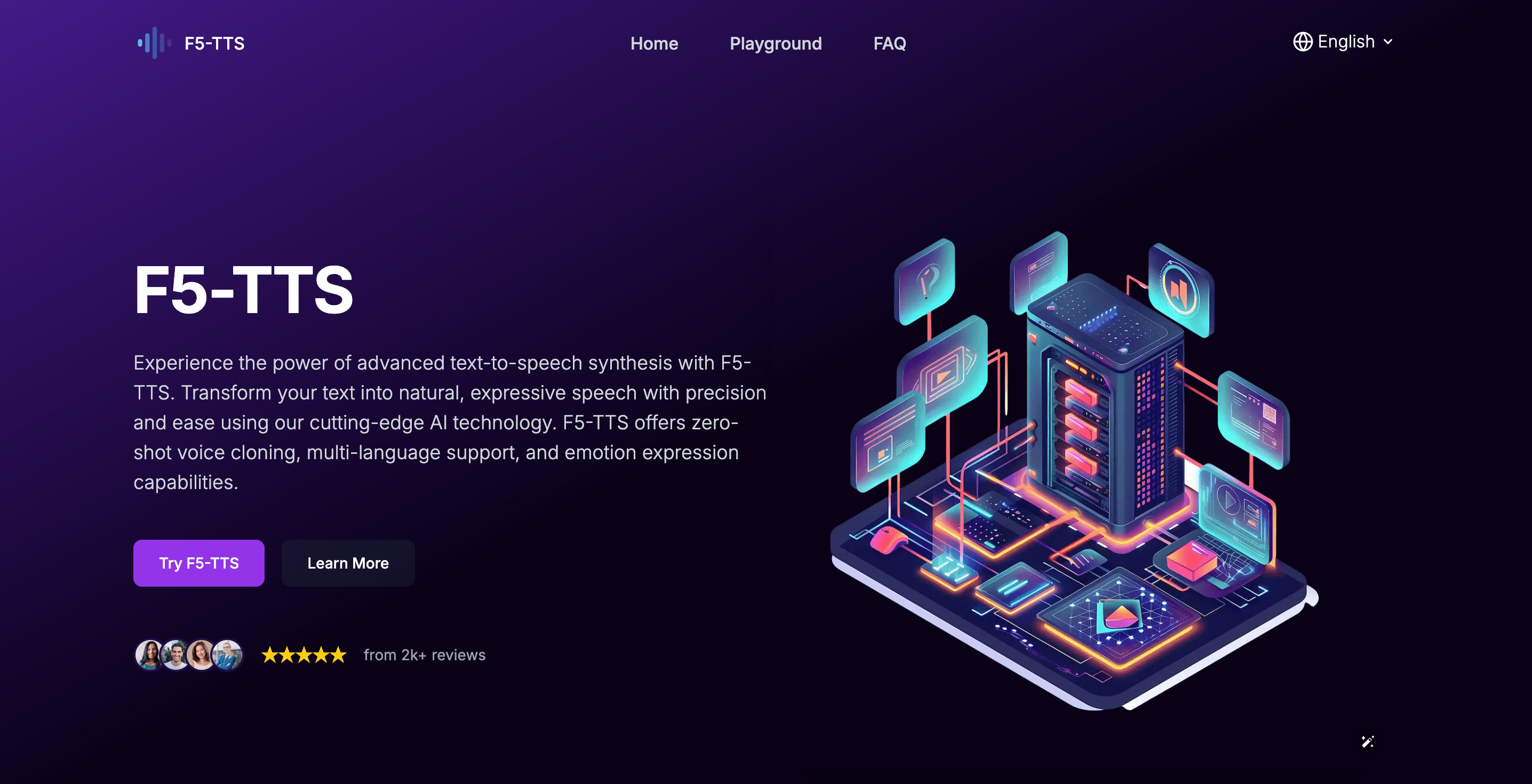
F5-TTS is an advanced AI text-to-speech (TTS) tool that offers free online voice generation. It specializes in zero-shot voice cloning, allowing users to create natural, expressive speech in multiple languages by simply uploading an audio sample. Key features include emotion and speed control, high-quality audio output, and real-time processing, making it ideal for content creators, developers, and marketers.

Text To Speech
Visits 38.7KFavorites 117Likes 125
AudiowaveAI
Freemium

AudiowaveAI

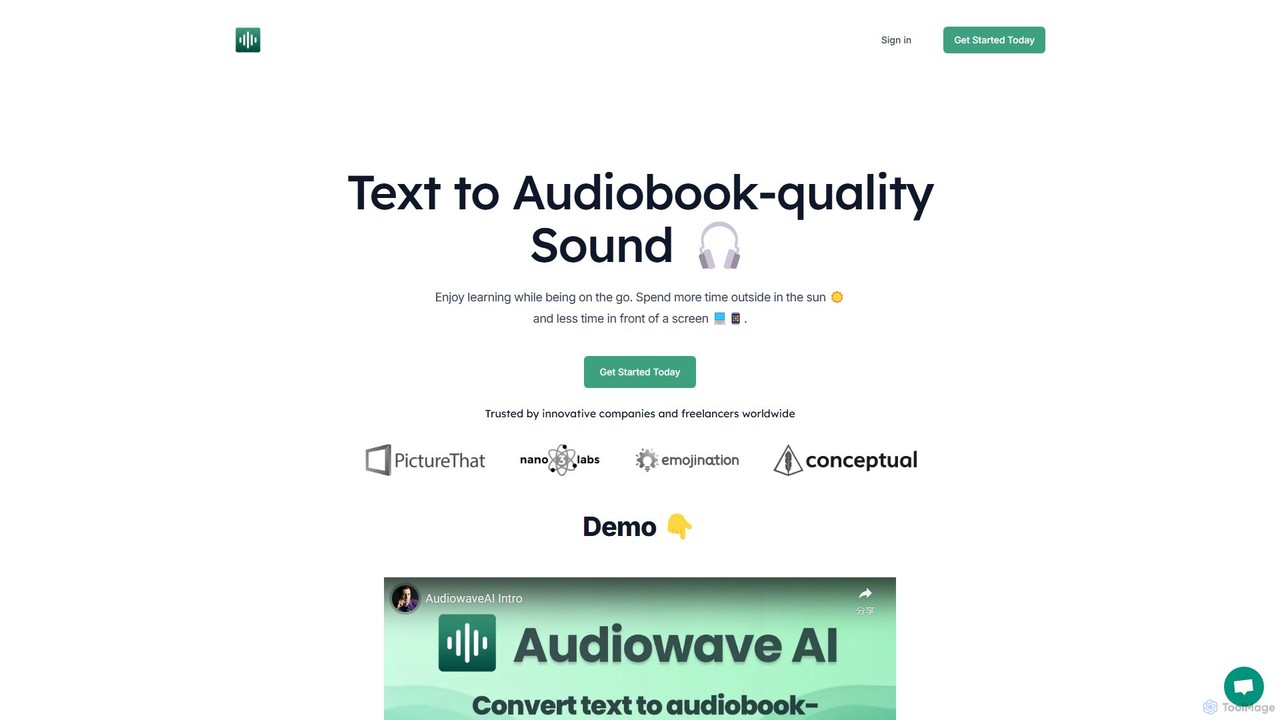
AudiowaveAI is an advanced AI-powered text-to-speech tool that converts any written content, such as articles, PDFs, or e-books, into natural, audiobook-quality audio. It's designed for learners, professionals, and anyone who prefers listening to reading. With a focus on engaging, human-like voices, it helps users consume content on the go, turning their reading list into a personal podcast.

Text To Speech
Visits 5.9KFavorites 119Likes 124
TranscripcionPlus
Paid

TranscripcionPlus

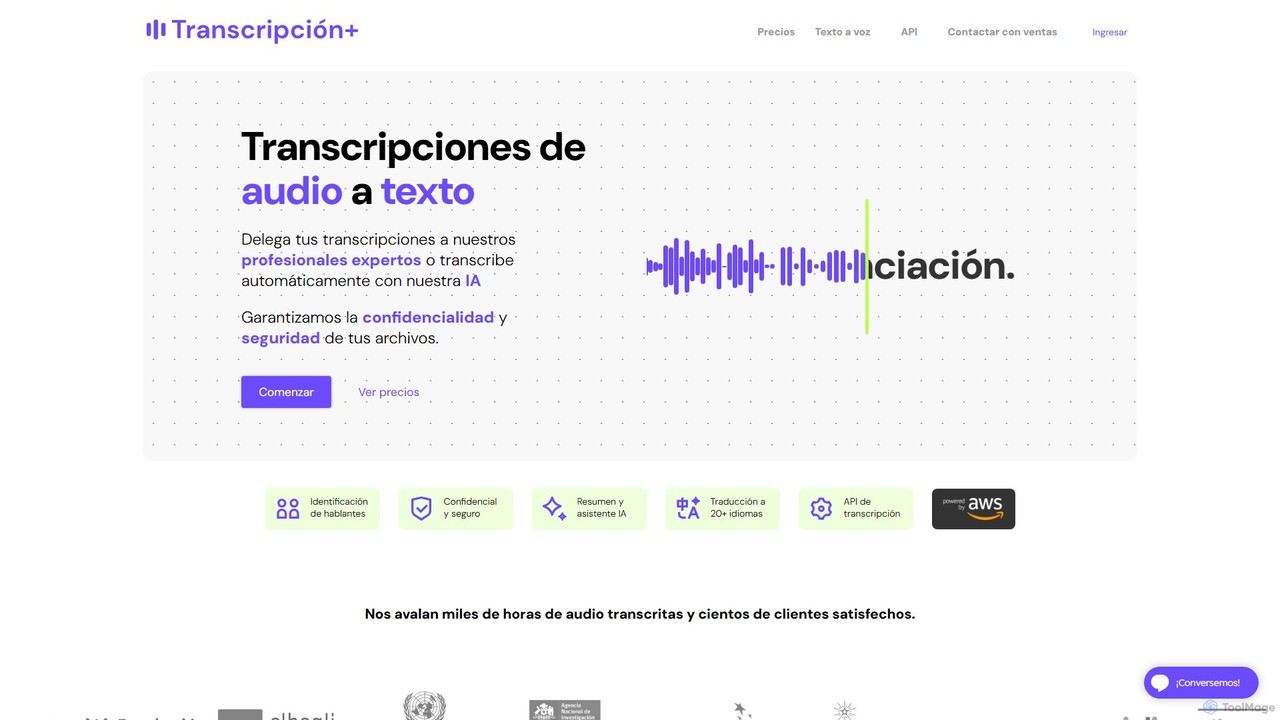
A professional service combining advanced technology and human expertise for high-accuracy audio-to-text transcription and text-to-voice solutions. Ideal for academics, researchers, and businesses, it guarantees precision, reliability, and contextual understanding for interviews, meetings, and media content.

Speech To Text
Visits 6KFavorites 123Likes 123
TTSLabs
Freemium

TTSLabs

TTSLabs is a specialized AI text-to-speech service designed for Twitch streamers. It enhances live streams by enabling custom AI voices for donation alerts, bits, and channel point redemptions. With over 125 voices, sound clip integration, and advanced moderation tools, it boosts viewer engagement and interaction.

Engagement
Visits 15KFavorites 131Likes 120
Crikk
Freemium

Crikk

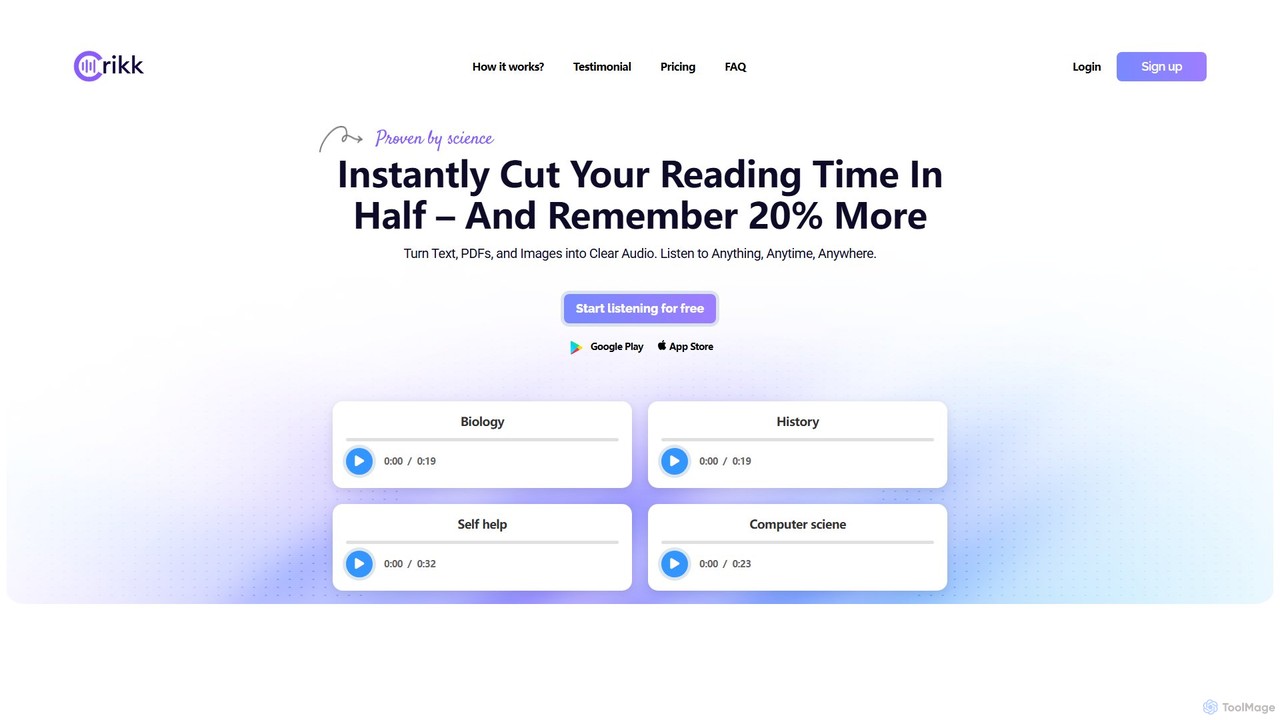
Crikk is an AI-powered text-to-speech tool that converts documents, PDFs, and even images into natural-sounding audio. It's designed to enhance learning, boost productivity, and create professional voiceovers. With features like synchronized text highlighting, adjustable playback speed, and support for over 90 languages, Crikk makes it easy to listen to any content, anytime, anywhere, on web, Android, and iOS devices.

Voice Generation
Visits 339.3KFavorites 119Likes 121
VoiceDesignAI
Freemium

VoiceDesignAI

VoiceDesignAI is a free, cutting-edge text-to-speech (TTS) and voice converter powered by advanced AI models like Deepseek, Hailuo, and Grok. It transforms text into natural, expressive, and high-quality audio. The platform supports voice cloning, multi-language synthesis, and real-time processing, making it ideal for content creators, developers, and businesses seeking to enhance their projects with lifelike voiceovers.

Text To Speech
Visits 5.9KFavorites 92Likes 105
Voicemaker
Freemium

Voicemaker

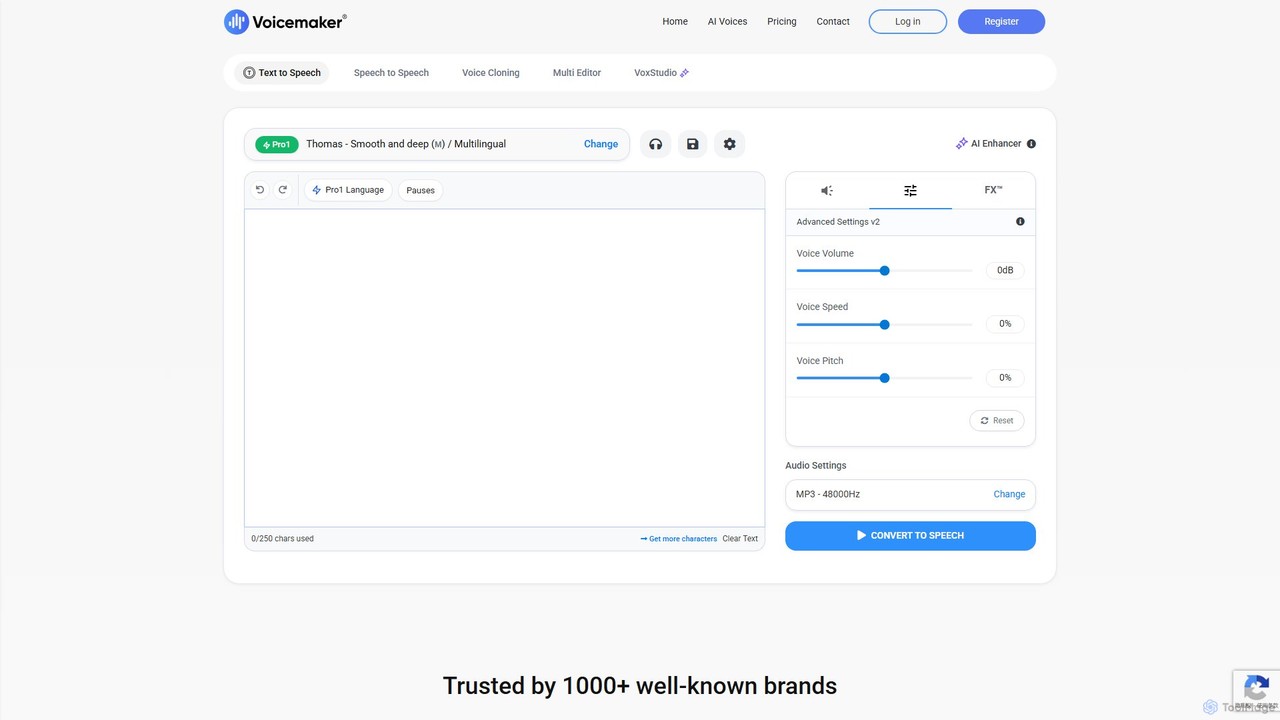
Voicemaker is a powerful AI text-to-speech converter that transforms text into natural-sounding audio. It offers over 1000 voices in 140+ languages, advanced features like voice cloning, SSML support, and a rich voice effects library (VoxFX™). Ideal for content creators, developers, and businesses, it provides a versatile platform for creating high-quality voiceovers for videos, podcasts, e-learning, and more.

Text To Speech
Visits 736.8KFavorites 129Likes 132

About Voice Generation

Voice Generation tools are a class of AI software that convert written text into natural-sounding human speech. Leveraging deep learning models, these tools can synthesize speech with various emotions, accents, and styles, and even clone existing voices from audio samples. They are widely used in content creation for producing voiceovers for videos, podcasts, audiobooks, and accessibility features. This technology provides a scalable and cost-effective alternative to hiring human voice actors, enabling creators to produce consistent audio content quickly.

Core Features

  • Text-to-Speech (TTS): Converts any written text into high-quality, natural-sounding audio output.
  • Voice Cloning: Replicates a specific person's voice from a short audio sample to create a unique voice model.
  • Multi-Language & Accent Support: Generates speech in numerous languages and regional accents for a global audience.
  • Emotional & Stylistic Control: Allows users to adjust the tone, pitch, speed, and emotion of the generated voice for expressive delivery.
  • Speech-to-Speech (STS): Transforms the characteristics of one voice into another while preserving the original intonation and emotion.

Use Cases

This technology is ideal for video creators needing consistent narration, podcast producers developing character voices, and authors converting books into audiobooks. Businesses also use it for professional Interactive Voice Response (IVR) systems and corporate training materials, while developers integrate it for accessibility features on websites and apps.

How to Choose

When selecting a Voice Generation tool, evaluate the naturalness and quality of the synthesized voices. Consider the range of available languages, accents, and customization options like pitch and speed control. If you need voice cloning, assess its accuracy and data requirements. Finally, review the pricing model (e.g., per character, subscription) and usage rights for commercial projects.

Featured tool rankings

Voice Generation use cases

1

Creating Voiceovers for YouTube Videos

A video content creator needs consistent, clear narration for educational or explainer videos but lacks a professional microphone setup or voice acting skills. By using a voice generation tool, they can paste their script, select a preferred voice style like 'friendly' or 'professional', and adjust the pacing. The tool generates a high-quality, error-free voiceover file in minutes. This process saves hours of recording and editing, ensures consistent audio quality across all videos, and allows for quick updates to the script without re-recording.

2

Producing Audiobooks and E-Learning Content

An author or instructional designer wants to convert a long-form text, like a book or training manual, into an engaging audio format. Hiring voice actors for an entire book can be prohibitively expensive. With a voice generation tool, they can upload the manuscript, assign different AI voices to various characters or sections, and use advanced controls to add pauses and emphasis. This results in a full-length audiobook or e-learning module created at a fraction of the cost, making the content more accessible to a wider audience, including those with visual impairments.

3

Developing Interactive Voice Response (IVR) Systems

A business needs to set up a professional phone system for its call center to guide callers through menus. Recording voice prompts with a human actor is time-consuming and inflexible; any change requires a new recording session. A telecom developer can use a voice generation API to create these prompts. They type the required text, select a clear and professional brand voice, and integrate the generated audio files into the IVR system. This allows for instant updates to phone menus and ensures a consistent, high-quality voice for the company's automated customer service.

4

Generating Podcast Narration and Character Voices

A podcast producer is creating a narrative-driven show or audio drama that requires multiple distinct character voices but has a limited budget for actors. Instead of trying to perform all voices themselves or coordinating with multiple actors, they use a voice generation tool. They can assign a unique AI voice to each character, adjusting age, gender, and accent. For narration, they can even clone their own voice for consistency. This enriches the podcast with a diverse cast, improving the listening experience and production value without the high cost and logistical complexity of hiring a full cast.

5

Creating Personalized Voice Clones for Branding

An influencer or brand manager wants to scale their content production using their own unique voice, but doesn't have time to record every piece of audio for social media updates or short ads. Using a voice cloning feature, they provide a few minutes of their speech to the tool to create a high-fidelity digital replica. From then on, they can simply type any new text to generate audio that sounds exactly like them. This maintains a personal and authentic connection with their audience across all audio content, while automating the production process and saving significant time.

6

Adding Accessibility Features to Digital Content

A web developer or digital publisher needs to make their articles and websites accessible to users with visual impairments or reading disabilities, in line with accessibility standards like WCAG. Manually recording an audio version for every article is not feasible. By integrating a voice generation tool via an API, they can add a 'Listen to this article' feature. This function automatically converts the on-page text to natural-sounding speech when a user clicks a button. This not only enhances website accessibility and user experience but also reaches a broader audience by providing alternative content formats.

Voice Generation FAQ

What is AI Voice Generation?

AI Voice Generation, also known as Text-to-Speech (TTS), is technology that uses artificial intelligence to convert written text into audible, human-like speech. Unlike older, robotic-sounding systems, modern AI voice generators use deep learning to capture nuances like tone, emotion, and cadence. Key features often include a wide selection of voices, multi-language support, and the ability to customize pitch and speed. They are primarily used for creating voiceovers, audiobooks, accessibility features, and automated voice systems.

How do I choose the right AI Voice Generation tool?

To choose the right tool, evaluate these key factors:

  • Voice Quality: Listen to samples to assess how natural and free of robotic artifacts the voices sound. The best tools offer highly realistic and expressive speech.
  • Customization Options: Check for controls over speed, pitch, pauses, and emotional tone. Support for SSML (Speech Synthesis Markup Language) is a plus for advanced control.
  • Voice Library & Languages: Ensure the tool offers a diverse range of voices, accents, and the specific languages required for your project.
  • Voice Cloning Feature: If you need to replicate a specific voice, check the quality, accuracy, and data requirements (how much audio is needed) of the cloning feature.
  • Pricing and Usage Rights: Understand the licensing terms. Confirm if you can use the audio for commercial purposes and compare pricing models (e.g., subscription vs. per-character).
What's the difference between AI Voice Generation and traditional Text-to-Speech (TTS)?

The main difference is the underlying technology and the quality of the output. Traditional TTS often uses a concatenative method, piecing together pre-recorded sound fragments. This results in a robotic, monotonous sound with unnatural pacing. AI Voice Generation, however, uses neural networks and deep learning to generate speech from scratch. This allows it to produce audio that is far more natural, expressive, and human-like, capable of conveying complex emotions and intonations that traditional TTS cannot replicate.

What are the main features of AI Voice Generation tools?

Most AI Voice Generation tools offer a core set of powerful features:

  • High-Fidelity Text-to-Speech: The primary function of converting text into natural-sounding audio with a wide variety of voice options.
  • Voice Cloning: The ability to create a digital replica of a specific voice from a small audio sample, allowing for personalized and consistent narration.
  • Style & Emotion Control: Tools to adjust the output to sound happy, sad, or angry, or to fit a specific style like 'newscaster' or 'conversational'.
  • Multi-Language and Accent Support: The capacity to generate speech in dozens of languages and regional accents, catering to a global audience.
  • API Access: This allows developers to integrate voice generation capabilities directly into their own applications, such as websites, apps, or IVR systems.
Who should use AI Voice Generation tools?

AI Voice Generation tools are valuable for a wide range of users and professionals:

  • Content Creators: For producing voiceovers for YouTube videos, podcasts, and social media content quickly and affordably.
  • Authors and Educators: For creating audiobooks and e-learning materials to make their content more accessible and engaging.
  • Businesses: For developing professional IVR phone systems, in-app narration, and corporate training videos with a consistent brand voice.
  • Developers: For integrating real-time voice features into applications, accessibility tools, and smart devices via APIs.
  • Marketers: For creating audio ads and voiceovers for promotional videos, allowing for rapid iteration and A/B testing of scripts.