
ToolMage
Sign in

Best 1 Modeling & Fashion AI tools for Creative Tools

Popular Modeling & Fashion AI tools in Creative Tools include Attractiveness Test, helping you work more efficiently.

Attractiveness Test
Free

Attractiveness Test

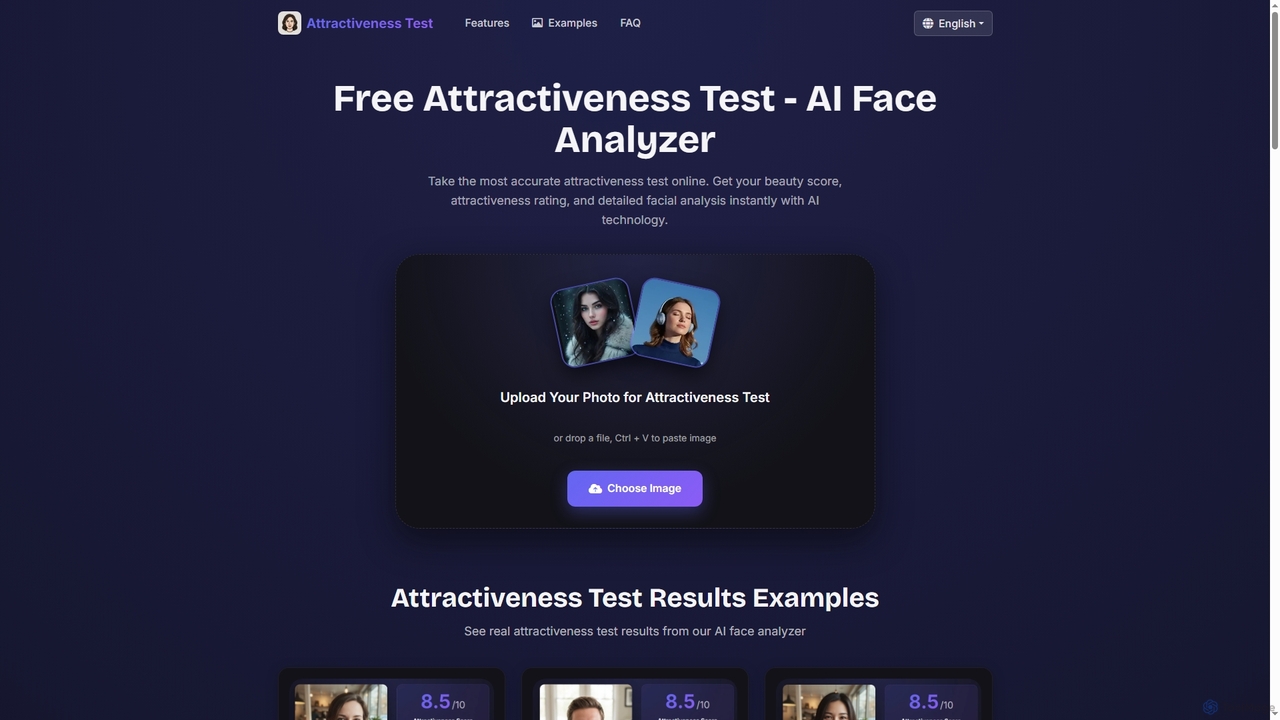
Attractiveness Test is a free online AI face analyzer that provides an instant beauty score, attractiveness rating, and detailed facial analysis. Utilizing advanced AI technology, it evaluates facial features, symmetry, and proportions to offer personalized insights for self-discovery, dating profiles, social media optimization, and professional modeling purposes.

3D
Visits 5.6KFavorites 127Likes 148

About Modeling & Fashion

AI Modeling & Fashion tools are a specialized category of creative AI that generates realistic human models and simulates clothing for virtual try-ons and design visualization. These tools leverage advanced generative adversarial networks (GANs) and diffusion models to create diverse digital avatars and accurately drape fabrics on them. They empower fashion brands, e-commerce platforms, and designers to create compelling marketing campaigns, reduce product return rates, and accelerate the design-to-market process without physical photoshoots.

Core Features

  • AI Model Generation: Creates photorealistic, diverse, and customizable virtual models for advertising and product showcases.
  • Virtual Try-On (VTO): Allows customers to see how clothing items fit on their body shape or a selected model online.
  • Garment Simulation: Digitally visualizes fabric drape, texture, and movement on a 3D avatar for design prototyping.
  • AI Trend Forecasting: Analyzes social media, runway shows, and sales data to predict upcoming fashion trends.
  • Automated Photoshoot Creation: Generates complete product-on-model imagery for e-commerce listings from a single garment photo.

Use Cases

These tools are primarily used in the fashion, retail, and e-commerce industries. Fashion designers use them for rapid prototyping and collection visualization. E-commerce marketers create diverse and inclusive campaigns at a fraction of the cost of traditional photoshoots. Retail platforms integrate virtual try-on to enhance the online shopping experience and boost conversion rates.

How to Choose

When selecting an AI Modeling & Fashion tool, consider the realism and quality of the generated models and garment simulations. Evaluate its integration capabilities with your existing e-commerce platform (e.g., Shopify, Magento). Assess the level of customization available for models and clothing. Finally, check the processing speed and scalability, especially for high-volume retail applications.

Modeling & Fashion use cases

1

Enhance E-commerce with Virtual Try-On

An online fashion retailer aims to reduce high return rates caused by sizing issues. By integrating an AI-powered Virtual Try-On (VTO) tool into their product pages, they allow customers to upload a photo or enter body measurements to create a personal avatar. Customers can then see a realistic simulation of how different garments will fit and drape on their specific body shape. This not only improves the shopping experience and increases customer confidence but also directly leads to a significant reduction in returns and associated logistical costs.

2

Create Diverse AI Model Marketing Campaigns

A fashion brand wants to launch a global campaign showcasing diversity without the high cost and logistical complexity of hiring multiple models and arranging photoshoots in various locations. Using an AI model generator, the marketing team can create a wide range of photorealistic models with different ethnicities, ages, and body types. They can then place these AI-generated models in various virtual backgrounds, wearing the brand's new collection. This approach drastically cuts campaign costs, shortens production timelines, and allows for hyper-targeted, inclusive advertising.

3

Accelerate Fashion Design Prototyping

A fashion designer has a new concept for a dress but needs to visualize how the fabric will drape and move before creating a physical sample. Instead of traditional sketching and costly physical prototyping, the designer uses an AI garment simulation tool. They upload their 2D pattern and select a digital fabric with specific properties (e.g., silk, denim). The AI tool instantly generates a 3D model of the dress on an avatar, providing a realistic preview of the final product. This allows for rapid iteration, reduces material waste, and shortens the design cycle from weeks to hours.

4

Generate Data-Driven Trend Forecasts

A product development team at a fast-fashion company needs to decide on key styles for the upcoming season. Instead of relying solely on intuition and past sales, they use an AI trend forecasting tool. The platform analyzes millions of data points from social media, fashion blogs, runway shows, and e-commerce sites to identify emerging patterns, colors, and silhouettes. The tool provides a report highlighting that 'utility vests' and 'lime green' are projected to be major trends. Based on this data, the team confidently invests in these styles, increasing their chances of commercial success.

5

Automate Product Photography for Online Stores

An e-commerce startup with a limited budget needs high-quality, consistent on-model photos for hundreds of new apparel items. Traditional photoshoots are too expensive and time-consuming. They use an AI tool that takes a single flat-lay photo of a garment and automatically generates a variety of on-model images. The startup can choose from a library of AI models, poses, and backgrounds to create a professional and cohesive look for their entire product catalog. This process reduces photography costs by over 90% and allows them to list new products online within hours instead of weeks.

6

Deliver Personalized Styling Recommendations

A personal styling subscription service wants to improve the accuracy of its recommendations and scale its operations. They implement an AI styling engine that analyzes a customer's profile, including style preferences, past purchases, and body measurements. The AI then scans the service's inventory and generates personalized outfit recommendations, complete with visualizations on an avatar that resembles the customer. This automates the work of human stylists, allowing the service to handle more clients while providing more relevant and visually appealing suggestions, leading to higher customer satisfaction and retention.

Modeling & Fashion FAQ

What are AI Modeling & Fashion tools?

AI Modeling & Fashion tools are software applications that use artificial intelligence to create, visualize, and analyze fashion items and human models. Their core functions include generating photorealistic virtual models, simulating how clothes fit and drape on a body (virtual try-on), and predicting upcoming fashion trends by analyzing vast amounts of data. Unlike general creative tools, they are specifically designed for the fashion industry's workflow, helping brands reduce costs on photoshoots, accelerate design processes, and enhance the online shopping experience for customers.

How do I choose the right AI fashion tool for my business?

Choosing the right tool depends on your specific needs. Consider the following factors:

  • Primary Use Case: Do you need model generation for marketing, virtual try-on for e-commerce, or 3D simulation for design? Select a tool that specializes in your primary requirement.
  • Realism and Quality: Evaluate the quality of the output. For model generation, look for photorealism. For VTO, assess the accuracy of the fit simulation.
  • Integration: If you run an e-commerce store, ensure the tool can integrate smoothly with your platform (e.g., Shopify, WooCommerce).
  • Customization: Check the level of control you have over models (ethnicity, body type, poses) and garment properties (fabric type, texture).
  • Scalability and Cost: Consider the pricing model (e.g., per image, subscription) and whether it can scale with your business volume.
What is the difference between AI model generators and traditional 3D modeling software?

The primary difference lies in their creation process and required skill level. Traditional 3D modeling software (like Blender or Maya) requires significant technical skill and manual effort to build a model from scratch, including sculpting, texturing, and rigging. In contrast, AI model generators automate this process. Users typically provide simple text prompts or select from predefined attributes (e.g., age, ethnicity, style), and the AI generates a complete, photorealistic model in seconds. AI tools are built for speed and ease of use, democratizing model creation, while 3D software offers granular control for highly specialized, artistic projects.

Who benefits most from using AI in the fashion industry?

A wide range of professionals in the fashion ecosystem benefit from these tools. E-commerce Brands benefit from reduced photography costs and lower return rates through virtual try-on. Fashion Designers can accelerate their creative process, visualize designs instantly, and reduce sample waste. Marketing Teams can create diverse and inclusive campaigns quickly and cost-effectively. Finally, Consumers benefit from a more personalized and confident online shopping experience, helping them make better purchasing decisions.

How does AI-powered virtual try-on work?

AI-powered virtual try-on (VTO) typically works in one of two ways. The first method uses a customer's photo or live camera feed, overlaying a 2D image of the garment and using AI to adjust it to the person's body contours. The second, more advanced method, creates a personalized 3D avatar based on the user's measurements. The AI then simulates the physical properties of the garment's fabric (like stiffness and weight) and drapes it realistically onto the 3D avatar. This provides a highly accurate representation of fit, showing how the item would stretch, hang, and wrinkle on that specific body shape.