ToolMage
Sign in

Best 2 Story Generator for Creativity

Popular Story Generator in Creativity include childbook.ai and GPTkids, helping you work more efficiently.

GPTkids
Freemium

GPTkids

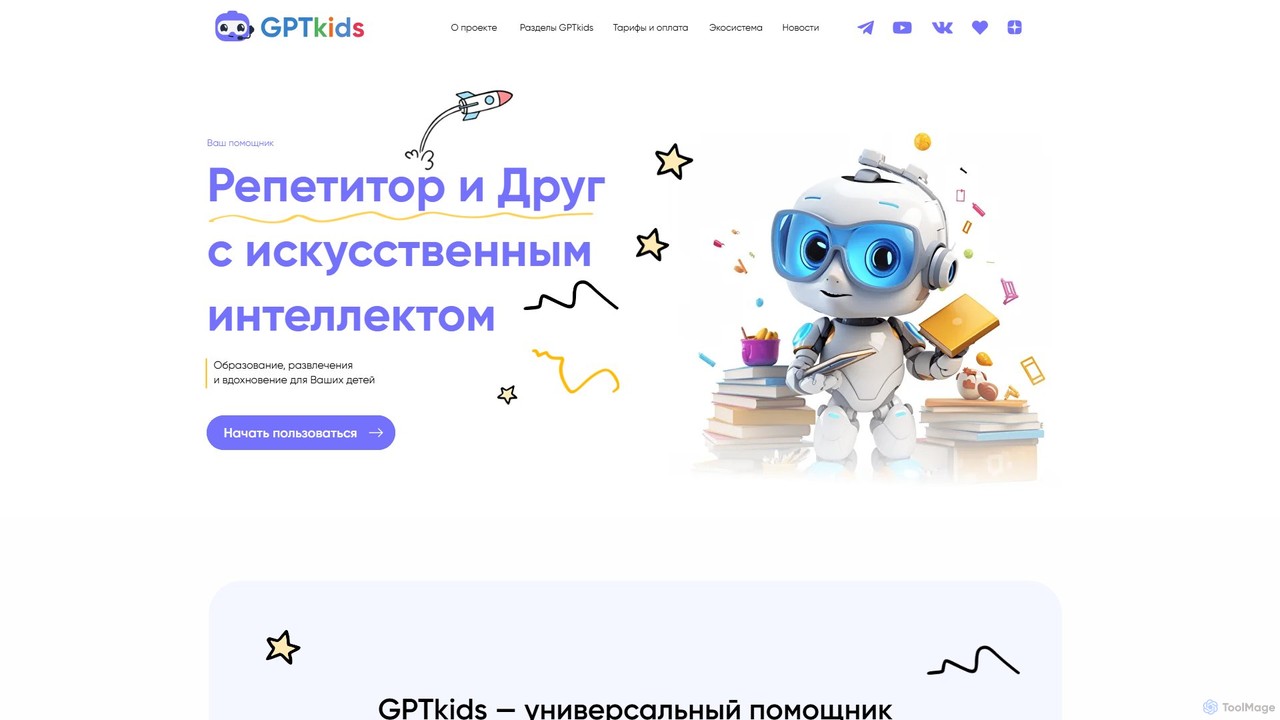
GPTkids is an AI-powered educational and entertainment assistant for children and parents, available as a Telegram bot. It offers homework help, subject tutoring, creative tools for generating stories and images, and safe, interactive games and chats.

Story Generator
Visits 5KFavorites 154Likes 156
childbook.ai
Paid

childbook.ai

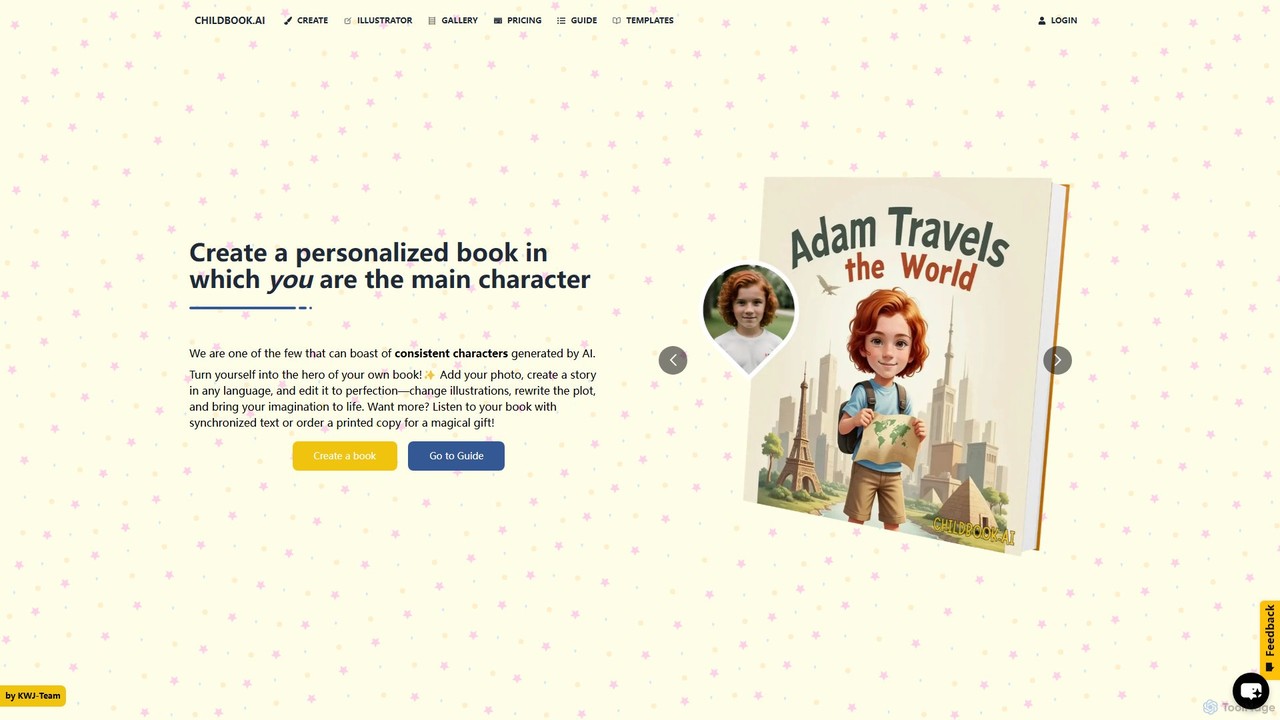
childbook.ai is an AI-powered storybook generator that allows users to create personalized children's books in minutes. Turn your child into the hero of their own story by uploading a photo for consistent character generation. The platform creates unique stories and illustrations from simple descriptions, offers pre-made templates, and supports editing, text-to-speech, and ordering printed copies. It's perfect for parents, educators, and authors looking to bring imaginative stories to life.

Illustration
Visits 30.2KFavorites 152Likes 155

About Story Generator

A Story Generator is a specialized AI tool that creates original narratives, plots, and characters from user prompts. Leveraging advanced large language models (LLMs), these tools generate coherent and imaginative text across various genres and styles. They serve as powerful creative partners for writers, game developers, and marketers, helping to overcome writer's block, brainstorm new ideas, and rapidly produce foundational story content. The ability to control elements like tone, setting, and character arcs makes them highly versatile for creative projects.

Core Features

  • Customizable Plot Generation: Define key plot points, conflicts, and resolutions to guide the AI in creating a structured narrative.
  • Dynamic Character Creation: Generate detailed character profiles, including backstories, personalities, and motivations based on simple descriptions.
  • Genre and Style Adaptation: Select specific genres like fantasy, sci-fi, or mystery, and emulate the writing styles of various authors.
  • Interactive Story Expansion: Continue, rewrite, or expand upon existing text, allowing for a collaborative writing process between the user and the AI.

Use Cases

Story Generators are widely used by fiction authors to brainstorm novel ideas and draft chapters. Game designers utilize them to create rich backstories for worlds and non-player characters (NPCs). Marketers also employ these tools to craft compelling brand narratives for advertising campaigns and social media content.

How to Choose

When selecting a Story Generator, consider the level of control it offers over narrative structure and character consistency. Evaluate its range of supported genres and styles. Also, check for features like collaboration tools or export options to fit your workflow, and compare pricing models, such as subscription-based access versus pay-per-word plans.

Story Generator use cases

1

Brainstorming Novel and Short Story Plots

Fiction writers, from hobbyists to professional authors, often face writer's block or need fresh inspiration. An AI Story Generator acts as a creative catalyst. By inputting a simple premise, a character idea, or a desired theme, the writer can generate multiple plot outlines, opening scenes, or pivotal plot twists. For example, a fantasy author could input 'a young librarian discovers a book that writes the future' and receive several unique story arcs, character conflicts, and potential endings, significantly speeding up the initial outlining and drafting phase.

2

Creating Video Game Questlines and Lore

Indie game developers and narrative designers need to build immersive worlds filled with engaging content. An AI Story Generator can rapidly produce quest descriptions, character dialogues, and item lore. A designer can input parameters like 'a side quest in a cyberpunk city involving a data heist' to generate a complete quest structure, including objectives, key NPCs, and dialogue snippets. This automates the creation of non-essential content, allowing the team to focus on the main storyline and core game mechanics.

3

Developing Brand Narratives for Marketing

Marketing teams use storytelling to connect with their audience on an emotional level. An AI Story Generator helps craft compelling brand origin stories, customer success scenarios, or video ad scripts. A marketing manager can provide the AI with brand values, a target audience profile, and a key message. The tool then generates narrative concepts that can be refined into a full campaign, ensuring consistent and engaging messaging across different platforms like social media, blogs, and video content.

4

Outlining Screenplays and Theatrical Scripts

Screenwriters and playwrights can use AI Story Generators to accelerate the pre-writing process. Instead of starting with a blank page, they can generate scene-by-scene outlines, character dialogues, or alternative plot developments. For instance, a writer can ask the tool to 'write a dialogue between a detective and a reluctant witness in a noir style.' This provides a solid foundation that can be edited and refined, saving hours of initial drafting and allowing more time for polishing the script's structure and pacing.

5

Crafting Personalized Children's Stories

Educators and parents can create unique and engaging stories for children. By using an AI Story Generator, they can input a child's name, interests (e.g., dinosaurs, space), and a moral lesson they want to convey. The tool generates a complete, age-appropriate story featuring the child as the protagonist. This makes learning more interactive and personal, and can be used to create custom reading materials for classrooms or bedtime stories at home.

6

Designing Tabletop RPG Campaigns

Game Masters (GMs) for tabletop role-playing games like Dungeons & Dragons need a constant stream of creative ideas for their campaigns. An AI Story Generator is an invaluable tool for creating adventure hooks, designing mysterious locations, and fleshing out non-player characters (NPCs). A GM can input 'a forgotten temple in a jungle with a cursed artifact' and receive detailed room descriptions, trap ideas, and the backstory of the temple's original inhabitants, reducing prep time significantly.

Story Generator FAQ

What is an AI Story Generator?

An AI Story Generator is a specialized creative tool that uses artificial intelligence, typically large language models, to automatically create original written narratives. Unlike general-purpose text generators, they are specifically trained and designed for storytelling, offering features to control plot, character development, genre, and style. They are used by writers, developers, and marketers to brainstorm ideas, overcome writer's block, and produce creative content quickly.

How do I choose the right AI Story Generator?

To choose the right tool, first assess your primary need: are you writing a novel, a script, or game lore? Consider these factors:

  • Control & Customization: Look for tools that let you guide the plot, define character traits, and set the tone.
  • Genre Specialization: Some generators excel at specific genres like fantasy or sci-fi. Check if it aligns with your project.
  • Coherence & Consistency: Test how well the tool maintains character personalities and plot points over long texts.
  • Ease of Use & Integration: A user-friendly interface and options to export your work are important for a smooth workflow.
What's the difference between an AI Story Generator and a general AI writer?

The primary difference lies in their focus and features. A general AI writer (like a generic chatbot) is a versatile tool for various text tasks, such as summarizing articles, writing emails, or answering questions. An AI Story Generator is a specialized tool built specifically for creative narrative writing. It includes dedicated features for plot structuring, character creation, dialogue formatting, and maintaining narrative consistency, which are often absent or less developed in general-purpose AI writers.

Can AI Story Generators write a complete, publishable novel?

Currently, AI Story Generators are best used as powerful assistants rather than autonomous authors. They excel at generating ideas, drafting scenes, writing descriptions, and overcoming writer's block. While they can produce large volumes of text, the output often requires significant human editing for coherence, emotional depth, and a unique authorial voice. They are excellent for creating a first draft or specific sections, but a publishable novel still requires the skill and creativity of a human writer to refine and finalize.

Who can benefit from using an AI Story Generator?

A wide range of creators can benefit from these tools. This includes:

  • Fiction Authors: For brainstorming plots, developing characters, and drafting chapters.
  • Screenwriters: For outlining scripts and generating dialogue.
  • Game Developers: For creating questlines, character backstories, and in-game lore.
  • Marketers: For crafting compelling brand stories and ad copy.
  • Educators and Parents: For creating personalized educational stories for children.
  • Tabletop RPG Game Masters: For designing adventures and campaign settings.