Customer Support Best in category 8 results Call Center Automation AI Tool

Popular AI tools in the Call Center Automation field of Customer Support include Autocalls、Prodigal、ConvoZen、Air.ai、brilo、novaecho、PreCallAI、Caseflood.ai, etc., helping you quickly improve efficiency.

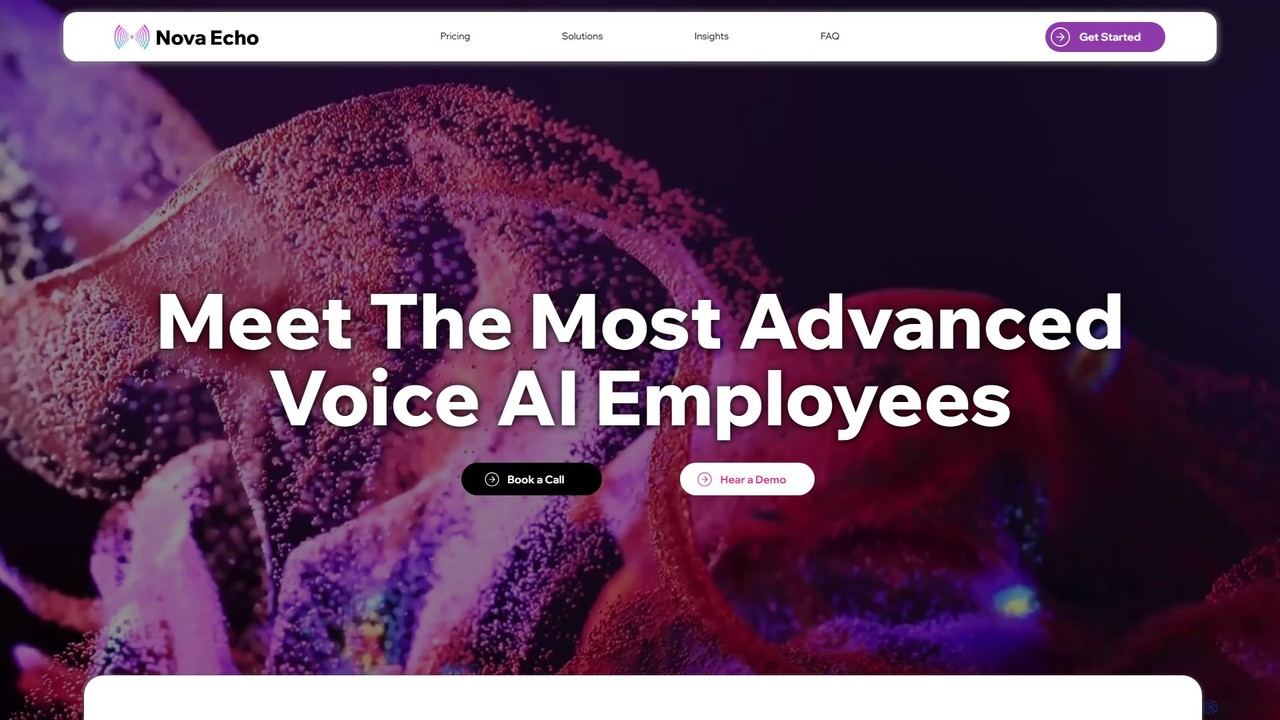
novaecho

novaecho

Novaecho is an advanced conversational AI platform that automates sales and customer service with human-like voice agents. It …

6.4K
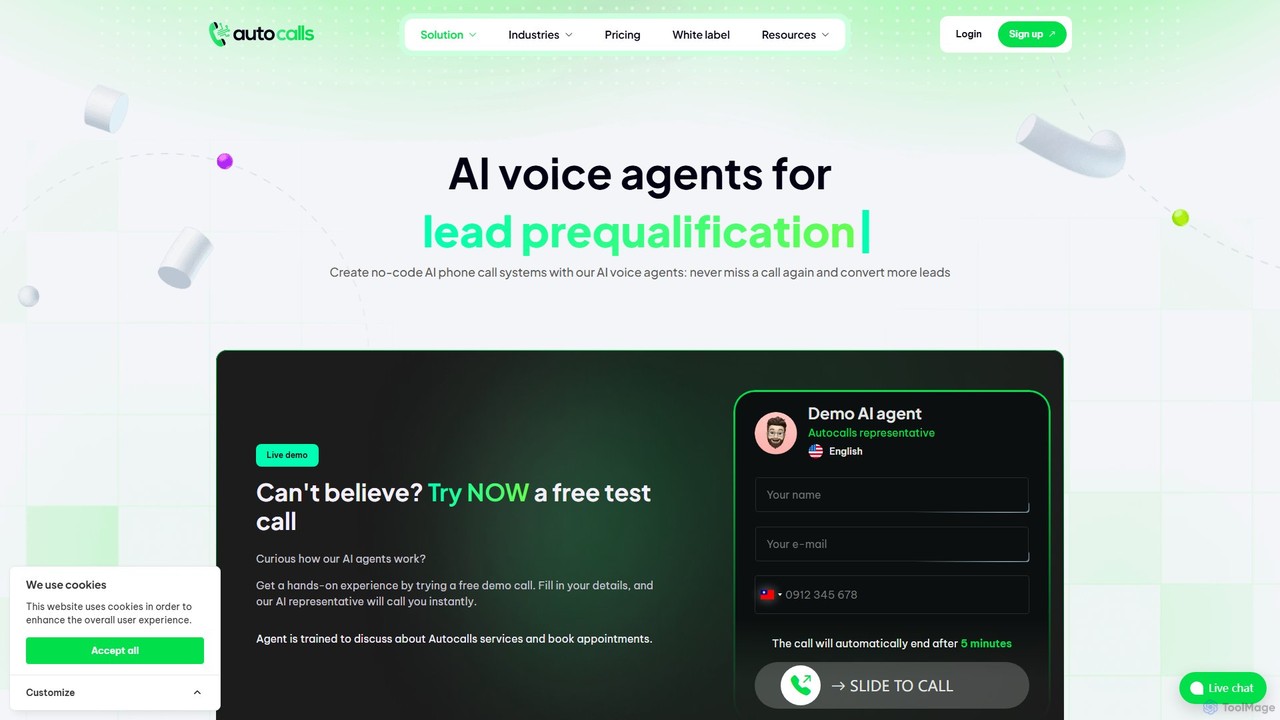
Autocalls

Autocalls

Autocalls is an AI-powered platform that automates inbound and outbound phone calls with realistic voice agents. It's designed …

41.0K
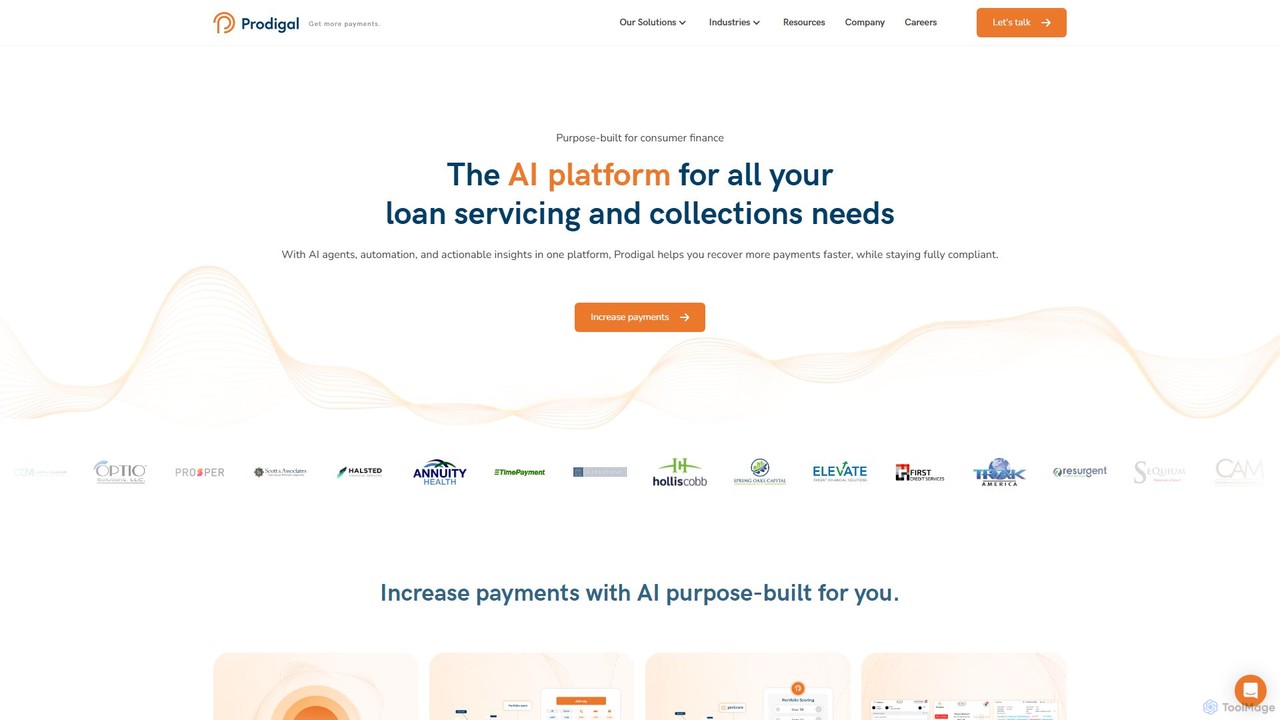
Prodigal

Prodigal

Prodigal is a purpose-built AI platform for the consumer finance industry, specializing in loan servicing and collections. It …

30.5K
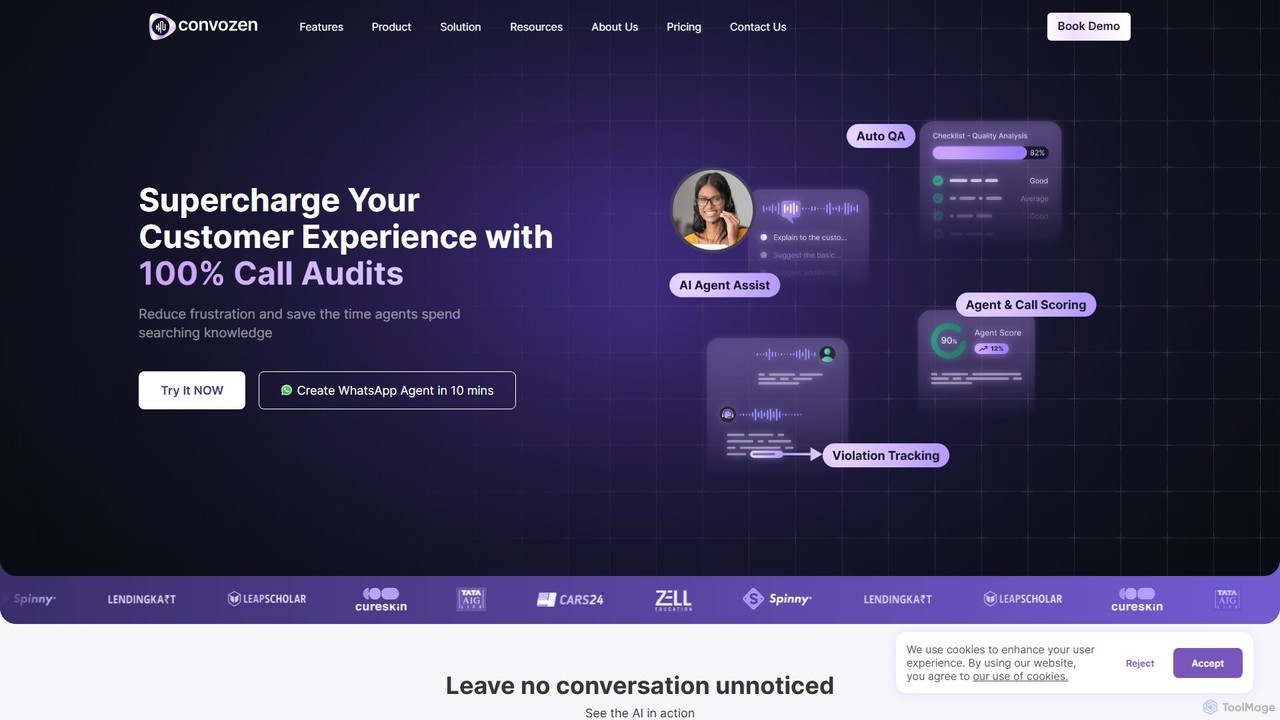
ConvoZen

ConvoZen

ConvoZen is an AI-powered conversational intelligence platform that analyzes 100% of customer interactions across calls, chats, and emails. …

14.6K
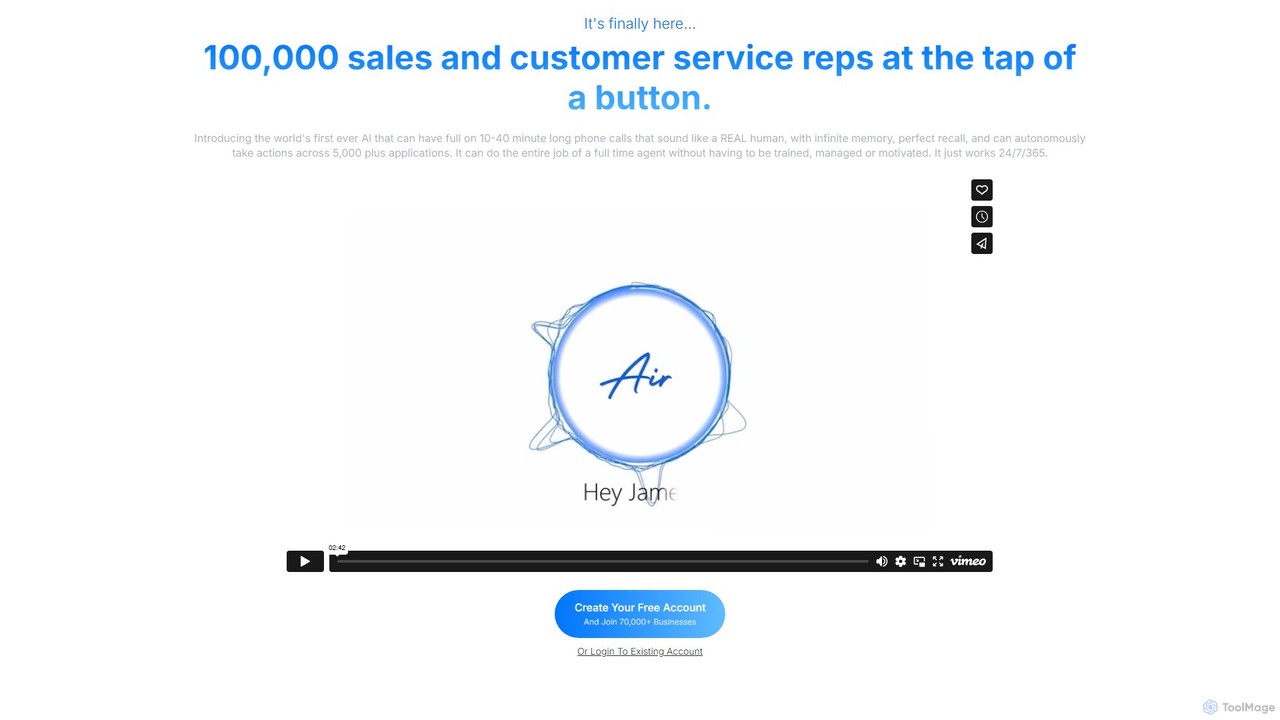
Air.ai

Air.ai

Air.ai is a revolutionary AI platform that deploys autonomous voice agents capable of handling 10-40 minute human-like phone …

10.2K
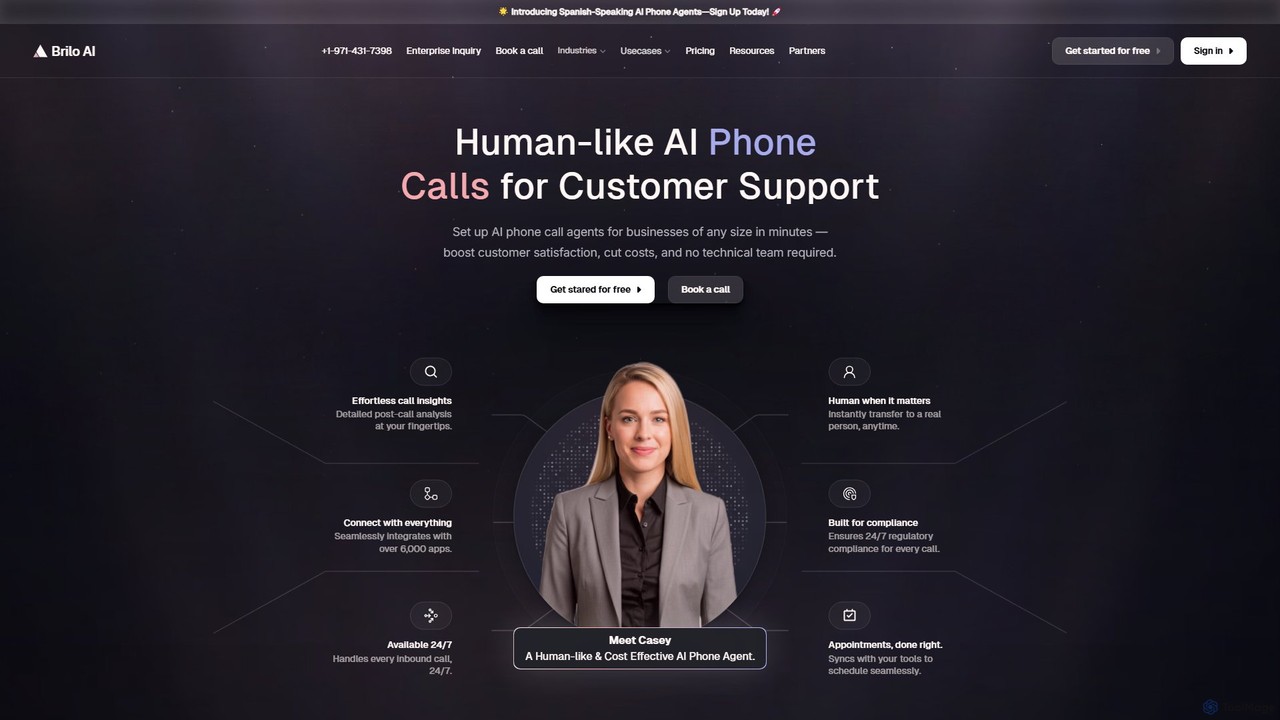
brilo

brilo

Brilo is an AI-powered phone and voice agent for businesses, designed to automate customer interactions. It offers human-like …

7.7K
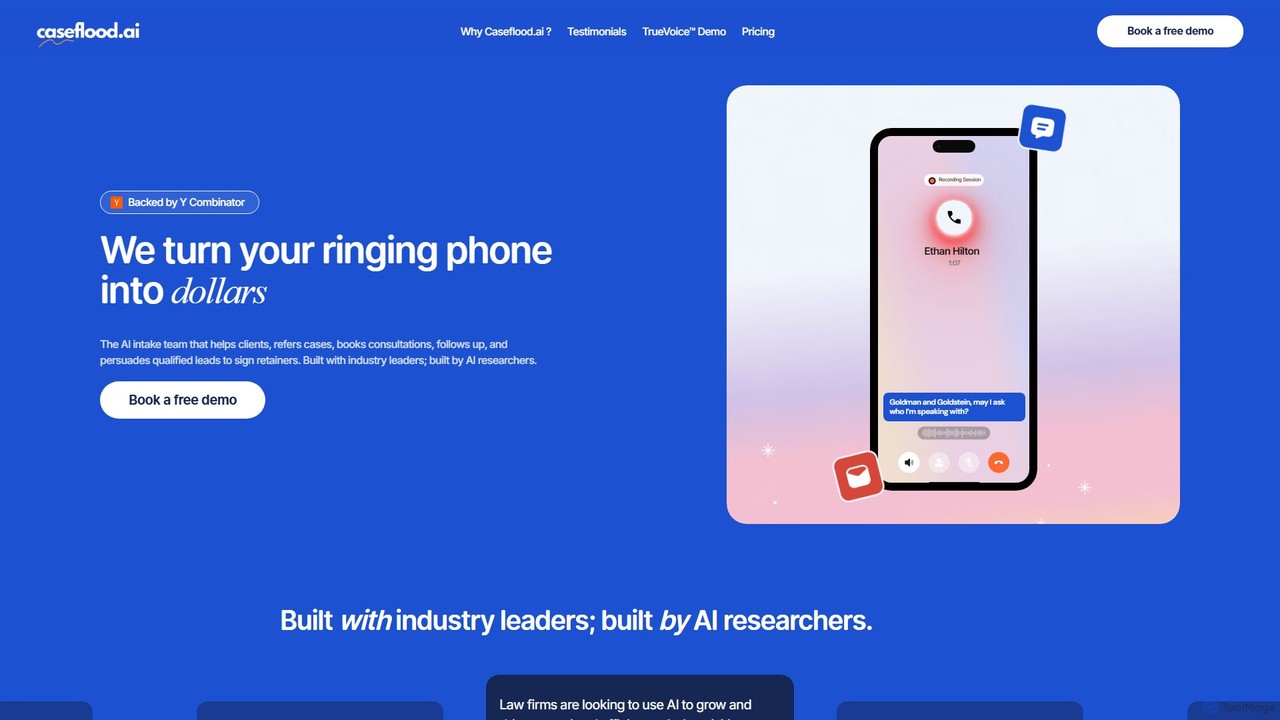
Caseflood.ai

Caseflood.ai

Caseflood.ai is an AI-powered intake team for law firms. It operates 24/7 to answer calls, qualify leads, book …

4.5K
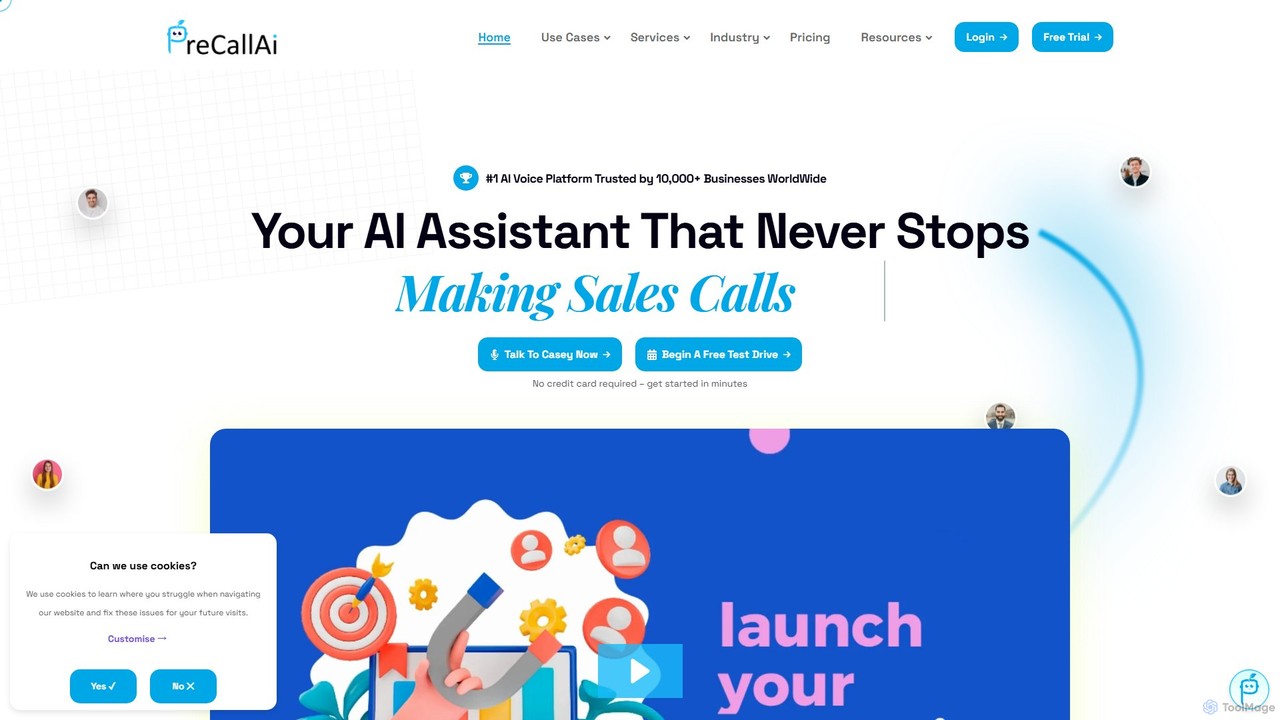
PreCallAI

PreCallAI

PreCallAI is an advanced AI voice platform designed to automate sales and customer service calls. It deploys human-like …

5.4K

About Call Center Automation

Call Center Automation tools are AI-powered solutions designed to automate and augment voice-based customer interactions. Leveraging technologies like conversational AI, Natural Language Processing (NLP), and speech recognition, these tools can handle calls without human intervention or assist live agents in real-time. They are primarily used to reduce customer wait times, improve first-contact resolution, and provide consistent 24/7 support. This automation allows human agents to focus on more complex and emotionally nuanced customer issues.

Core Features

  • AI Voice Agents: Deploys conversational bots that can understand and respond to spoken queries, handling routine tasks like appointment booking or status checks.
  • Real-time Agent Assist: Provides live agents with transcriptions, sentiment analysis, and relevant knowledge base suggestions during a call.
  • Post-Call Analytics: Automatically transcribes, summarizes, and analyzes call recordings to identify trends, gauge customer sentiment, and ensure quality assurance.
  • Intelligent Call Routing: Understands a caller's intent through natural language and directs them to the most appropriate department or agent, bypassing complex IVR menus.

Use Cases

These tools are widely adopted in industries with high call volumes, such as telecommunications, finance, healthcare, and e-commerce. They are used for automating inbound support queries, making outbound notification calls, conducting post-interaction surveys, and providing live assistance to agents to improve their performance and training.

How to Choose

When selecting a Call Center Automation tool, consider its speech recognition accuracy and language support. Evaluate its integration capabilities with your existing CRM and telephony systems. Assess the scalability to handle fluctuating call volumes and the depth of its analytics for performance tracking. Finally, determine whether you need a solution primarily for full automation (voicebots) or agent augmentation (assist tools).

Call Center AutomationUse Cases

1

Automated Appointment Scheduling for Clinics

A busy medical clinic uses a call center automation tool to manage its high volume of appointment calls. An AI voice agent answers incoming calls 24/7, allowing patients to book, reschedule, or cancel appointments using natural language. The system verifies patient identity, checks the doctor's availability in real-time by integrating with the clinic's scheduling software, and confirms the appointment via a follow-up text message. This frees up reception staff from repetitive scheduling tasks to focus on in-person patient care and complex inquiries, reducing patient wait times on the phone significantly.

2

Real-time Assistance for Technical Support Agents

A software company equips its technical support team with a real-time agent assist tool. As an agent speaks with a customer, the AI transcribes the conversation live. It identifies keywords and the customer's intent, then automatically surfaces relevant troubleshooting guides and knowledge base articles on the agent's screen. The tool also analyzes the customer's tone for signs of frustration, prompting the agent to adjust their approach. This empowers new agents to handle complex issues confidently and reduces the average handle time for all agents by providing instant access to information.

3

Automated Outbound Payment Reminders

A financial services company uses a call center automation platform to send out payment reminders. Instead of having agents manually dial thousands of customers, an AI voice agent initiates the calls. It uses a natural, friendly tone to inform customers about their upcoming due dates, confirms if payment has been made, and can even process payments over the phone via a secure integration. If a customer has a complex question, the call is seamlessly transferred to a live agent with the full context. This process ensures timely reminders, improves collection rates, and reduces the cost of outbound call operations.

4

24/7 Order Status and Inquiry Automation

An e-commerce company implements a voicebot to handle customer inquiries about order status around the clock. Customers can call a support number anytime, provide their order number, and the AI voice agent, integrated with the company's order management system, provides real-time updates on shipping and delivery. The voicebot can also answer frequently asked questions about return policies or product specifications. This provides immediate answers to customers without them having to wait for business hours, improving customer satisfaction and reducing the number of repetitive calls handled by human agents.

5

Automated Quality Assurance and Compliance Monitoring

A large insurance call center uses an automation tool to analyze 100% of its call recordings for quality and compliance. The AI automatically transcribes every call and flags interactions based on predefined criteria, such as the mention of specific compliance phrases, detection of customer dissatisfaction, or deviation from approved scripts. Quality assurance managers no longer need to manually listen to a small, random sample of calls. Instead, they can focus their efforts on the flagged interactions, providing targeted coaching to agents and ensuring consistent adherence to regulatory standards across the entire organization.

6

Intelligent Triage for IT Help Desks

An enterprise IT help desk uses an intelligent voice response system to triage incoming support calls. When an employee calls, instead of a rigid menu, they are greeted by a conversational AI that asks them to describe their issue. The AI analyzes their response to categorize the problem (e.g., 'password reset', 'VPN issue', 'hardware failure') and assess its urgency. It then automatically creates a ticket in the service desk software and routes the call directly to the specialized support team best equipped to handle that specific issue, bypassing Tier 1 support for known, complex problems. This speeds up resolution times and improves employee satisfaction.

Call Center AutomationFrequently Asked Questions