ToolMage
Sign in

Best 178 Chatbots AI tools for Customer Support

Popular Chatbots AI tools in Customer Support include Podium, Elfsight, Dust, D-ID Agents, Eesel, Wave AI, SleekFlow, Sierra, FPT.AI, and Sendbird, helping you work more efficiently.

ResponseCX
Paid

ResponseCX

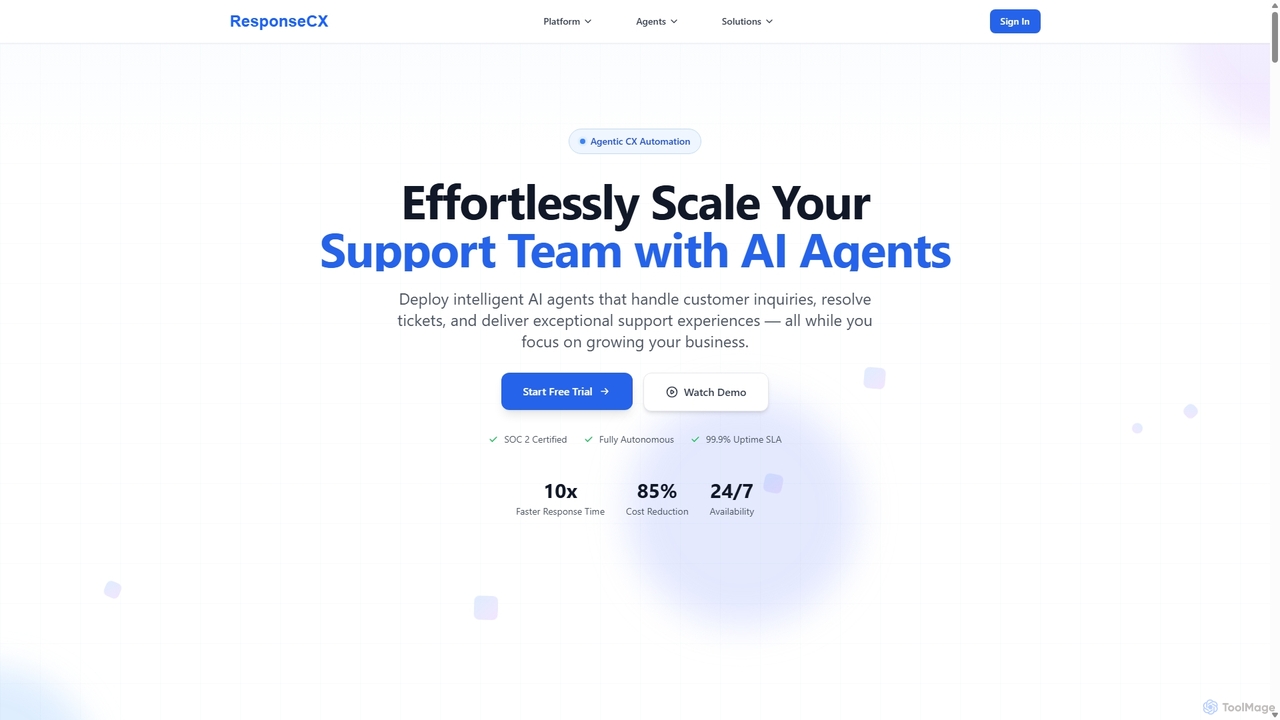
ResponseCX is an agentic AI platform for Shopify brands, designed to automate customer support. It goes beyond traditional chatbots by autonomously resolving complex issues like order modifications, returns, and subscription management. It integrates deeply with your e-commerce stack to provide 24/7, on-brand customer service, significantly reducing ticket volume and operational costs.

Chatbots
Visits 6.2KFavorites 133Likes 155
RoboResponseAI
Freemium

RoboResponseAI

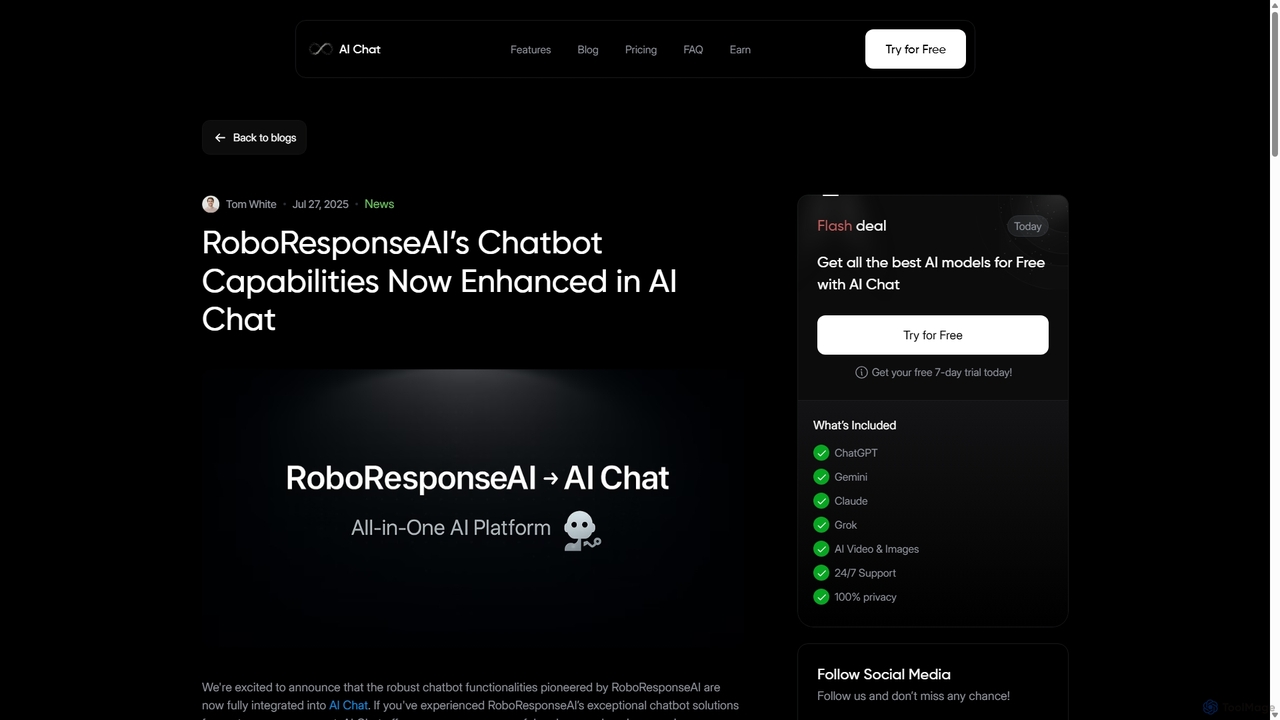
RoboResponseAI is a no-code AI chatbot platform designed to enhance customer engagement and automate support. It enables businesses to create proactive, human-like chatbots that learn from website content. Its features are now integrated and enhanced within the AI Chat platform.

Chatbots
Visits 5.6KFavorites 140Likes 143
Bothatch
Freemium

Bothatch

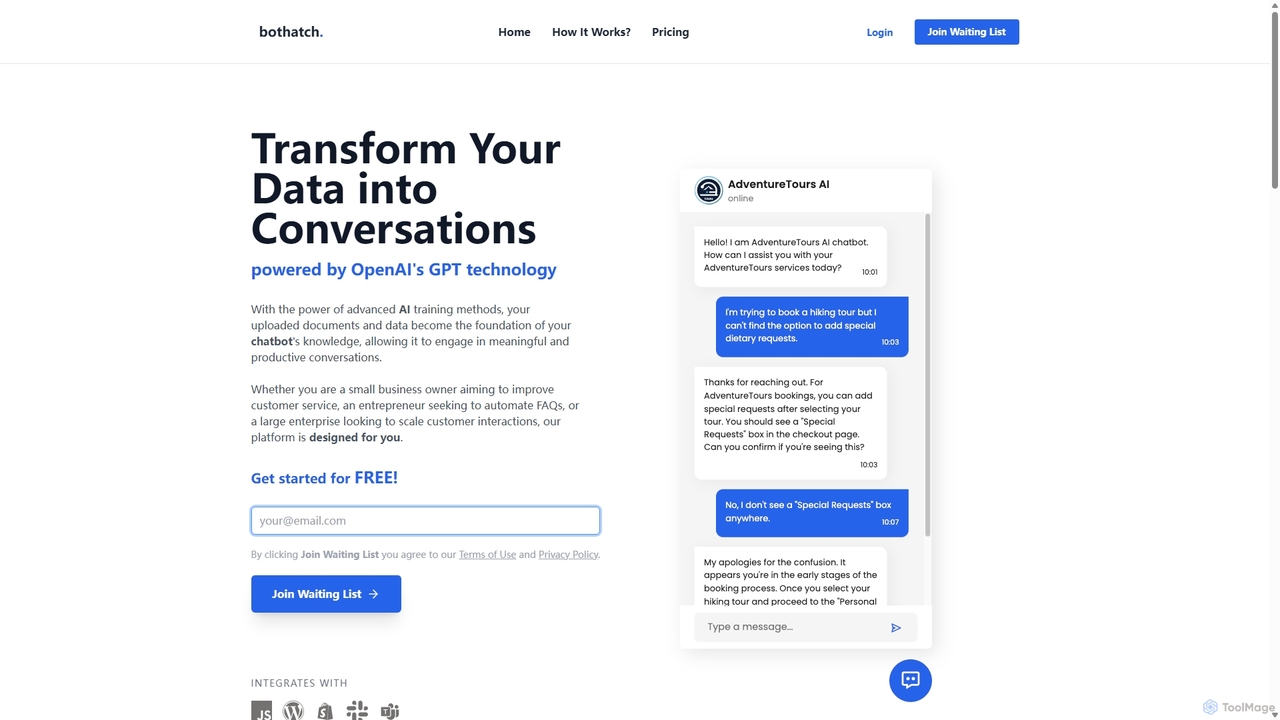
Bothatch is a no-code platform that allows users to create custom GPT-powered chatbots trained on their own data. By uploading documents like product manuals, FAQs, or blog posts, businesses can build intelligent AI assistants. These chatbots can be integrated into websites, Shopify stores, and other platforms to automate customer support, answer queries 24/7, and enhance user engagement, transforming static data into interactive conversations.

Chatbots
Visits 6.2KFavorites 129Likes 122
EBanqo
Freemium

EBanqo

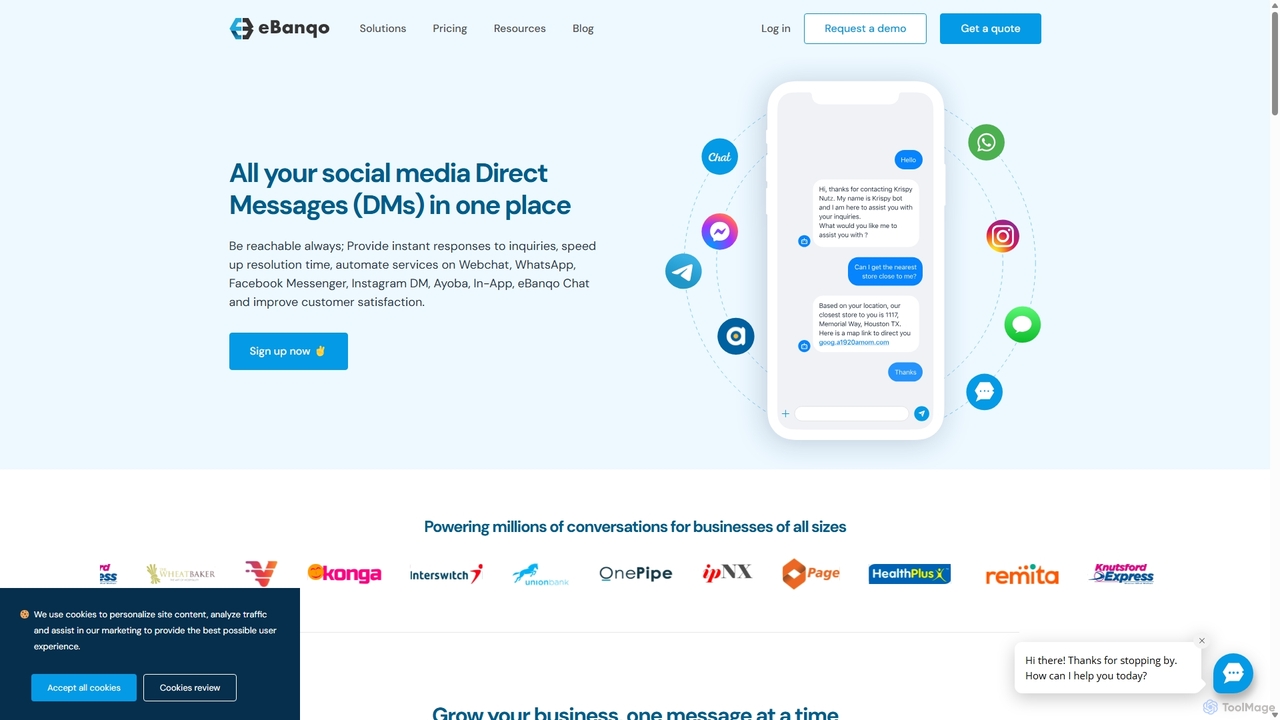
eBanqo is a conversational AI platform that unifies customer communications from channels like WhatsApp, Facebook, and webchat into a single dashboard. It leverages AI chatbots for automated support, offers live chat for complex queries, and enables self-service options to enhance customer engagement, boost sales, and reduce operational costs.

Chatbots
Visits 5.3KFavorites 120Likes 129
Rehance
Freemium

Rehance

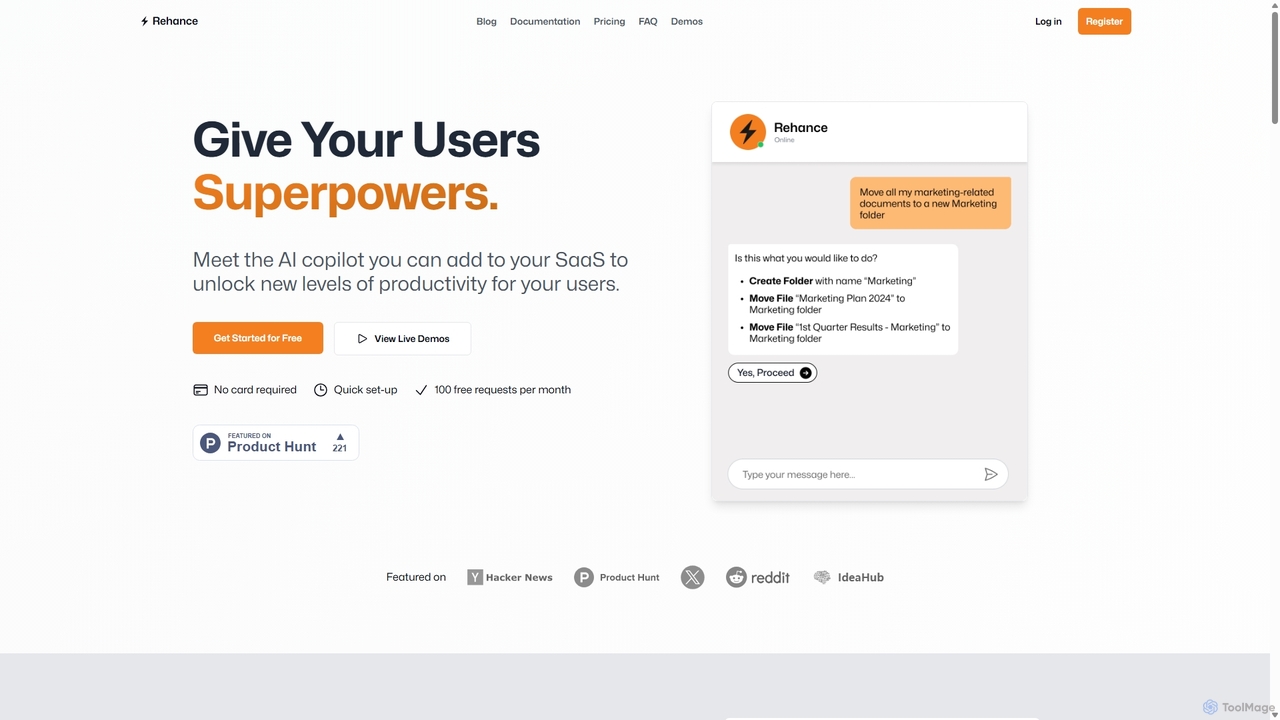
Rehance allows SaaS businesses to quickly integrate a powerful AI copilot into their applications. Unlike standard chatbots, this AI assistant can perform complex tasks for users, answer questions accurately, and automate workflows, significantly enhancing user productivity and reducing churn.

Chatbots
Visits 5.5KFavorites 125Likes 126
Dropchat
Freemium

Dropchat

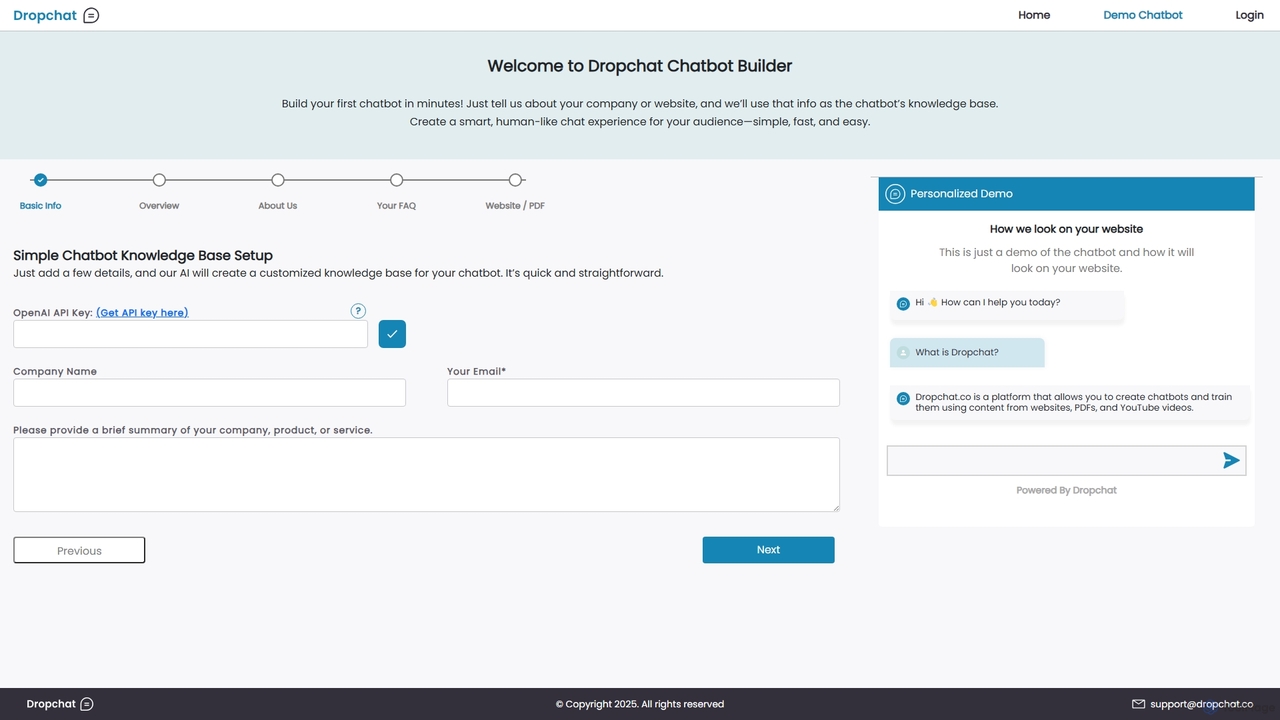
Dropchat is an AI-powered platform that allows you to build custom chatbots in minutes. Train your chatbot using your own data, such as websites, PDFs, and YouTube videos, to provide instant customer support, generate leads, and enhance user engagement without any coding knowledge.

Chatbots
Visits 5.5KFavorites 108Likes 123
Maum.ai
Freemium

Maum.ai

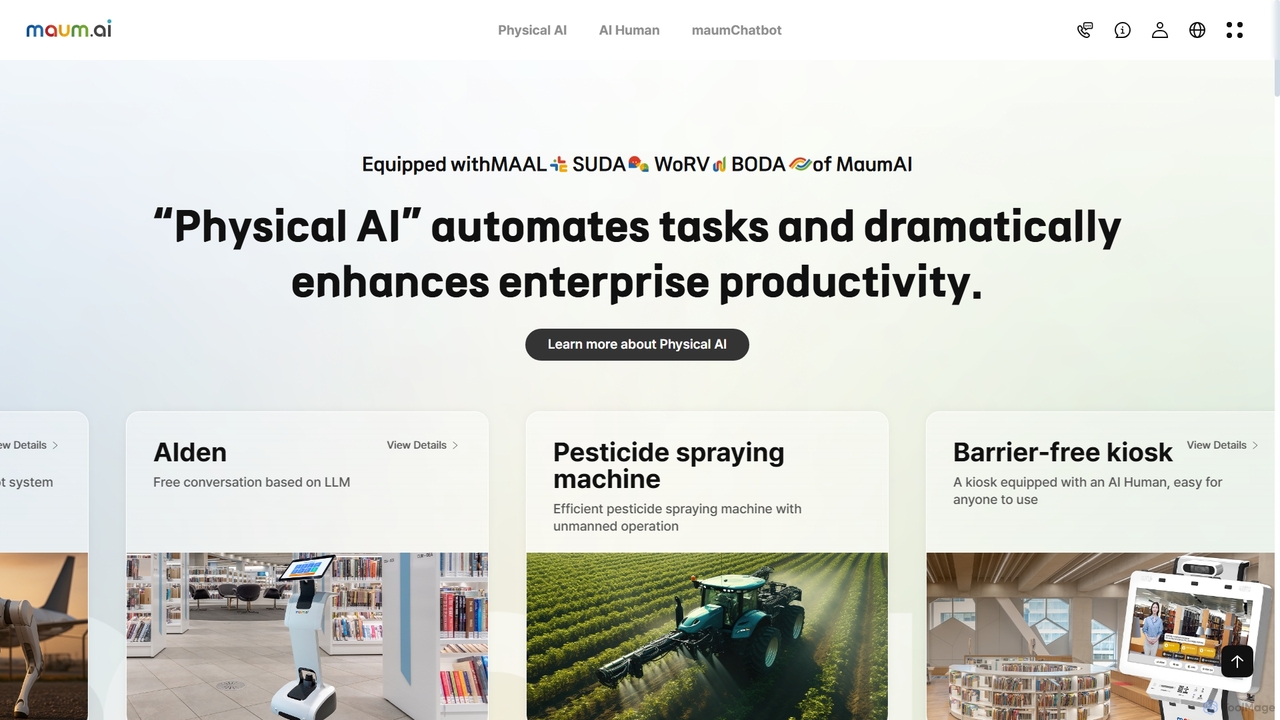
Maum.ai is a comprehensive enterprise AI platform specializing in "Physical AI," which integrates conversational AI, vision, robotics, and on-premise LLMs. It offers end-to-end solutions from AI-powered chatbots and virtual humans to autonomous robots for various industries, enhancing productivity and automation.

Enterprise Solutions
Visits 16.5KFavorites 117Likes 121
Wave AI

Wave AI

Wave AI is a powerful conversational AI platform for building intelligent chatbots and virtual assistants. It enables businesses to automate customer support, enhance user engagement, and streamline communication across various digital channels with its advanced NLP and intuitive visual builder.

Chatbots
Visits 504.7KFavorites 166Likes 154
ZFire Media
Paid

ZFire Media

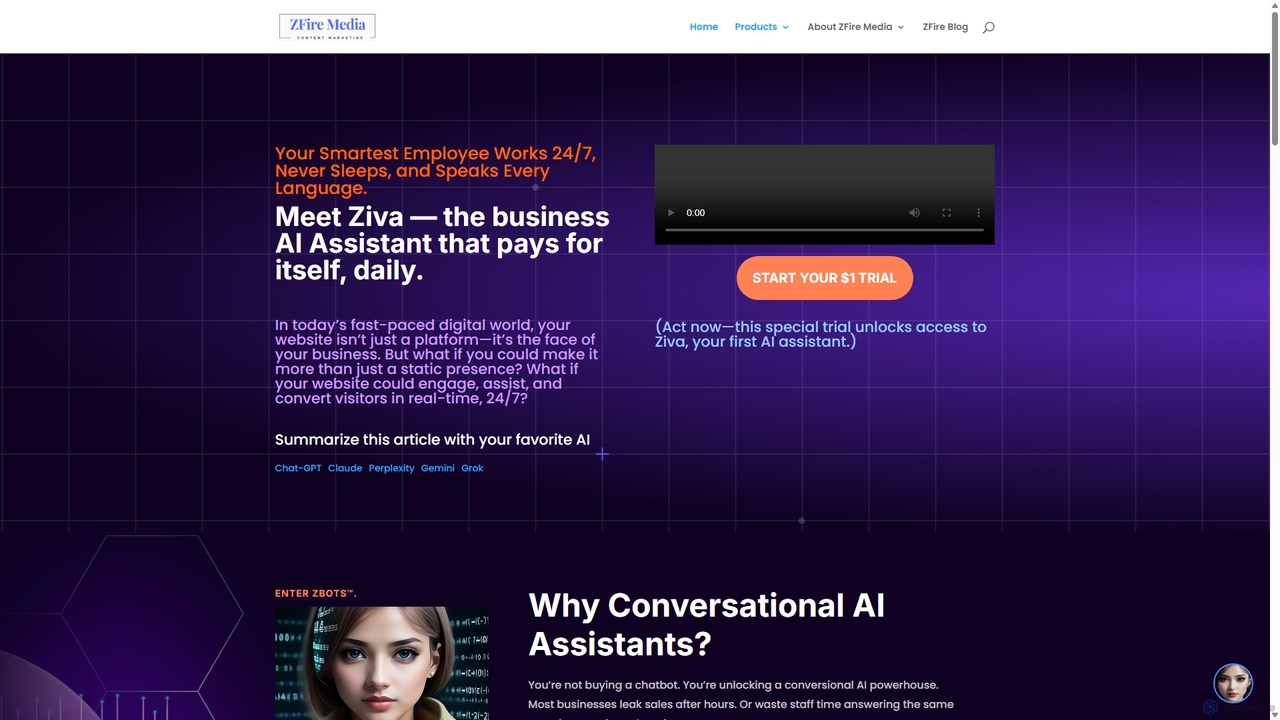
ZFire Media offers ZBots, an advanced AI chatbot platform designed to transform your website into a 24/7 sales and support powerhouse. Powered by conversational AI, ZBots engage visitors in real-time, answer queries, capture leads, and book appointments. Trained on your own website data, the AI assistant, Ziva, ensures brand-aligned, human-like interactions to boost conversions and customer satisfaction.

Chatbots
Visits 5.5KFavorites 115Likes 118
Podium
Paid

Podium

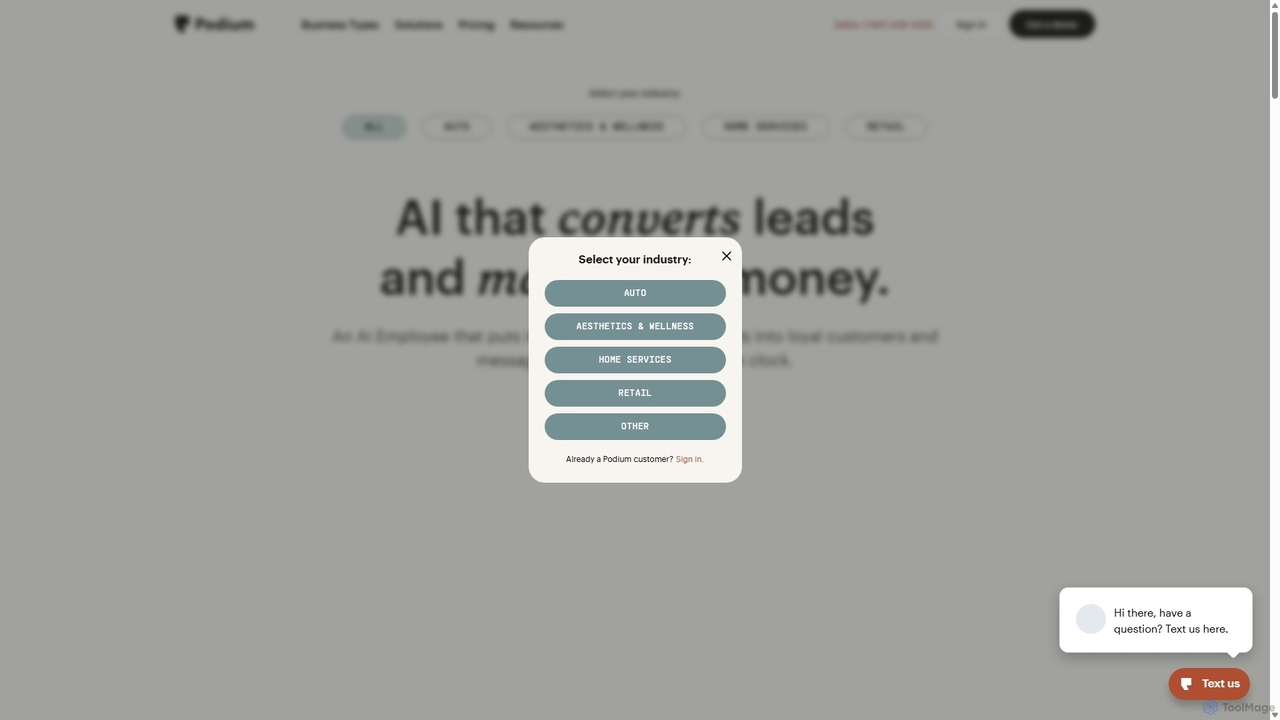
Podium is an AI-powered lead conversion platform designed for local businesses. It acts as an 'AI Employee' that works 24/7 to capture, engage, and convert leads from every channel, including web chat, text, and phone calls. It streamlines communication into a single inbox, automates review management, and drives repeat business, ultimately increasing sales and operational efficiency.

Chatbots
Visits 3.4MFavorites 157Likes 138
ChatBotKit
Freemium

ChatBotKit

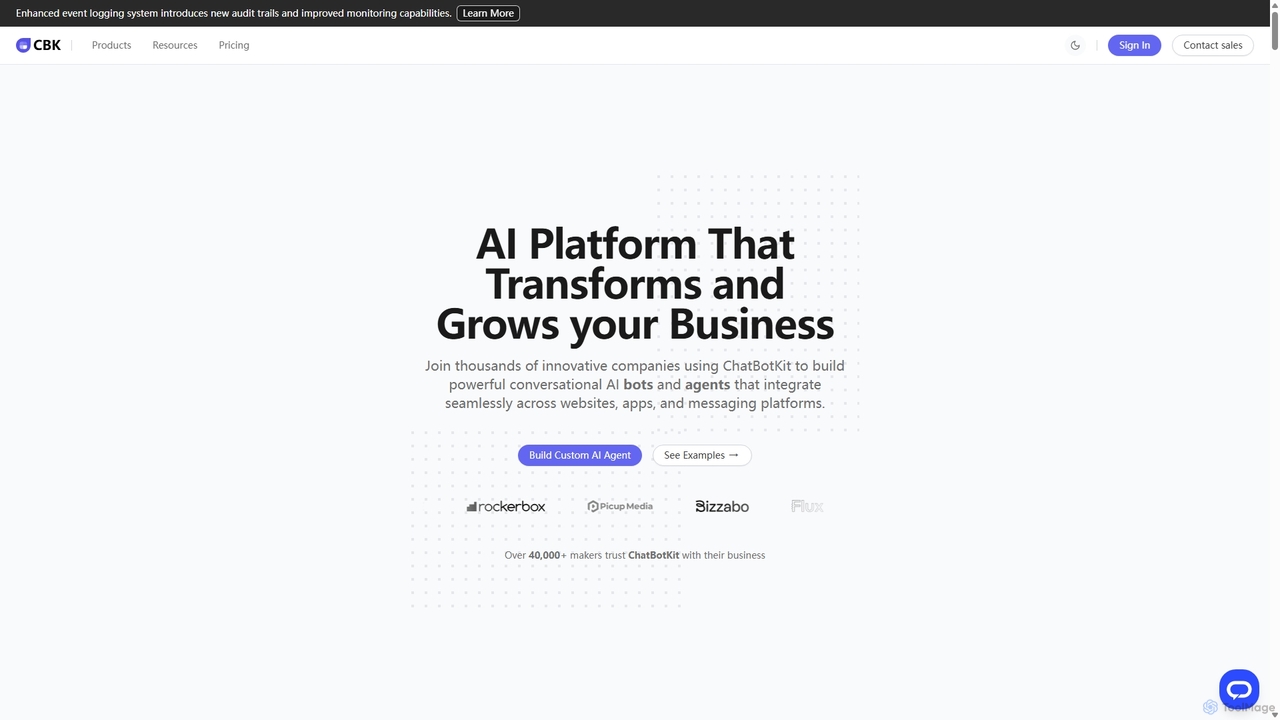
ChatBotKit is a comprehensive conversational AI platform for building, deploying, and managing custom AI bots and agents. It offers a suite of modular tools, seamless integrations with websites and messaging apps like Slack and WhatsApp, and intuitive templates for rapid development. Ideal for businesses seeking to enhance customer engagement, automate tasks, and streamline workflows with powerful, customizable AI solutions.

Chatbots
Visits 64.6KFavorites 138Likes 138
Knobi
Paid

Knobi

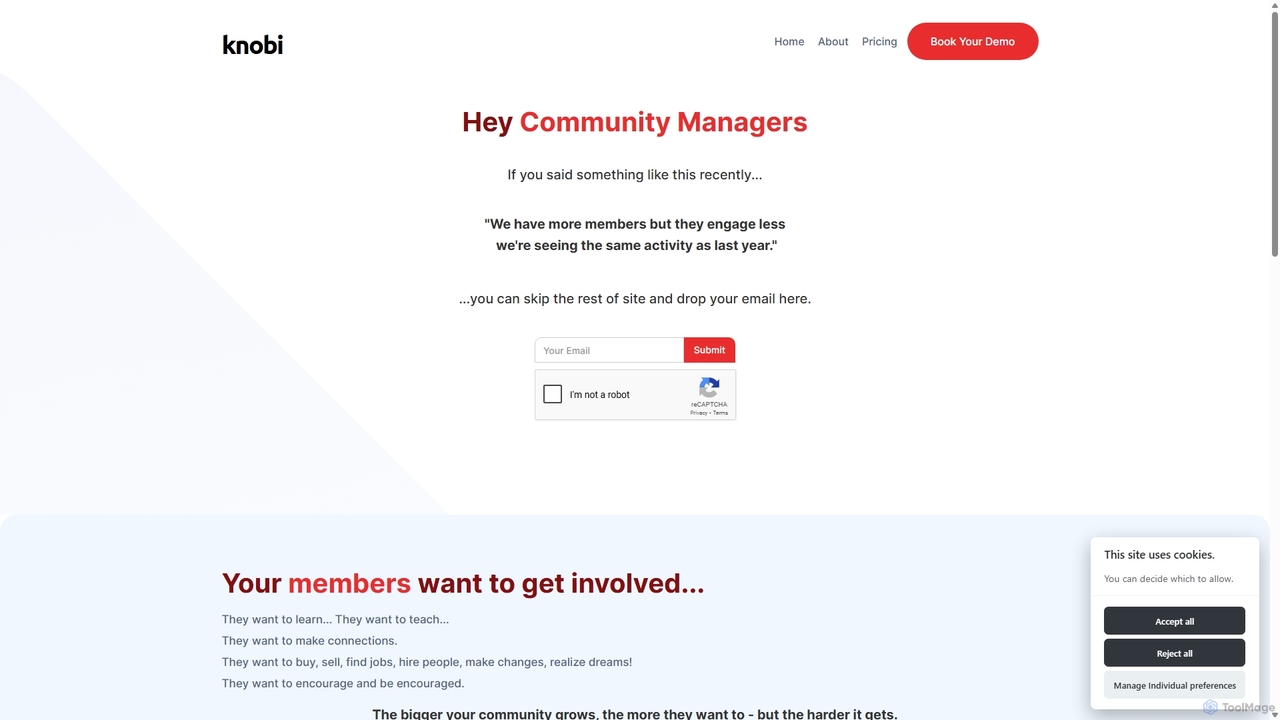
Knobi is an AI-powered suite of bots designed to enhance online community engagement. It features an Intro Bot for personalized onboarding, a Connections Bot to ensure questions get answered, and a Knowledge Bot for easy access to community wisdom. Knobi aims to reduce friction and foster meaningful connections among members.

Automation
Visits 5.5KFavorites 130Likes 135
Mindpip
Paid

Mindpip

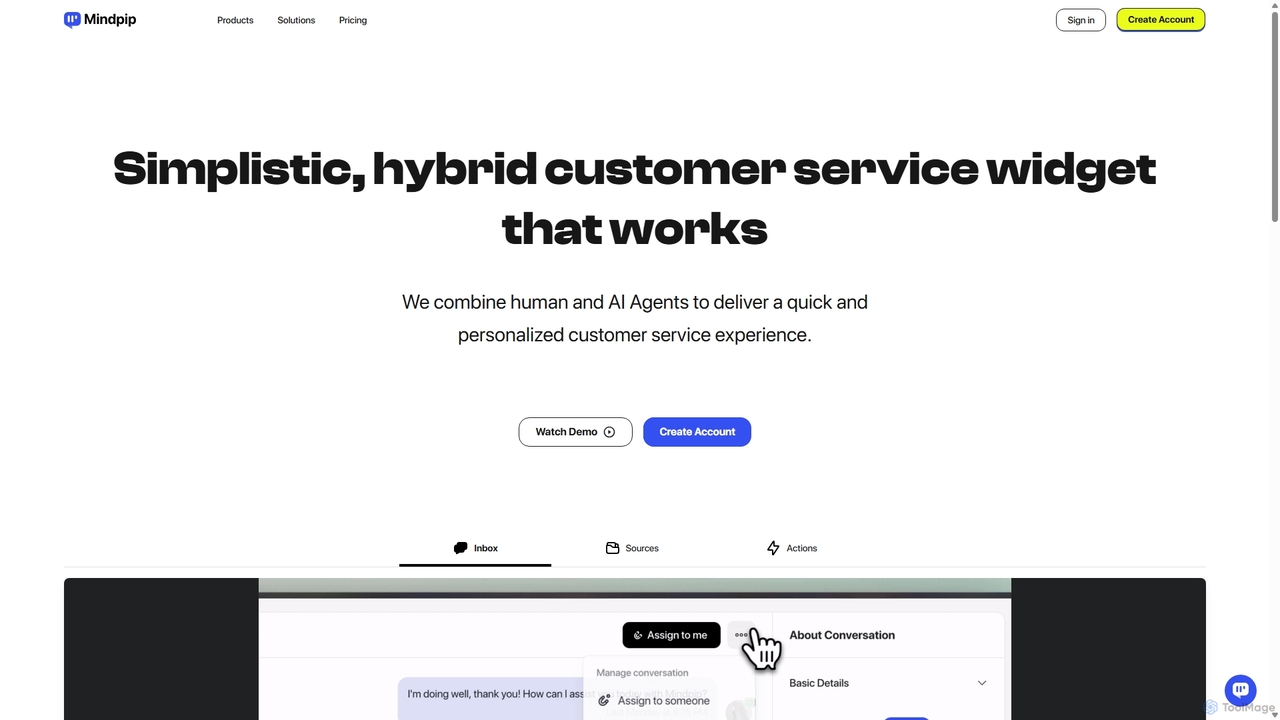
Mindpip is a hybrid customer service solution that combines AI and human agents to deliver fast, personalized support. Create a customizable chat widget, train an AI on your own data sources like websites and documents, and automate responses to common queries while seamlessly escalating complex issues to your human team.

Lead Generation
Visits 5.6KFavorites 139Likes 130
OneText

OneText

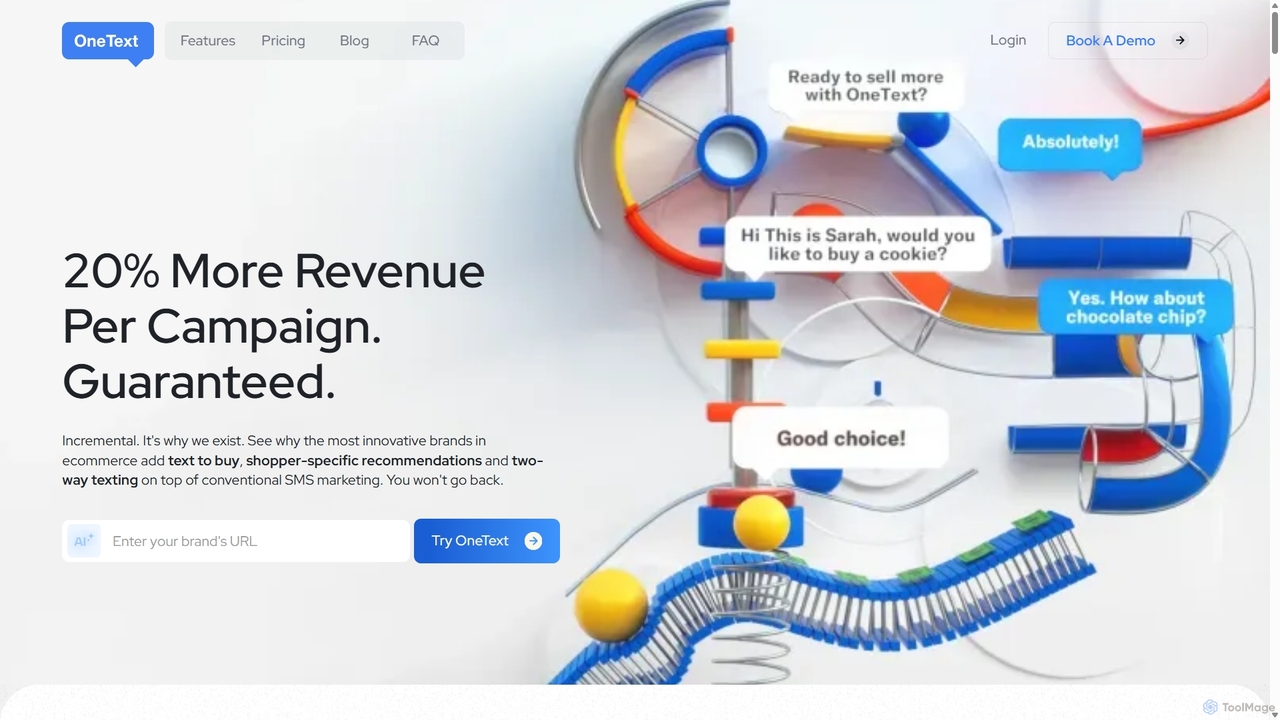
OneText is an AI-powered conversational commerce platform designed to boost e-commerce revenue. It enables customers to purchase products directly through text messages with its 'Text to Buy' feature, recovers abandoned carts, and provides personalized customer interactions through AI and live agents.

Chatbots
Visits 104.2KFavorites 128Likes 116
Frequently.ai
Freemium

Frequently.ai

Frequently.ai is an AI-powered platform designed to automate the creation, management, and optimization of FAQ pages and knowledge bases. It analyzes your website content, support tickets, and documents to automatically generate relevant questions and answers, helping businesses improve customer support efficiency and user experience.

Chatbots
Visits 5.4KFavorites 130Likes 130
Elastic
Freemium

Elastic

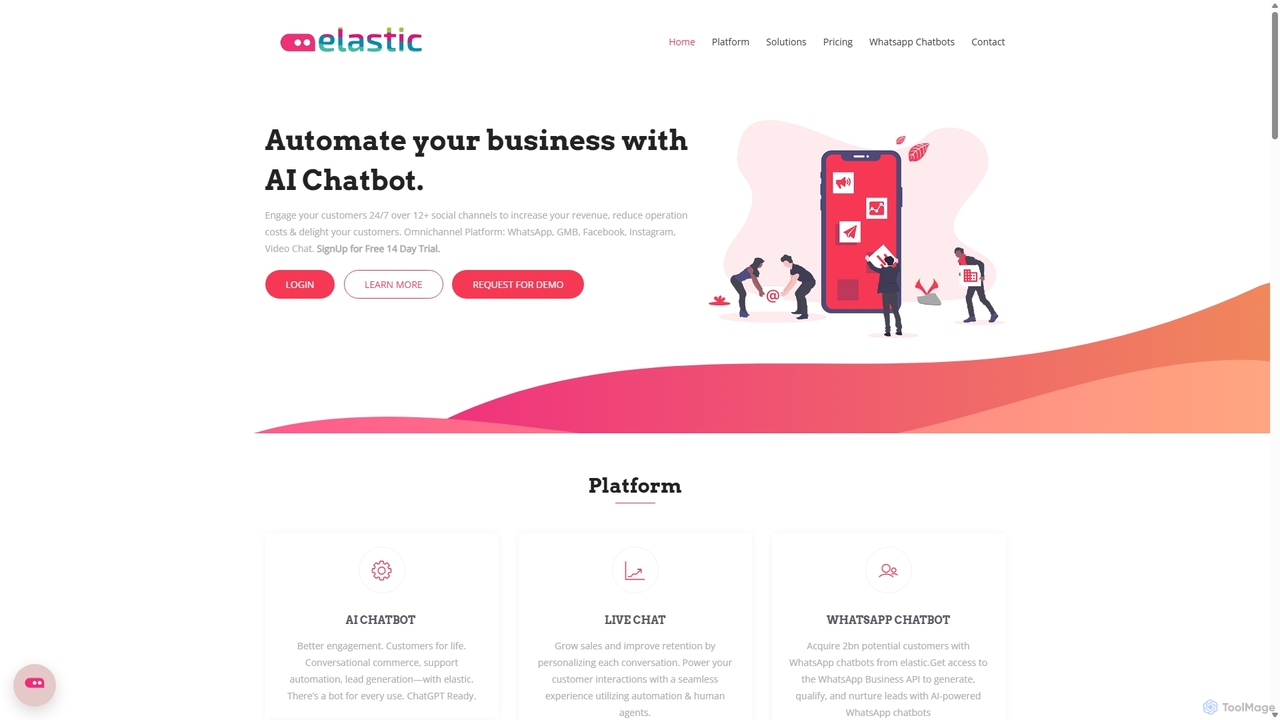
Elastic is an AI-powered chatbot platform designed to automate customer support, generate leads, and streamline omnichannel communication. It offers industry-specific solutions for healthcare, real estate, insurance, and banking, featuring a unified inbox, live chat, and seamless CRM integrations to enhance customer experience and operational efficiency 24/7.

Chatbots
Visits 7KFavorites 163Likes 147
NisusAI
Freemium

NisusAI

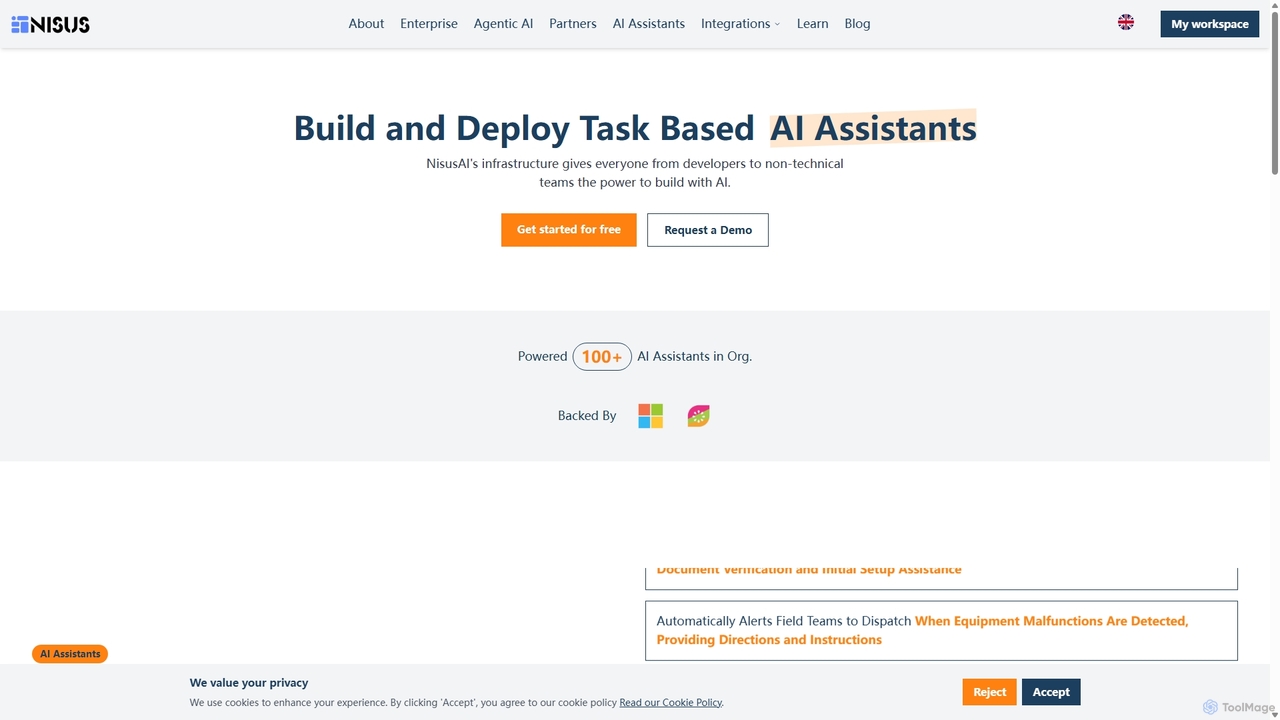
NisusAI is a unified platform that empowers both developers and non-technical teams to build, deploy, and monitor custom, task-based AI assistants. It streamlines the creation of AI-driven workflows to enhance productivity, quality, and efficiency across various business functions, from customer support to inventory management.

Enterprise Solutions
Visits 6.5KFavorites 151Likes 163
Cogniroot
Freemium

Cogniroot

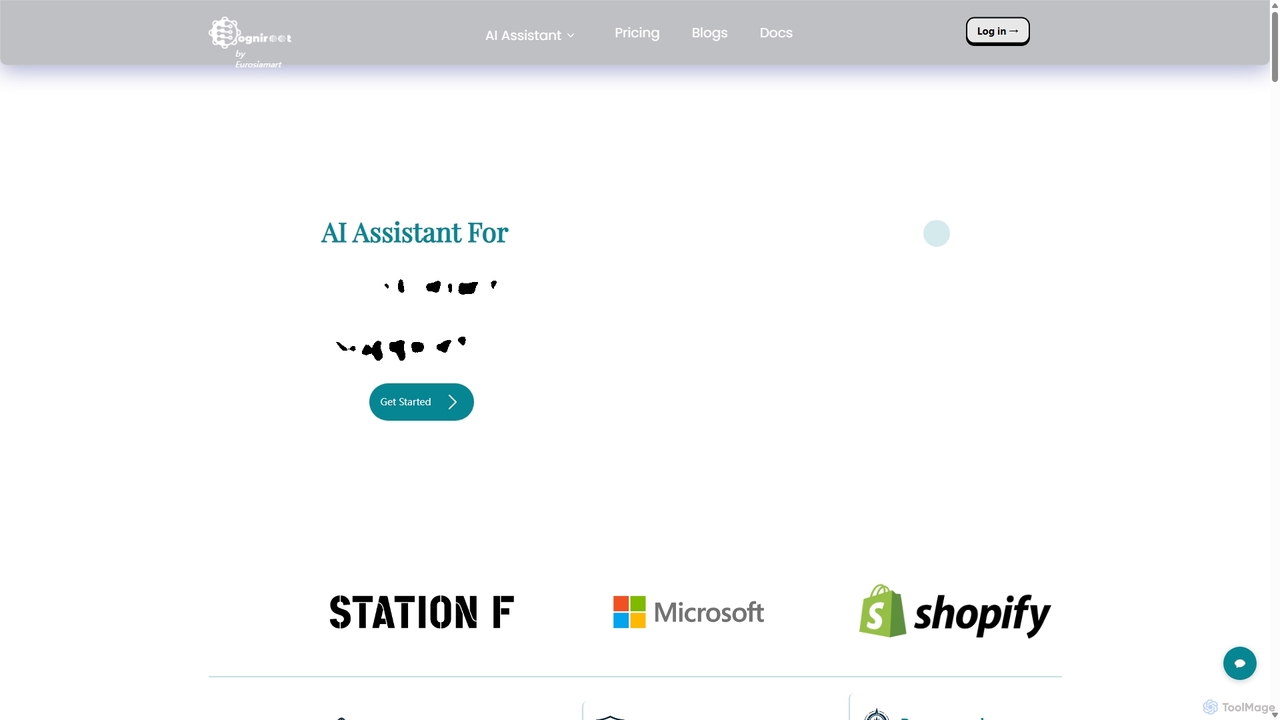
Cogniroot is an AI assistant platform that enables businesses to create and deploy intelligent chatbots across websites, WhatsApp, and phone calls. It specializes in enhancing customer service, automating appointment scheduling, and boosting lead generation with customizable, no-code solutions tailored to your brand.

Chatbots
Visits 5.6KFavorites 157Likes 144
Zomani
Freemium

Zomani

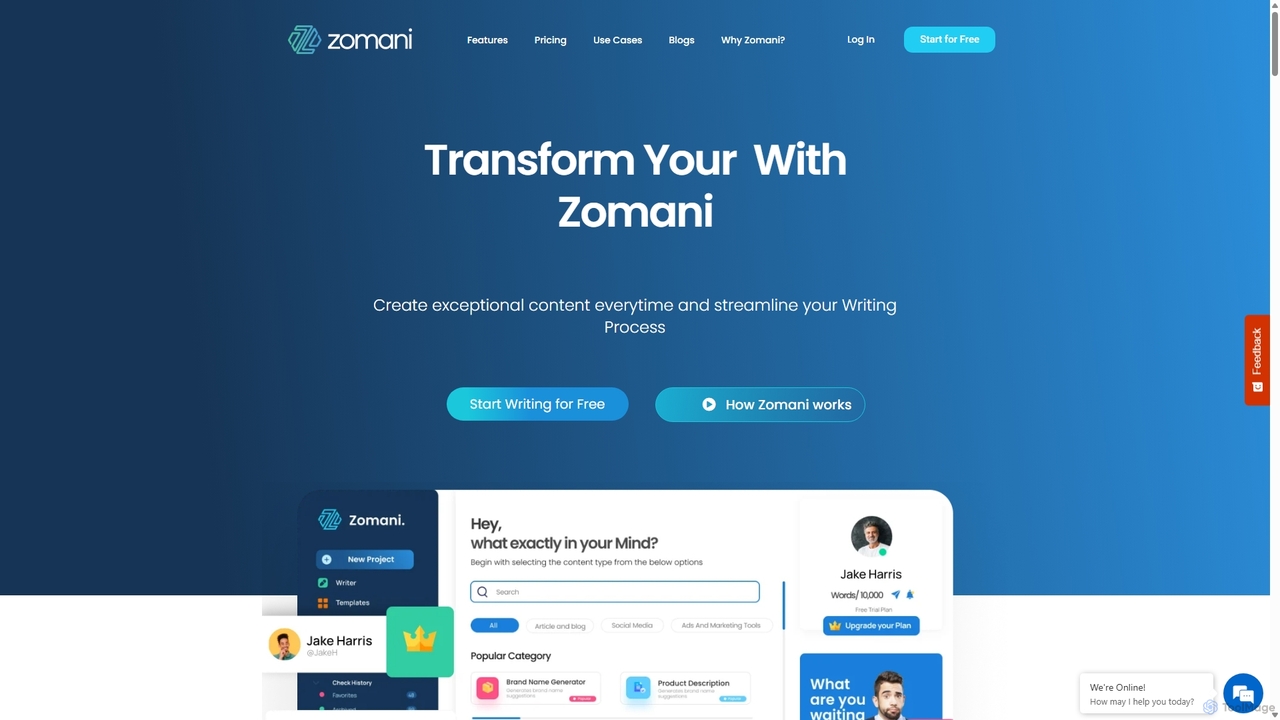
Zomani is an all-in-one AI platform designed to streamline content creation, digital marketing, and lead generation. It functions as an advanced AI copywriter, SEO writer, AI art generator, and a customizable AI chatbot builder, offering a comprehensive suite for marketers, writers, and businesses to enhance productivity and produce high-quality content efficiently.

Chatbots
Visits 5.5KFavorites 115Likes 111
Chat Whisperer
Freemium

Chat Whisperer

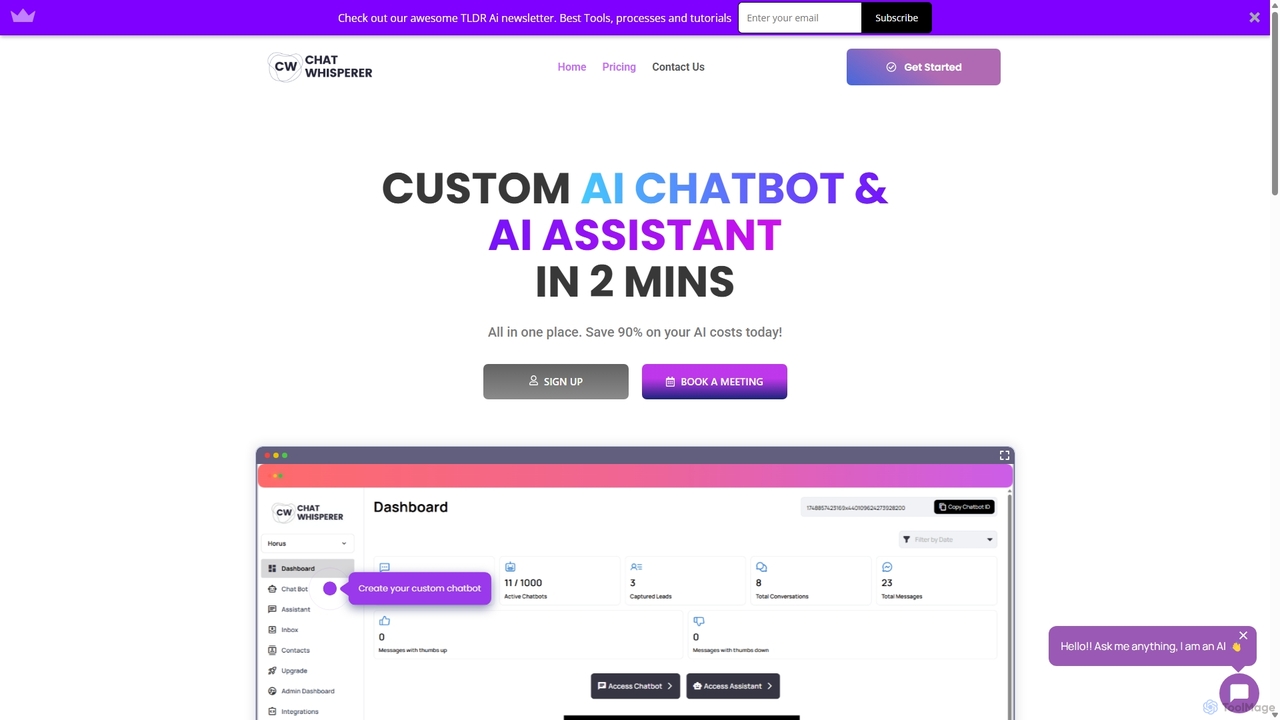
Chat Whisperer is an all-in-one AI platform that enables businesses to create custom AI chatbots and assistants in minutes. It leverages powerful models like GPT and Claude to automate customer support, streamline workflows, and enhance team collaboration. By connecting data from websites, PDFs, and other documents, it provides instant, accurate answers to queries, saving up to 90% on AI costs with a flexible pay-per-use model. It's designed for scalability, security, and seamless integration with existing business tools.

Lead Generation
Visits 7.8KFavorites 133Likes 122
ChatSimple.ai
Freemium

ChatSimple.ai

ChatSimple.ai is an AI-powered chatbot platform designed to help businesses automate customer support, capture leads, and engage website visitors 24/7. With its intuitive no-code builder, you can create and deploy intelligent chatbots in minutes to answer FAQs, qualify leads, and schedule appointments, ultimately boosting conversions and improving customer satisfaction.

Chatbots
Visits 5.5KFavorites 128Likes 125
Eesel
Freemium

Eesel

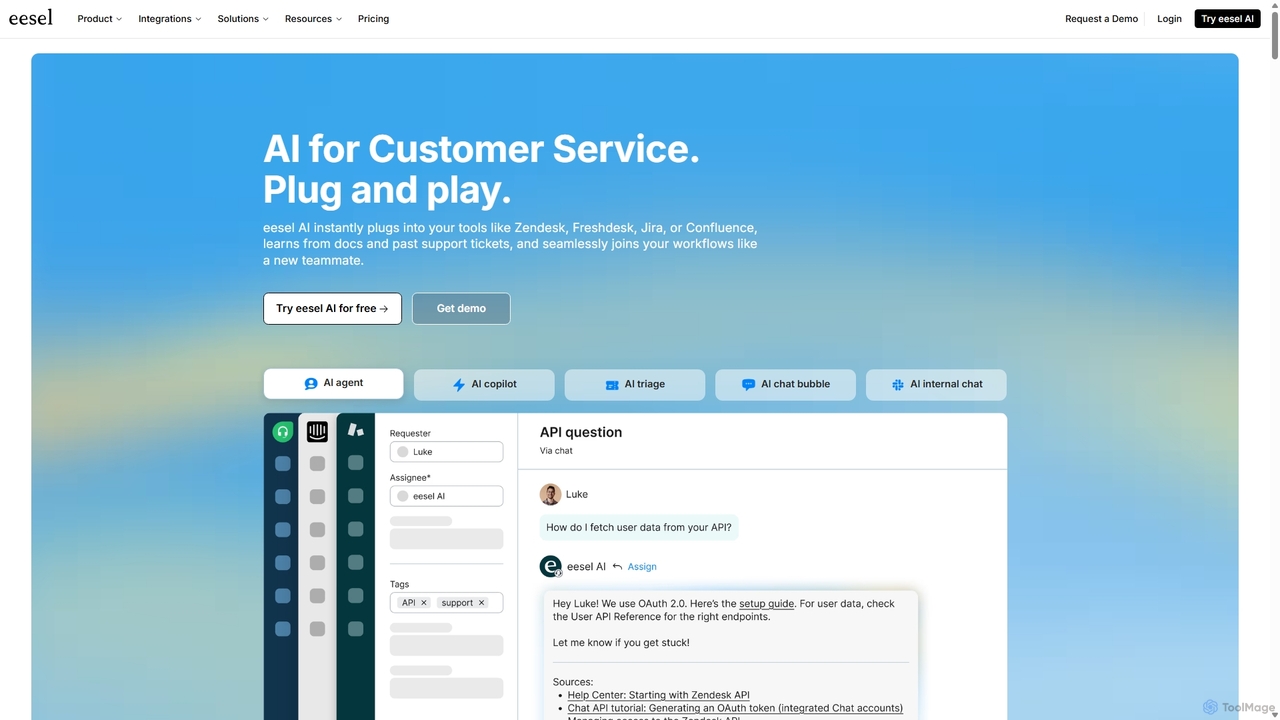
Eesel is an AI platform designed to automate and enhance customer service and support. It integrates seamlessly with tools like Zendesk, Freshdesk, and Slack, learning from your existing documentation and past tickets. Eesel offers AI agents for autonomous support, a copilot for human agents, AI-powered ticket triage, and internal knowledge bots. This helps teams resolve issues faster, improve efficiency, and provide consistent, 24/7 support across all channels.

Knowledge Management
Visits 609.7KFavorites 133Likes 128
MyGPT
Freemium

MyGPT

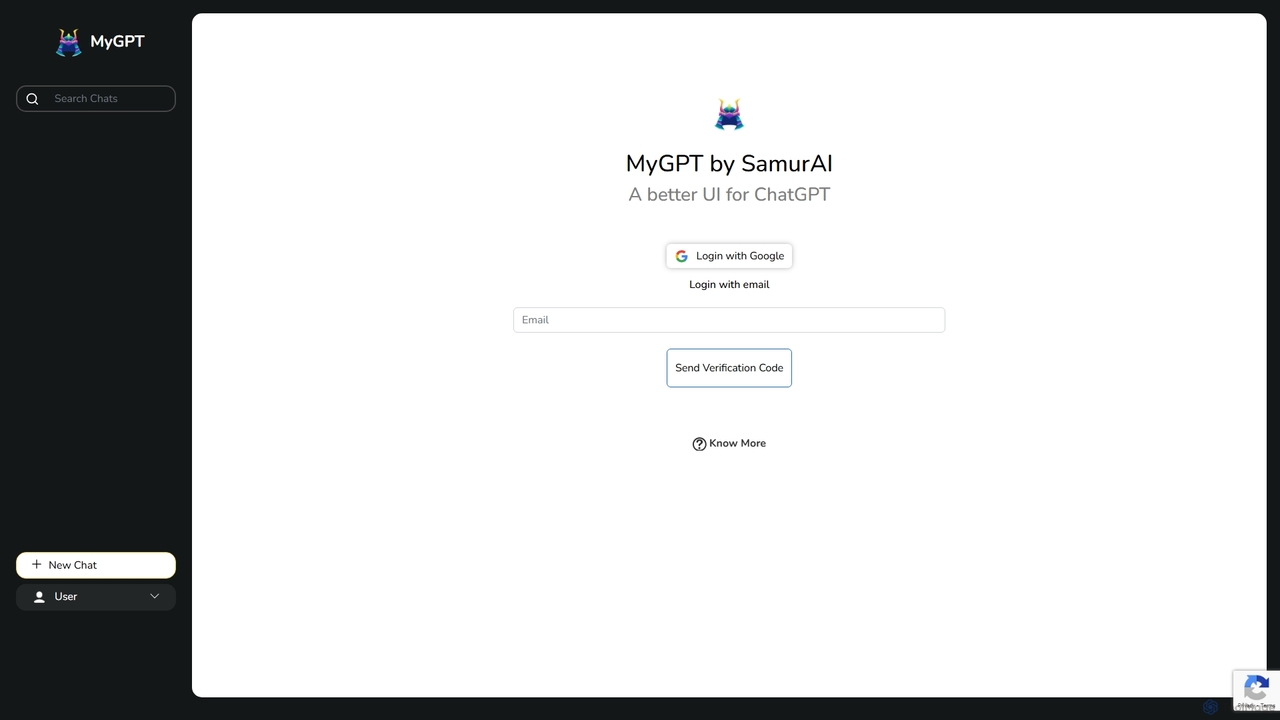
MyGPT is an advanced platform offering a superior UI for ChatGPT, enhanced with powerful features like AutoGPT for autonomous tasks, EmbedAI for custom website chatbots, and GPT Actions for real-world API integrations. Build, automate, and deploy AI with ease.

Chatbots
Visits 5.8KFavorites 130Likes 127
D-ID Agents
Freemium

D-ID Agents

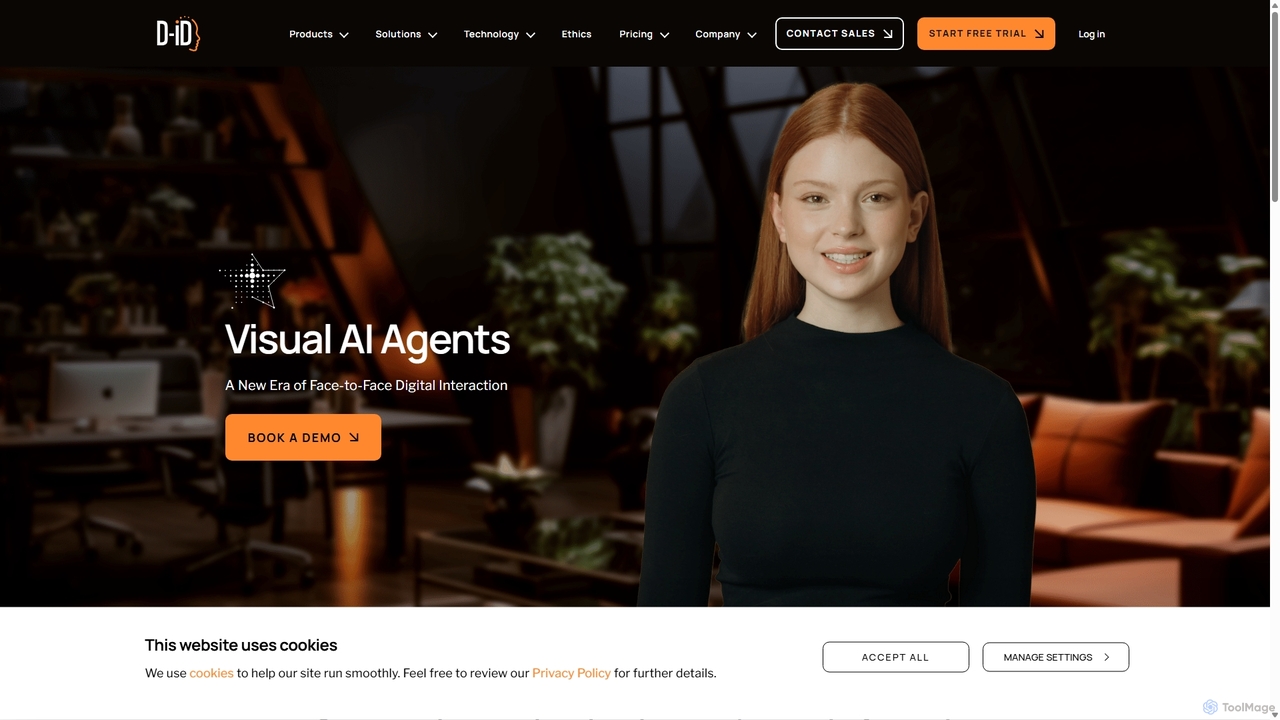
D-ID Agents is a platform for creating and interacting with lifelike digital humans. Powered by generative AI, it enables real-time, face-to-face conversations with AI avatars, transforming user engagement for customer service, sales, and training. Users can easily design, manage, and deploy AI agents that offer a more personal and intuitive interface for digital interactions.

Chatbots
Visits 688.6KFavorites 154Likes 160

About Chatbots

Chatbots are AI-powered conversational programs designed to simulate human-like interactions with users through text or voice. Leveraging Natural Language Processing (NLP), they understand user intent, process requests, and provide relevant, real-time responses. As a key component of modern customer support, chatbots automate routine inquiries, guide users to solutions, and offer 24/7 availability. Unlike static FAQ pages, they provide a dynamic and interactive experience, capable of handling tasks from answering questions to processing orders.

Core Features

  • Natural Language Understanding (NLU): Interprets user intent, entities, and sentiment from unstructured language to provide accurate answers.
  • 24/7 Automated Responses: Provides instant support and information around the clock, reducing customer wait times.
  • Multi-channel Integration: Deploys consistently across websites, mobile apps, and messaging platforms like Messenger or WhatsApp.
  • Visual Flow Builder: Allows for the creation and customization of conversational paths using a drag-and-drop interface, often without coding.
  • Live Agent Handoff: Seamlessly transfers complex or sensitive conversations to a human agent when AI cannot resolve the issue.

Use Cases

Chatbots are widely used in e-commerce for order tracking and product recommendations, in SaaS for initial user onboarding and troubleshooting, and in healthcare for scheduling appointments. Internally, companies deploy them as IT helpdesks to resolve common technical issues for employees, streamlining support operations.

How to Choose

When selecting a chatbot tool, evaluate its NLP capabilities and language support. Consider its integration options with your existing CRM, helpdesk software, and communication channels. Assess the ease of use of its conversation builder and its scalability to handle growing query volumes. Finally, review its analytics features for insights into user interactions and performance.

Featured tool rankings

Chatbots use cases

1

Automate E-commerce Customer Service

An e-commerce manager implements a chatbot on their online store to handle common customer inquiries. When a customer asks, "Where is my order?", the chatbot authenticates the user, integrates with the store's backend system (like Shopify), retrieves the real-time shipping status, and provides a direct tracking link. This process deflects numerous routine tickets from the human support team, allowing them to focus on complex issues like returns or product defects, while improving customer satisfaction with instant, 24/7 answers.

2

Qualify Leads on a B2B Website

A marketing team uses a chatbot on their company's website to engage visitors proactively. The chatbot asks targeted questions to determine a visitor's needs, company size, and role. Based on the responses, it qualifies them as a Marketing Qualified Lead (MQL). For qualified leads, the chatbot can directly schedule a demo with a sales representative by integrating with their calendar, or route them to relevant case studies. This automates the top of the sales funnel, ensuring the sales team spends time only on high-potential prospects.

3

Provide 24/7 Internal IT Helpdesk Support

An IT department deploys a chatbot on the company's internal communication platform, like Slack or Microsoft Teams. When an employee faces a common issue, such as a password reset or VPN connection problem, they can message the chatbot first. The bot guides them through a series of troubleshooting steps. If the issue persists, the chatbot automatically creates a support ticket in the IT service management system (e.g., Jira Service Desk) with all the collected information, reducing resolution time and freeing up IT staff for more complex tasks.

4

Streamline Appointment Scheduling for Clinics

A healthcare clinic uses a chatbot on its website to manage patient bookings. A patient can initiate a conversation to schedule an appointment. The chatbot asks for the required specialty, preferred doctor, and desired date range. It then integrates with the clinic's scheduling software to display available time slots. The patient selects a slot, confirms their details, and the appointment is booked automatically. The system can also send automated reminders, reducing no-shows and administrative workload for the front-desk staff.

5

Guide New Users Through SaaS Product Onboarding

A product manager for a SaaS company implements an in-app chatbot to improve user activation. When a new user signs up, the chatbot initiates a welcome sequence, guiding them through critical first steps like setting up their profile or creating their first project. It can proactively point out key features and answer common "how-to" questions contextually. This interactive guidance helps users reach their "aha!" moment faster, reducing churn and increasing the likelihood of converting from a free trial to a paid subscription.

6

Facilitate Food Ordering and Reservations

A restaurant owner integrates a chatbot into their Facebook Messenger and website. Customers can interact with the bot to browse the menu, place a delivery or takeout order, and pay directly within the chat interface. The chatbot can also handle table reservations by checking real-time availability and confirming bookings. This provides a convenient, mobile-friendly channel for customers and reduces the time staff spend on the phone, allowing them to focus on in-person service.

Chatbots FAQ

What is an AI Chatbot?

An AI chatbot is a software application designed to simulate human conversation through text or voice commands. Unlike simple rule-based bots, AI chatbots use technologies like Natural Language Processing (NLP) and machine learning to understand the context and intent behind a user's query. This allows them to handle complex conversations, learn from interactions, and provide more accurate and personalized responses for tasks like customer support, lead generation, and user assistance.

How to choose the right chatbot for my business?

To choose the right chatbot, consider these factors:

  • Primary Goal: Determine if you need it for customer support, sales, or marketing. This will define the required features.
  • Integration Capabilities: Ensure it can connect with your essential tools like CRM, helpdesk software, and messaging platforms.
  • Ease of Use: Decide between a no-code platform for non-technical users or a more complex framework for developers.
  • NLP Performance: Evaluate its ability to understand user intent accurately in the languages you support.
  • Scalability: Choose a solution that can grow with your business and handle increasing conversation volumes.
What's the difference between an AI chatbot and a rule-based chatbot?

The key difference lies in how they process information. A rule-based chatbot follows a pre-defined script or decision tree. It can only respond to specific commands and keywords it's programmed to recognize. In contrast, an AI chatbot uses Natural Language Processing (NLP) to understand intent, context, and variations in user language. This allows AI chatbots to handle a wider range of queries, learn from conversations, and provide a more natural, human-like interaction, making them better suited for complex customer support scenarios.

What are the main benefits of using a chatbot for customer support?

Using a chatbot in customer support offers several key benefits. It provides 24/7 availability, allowing customers to get instant answers outside of business hours. It significantly reduces response times for common questions, improving customer satisfaction. By automating routine inquiries, chatbots free up human agents to focus on more complex, high-value issues. They can also handle a large volume of simultaneous conversations, making support operations highly scalable and cost-effective.

Can chatbots integrate with other business systems?

Yes, integration is a critical feature of modern chatbot platforms. They are designed to connect with a wide range of business systems to provide personalized and context-aware service. Common integrations include:

  • CRM systems (like Salesforce) to access customer history.
  • Helpdesk software (like Zendesk) to create and manage support tickets.
  • E-commerce platforms (like Shopify) to track orders and manage inventory.
  • Communication channels (like Slack, Messenger, WhatsApp) to meet users where they are.

These integrations allow the chatbot to perform actions, not just answer questions, making it a powerful automation tool.