ToolMage
Sign in

Best 26 Feedback Collection AI tools for Customer Support

Popular Feedback Collection AI tools in Customer Support include Typeform, SurveySparrow, Jam, ScoreApp, Delighted, VideoAsk, Makeform, Yay! Forms, Famewall, and Formless, helping you work more efficiently.

Delighted
Freemium

Delighted

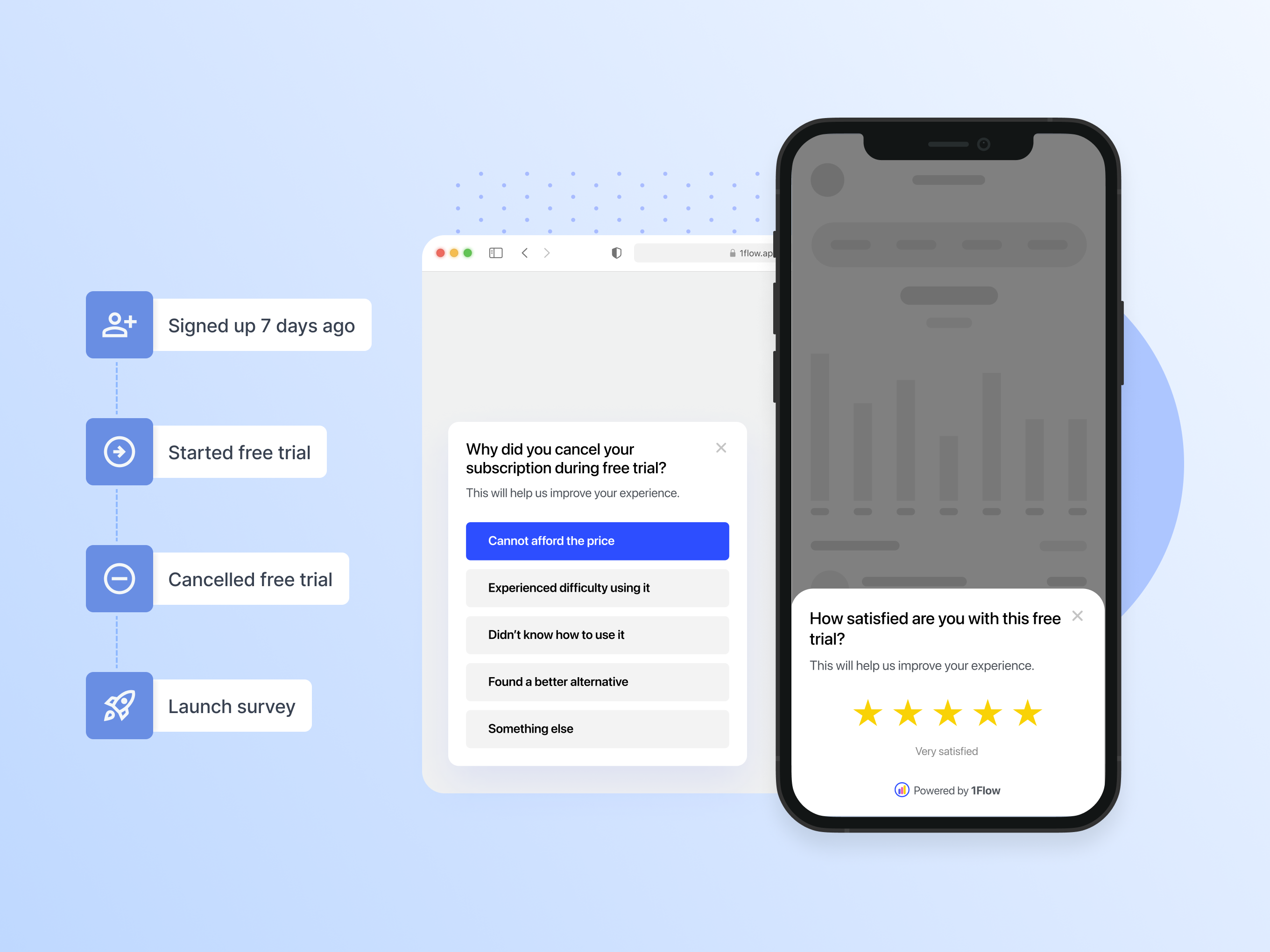
Delighted is a comprehensive experience management (XM) platform that helps businesses gather, analyze, and act on customer and employee feedback. Using AI-powered surveys like NPS, CSAT, and eNPS, it provides real-time insights through various channels and integrates seamlessly with tools like Slack, Salesforce, and Zendesk to streamline feedback workflows.

Feedback Collection
Visits 372.4KFavorites 142Likes 136

Feedbase
Freemium

Feedbase

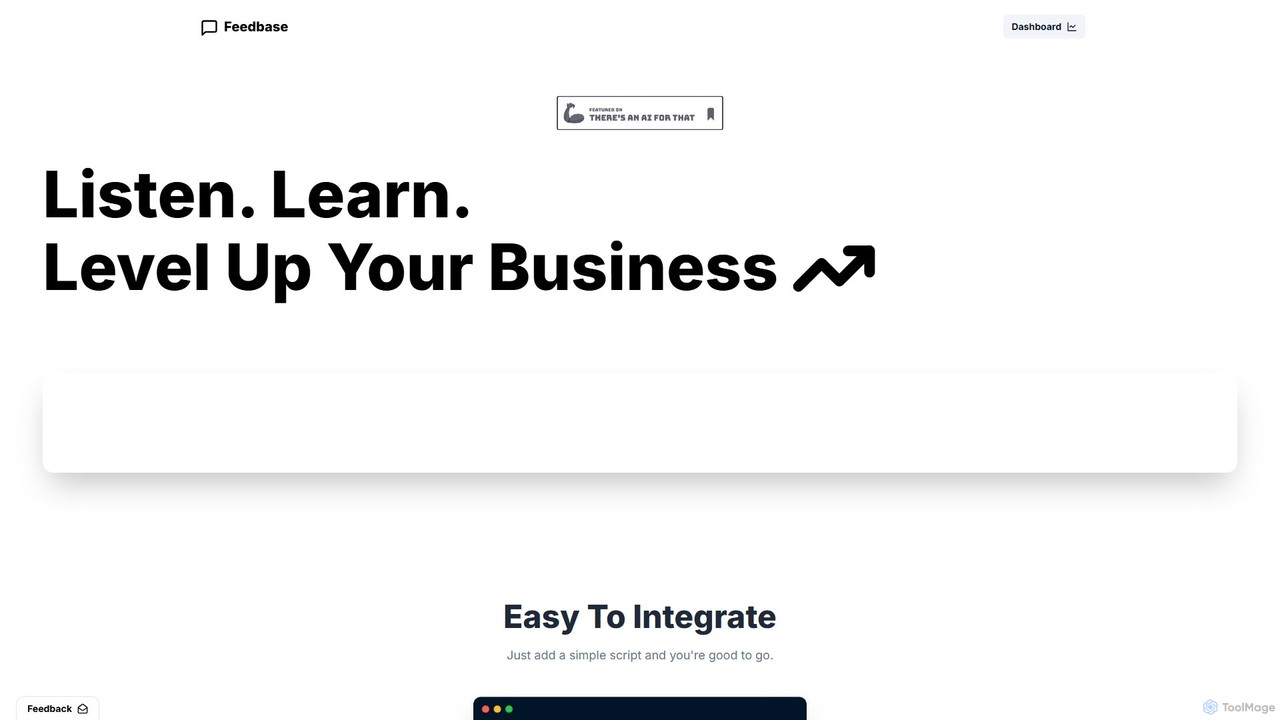
Feedbase is an AI-powered customer feedback platform that helps businesses listen, learn, and grow. By integrating a simple, minimalistic widget onto your website, you can effortlessly collect user feedback and use an AI-powered dashboard to gain actionable insights and analytics.

Analytics
Visits 5.7KFavorites 124Likes 137

About Feedback Collection

Feedback Collection tools are AI-powered platforms designed to systematically gather, analyze, and act upon customer and user insights, forming a crucial component of effective customer support strategies. These advanced tools leverage natural language processing (NLP), sentiment analysis, and machine learning to extract meaningful data from various sources, transforming raw input into actionable intelligence. By automating the collection and interpretation of feedback, businesses can gain deeper understanding of customer needs, identify pain points, and continuously improve products, services, and overall customer experience.

Core Features

  • Automated Survey Generation: AI can design and deploy targeted surveys based on user behavior or specific events, optimizing question relevance and response rates.
  • Sentiment Analysis: Automatically detect and categorize the emotional tone (positive, negative, neutral) within text feedback from reviews, social media, and open-ended survey responses.
  • Topic Extraction: Identify recurring themes and key topics from large volumes of unstructured feedback, highlighting common issues or popular requests.
  • Multi-channel Integration: Seamlessly collect feedback from diverse sources including websites, apps, email, social media, and in-product prompts.
  • Predictive Analytics: Use historical feedback data to forecast potential customer churn or identify areas for proactive intervention.

Use Cases

Businesses across various sectors utilize AI feedback collection to enhance their offerings. For instance, e-commerce platforms gather post-purchase reviews to refine product descriptions and identify popular items. Software companies collect in-app feedback to prioritize feature development and improve user interface. Service providers use sentiment analysis on support interactions to train agents and optimize service delivery, ensuring a responsive and customer-centric approach.

How to Choose

When selecting an AI feedback collection tool, consider its integration capabilities with existing CRM or support systems to ensure a unified data flow. Evaluate the depth and accuracy of its AI analytics, particularly for sentiment and topic extraction, to guarantee reliable insights. Assess the flexibility of its survey and feedback form builders, and review its pricing model based on usage volume and required features. Finally, prioritize tools offering robust data privacy and compliance measures.

Featured tool rankings

Feedback Collection use cases

1

Enhance E-commerce Product Pages with Post-Purchase Insights

An e-commerce manager uses AI feedback collection tools to automatically solicit and analyze reviews after customer purchases. The AI identifies common praises and complaints about product features, delivery, or service. This data helps the manager refine product descriptions, highlight key benefits, address recurring issues, and ultimately improve conversion rates and customer satisfaction by showcasing relevant, positive feedback.

2

Prioritize Software Feature Development Based on User Feedback

A product manager for a SaaS application deploys in-app feedback widgets and uses AI to analyze user suggestions, bug reports, and feature requests. The AI categorizes feedback by topic, identifies sentiment, and highlights frequently requested features. This allows the product team to prioritize development efforts, allocate resources effectively, and build features that genuinely address user needs, leading to higher user adoption and retention.

3

Monitor and Respond to Customer Sentiment Across Social Media

A marketing team utilizes AI feedback collection to continuously monitor mentions of their brand and products across social media platforms. The AI performs real-time sentiment analysis on posts, comments, and direct messages, alerting the team to critical issues or emerging trends. This enables prompt responses to negative feedback, engagement with positive mentions, and proactive management of brand reputation, enhancing customer loyalty.

4

Streamline Employee Feedback for HR and Organizational Development

An HR department implements an AI-powered feedback system for anonymous employee surveys and suggestion boxes. The AI analyzes responses to identify common themes related to workplace culture, management effectiveness, or training needs. This provides HR with objective, aggregated insights to develop targeted initiatives for employee engagement, professional development, and overall organizational health, fostering a more positive work environment.

5

Optimize Customer Service Interactions Through Post-Interaction Surveys

A customer support lead uses AI feedback tools to automatically send short surveys after each support interaction (e.g., chat, email, call). The AI analyzes responses for agent performance, resolution effectiveness, and overall customer satisfaction. This data helps identify training gaps for support agents, refine knowledge base articles, and optimize support workflows, leading to faster resolution times and improved service quality.

6

Gather Real-time Feedback During Live Events and Webinars

An event organizer uses AI feedback collection to gather immediate reactions and suggestions from attendees during live virtual or in-person events. Through interactive polls, open-ended questions, or sentiment analysis of chat comments, the AI provides instant insights into content engagement, speaker effectiveness, and logistical issues. This allows for on-the-fly adjustments and informs future event planning, ensuring a more impactful experience for participants.

Feedback Collection FAQ

What are AI Feedback Collection tools?

AI Feedback Collection tools are advanced software solutions that leverage artificial intelligence, primarily natural language processing (NLP) and machine learning, to automate the process of gathering, analyzing, and interpreting customer and user feedback. Unlike traditional survey tools, they can automatically extract sentiment, identify key topics, and uncover hidden patterns from large volumes of unstructured data, such as open-ended text responses, reviews, and social media comments. They are essential for businesses seeking to understand their audience deeply and improve customer experience.

How do AI tools enhance traditional feedback collection methods?

AI tools significantly enhance traditional feedback collection by automating analysis, providing deeper insights, and enabling real-time action. While traditional methods often require manual review of responses, AI can process vast datasets quickly, identify sentiment, and categorize topics with high accuracy. This automation saves time, reduces human error, and reveals trends that might be missed manually. Furthermore, AI can personalize feedback requests and predict potential issues, moving beyond simple data gathering to proactive intelligence.

What should I consider when choosing an AI Feedback Collection platform?

When selecting an AI Feedback Collection platform, prioritize its analytical capabilities, specifically the accuracy of its sentiment analysis and topic extraction. Ensure it offers robust multi-channel integration to collect feedback from all your relevant touchpoints (e.g., web, app, email, social media). Evaluate its customization options for surveys and feedback forms, and consider its scalability to handle growing data volumes. Finally, assess its reporting and visualization features for clear, actionable insights, and verify its data security and compliance standards.

Can AI Feedback Collection tools integrate with existing CRM or support systems?

Yes, most modern AI Feedback Collection tools are designed with robust integration capabilities to connect seamlessly with existing CRM (Customer Relationship Management) systems, customer support platforms, and other business intelligence tools. This integration allows for a unified view of customer data, enabling businesses to link feedback directly to customer profiles, trigger automated follow-ups, and enrich their overall customer understanding. Such connectivity ensures that feedback insights are not siloed but actively contribute to broader business strategies and operational improvements.

What's the key difference between AI Feedback Collection and traditional survey tools?

The key difference lies in their analytical depth and automation. Traditional survey tools primarily focus on structured data collection through predefined questions and multiple-choice answers, requiring manual analysis for open-ended responses. AI Feedback Collection tools, while also capable of structured data, excel at processing unstructured data (like free-text comments, reviews, and social media posts) using NLP and machine learning. They automatically identify sentiment, extract themes, and uncover insights without extensive manual effort, providing a more comprehensive and efficient understanding of customer sentiment and needs.