Customer Support Best in category 12 results Onboarding AI Tool

Popular AI tools in the Onboarding field of Customer Support include Storylane、Arcade、Supademo、Arrows、Flowla、sharefable、DemoDazzle、Folio、Cleon、Cleva, etc., helping you quickly improve efficiency.

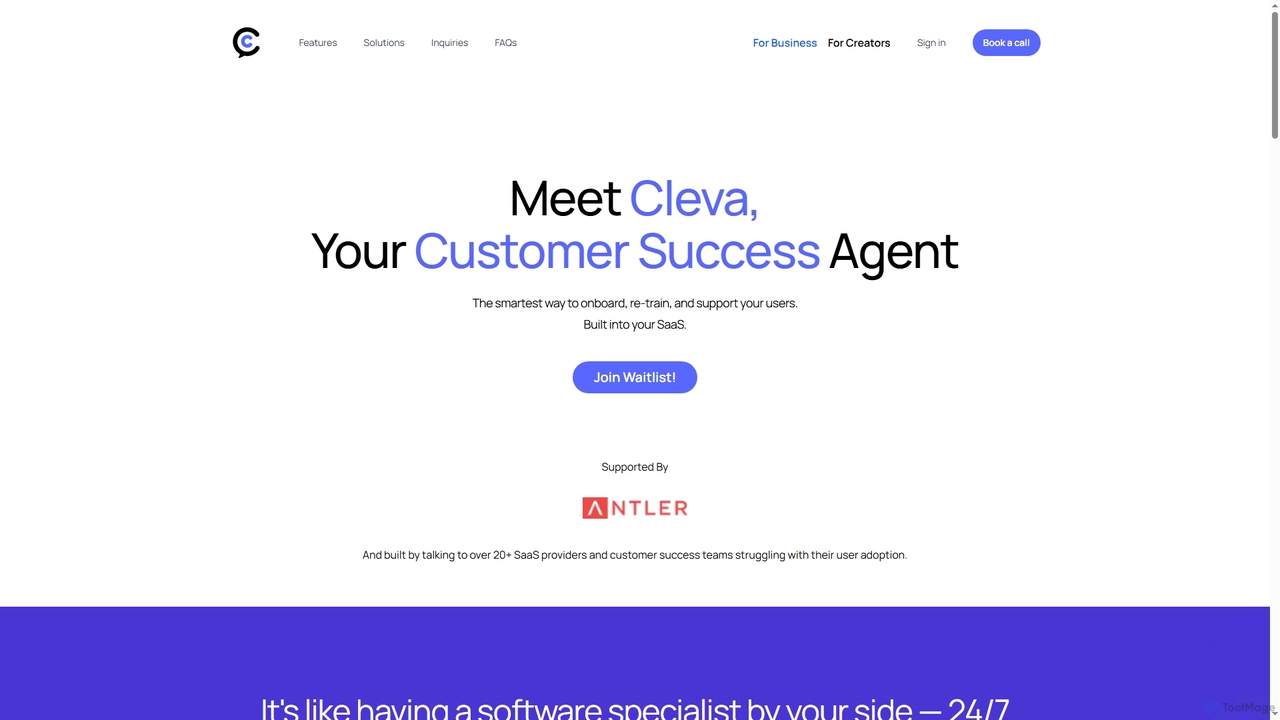
Cleva

Cleva

Cleva is an AI-powered training agent for SaaS platforms and creative software. It integrates directly into applications to …

3.6K
DemoGPT

DemoGPT

DemoGPT is an AI-powered platform that instantly creates interactive product demos and guided tutorials. Simply provide a text …

2.6K
sharefable

sharefable

sharefable is an AI-powered platform for creating interactive product demos without any code. It helps sales, marketing, and …

8.6K
Supademo

Supademo

Supademo is an AI-powered platform for creating interactive product demos and guided tours in minutes. It helps sales, …

336.3K
Flowla

Flowla

Flowla is an AI-powered client-facing workspace for sales and customer success teams. It creates collaborative Digital Sales Rooms …

26.1K
Storylane

Storylane

Storylane is an AI-native demo automation platform that empowers sales and marketing teams to create personalized, interactive product …

498.4K
DemoDazzle

DemoDazzle

DemoDazzle is an AI-powered platform that transforms standard product walkthroughs into interactive, automated demos. It allows users to …

5.7K
Folio

Folio

Folio is a no-code interactive product demo platform designed for SaaS go-to-market teams. It enables users to create, …

5.1K
Arcade

Arcade

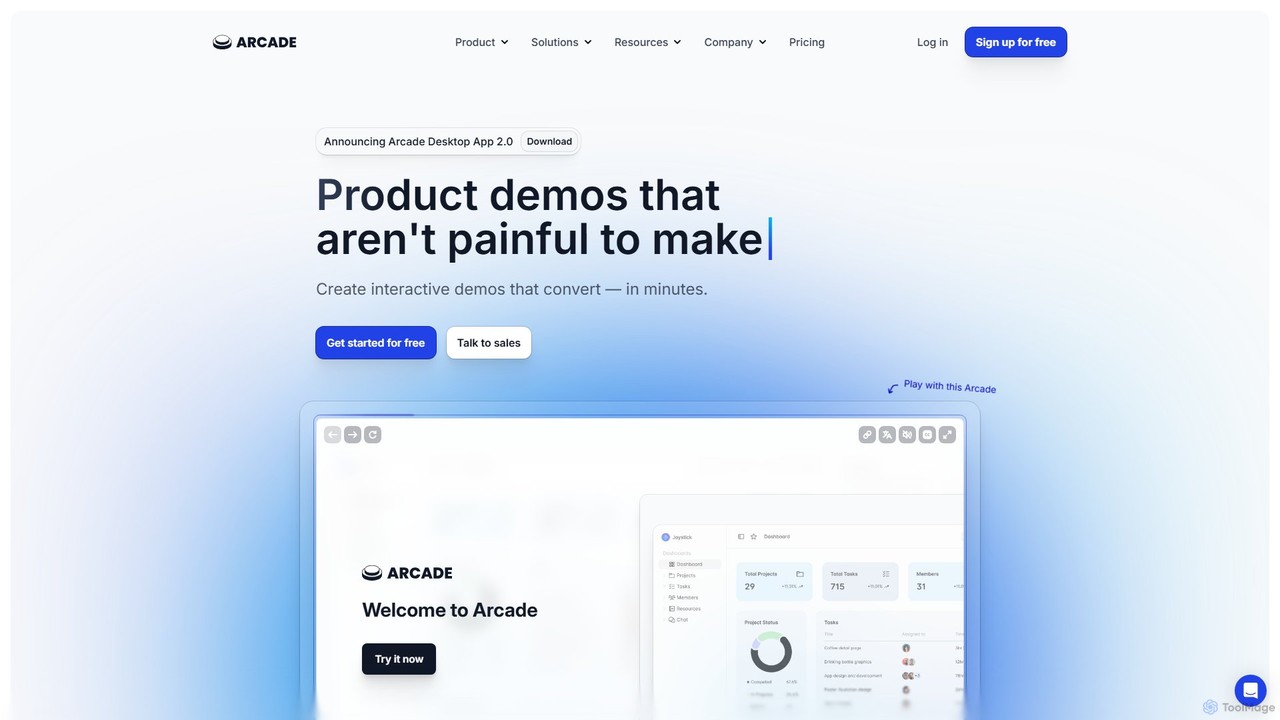
Arcade is a powerful platform that enables teams to create interactive product demos in minutes without any coding. …

411.2K
Arrows

Arrows

Arrows is a customer collaboration platform designed for HubSpot users. It enables sales and onboarding teams to create …

49.4K
Cleon

Cleon

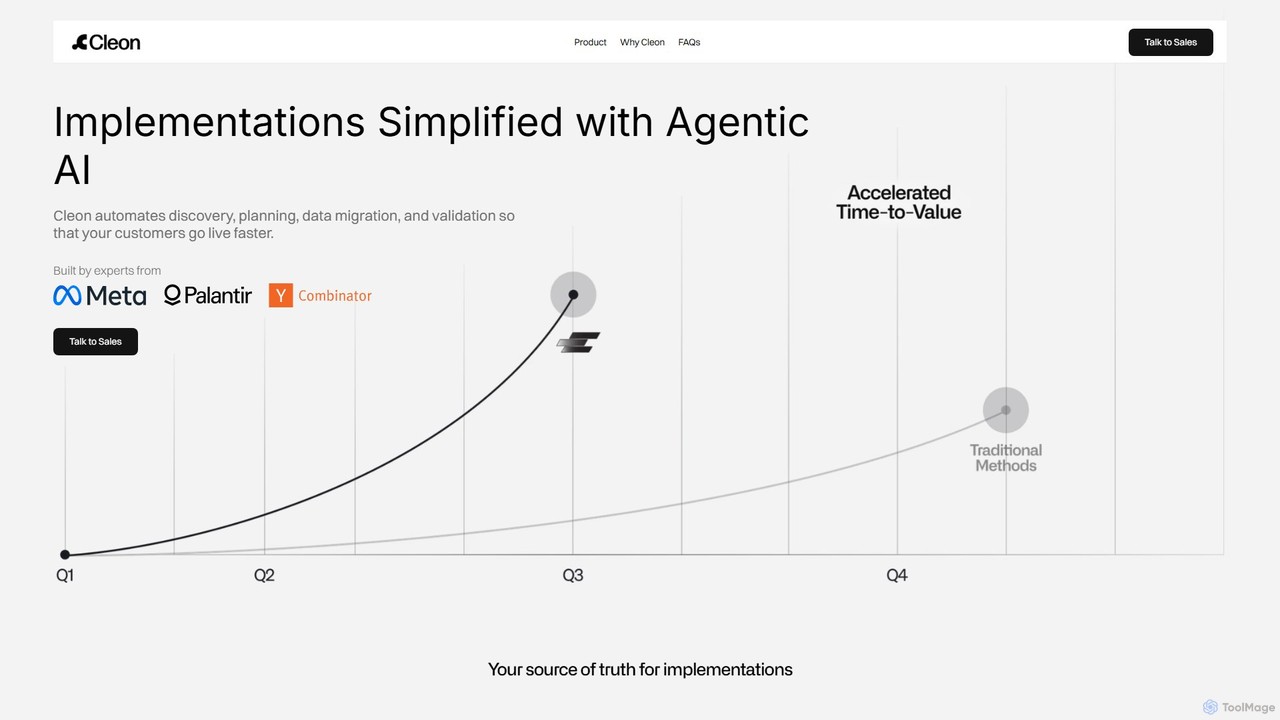
Cleon is an agentic AI platform that automates and simplifies complex customer implementations. It streamlines discovery, planning, data …

3.7K
Fluidworks

Fluidworks

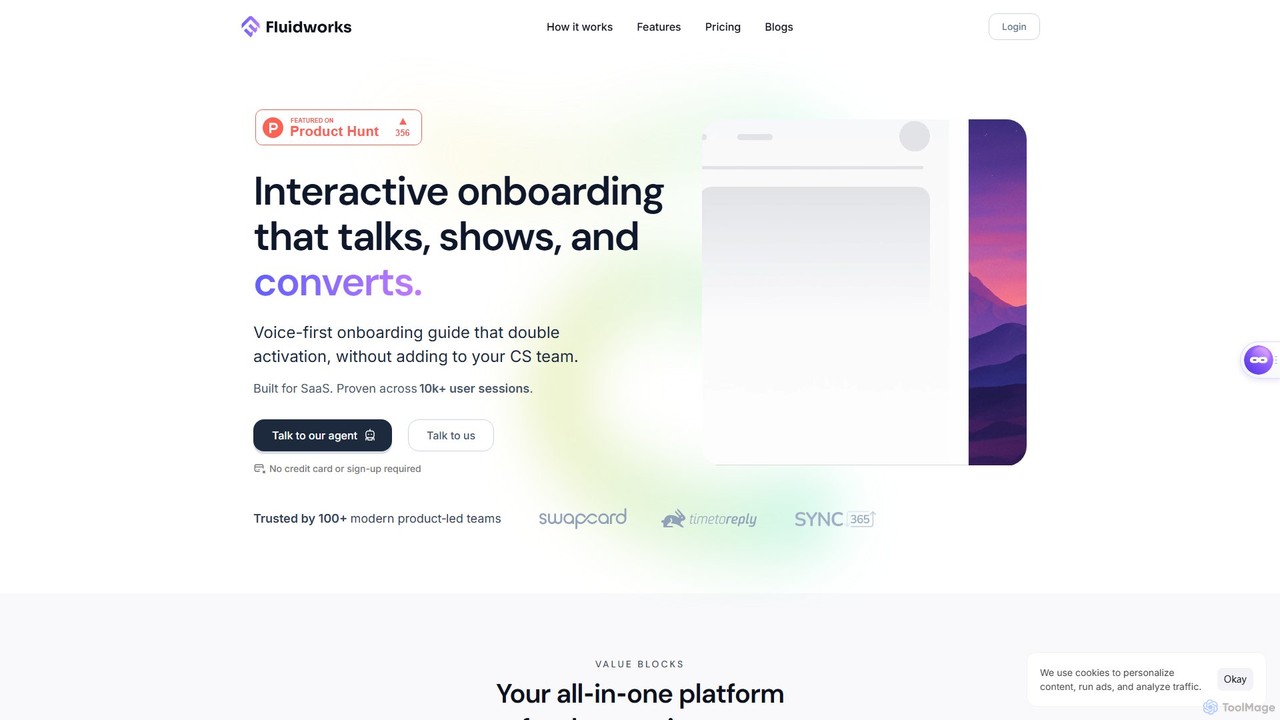
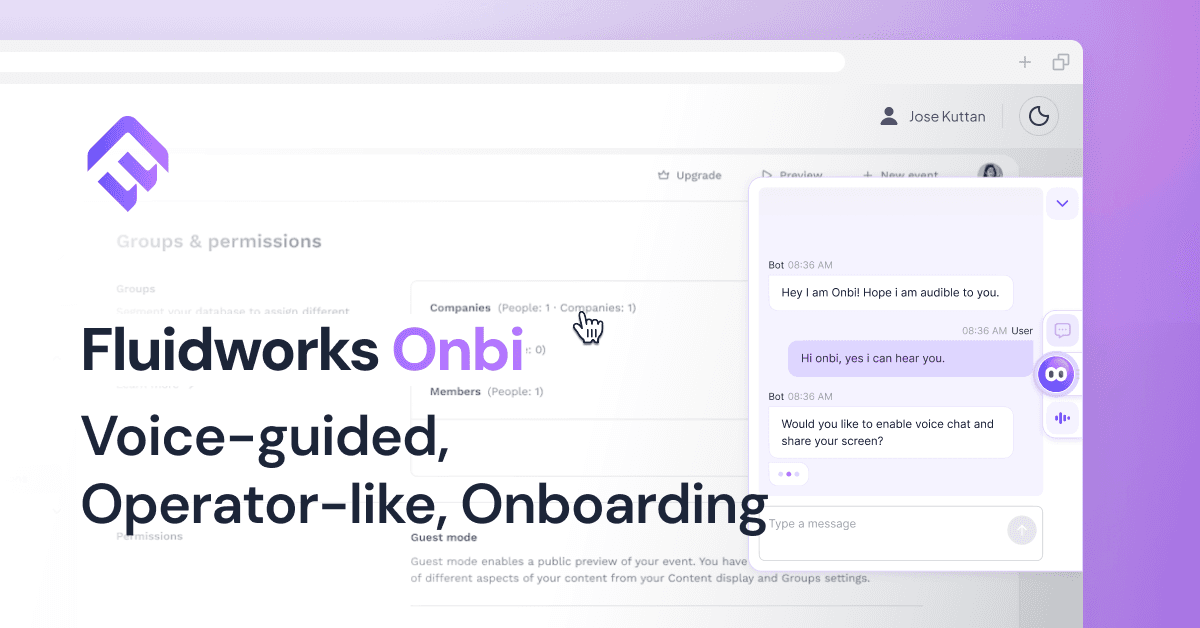
Fluidworks is an AI-powered platform that delivers voice-guided, interactive onboarding for SaaS applications. It acts as an AI …

3.4K

About Onboarding

AI Onboarding tools are specialized platforms designed to automate and personalize the initial user experience with a product or service. They leverage artificial intelligence to create interactive guides, contextual tips, and tailored workflows that help new users achieve their first success moment quickly. By analyzing user behavior in real-time, these tools can proactively address friction points, significantly improving user activation, feature adoption, and long-term retention. This approach moves beyond static tutorials, offering a dynamic and responsive introduction to a product's value.

Core Features

  • Interactive Product Tours: AI-driven walkthroughs that adapt to user actions and guide them through key features.
  • Personalized Checklists: Dynamically generated task lists based on user roles or stated goals to structure the initial experience.
  • Contextual In-App Messaging: Proactive tips, tooltips, and modals triggered by user behavior to provide help when it's needed most.
  • User Segmentation & Analysis: Automatically categorizes new users and analyzes their initial interactions to identify engagement patterns and churn risks.
  • Automated Welcome Sequences: Creates multi-channel (email, in-app) communication flows to nurture users through the setup process.

Use Cases

These tools are crucial for SaaS companies, mobile app developers, and enterprise software providers aiming to reduce early churn. Product managers and customer success teams use them to ensure users understand core value propositions from day one. They are also applied in e-commerce to guide first-time buyers and in complex platforms to simplify the initial learning curve for new employees or clients.

How to Choose

When selecting an AI Onboarding tool, evaluate its customization capabilities to match your brand's look and feel. Assess the depth of its analytics for understanding user behavior. Check its integration options with your existing CRM and marketing automation platforms. Also, consider the complexity of its no-code/low-code builder for creating and modifying onboarding flows without extensive developer resources.

OnboardingUse Cases

1

Automating SaaS User Activation

A product manager at a B2B SaaS company needs to improve the 30-day retention rate for new sign-ups. They use an AI Onboarding tool to create an interactive product tour that guides users through setting up their first project. The AI analyzes the user's role (e.g., 'Admin', 'Editor') selected during sign-up and customizes the tour to highlight the most relevant features. If a user gets stuck on a specific step for more than 60 seconds, the tool proactively displays a helpful tooltip or a short video tutorial. This reduces support tickets by 40% and increases the project creation rate by 60% in the first week.

2

Enhancing Mobile App Feature Discovery

A mobile app developer for a fitness application wants to ensure new users discover and use key features like 'meal planning' and 'workout tracking'. They implement an AI Onboarding tool that triggers contextual in-app messages. After a user completes their first workout, the AI prompts them to log their post-workout meal. It creates a personalized checklist of 'First Week Goals' that dynamically updates as the user explores the app. This strategy increases the adoption of secondary features by 75% and boosts user engagement within the critical first three days of use.

3

Streamlining Employee Training on Internal Software

An HR department in a large corporation needs to train new hires on a complex internal CRM system. Instead of lengthy manuals, they deploy an AI Onboarding tool directly within the CRM. The tool provides a step-by-step, self-paced guide for common tasks like creating a new client record or generating a report. The AI adapts the training path based on the employee's department, showing sales-specific features to the sales team and support-specific features to the customer service team. This reduces the average time to proficiency for new employees from two weeks to just three days.

4

Guiding First-Time E-commerce Shoppers

An online fashion retailer wants to decrease cart abandonment rates for new customers. They use an AI Onboarding tool to create a seamless first-purchase experience. When a new user adds an item to their cart, a subtle pop-up highlights the 'free shipping' policy and points to the secure checkout button. The tool can also suggest complementary products based on the item in the cart. If the user hesitates on the payment page, a chatbot powered by the tool can proactively offer assistance or clarify questions about return policies, leading to a 15% increase in conversion rates for first-time visitors.

5

Simplifying Developer API Integration

A company providing a payment processing API needs to help developers make their first successful API call as quickly as possible. They embed an AI Onboarding tool into their developer documentation portal. The tool provides an interactive tutorial where developers can input their API keys and test endpoints directly on the page. It offers real-time code validation and contextual error messages. This 'sandbox' experience reduces the time-to-first-call from hours to minutes and significantly lowers the number of basic integration questions sent to the support team.

6

Proactively Reducing Early-Stage User Churn

A customer success manager for a project management tool notices that many users sign up but never invite a team member, a key activation event. They configure an AI Onboarding tool to monitor this specific behavior. If a user hasn't invited a colleague within 48 hours, the system automatically triggers a personalized in-app message explaining the benefits of collaboration and a short GIF showing how to send an invite. This targeted, proactive intervention increases team collaboration metrics by 35% and reduces churn within the first month.

OnboardingFrequently Asked Questions