Layerpath
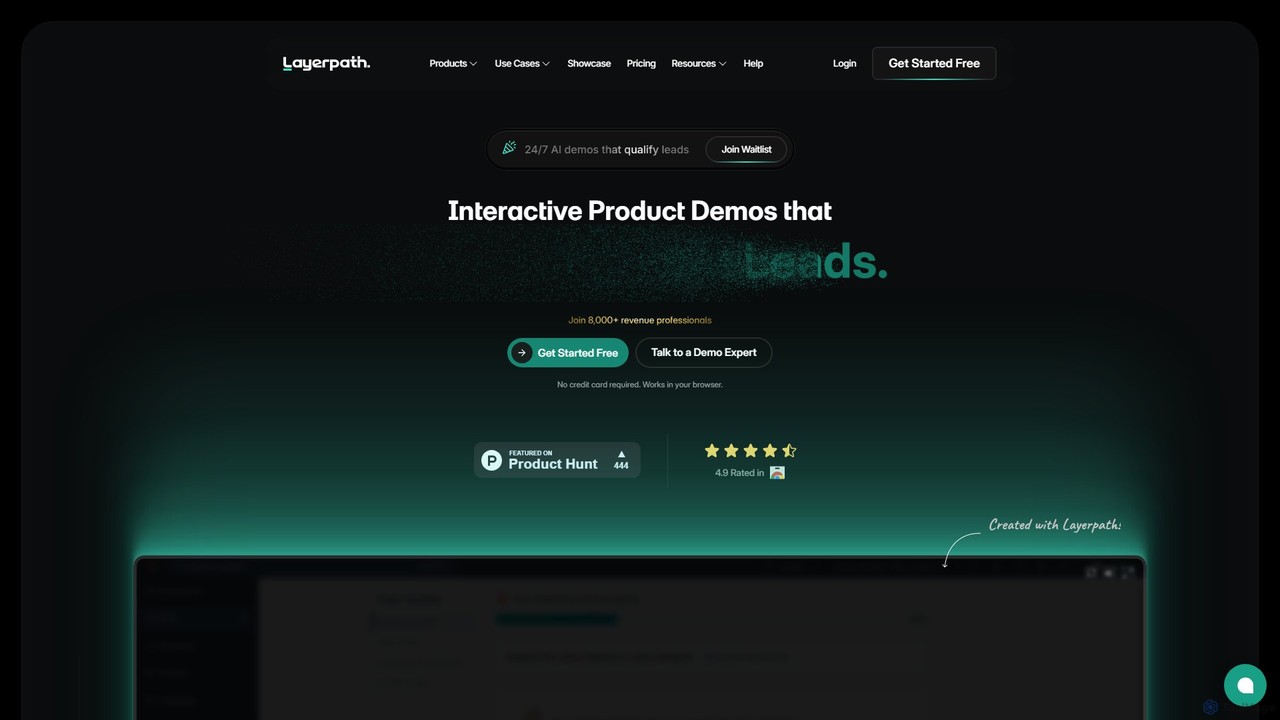
Layerpath is an AI-powered platform for creating interactive product demos, video tutorials, and step-by-step guides. It helps sales, …
Layerpath is an AI-powered platform for creating interactive product demos, video tutorials, and step-by-step guides. It helps sales, marketing, and customer success teams to generate more leads, accelerate user onboarding, and showcase product features effectively without complex editing.
Orango AI
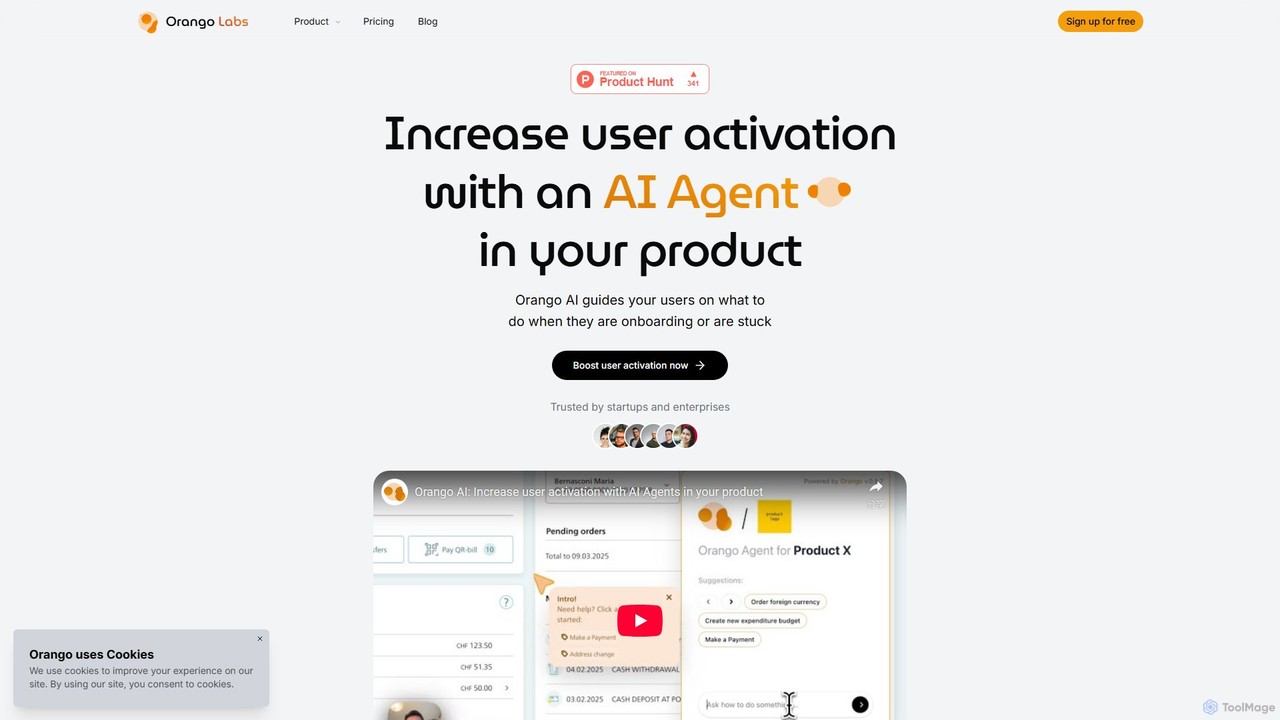
Orango AI is an in-product AI agent designed to boost user activation and reduce churn. It provides real-time, …
Orango AI is an in-product AI agent designed to boost user activation and reduce churn. It provides real-time, interactive guidance by controlling a virtual cursor to show users how to complete tasks, navigate complex workflows, and discover features, effectively acting as an expert co-pilot within your web application.
Layup
Layup is an AI-powered platform that adds a second, intelligent cursor to your product. It provides real-time, interactive …
Layup is an AI-powered platform that adds a second, intelligent cursor to your product. It provides real-time, interactive guidance for user onboarding, feature announcements, and in-app support, aiming to accelerate user adoption and reduce support tickets without manual effort.
PLG OS
PLG OS is an all-in-one, no-code platform designed for SaaS businesses to accelerate product-led growth. It enables the …
PLG OS is an all-in-one, no-code platform designed for SaaS businesses to accelerate product-led growth. It enables the creation of personalized user onboarding, in-app messaging, feedback surveys, and gamification features to boost user activation, engagement, and retention, all without extensive development effort.
Overhyped AI
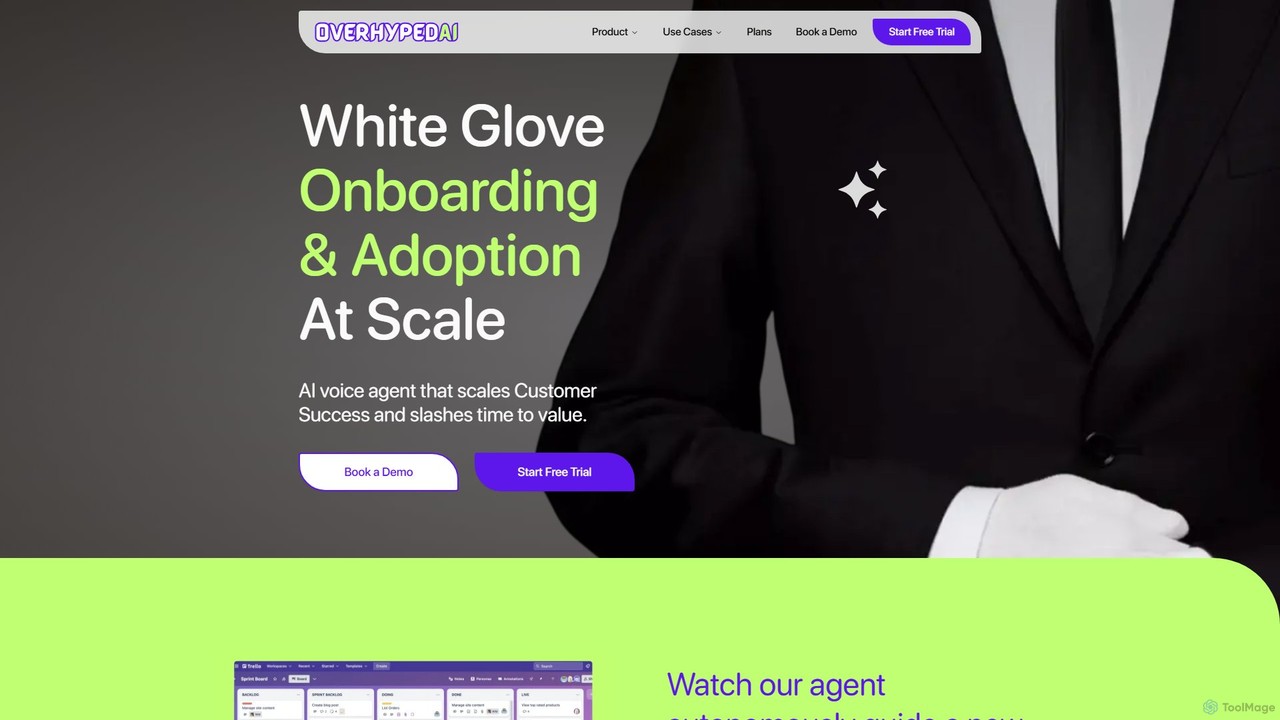
Overhyped AI is an intelligent voice agent designed to automate and scale user onboarding and product adoption. It …
Overhyped AI is an intelligent voice agent designed to automate and scale user onboarding and product adoption. It provides a proactive, human-like voice guide directly within your application, helping users reach their 'aha moment' faster, boosting activation rates, and increasing customer retention.
About User Onboarding
User Onboarding tools are AI-powered platforms designed to create guided, interactive, and personalized experiences for new users within a product or service. They utilize features like interactive walkthroughs, checklists, and contextual in-app messages to accelerate user adoption. The primary goal is to help users understand the product's value quickly, which significantly reduces churn and increases long-term engagement. Unlike static documentation, these tools provide dynamic, real-time assistance directly within the user interface, adapting to user behavior.
Core Features
- Interactive Walkthroughs: Guide users step-by-step through key features and workflows in real-time.
- Personalized Checklists: Provide users with a clear, structured path to complete essential setup and activation tasks.
- In-App Messaging: Deliver targeted tooltips, announcements, and hints contextually without disrupting the user experience.
- User Segmentation: Tailor onboarding flows based on user roles, behavior, or subscription plans for a more relevant experience.
- Performance Analytics: Track completion rates, drop-off points, and user feedback to continuously optimize the onboarding process.
Use Cases
These tools are essential for SaaS platforms, mobile applications, and complex enterprise software aiming to improve user activation. Product managers, UX designers, and customer success teams use them to design and implement effective onboarding journeys. Common goals include reducing early-stage user drop-off, decreasing the volume of basic support tickets, and accelerating time-to-value for new customers.
How to Choose
When selecting a User Onboarding tool, consider four key factors. First, evaluate its integration capabilities with your existing tech stack, such as CRM and analytics tools. Second, assess the level of customization and branding available to ensure a seamless user experience. Third, examine the sophistication of its user segmentation and targeting features. Finally, analyze the depth of its analytics to ensure you can gain actionable insights to improve user journeys.

User OnboardingUse Cases
Guiding New Users Through Key SaaS Features
A product manager for a project management SaaS platform uses an AI onboarding tool to create an interactive product tour. When a new user signs up, the tool automatically triggers a walkthrough that highlights critical first actions like 'Create a Task' and 'Invite Team Members'. This guided experience reduces initial user confusion and has been shown to increase the completion rate of these key actions by 40%, leading to higher activation rates.
Optimizing Mobile App First-Time User Experience
A developer of a fitness mobile app implements a personalized onboarding flow. Based on the user's stated goals during signup (e.g., 'lose weight' or 'build muscle'), the tool presents a tailored set of initial workout suggestions and feature highlights. This personalized approach makes the app feel immediately relevant, leading to a 25% higher user retention rate after the first week compared to a generic, one-size-fits-all onboarding.
Automating Complex Enterprise Software Training
A training specialist at a large corporation uses an onboarding tool to create role-based training for a new CRM system. Instead of manual sessions, new sales reps automatically receive an interactive guide on lead management, while marketing managers are shown a tour of the campaign reporting dashboard. This automation saves hundreds of hours in live training and ensures consistent, scalable education for all new hires across different departments.
Proactively Reducing Early-Stage User Churn
A customer success manager identifies a high drop-off rate within the first 3 days of signup. Using an onboarding tool, they segment users who haven't activated a key feature within 24 hours. The tool automatically triggers a contextual in-app message offering a short video tutorial or a link to book a demo. This proactive intervention successfully re-engages 30% of these at-risk users, directly reducing early-stage churn.
Announcing New Features with In-App Messages
A marketing team wants to promote a newly launched feature. Instead of relying solely on email, they use their user onboarding tool to display a non-intrusive modal window to targeted, active users. The message highlights the new feature's benefits and includes a button that links directly to it. This in-app approach achieves a 50% higher engagement and adoption rate for the new feature compared to email announcements alone.
Collecting Contextual Feedback During Onboarding
A UX designer wants to understand where users get stuck in the setup process. They configure the onboarding tool to trigger a micro-survey (e.g., a simple 'Was this helpful?' poll with a comment box) after a user completes a complex step in a walkthrough. This provides immediate, contextual feedback that is far more valuable than a generic survey sent days later, allowing the team to quickly identify and fix points of friction in the user journey.