Customer Support Best in category 13 results Voicebot AI Tool

Popular AI tools in the Voicebot field of Customer Support include vocode、Synthflow AI、Ringly.io、Simple AI、Nurix、Play、Leaping AI、Snakk、Solda AI、SmileDial, etc., helping you quickly improve efficiency.

Snakk

Snakk

Snakk is an AI-driven platform for companies and developers to build, test, and deploy advanced AI voice agents. …

6.2K
Play

Play

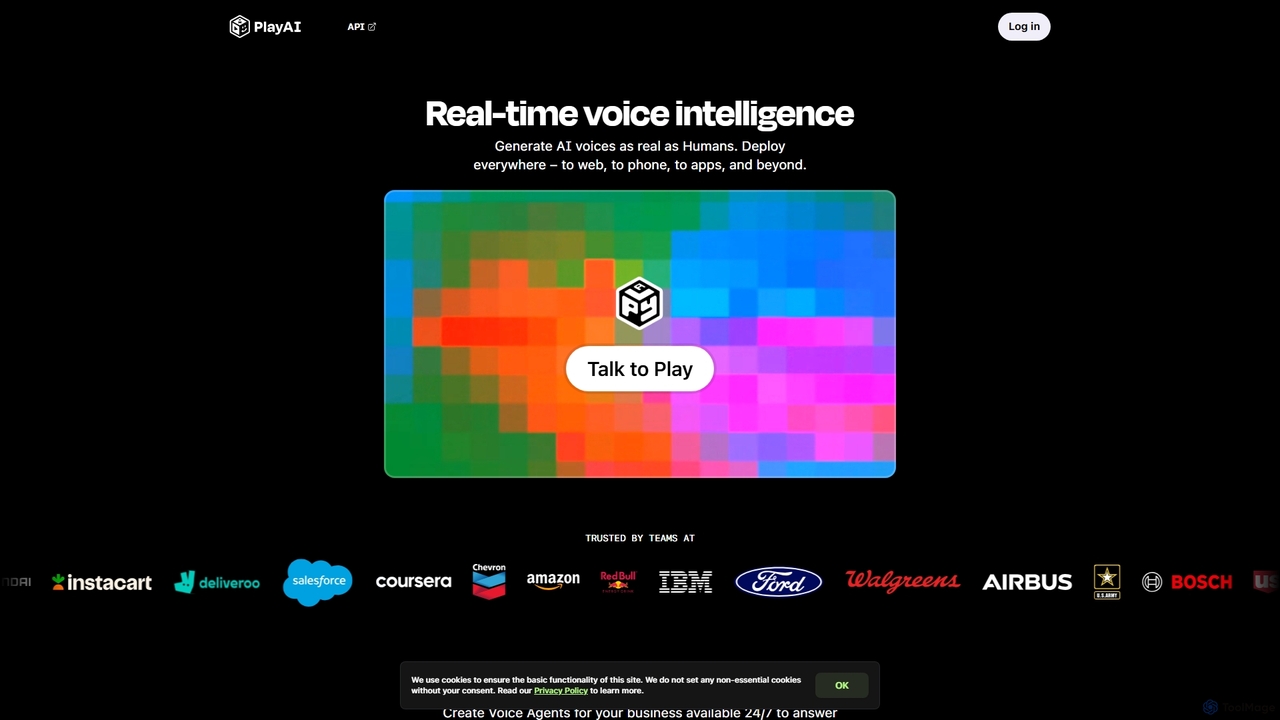
play is an advanced Voice AI platform for businesses, specializing in ultra-realistic Text-to-Speech (TTS) models and intelligent Voice …

26.8K
Nurix

Nurix

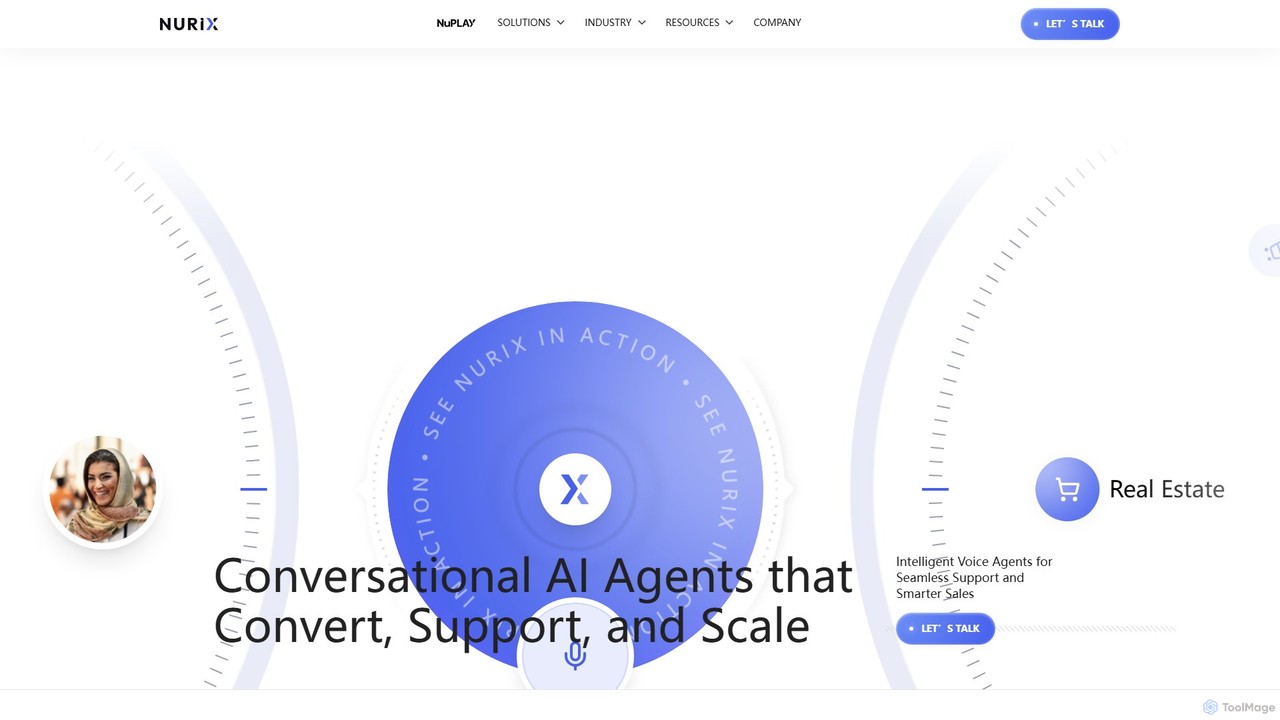
Nurix is an advanced conversational AI platform that provides intelligent voice agents for sales and customer support. It …

34.5K
TalkForce AI

TalkForce AI

TalkForce AI provides AI-powered virtual voice and chat agents to automate customer service. It offers 24/7 support, handles …

3.3K
callanai

callanai

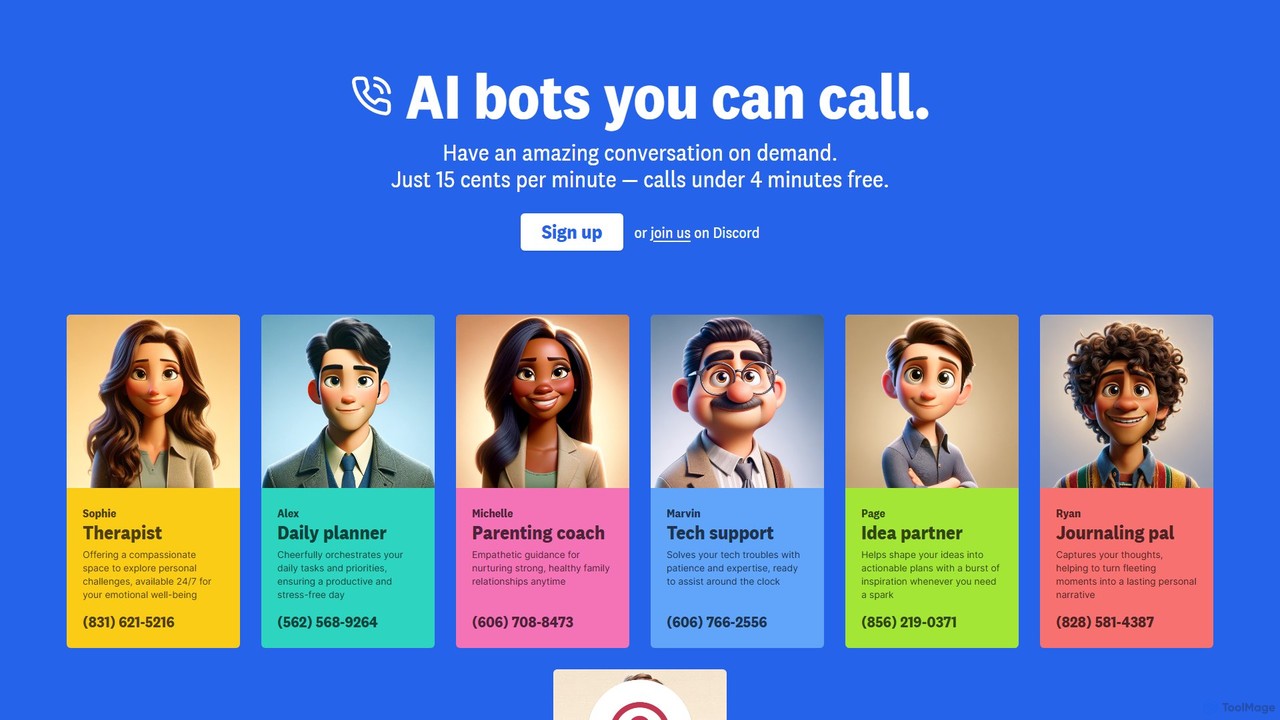
callanai offers on-demand AI companions and assistants accessible via a simple phone call. Choose from specialized bots like …

3.4K
SmileDial

SmileDial

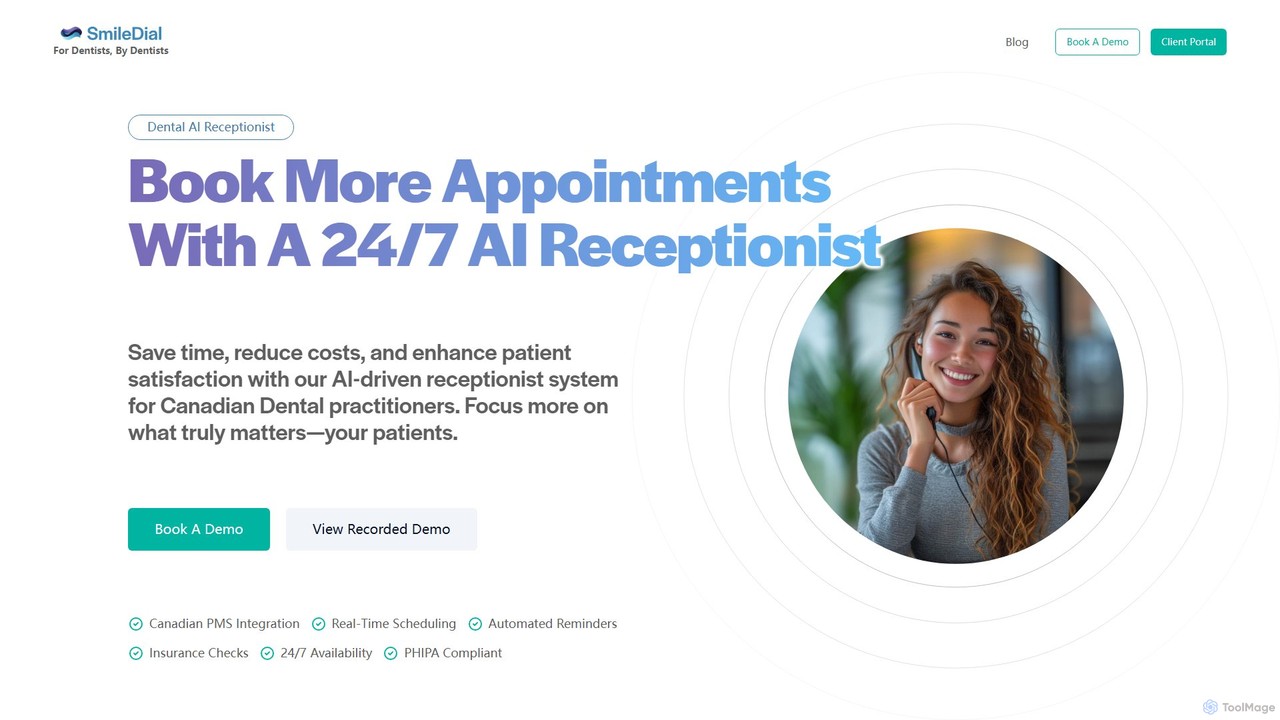
SmileDial is an AI-powered, 24/7 dental receptionist designed for Canadian dental practices. It handles appointment booking, sends automated …

3.4K
Simple AI

Simple AI

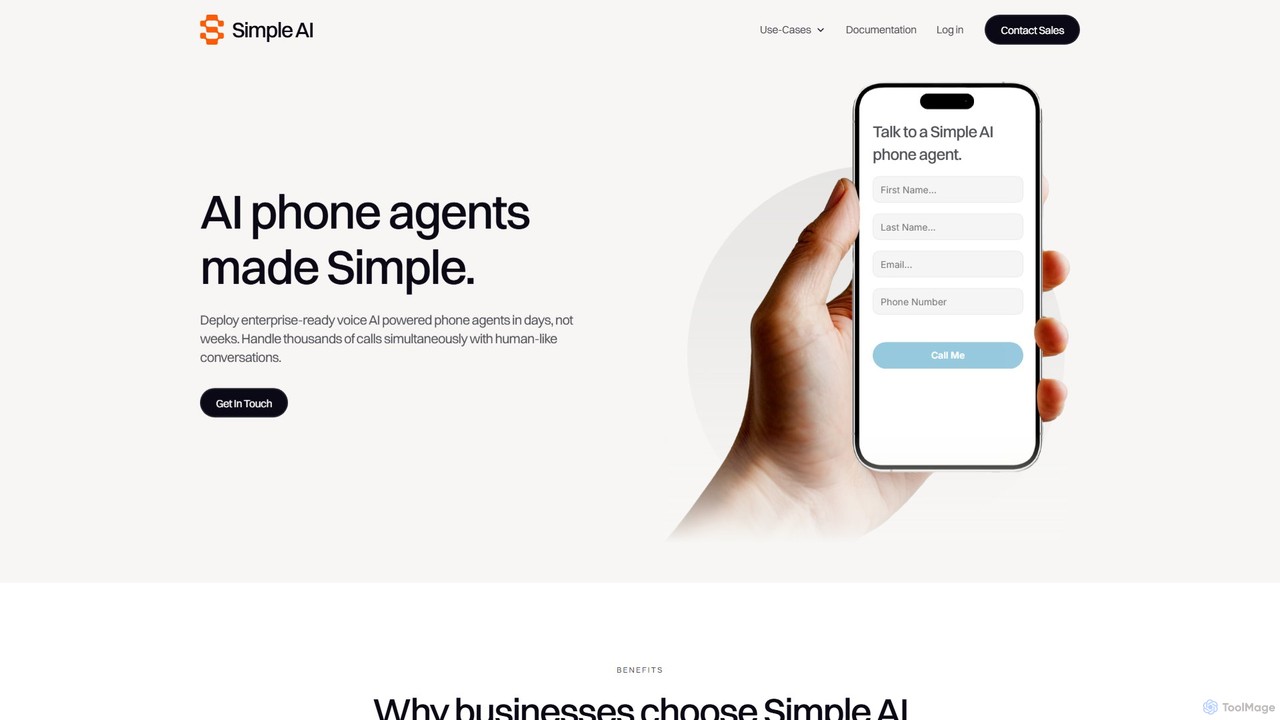
Simple AI provides enterprise-grade AI phone agents that handle thousands of calls simultaneously with human-like conversations. Deploy intelligent …

45.5K
VAgents

VAgents

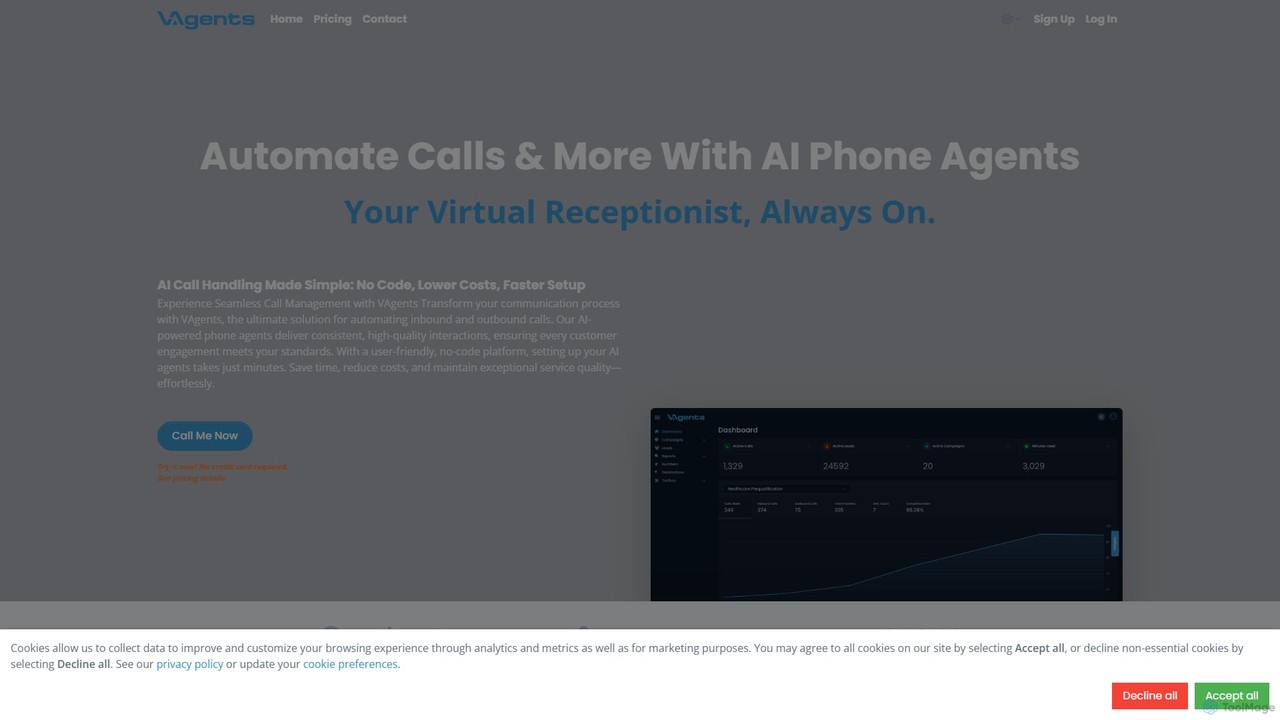
VAgents is a no-code AI platform for creating virtual phone agents to automate inbound and outbound calls. It …

3.3K
Ringly.io

Ringly.io

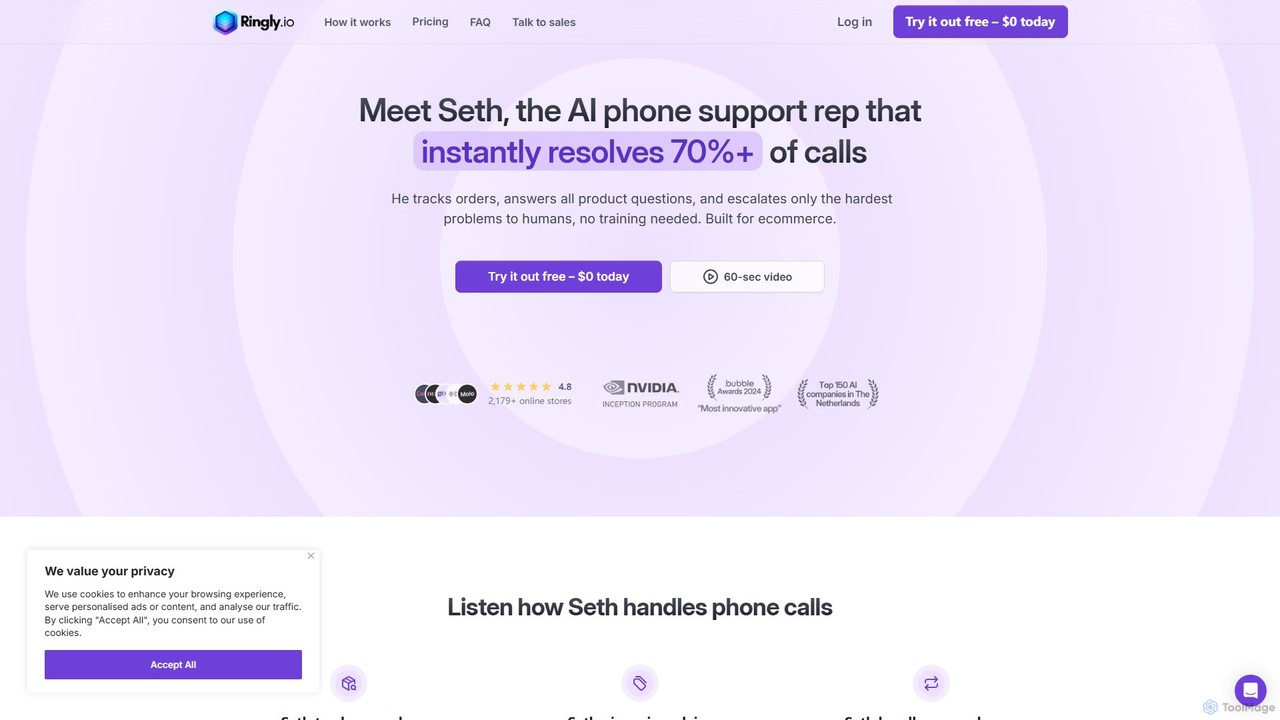
Ringly.io is an advanced AI phone agent designed for e-commerce businesses. It automates customer support calls, handling inquiries …

62.5K
vocode

vocode

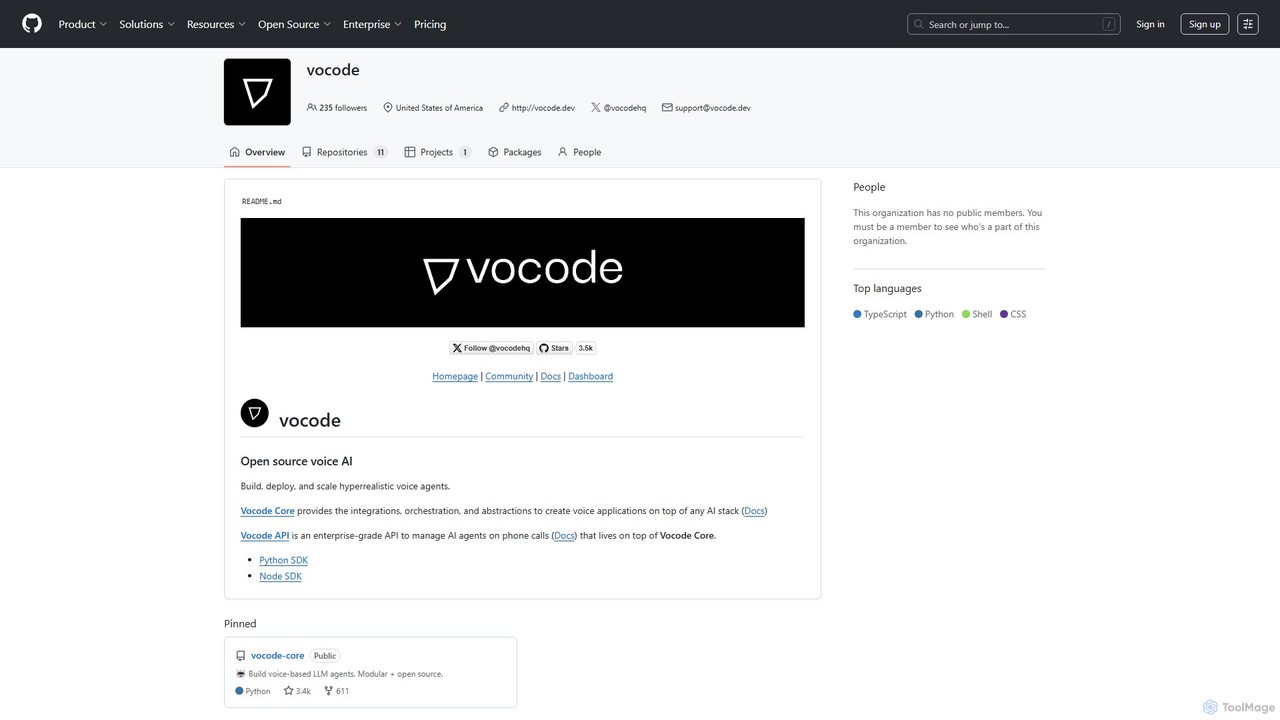
Vocode is an open-source platform for building, deploying, and scaling hyperrealistic voice AI agents. It provides developers with …

636.1M
Solda AI

Solda AI

Solda AI provides fully automated AI sales agents that manage the entire sales cycle. These multilingual agents handle …

5.5K
Synthflow AI

Synthflow AI

Synthflow AI is an enterprise-grade platform for creating and deploying human-like AI voice agents to automate phone calls. …

128.6K
Leaping AI

Leaping AI

Leaping AI provides enterprise-grade, self-improving AI voice agents to automate complex call center operations. It delivers human-like conversations …

15.0K

About Voicebot

A Voicebot is an AI-powered conversational agent designed to understand and respond to human speech, automating interactions over voice channels like phone calls or smart speakers. Leveraging Automatic Speech Recognition (ASR) and Natural Language Understanding (NLU), these tools can interpret user intent from spoken words and provide relevant, synthesized voice responses. Their primary value lies in automating customer support tasks, providing 24/7 service, and handling high volumes of calls efficiently. As a specialized component of customer support automation, Voicebots focus exclusively on voice-based communication, distinguishing them from text-based chatbots.

Core Features

  • Speech Recognition (ASR): Accurately converts spoken language from users into machine-readable text.
  • Natural Language Understanding (NLU): Analyzes the transcribed text to identify the user's intent and extract key information.
  • Text-to-Speech (TTS) Synthesis: Generates natural, human-like voice responses to communicate with the user.
  • Dialogue Management: Controls the conversation flow, asks clarifying questions, and maintains context throughout the interaction.
  • Backend System Integration: Connects with CRMs, databases, and APIs to perform actions like checking order status or updating account information.

Use Cases

Voicebots are predominantly used in industries with high call volumes, such as telecommunications, banking, healthcare, and retail. They are ideal for automating call center functions like call routing, answering frequently asked questions, appointment scheduling, and conducting customer satisfaction surveys. They also enable voice-based self-service for tasks like bill payments or password resets.

How to Choose

When selecting a Voicebot, evaluate the accuracy of its speech recognition, especially with various accents and in noisy environments. Assess the quality and naturalness of its text-to-speech voice. Consider its integration capabilities with your existing software stack (e.g., CRM, helpdesk). Finally, examine the platform's tools for designing, training, and managing conversational flows to ensure it aligns with your business logic and technical resources.

VoicebotUse Cases

1

Automate Call Center Triage and Routing

For a call center manager in a large e-commerce company, handling thousands of daily calls is a major challenge. By implementing a Voicebot at the first point of contact, incoming calls are automatically answered. The Voicebot uses NLU to understand the caller's reason, such as 'check order status,' 'initiate a return,' or 'speak to billing.' For simple queries, the bot integrates with the backend system to provide the order status directly. For complex issues, it intelligently routes the call to the appropriate human agent queue, significantly reducing customer wait times and freeing up agents to focus on high-value interactions.

2

Proactive Outbound Appointment Reminders

A healthcare clinic needs to reduce the number of no-shows for appointments, which impacts revenue and scheduling. They use a Voicebot to automate outbound reminder calls. Two days before a scheduled appointment, the Voicebot calls the patient, confirms their identity, and reminds them of the date and time. It then asks the patient to confirm by saying 'Yes,' reschedule by saying 'Reschedule,' or cancel by saying 'Cancel.' This automated process ensures every patient is contacted, reduces the manual workload on administrative staff, and has been shown to decrease the no-show rate by over 30%.

3

24/7 Voice-Based Self-Service for Banking

A retail bank wants to offer its customers round-the-clock support without the high cost of a 24/7 human call center. They deploy a Voicebot to handle common after-hours inquiries. Customers can call anytime to check their account balance, review recent transactions, or report a lost card. The Voicebot authenticates the caller through voice biometrics or security questions, connects to the bank's core systems via secure APIs, and provides the requested information verbally. This provides immediate assistance to customers and securely automates routine tasks, improving customer satisfaction and operational efficiency.

4

Conducting Post-Interaction Voice Surveys

A telecommunications company aims to gather immediate feedback on customer service quality. Instead of sending email surveys that have low response rates, they use a Voicebot to conduct automated post-call surveys. Immediately after a customer finishes a call with a human agent, the Voicebot calls them back and asks them to rate their experience on a scale of 1 to 5 and provide brief verbal feedback. The bot records the numeric score and transcribes the verbal feedback for sentiment analysis. This method achieves a much higher response rate and provides richer, more immediate insights for quality assurance teams.

5

Automating Internal IT Helpdesk Requests

An IT manager at a large corporation is looking for ways to reduce the burden on their helpdesk team from repetitive, low-level requests. They implement a Voicebot on the internal IT support hotline. When an employee calls to reset their password, the Voicebot authenticates them by asking for their employee ID and a security code sent to their phone. Once verified, the bot triggers an automated password reset process in the backend system and verbally communicates the temporary password to the employee. This frees up IT staff to handle more complex technical issues, improving overall departmental efficiency.

6

Voice-Activated Booking and Reservation System

A popular local restaurant struggles with managing phone reservations during peak hours, often leading to missed calls and lost business. They implement a Voicebot to handle all incoming booking calls. Customers can call, state their desired date, time, and party size. The Voicebot checks this against the restaurant's live reservation system via an API. If available, it confirms the booking and sends a text confirmation. If not, it suggests alternative available times. This system operates 24/7, captures all booking requests, eliminates human error in note-taking, and allows front-of-house staff to focus entirely on in-person guests.

VoicebotFrequently Asked Questions