Data Management Best in category 2 results Data Transformation AI Tool

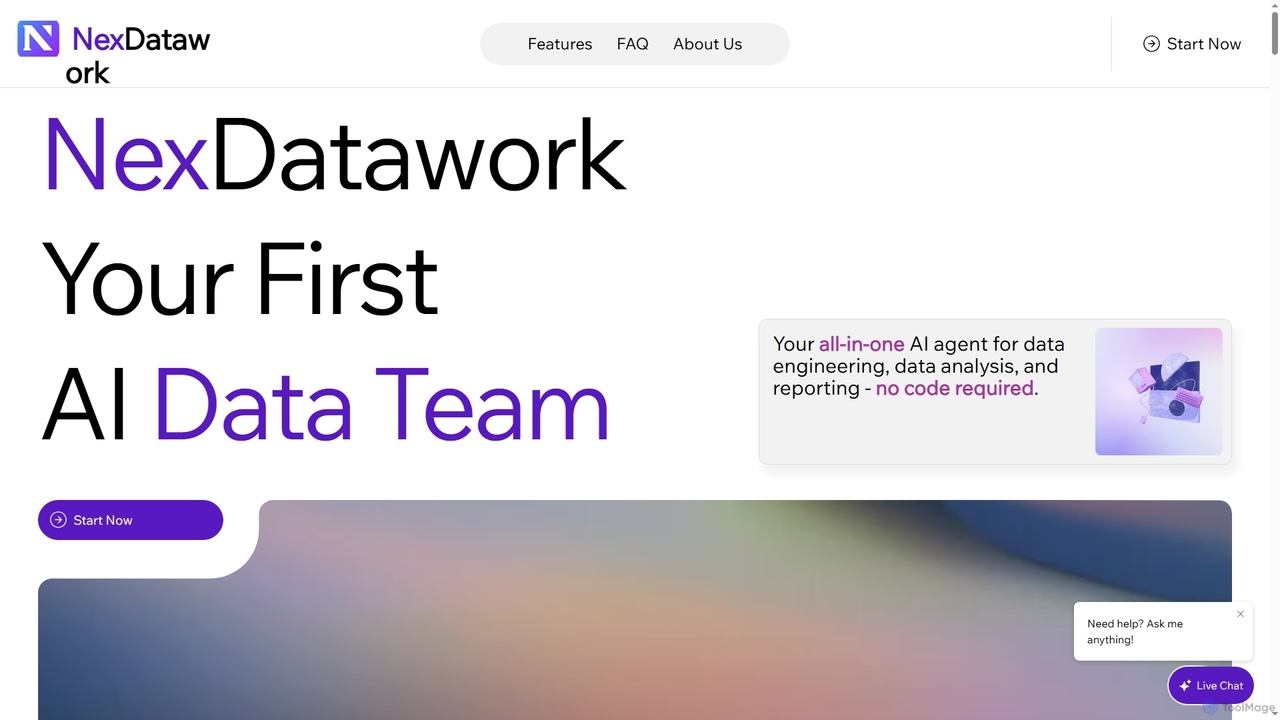
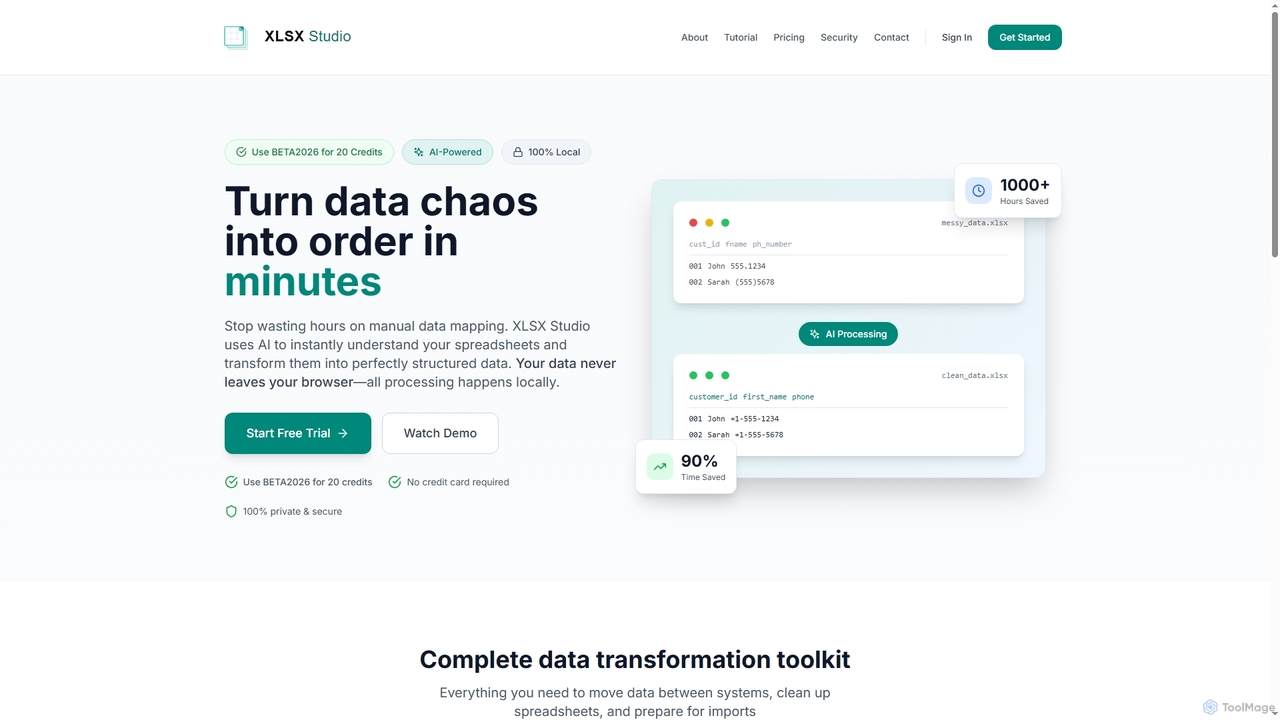
Popular AI tools in the Data Transformation field of Data Management include NexDatawork、XLSX Studio, etc., helping you quickly improve efficiency.

XLSX Studio

XLSX Studio

XLSX Studio is an AI-powered, 100% browser-based data transformation tool that securely converts messy spreadsheet data into perfectly …

2.2K
NexDatawork

NexDatawork

NexDatawork is an all-in-one AI data agent designed for data engineering, analysis, and reporting, requiring no code. It …

3.3K

About Data Transformation

Data Transformation tools are AI-powered solutions that convert raw data from one format or structure into another, making it suitable for analysis, migration, or specific applications. These tools leverage advanced algorithms to clean, standardize, and enrich datasets, ensuring data quality and consistency across various systems. By automating complex data manipulation tasks, they streamline data pipelines and enhance the reliability of insights derived from information, serving as a critical component within broader data management strategies.

Core Features

  • Data Cleaning & Validation: Automatically identifies and corrects errors, removes duplicates, and validates data against predefined rules.
  • Format Conversion & Mapping: Converts data between different file types (e.g., CSV to JSON) and maps fields from source to target schemas.
  • Data Enrichment & Aggregation: Adds valuable context from external sources or combines multiple data points into summarized forms.
  • Schema Transformation: Restructures data models, such as converting relational data to NoSQL formats or vice versa.
  • Automated Workflow Orchestration: Designs and executes complex transformation sequences with scheduling and monitoring capabilities.

Applicable Scenarios

These tools are indispensable for organizations dealing with diverse data sources. They are widely used in ETL (Extract, Transform, Load) processes for data warehousing, preparing disparate datasets for machine learning model training, and ensuring data compatibility during system migrations or mergers. Businesses leverage them to consolidate customer information, normalize product catalogs, and standardize financial records for reporting and compliance.

How to Choose

When selecting a Data Transformation tool, consider its compatibility with your existing data sources and target systems, including cloud platforms and databases, as well as the breadth of its transformation capabilities (e.g., cleaning, enrichment, aggregation). Evaluate its scalability to handle growing data volumes, its ease of use through visual interfaces, and its robust automation features. Integration options with other data management platforms, pricing models and community support are also important factors for long-term viability.

Data TransformationUse Cases

1

Preparing Customer Data for CRM Migration

A sales operations team needs to migrate customer data from several legacy spreadsheets and databases into a new CRM system. Data Transformation tools automatically clean inconsistent entries, standardize address formats, merge duplicate records, and map disparate fields (e.g., "Client Name" to "Customer_Name") to ensure a seamless and accurate transfer, preventing data integrity issues in the new system.

2

Normalizing E-commerce Product Catalogs

An e-commerce manager aggregates product data from various suppliers, each with different naming conventions for attributes like "size," "color," and "material." Data Transformation tools standardize these attributes into a unified format, enrich product descriptions with missing details from external sources, and convert image URLs, ensuring a consistent and searchable product catalog for customers.

3

Cleaning Sensor Data for IoT Analytics

An IoT analytics team collects vast amounts of raw sensor data from industrial machinery, which often contains noise, missing values, and inconsistent units. Data Transformation tools filter out erroneous readings, interpolate missing data points, convert temperature units (e.g., Celsius to Fahrenheit), and aggregate data into meaningful time series for predictive maintenance and operational efficiency analysis.

4

Transforming Financial Transaction Logs for Compliance

A financial institution must process daily transaction logs from multiple banking systems for regulatory compliance and auditing. Data Transformation tools anonymize sensitive customer information, aggregate transactions by account or date, and format the data into specific report structures required by financial regulators, ensuring adherence to strict data privacy and reporting standards.

5

Structuring Unstructured Text for NLP Models

A data science team aims to train a Natural Language Processing (NLP) model on customer feedback collected from emails, social media, and call transcripts. Data Transformation tools extract key entities (e.g., product names, sentiment), tokenize sentences, remove irrelevant characters, and convert the raw, unstructured text into a structured, machine-readable format suitable for model training and sentiment analysis.

6

Integrating Disparate Marketing Data for Unified Reporting

A marketing analyst needs to create a unified dashboard showing campaign performance across Google Ads, Facebook Ads, and email marketing platforms. Data Transformation tools standardize campaign names, unify date formats, calculate consistent metrics (e.g., cost per click), and merge data from these disparate sources into a single, clean dataset for comprehensive performance analysis and strategic decision-making.

Data TransformationFrequently Asked Questions