Data Science Best in category 4 results Natural Language Processing AI Tool

Popular AI tools in the Natural Language Processing field of Data Science include Comet、HKU NLP Group、getmarkup、insightsaio, etc., helping you quickly improve efficiency.

Comet

Comet

Comet is a family of high-performance, open-source large language models (LLMs) developed by Perplexity AI. Designed for exceptional …

154.9M
getmarkup

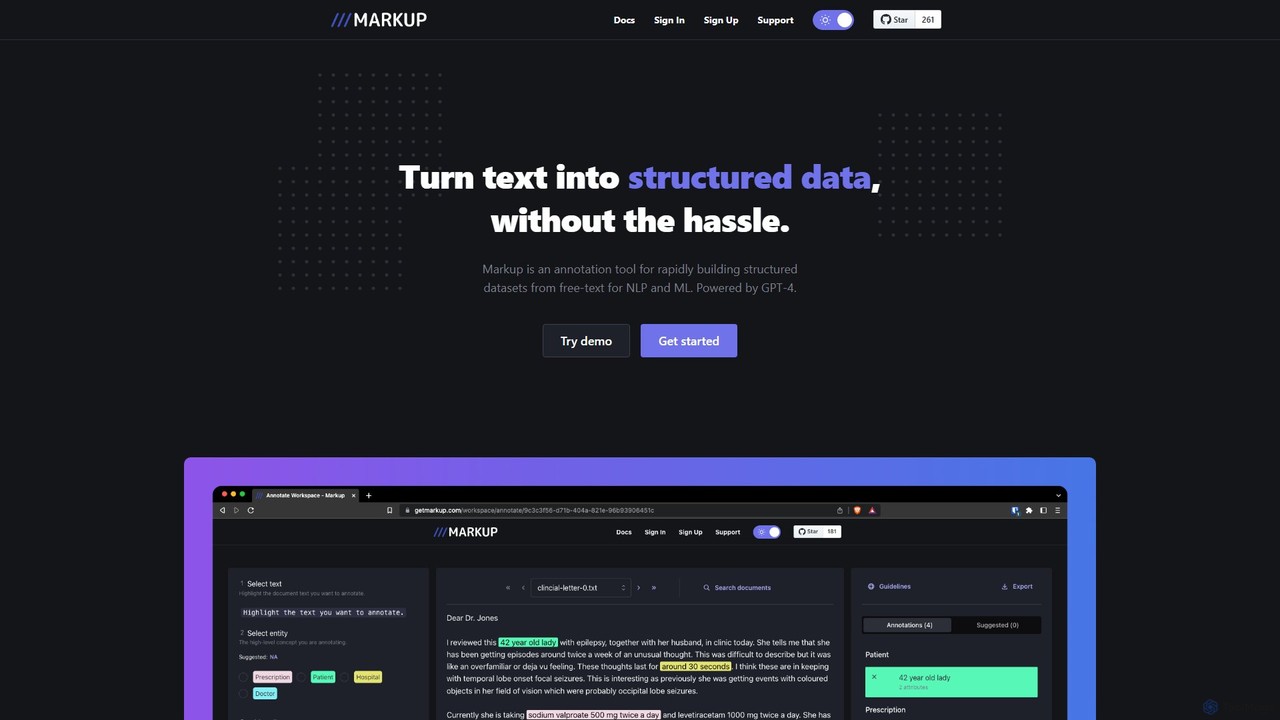
getmarkup

getmarkup is an AI-powered annotation tool, utilizing GPT-4 to rapidly build structured datasets from unstructured text. It's designed …

3.8K
Free
HKU NLP Group

HKU NLP Group

HKU NLP Group is a leading academic research hub from The University of Hong Kong, providing open-source, cutting-edge …

4.3K
insightsaio

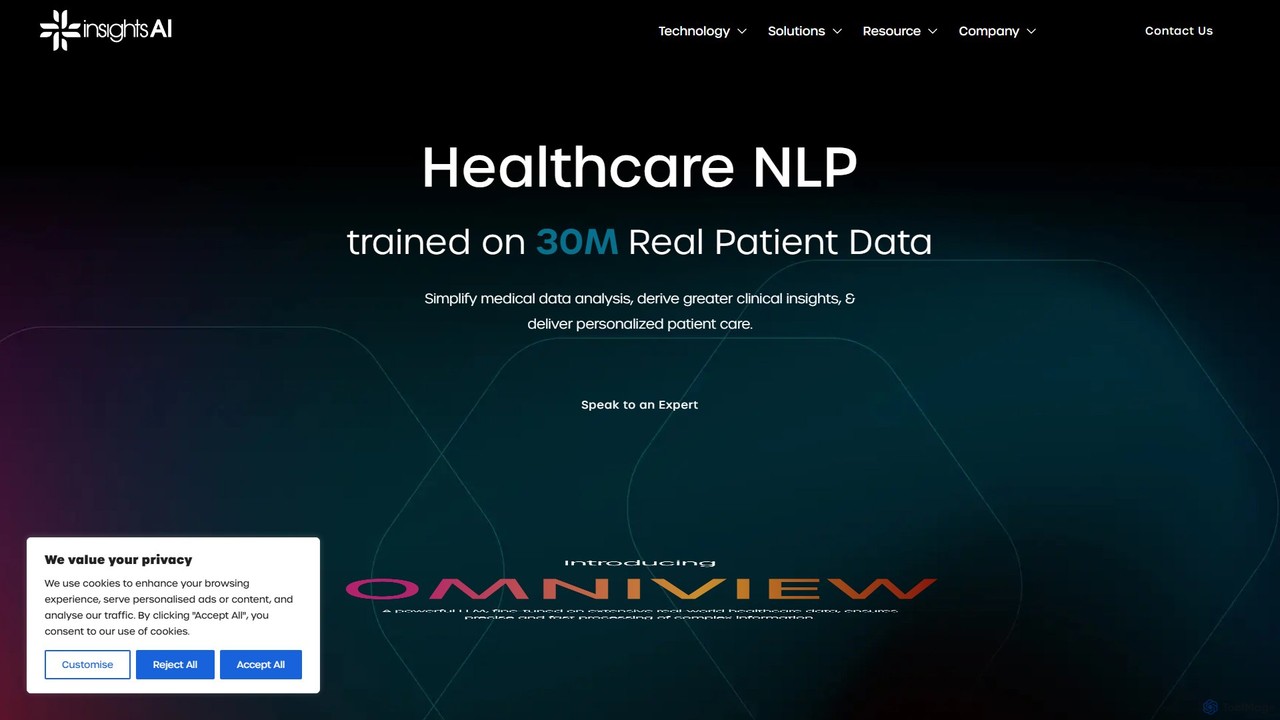
insightsaio

Insights AI offers a specialized healthcare NLP platform, Omniview, an LLM fine-tuned on 30 million real patient records. …

2.4K

About Natural Language Processing

Natural Language Processing (NLP) tools are AI-powered solutions designed to enable computers to understand, interpret, and generate human language. These tools leverage advanced algorithms and machine learning models to process vast amounts of text and speech data, bridging the communication gap between humans and machines. As a specialized field within Data Science, NLP empowers businesses and individuals to automate language-centric tasks, extract insights from unstructured text, and enhance human-computer interaction.

Core Features

  • Text Classification: Automatically categorizes text into predefined labels, useful for spam detection or content moderation.
  • Named Entity Recognition (NER): Identifies and extracts key entities like names, organizations, locations, and dates from text.
  • Sentiment Analysis: Determines the emotional tone or opinion expressed in a piece of text, such as positive, negative, or neutral.
  • Machine Translation: Translates text or speech from one natural language to another, facilitating global communication.
  • Text Summarization: Condenses lengthy documents or articles into shorter, coherent summaries while retaining key information.

Use Cases

NLP tools are indispensable across various sectors. In customer service, they power intelligent chatbots that understand and respond to user queries. For content creators, NLP assists in generating drafts, optimizing headlines, and performing semantic analysis. Businesses utilize NLP for market research by analyzing customer feedback and social media trends to gain actionable insights.

How to Choose

When selecting an NLP tool, consider its language support and accuracy for your target languages. Evaluate the specific NLP capabilities offered, such as NER, sentiment analysis, or summarization, to match your project needs. Assess its integration capabilities with existing systems and the level of customization allowed for domain-specific tasks. Finally, review scalability and pricing models to ensure it aligns with your operational demands and budget.

Natural Language ProcessingUse Cases

1

Automated Customer Support Chatbots

Customer service departments can deploy NLP-driven chatbots to handle routine inquiries, provide instant answers, and guide users through troubleshooting steps. These chatbots understand natural language queries, reducing agent workload and improving response times, allowing human agents to focus on complex issues. This significantly enhances customer satisfaction and operational efficiency.

2

Sentiment Analysis for Brand Monitoring

Marketing and PR teams use NLP tools to monitor social media, news articles, and customer reviews. By analyzing the sentiment expressed in these texts, businesses can gauge public perception of their brand, products, or campaigns in real-time. This enables proactive reputation management and informed strategic decisions based on customer feedback.

3

Content Generation and Optimization

Content creators and marketers leverage NLP to generate initial drafts for articles, product descriptions, ad copy, or social media posts. NLP tools can also optimize existing content for SEO by identifying relevant keywords and improving readability, saving significant time in content production and enhancing online visibility.

4

Legal Document Review and E-Discovery

Legal professionals utilize NLP to rapidly process and analyze vast quantities of legal documents, contracts, and case files. Tools can identify key clauses, extract relevant entities, and flag inconsistencies, dramatically accelerating the e-discovery process and reducing the manual effort required for document review.

5

Medical Text Mining for Research

Researchers and healthcare providers employ NLP to extract structured information from unstructured clinical notes, patient records, and scientific literature. This includes identifying symptoms, diagnoses, treatments, and drug interactions, which is crucial for epidemiological studies, drug discovery, and improving patient care pathways.

6

Multilingual Communication and Translation

Global enterprises and international organizations use NLP for real-time machine translation of documents, emails, and live conversations. This breaks down language barriers, enabling seamless communication between diverse teams, facilitating international business operations, and improving customer support for a global audience.

Natural Language ProcessingFrequently Asked Questions