Design Best in category 10 results Landscape Design AI Tool

Popular AI tools in the Landscape Design field of Design include Home Design、Neighborbrite、DreamzAR、rescapeai、Aigardenplanner、LandscapioAI、Yardflip、poolplannerai、YardStyling、DreamzAR Landscaping Ideas, etc., helping you quickly improve efficiency.

YardStyling

YardStyling

YardStyling is an AI landscape design generator that transforms photos of your yard into professional, photorealistic concepts. It …

2.9K
Free
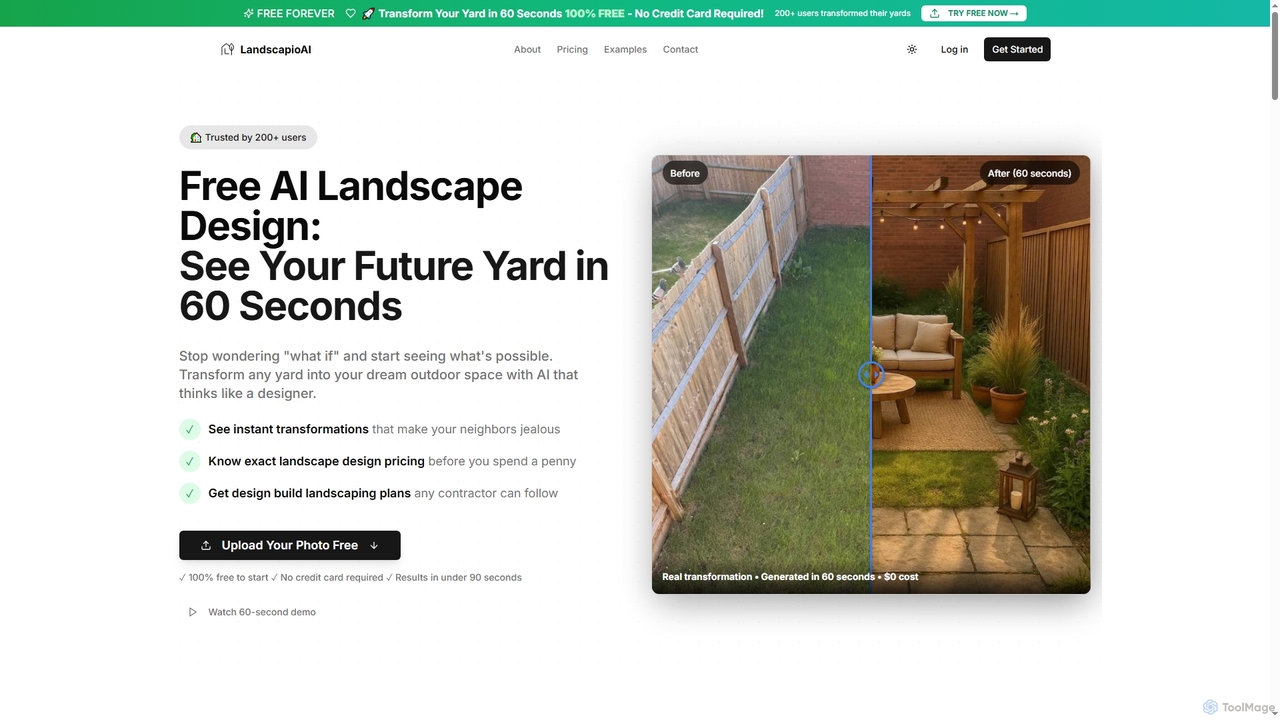
LandscapioAI

LandscapioAI

LandscapioAI is a free AI landscape design generator that transforms any yard into a dream outdoor space in …

4.6K
Free
Home Design

Home Design

Home Design is a professional AI-powered platform that revolutionizes interior, exterior, and garden design. It allows users to …

301.1K
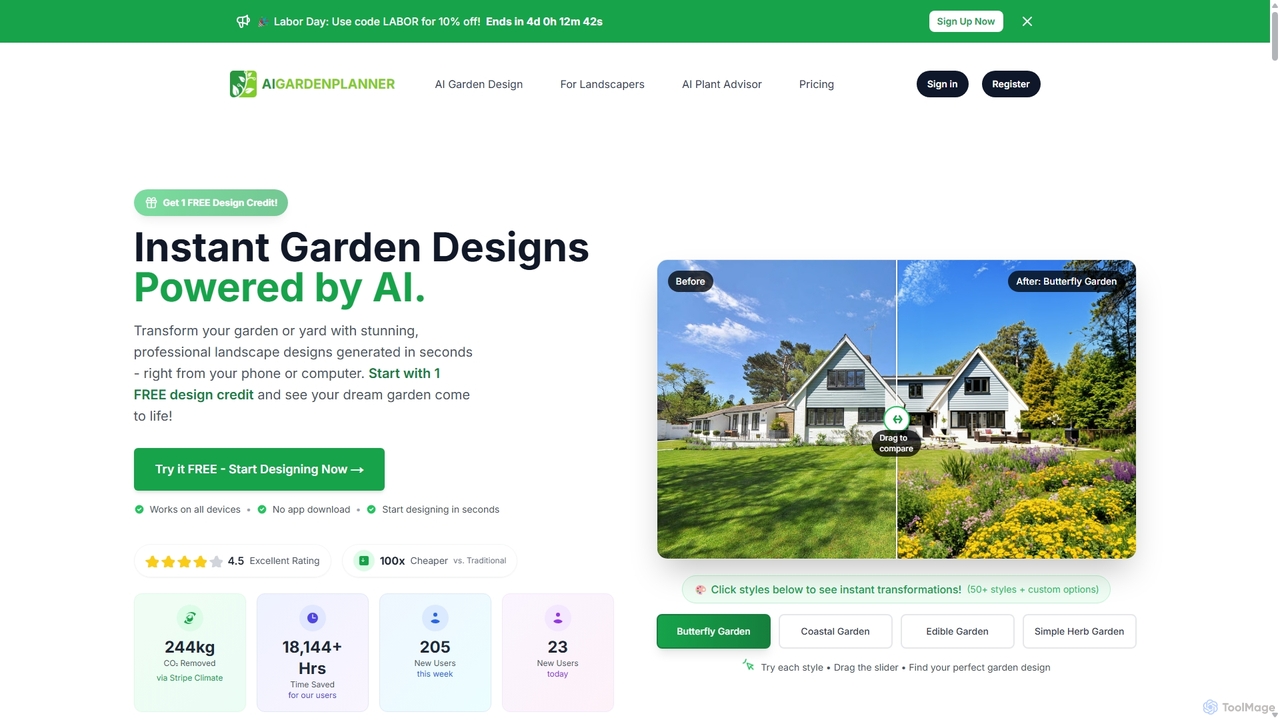
Aigardenplanner

Aigardenplanner

Aigardenplanner is an AI-powered tool that transforms your garden or yard with stunning landscape designs in seconds. Simply …

6.8K
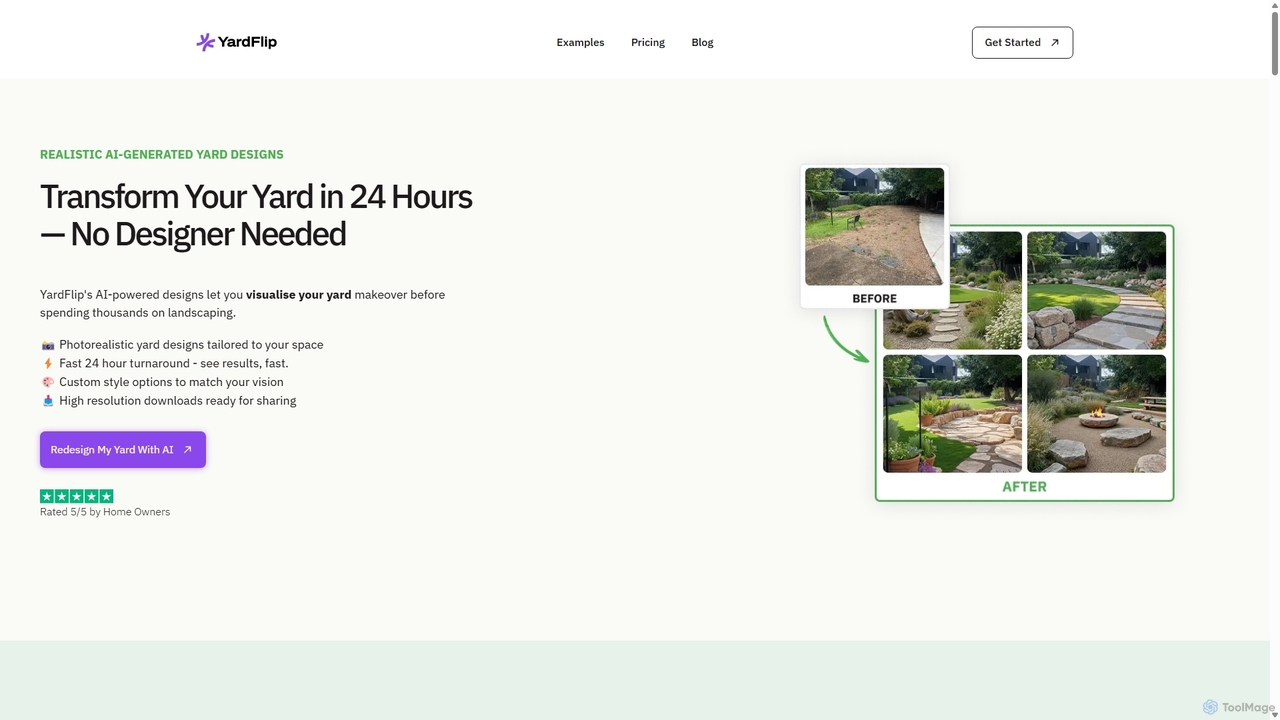
Yardflip

Yardflip

Yardflip is an AI-powered design service that transforms your outdoor spaces. Simply upload a photo of your yard, …

4.1K
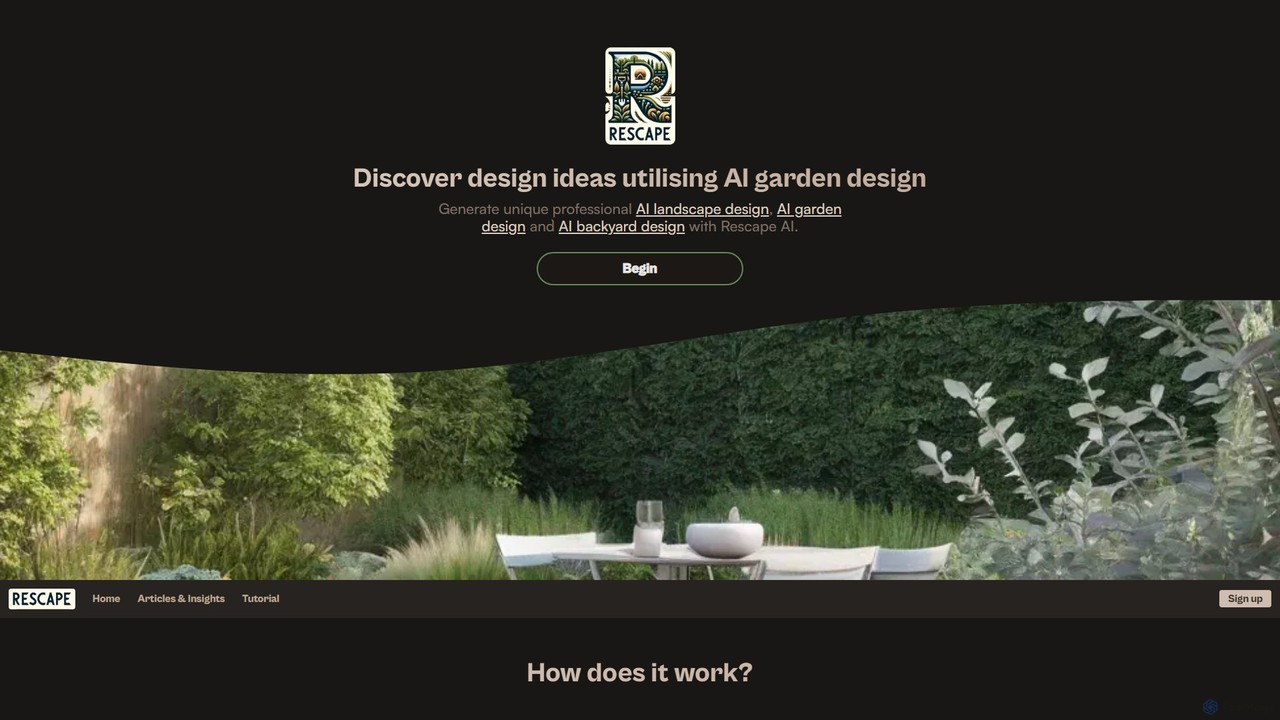
rescapeai

rescapeai

rescapeai is an AI-powered design tool that transforms photos of your garden or yard into stunning, professional-quality landscape …

7.4K
poolplannerai

poolplannerai

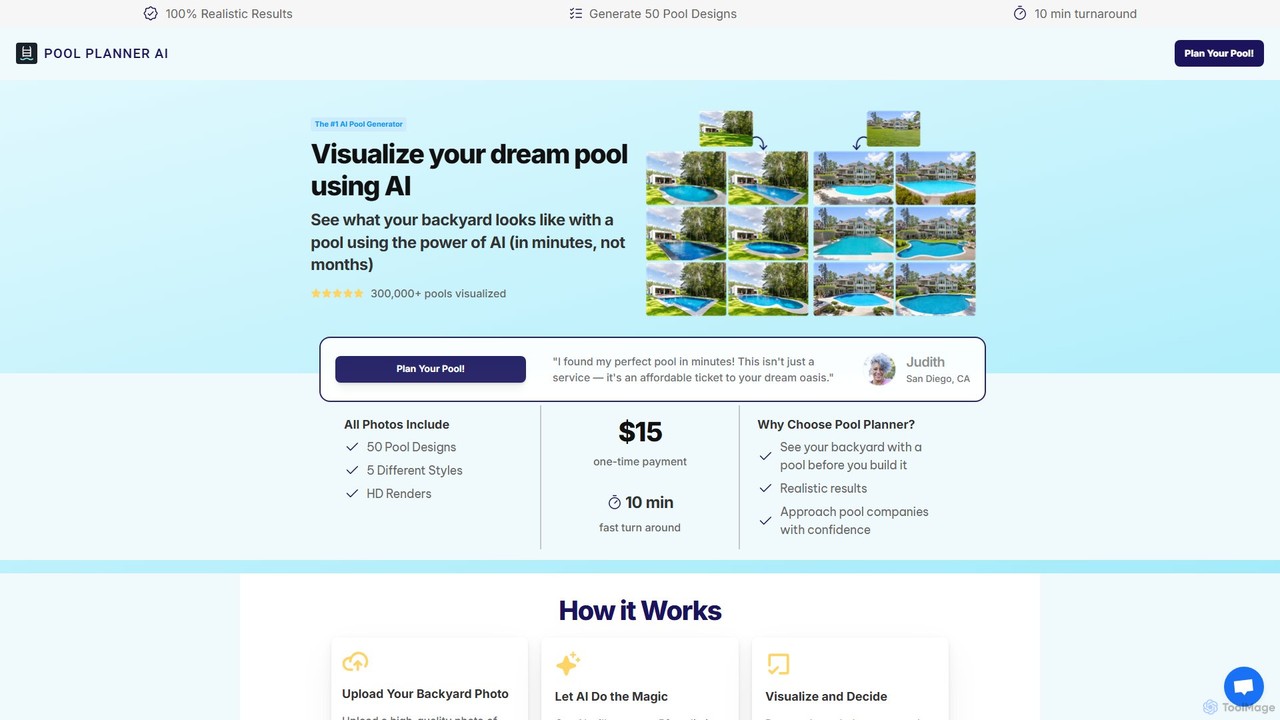
Pool Planner AI is an AI-powered design tool that helps homeowners visualize their dream pool. By uploading a …

3.5K
DreamzAR Landscaping Ideas

DreamzAR Landscaping Ideas

An AI-powered landscape design tool that transforms a photo of your yard into stunning visualizations. Generate ideas, add …

2.8K
DreamzAR

DreamzAR

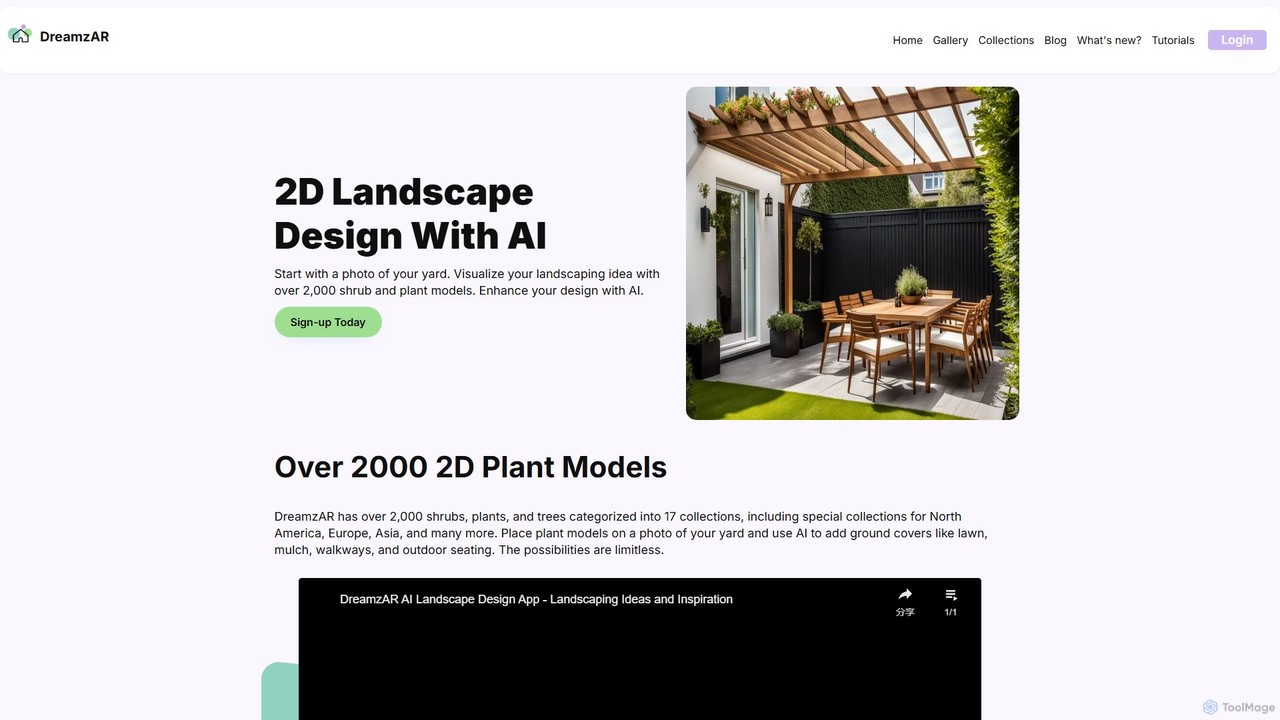
DreamzAR is an AI-powered landscape design app that transforms your yard with stunning virtual designs in seconds. Simply …

9.2K
Free
Neighborbrite

Neighborbrite

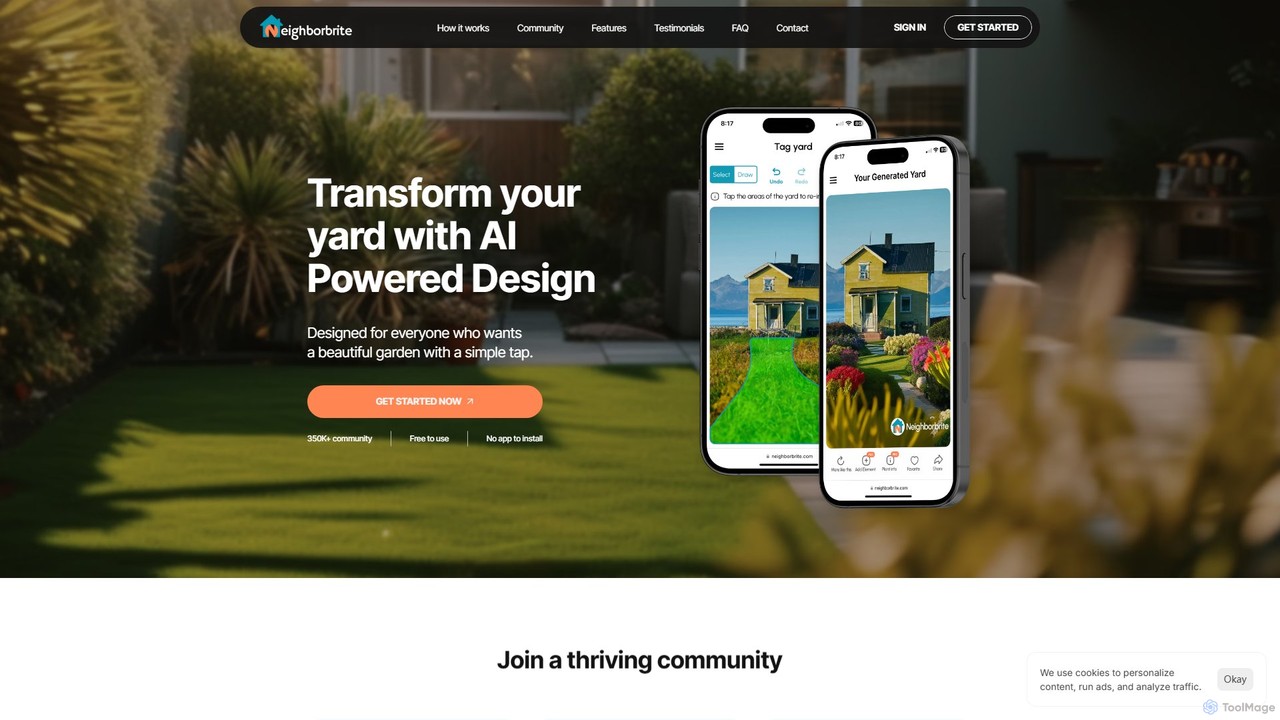
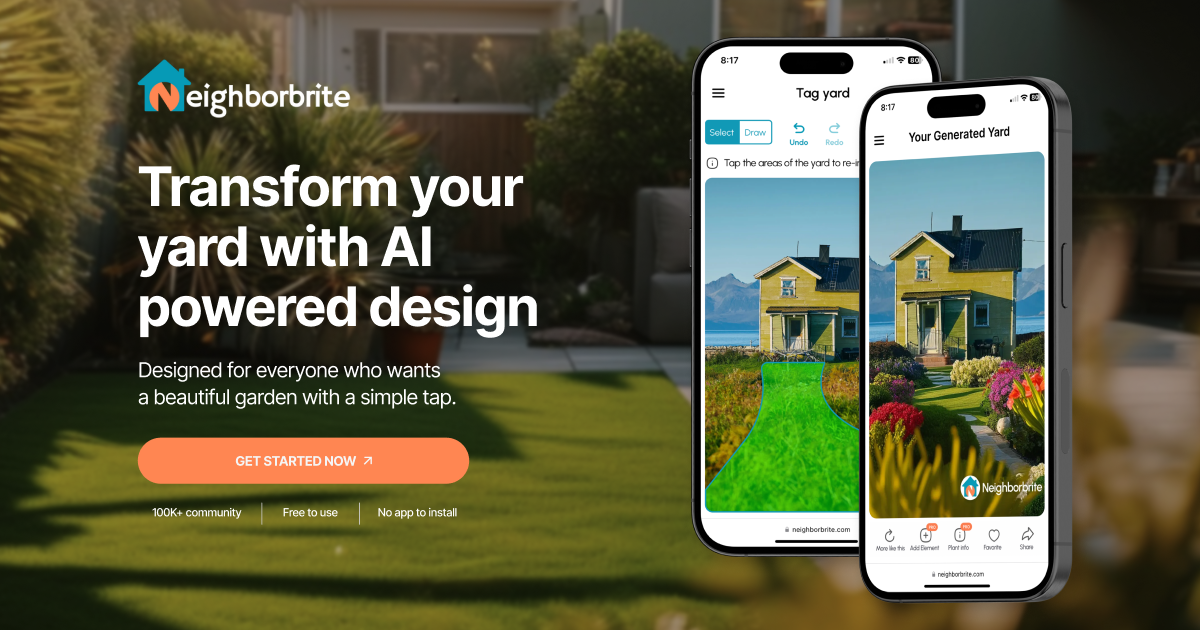
Neighborbrite is a free, AI-powered landscape design tool that transforms your yard photos into stunning garden designs. Simply …

146.4K

About Landscape Design

AI Landscape Design tools are specialized software that use artificial intelligence to create, visualize, and analyze outdoor spaces. These tools leverage generative algorithms and environmental data to automate the generation of planting plans, 3D models, and hardscape layouts. They enable users to quickly explore various design concepts, simulate plant growth and seasonal changes, and optimize layouts for factors like sunlight and water flow. This represents a significant evolution from general design software by integrating ecological intelligence and aesthetic generation specifically for landscape architecture.

Core Features

  • Intelligent Planting Suggestions: Recommends plant species based on climate zone, soil type, sun exposure, and desired aesthetic.
  • Generative 3D Visualization: Creates realistic 3D models and virtual walkthroughs from simple 2D plans or text prompts.
  • Environmental Simulation: Models factors like sunlight patterns, water drainage, and plant growth over seasons to assess design viability.
  • Automated Layout Generation: Proposes efficient layouts for patios, pathways, irrigation systems, and other hardscape elements.
  • Style-Based Design Concepts: Generates complete landscape concepts based on selected styles like 'Modern', 'Japanese', or 'Cottage Garden'.

Use Cases

These tools are widely used by professional landscape architects and garden designers to accelerate the conceptual design phase and create compelling client presentations. Urban planners utilize them for designing sustainable public parks and green spaces, while real estate developers create realistic visualizations of property exteriors. They are also increasingly accessible to homeowners for DIY garden and backyard renovation projects.

How to Choose

When selecting an AI Landscape Design tool, consider the level of realism in its 3D rendering and the size of its plant and material library. Evaluate its simulation capabilities—does it model seasonal changes and plant growth? Check for integration with other professional software like CAD or BIM if you are a professional. Finally, assess the user interface; some tools are designed for professionals with a steep learning curve, while others are more intuitive for beginners.

Landscape DesignUse Cases

1

Residential Backyard Redesign Visualization

A homeowner wants to renovate their backyard but struggles to visualize the final outcome. Using an AI landscape design tool, they upload a photo of their space. They can then drag and drop elements like a new patio, select plant species that the AI recommends for their climate, and generate a realistic 3D model. The tool allows them to view the design at different times of day to see how shadows fall and even simulate how the garden will look in five years as plants mature. This empowers them to make informed decisions and communicate a clear vision to a contractor, reducing misunderstandings and costly changes during construction.

2

Accelerating Professional Client Presentations

A landscape architecture firm needs to present three distinct design concepts to a commercial client for a new corporate campus. Instead of spending weeks manually drafting each one, the lead designer uses an AI tool. They input the site plan, budget constraints, and client's preference for a 'low-maintenance, modern aesthetic'. The AI generates three initial concepts, including planting schemes, water features, and pathway layouts. The team then refines these concepts and generates high-fidelity 3D renderings and a virtual reality walkthrough for the client meeting. This process reduces concept development time by over 60% and provides an immersive presentation that helps the client make a decision more quickly.

3

Sustainable Urban Park Planning

An urban planning department is tasked with designing a new city park that is both beautiful and environmentally sustainable. They use an AI landscape design tool with advanced simulation capabilities. The tool helps them analyze the site's topography to create optimal water drainage paths, preventing flooding and reducing the need for artificial irrigation. It simulates sun exposure throughout the year to strategically place trees for maximum shade in summer and sunlight in winter. The AI also suggests native, drought-resistant plant species to promote biodiversity and minimize water usage. The final design is not only aesthetically pleasing but also resilient and cost-effective to maintain in the long term.

4

Marketing Visuals for Real Estate Development

A real estate developer is launching a new residential complex and needs compelling marketing materials. They use an AI landscape design tool to create photorealistic renderings of the property's courtyards, rooftop gardens, and surrounding green spaces. The tool allows them to generate multiple variations with different planting styles and amenities, such as a playground or a barbecue area, to appeal to different buyer personas. These high-quality visuals are then used in brochures, on the project website, and in social media campaigns, helping potential buyers visualize the lifestyle and significantly boosting pre-sales interest before construction is even complete.

5

Automated Plant Selection for Nurseries

A large garden center wants to provide a personalized service to its customers. They integrate an AI landscape design tool into their website. A customer can input their garden's dimensions, soil type (tested via a simple kit), and sun exposure. They then select an aesthetic, such as 'pollinator-friendly' or 'low-water'. The AI instantly generates a custom planting plan, complete with a list of suitable plants available at the nursery, their quantities, and a layout map. This not only enhances the customer experience and drives sales but also ensures customers choose plants that will thrive in their specific conditions, reducing plant failure and increasing customer satisfaction.

6

Efficient Irrigation System Design

A landscape designer is planning an irrigation system for a large, complex property with varying elevations and diverse plant types. Using a traditional method would be time-consuming and prone to error. Instead, they use an AI tool that analyzes the site's 3D topographical data, the water requirements of each specified plant, and local climate data. The AI automatically generates an optimal layout for sprinkler heads, drip lines, and zones to ensure even water coverage without waste. It calculates the required pipe sizes and water pressure, and can even create a schedule that adjusts based on weather forecasts. This results in a highly efficient, water-conserving irrigation system designed in a fraction of the time.

Landscape DesignFrequently Asked Questions