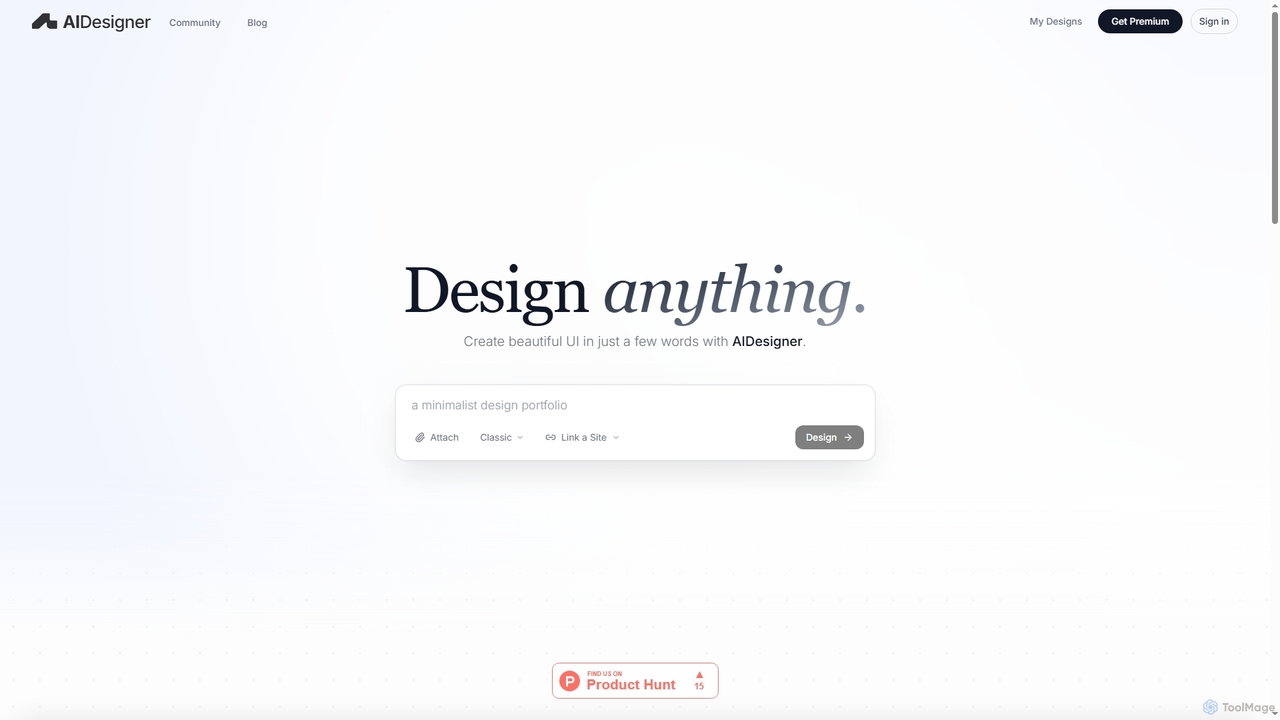
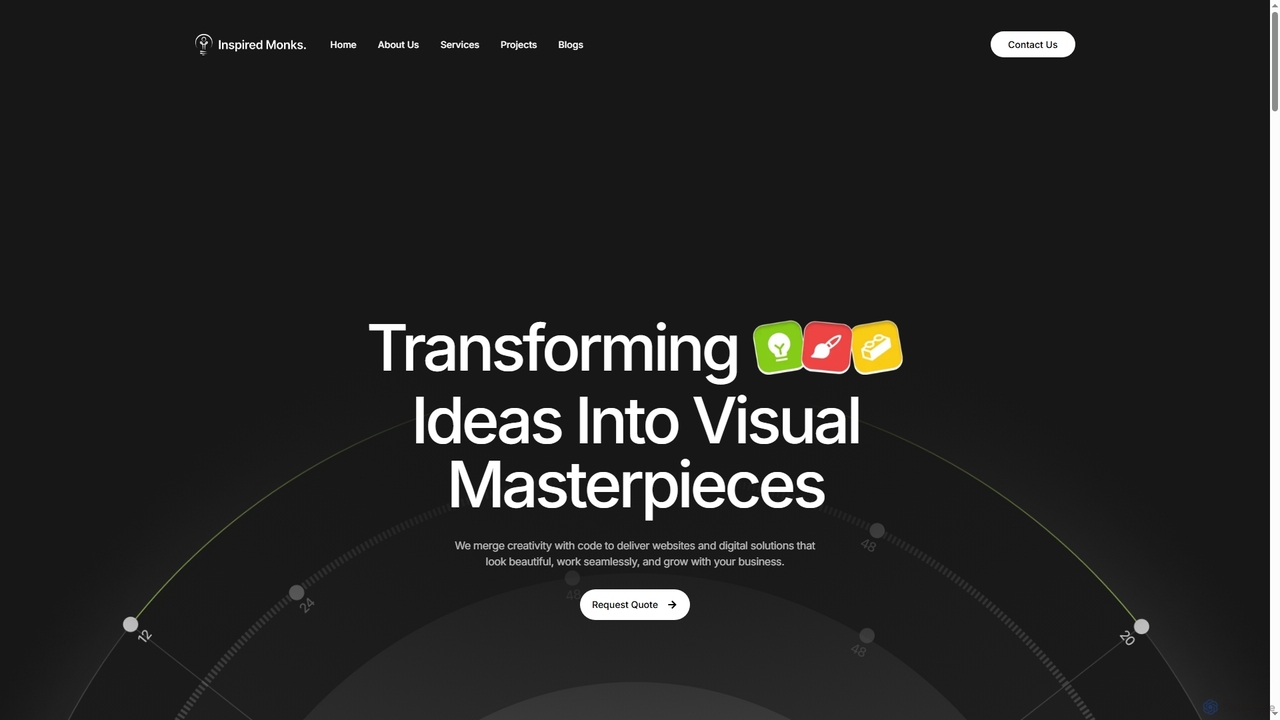
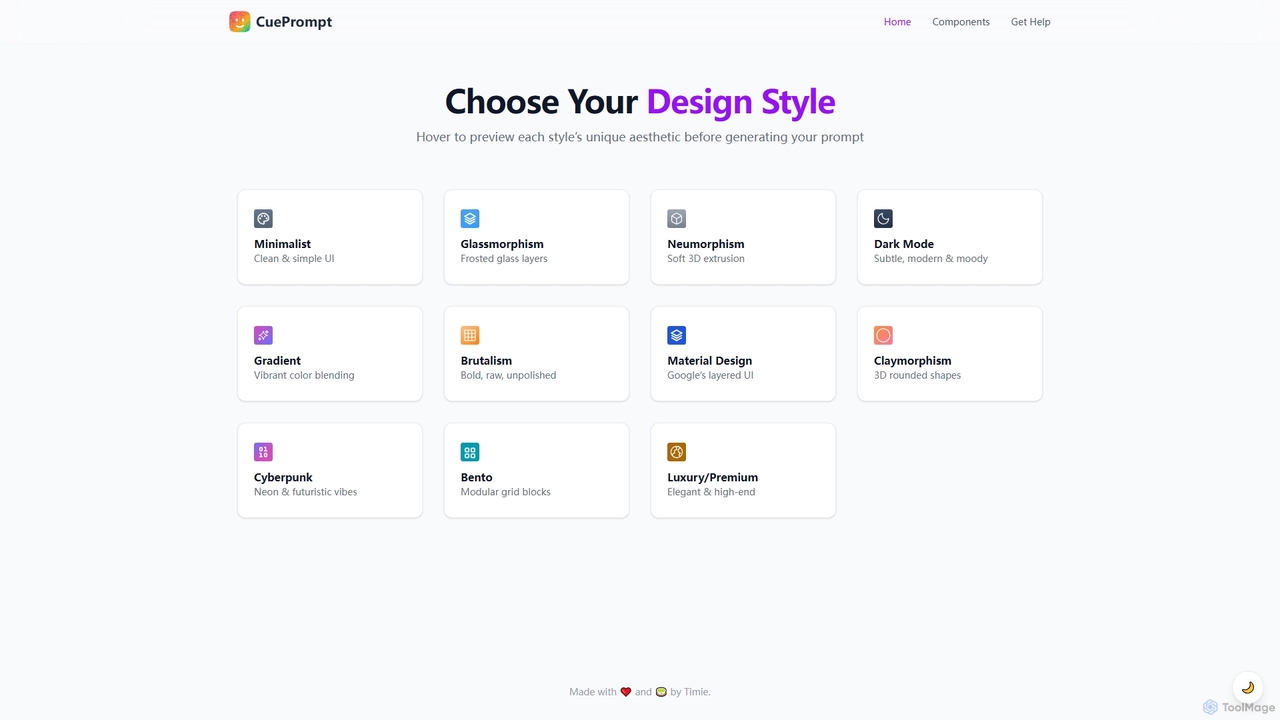
AI User Interface (UI) tools are a specialized category of design software that use artificial intelligence to automate the creation, analysis, and iteration of digital interfaces. These tools interpret inputs like text prompts, sketches, or existing designs to generate high-fidelity mockups and even functional code. Their primary value lies in dramatically accelerating the design and development workflow, enabling teams to move from idea to prototype much faster. They are particularly effective for rapid prototyping, generating design variations, and ensuring consistency with established design systems.
Core Features
- Text-to-UI Generation: Creates UI mockups and components directly from natural language descriptions or product briefs.
- Wireframe/Sketch Conversion: Transforms low-fidelity hand-drawn sketches or digital wireframes into polished, editable designs.
- Design-to-Code Automation: Generates front-end code (e.g., HTML/CSS, React, Vue) from finished design files, bridging the gap between design and development.
- UI/UX Analysis: Employs AI to analyze design layouts or user interaction data to identify potential usability issues and suggest improvements.
- Design System Consistency: Automatically applies styles, components, and rules from a design system to ensure brand and UI consistency across all generated elements.
Use Cases
These tools are widely used by product teams, UX/UI designers, and front-end developers. Common applications include rapidly building interactive prototypes for user testing, generating multiple landing page variations for A/B testing, and converting legacy application designs into modern codebases. Startups and agencies also leverage them to quickly visualize concepts for client presentations.
How to Choose
When selecting an AI UI tool, consider its integration capabilities with your existing workflow (e.g., Figma, Sketch, VS Code). Evaluate the quality and cleanliness of the generated code or design files. Also, assess the tool's flexibility for customization, its learning curve, and whether its pricing model aligns with your project scale and team size.