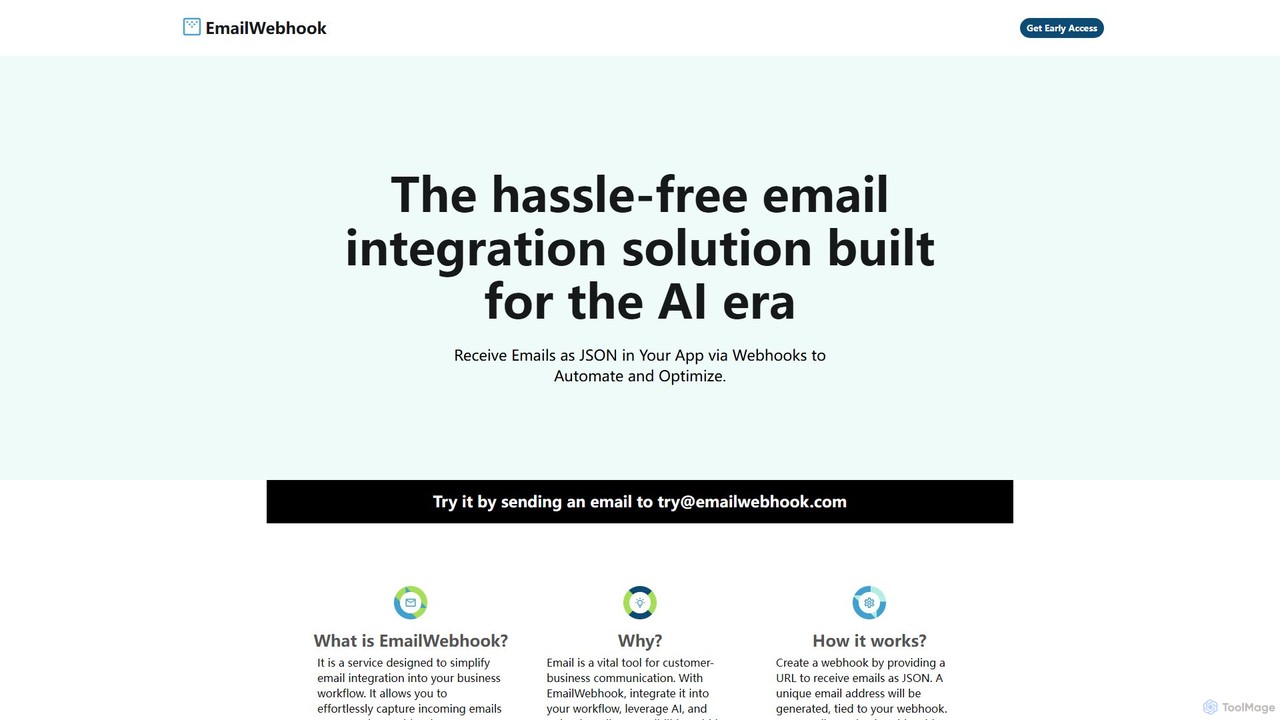
API & Webhooks are fundamental developer tools that enable seamless communication and data exchange between different software applications. They serve as the backbone for integrating services, automating workflows, and building interconnected digital ecosystems. By providing standardized interfaces and real-time event notifications, these tools empower developers to create dynamic, responsive, and highly integrated solutions, significantly enhancing system interoperability and efficiency.
Core Features
- API Endpoints: Standardized access points for requesting and sending data between applications.
- Authentication & Authorization: Securely verifying identities and permissions for accessing API resources.
- Webhook Event Triggers: Automatically sending data to a specified URL when a particular event occurs.
- Data Formatting (JSON/XML): Structuring data for consistent and efficient exchange between systems.
- Rate Limiting & Throttling: Managing the frequency of API requests to prevent abuse and ensure stability.
Applicable Scenarios
Developers and system architects extensively use API & Webhooks to build robust integrations. For instance, an e-commerce platform might use APIs to connect with payment gateways and shipping providers, while webhooks could notify a CRM system in real-time when a new order is placed. This allows for automated order processing, inventory updates, and customer communication across disparate systems.
How to Choose
When selecting API & Webhook tools, consider the following: the breadth and quality of available APIs for your target services, the flexibility and reliability of webhook delivery mechanisms, the security protocols (e.g., OAuth, API keys), and the clarity of documentation. Evaluate also the ease of integration with your existing tech stack and the scalability to handle future data volumes.