ToolMage
Sign in

Best 1 Dapp Builder AI tools for Developer Tools

Popular Dapp Builder AI tools in Developer Tools include dappslap, helping you work more efficiently.

dappslap
Freemium

dappslap

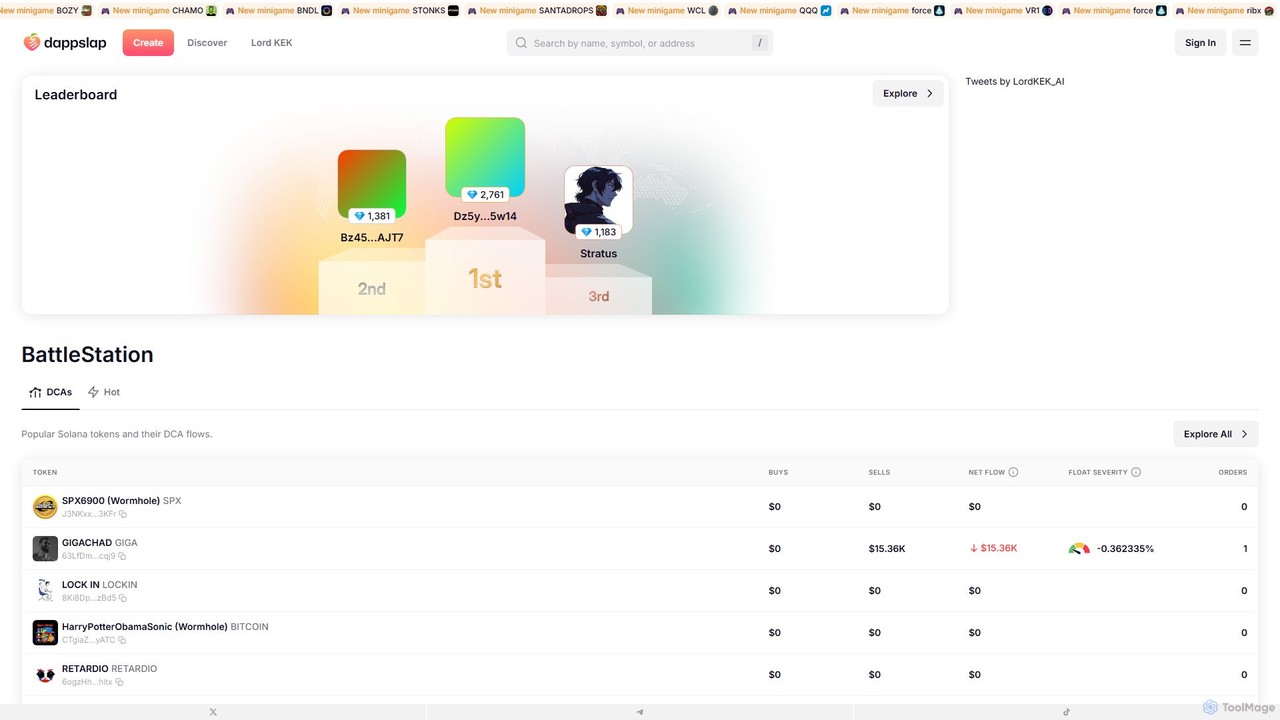
dappslap is an AI-powered platform on the Solana blockchain that enables users to create dApps, minigames, and tokens without writing any code. Led by the AI agent 'Lord KEK', it streamlines Web3 development, allowing for rapid deployment and community engagement through gamified features.

No Code
Visits 6.6KFavorites 157Likes 156

About Dapp Builder

Dapp Builders are specialized platforms designed to simplify and accelerate the creation of decentralized applications (DApps) on blockchain networks. They provide pre-built components, smart contract templates, and visual interfaces, significantly lowering the technical barrier for developers. These tools enable users to build, test, and deploy smart contracts and front-end interfaces without extensive blockchain coding knowledge. This approach streamlines the entire development lifecycle, from ideation to launch on networks like Ethereum or Solana.

Core Features

  • Smart Contract Templates: Offers pre-written, often audited, contracts for common use cases like tokens (ERC-20, ERC-721), DAOs, or staking.
  • Visual Workflow Builder: Allows users to design DApp logic and user interactions using drag-and-drop interfaces instead of code.
  • Wallet Integration: Provides built-in support for connecting popular crypto wallets such as MetaMask, Phantom, or WalletConnect.
  • Automated Deployment: Simplifies the process of deploying smart contracts to testnets and mainnets with one-click actions.
  • Front-End SDKs & Templates: Includes ready-to-use components and templates for building the user-facing part of the application.

Use Cases

Dapp Builders are primarily used by blockchain developers, Web3 startups, and enterprises looking to prototype or launch decentralized products quickly. They are ideal for building NFT marketplaces, decentralized finance (DeFi) protocols, governance platforms for DAOs, and blockchain-based games. Non-technical founders and product managers also use them to create functional prototypes for validation.

How to Choose

When selecting a Dapp Builder, first consider the supported blockchain networks (e.g., Ethereum, Polygon, Solana). Evaluate the library of available smart contract templates and the flexibility of the visual editor. It's also important to check for integration capabilities with external services like IPFS for storage, and to review the pricing model, which may be based on usage, features, or a monthly subscription.

Dapp Builder use cases

1

Launch an NFT Marketplace

An artist or startup can use a Dapp Builder to create a platform for minting and trading NFTs. By selecting an ERC-721 smart contract template, they can customize minting fees and royalties through a simple interface. The builder often provides a pre-built front-end template for the gallery, item pages, and transaction interface. This process avoids months of custom smart contract development and costly security audits, enabling a market-ready platform to be launched in weeks instead of months.

2

Create a Decentralized Autonomous Organization (DAO)

A community seeking transparent governance can use a Dapp Builder to deploy a DAO framework. These tools provide templates for core functions like treasury management, proposal submission, and token-based voting. The builder's interface allows community leaders to easily set governance parameters, such as the required quorum or proposal threshold, without writing complex Solidity code. This accelerates the formation of a functional DAO, enabling immediate community participation in decision-making.

3

Build a Simple DeFi Staking Protocol

A crypto project aiming to offer staking rewards can utilize a Dapp Builder to create a staking protocol. Developers can select a staking contract template and configure key parameters like the reward rate (APY) and lock-up periods through a user-friendly form. The tool automatically generates the necessary smart contract and often provides a basic front-end interface where users can connect their wallets, deposit tokens, and claim their accumulated rewards, significantly reducing development time and complexity.

4

Prototype a Web3 Social Media App

A product manager can validate an idea for a decentralized social network using a no-code Dapp Builder. They can quickly assemble a functional prototype that includes core Web3 features like connecting a crypto wallet for identity, posting content to decentralized storage (e.g., IPFS or Arweave), and enabling crypto-based tipping for creators. This allows for rapid user testing and feedback collection without needing a dedicated blockchain engineering team, saving significant time and resources in the early stages of product development.

5

Develop a Play-to-Earn (P2E) Game Component

A game studio integrating blockchain elements can use a Dapp Builder to manage its in-game economy. This involves using templates to create an ERC-20 token for the game's currency and ERC-1155 or ERC-721 contracts for tradable game items like skins or weapons. The builder's SDKs can then be used to connect the game engine (e.g., Unity or Unreal) to the deployed smart contracts, enabling seamless on-chain asset management and transactions within the game environment, accelerating the Web3 integration process.

6

Set Up a Token-Gated Content Platform

A creator or brand can offer exclusive content to holders of a specific NFT or token using a Dapp Builder. They can create a simple web portal and integrate a token-gating component provided by the builder. This component automatically checks a user's connected wallet for the required token before granting access to premium articles, videos, or community channels. This creates a decentralized paywall or membership system without complex backend development, enabling a direct and verifiable relationship with their audience.

Dapp Builder FAQ

What is a Dapp Builder?

A Dapp Builder is a low-code or no-code software platform that simplifies the creation of decentralized applications (DApps). It provides developers and non-developers with pre-built components, smart contract templates, and visual interfaces to build, test, and deploy applications on a blockchain. The primary goal is to lower the technical barrier to Web3 development, making it faster and more accessible than coding from scratch.

How to choose the right Dapp Builder?

To choose the right Dapp Builder, consider these key factors:

  • Blockchain Support: Ensure it supports your target network (e.g., Ethereum, Solana, Polygon, etc.).
  • Feature Set: Check for the specific smart contract templates you need (e.g., NFT, DeFi, DAO) and the level of customization available.
  • Technical Skill Level: Select a no-code option for beginners or a low-code platform for developers who need more control and flexibility.
  • Pricing Model: Compare subscription fees, usage-based costs, and any transaction commissions the platform may charge.
  • Integrations: Verify if it can connect with essential third-party services like decentralized storage (IPFS) or data oracles.
What's the difference between a Dapp Builder and a traditional website builder?

The main difference is the backend architecture and core functionality. A traditional website builder (like Wix or Squarespace) creates websites that run on centralized servers and interact with standard web databases. A Dapp Builder, however, is designed to create applications that interact with a decentralized blockchain. Its core features revolve around smart contract deployment, wallet connections, and processing on-chain transactions, which are functionalities completely absent in traditional builders.

Do I need to know how to code to use a Dapp Builder?

Not necessarily. Many Dapp Builders fall into the "no-code" category, allowing users to create DApps using visual drag-and-drop interfaces and pre-configured templates without writing a single line of code. Others are "low-code," which simplifies development but still allows developers to write custom code for more complex logic or unique features. The choice depends on your technical skills and the specific requirements of your project.

What are the main advantages of using a Dapp Builder?

The main advantages are speed, cost-effectiveness, and accessibility. They drastically reduce development time from months to weeks or even days by providing ready-made components. This, in turn, lowers costs associated with hiring specialized blockchain developers and conducting extensive security audits. Finally, they make Web3 development accessible to a wider audience, including entrepreneurs, creators, and developers from traditional Web2 backgrounds who may lack deep blockchain expertise.