Typeless
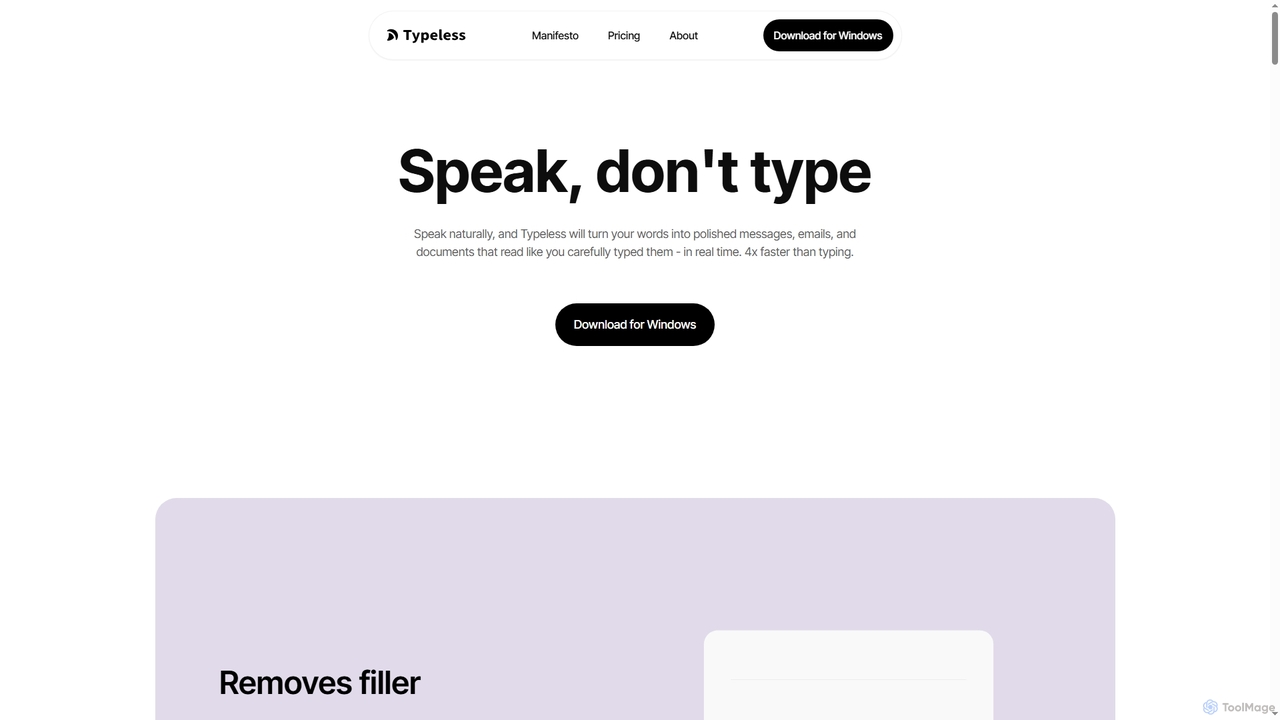
Typeless is an intelligent AI voice dictation tool that transforms natural speech into polished, formatted text in real-time. …
Typeless is an intelligent AI voice dictation tool that transforms natural speech into polished, formatted text in real-time. It enhances productivity by automatically removing filler words, repetitions, and auto-correcting mid-sentence changes, making communication up to 4x faster than traditional typing.
About Productivity
Productivity tools are AI-powered solutions designed to significantly enhance the efficiency and output of developers and technical teams. These tools leverage advanced artificial intelligence, including machine learning and natural language processing, to automate repetitive tasks, provide intelligent assistance, and optimize various stages of the software development lifecycle. By streamlining workflows from coding and debugging to testing and documentation, AI productivity tools enable developers to focus on complex problem-solving, innovation, and delivering high-quality software faster.
Core Features
- Intelligent Code Completion: Suggests relevant code snippets, functions, and syntax based on context and common patterns, accelerating coding.
- Automated Debugging Assistance: Identifies potential errors, suggests fixes, and helps pinpoint root causes in code, reducing debugging time.
- Smart Documentation Generation: Automatically creates or updates technical documentation, API references, and user guides from codebases.
- Task Automation & Workflow Optimization: Automates routine development tasks like code reviews, deployment checks, and environment setup.
- Project Insights & Analytics: Provides data-driven insights into project progress, code quality, and team performance to identify bottlenecks.
Use Cases
Developers utilize these tools to accelerate coding, reduce errors, and manage projects more effectively. For instance, a software engineer might use an AI code assistant to quickly generate boilerplate code or refactor existing modules. DevOps teams can automate deployment pipelines and monitor system health with AI-driven insights, ensuring smoother operations and faster releases. Technical writers leverage AI to draft and maintain up-to-date documentation directly from source code, saving significant manual effort.
How to Choose
When selecting AI productivity tools, consider their integration capabilities with your existing IDEs and development platforms, ensuring a seamless workflow. Evaluate the specific features offered, such as the accuracy of code suggestions or the depth of debugging assistance, to match your team's needs. Assess the learning curve and ease of use, as well as the vendor's commitment to data privacy and security. Finally, compare pricing models and scalability to ensure the tool can grow with your project and team requirements.

ProductivityUse Cases
Automated Code Generation for Boilerplate
Developers use AI tools to instantly generate common code structures, API endpoints, or test cases, significantly reducing manual typing and ensuring consistency across projects. This allows them to focus on core logic rather than repetitive setup, accelerating the initial development phase and maintaining coding standards effortlessly.
Intelligent Bug Detection and Resolution
Software engineers leverage AI-powered debuggers that not only identify syntax errors but also suggest logical fixes and potential performance bottlenecks, drastically cutting down the time spent on troubleshooting complex issues. This proactive approach improves code quality and reduces the number of defects reaching production environments.
Streamlined Technical Documentation Creation
Technical writers and developers employ AI to automatically generate or update API documentation, user manuals, and code comments directly from the codebase, ensuring accuracy and saving hundreds of hours of manual writing and synchronization. This ensures documentation is always current with the latest code changes, improving developer onboarding and product usability.
Optimizing Code Review Processes
Development teams utilize AI tools to pre-analyze pull requests, identifying potential issues, style violations, and security vulnerabilities before human reviewers even start, making code reviews faster and more effective. This leads to earlier detection of problems, reducing the overall time to merge and improving code quality standards.
Automated Test Case Generation
QA engineers and developers use AI to automatically generate comprehensive test cases based on code changes or functional requirements, improving test coverage and accelerating the testing phase of software development. This reduces the manual effort in writing tests and ensures a more robust and reliable software product.
Enhanced Project Management and Task Prioritization
Project managers and team leads apply AI-driven tools to analyze project data, predict potential delays, and suggest optimal task assignments, leading to more efficient resource allocation and timely project delivery. This helps in proactive risk management and keeps development projects on track and within budget.