Developer Tools Best in category 1 results Talent Platforms AI Tool

Popular AI tools in the Talent Platforms field of Developer Tools include OpenTaskAI, etc., helping you quickly improve efficiency.

OpenTaskAI

OpenTaskAI

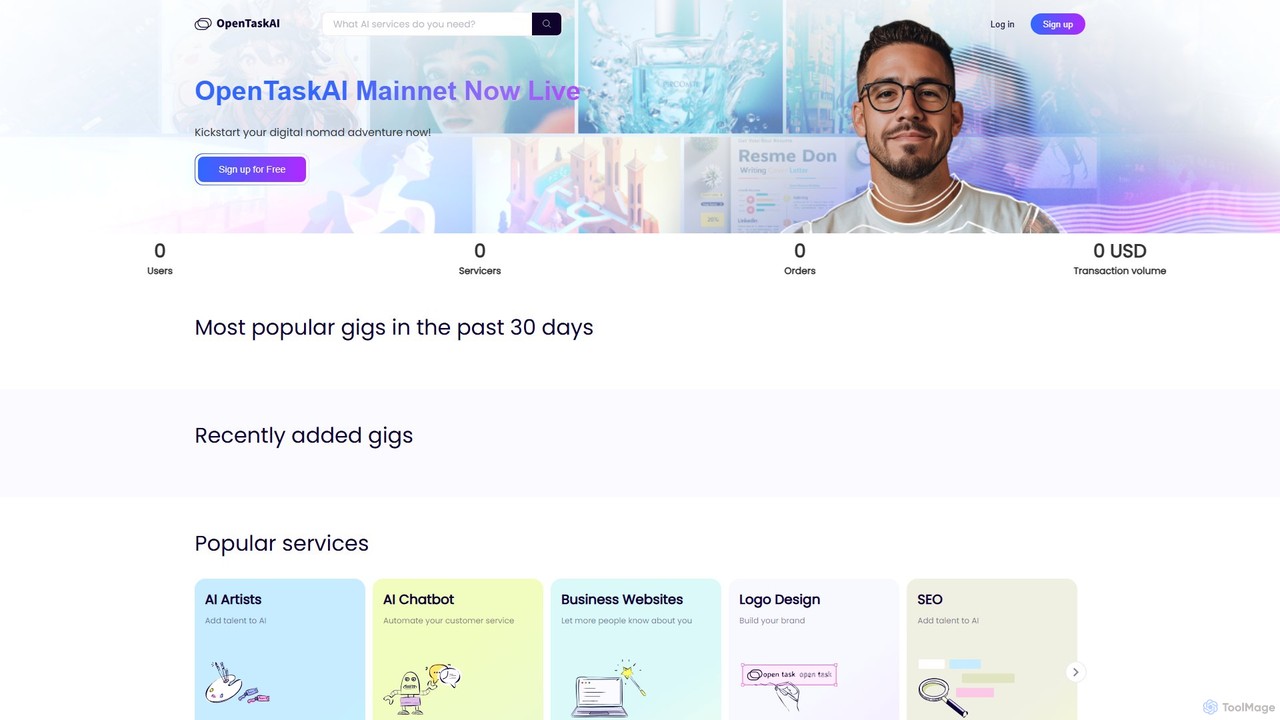
OpenTaskAI is a global freelance marketplace dedicated to connecting businesses and individuals with a diverse pool of AI …

2.3K

About Talent Platforms

AI Talent Platforms are specialized tools designed to connect companies with vetted technical professionals using artificial intelligence. These platforms leverage machine learning algorithms to analyze candidate data from resumes, code repositories, and skill assessments, going beyond simple keyword matching. They streamline the technical recruitment process, improve the quality of hires, and provide access to a global pool of developers and engineers. This AI-driven approach helps reduce hiring time and potential bias, making them a crucial component within the broader Developer Tools ecosystem for building high-performing tech teams.

Core Features

  • AI-Powered Sourcing & Matching: Automatically identifies and ranks the best-fit candidates based on a deep analysis of skills, experience, and code quality.
  • Automated Technical Vetting: Provides coding challenges and skill assessments to objectively measure a candidate's proficiency in specific technologies.
  • Comprehensive Profile Analysis: Aggregates and analyzes data from sources like GitHub, Stack Overflow, and LinkedIn for a holistic view of a candidate's abilities.
  • Bias Reduction Features: Employs algorithms to anonymize profiles and focus on skills to promote fair and objective hiring practices.
  • Predictive Performance Analytics: Uses historical data to forecast a candidate's potential success and cultural fit within a specific role or team.

Use Cases

These platforms are essential for tech companies of all sizes, from startups seeking their first engineers to large enterprises scaling specialized teams. HR departments and hiring managers use them to fill roles requiring specific programming languages (e.g., Python, Rust), frameworks (e.g., React, Django), or cloud expertise (e.g., AWS, Azure). They are also valuable for sourcing freelance or contract developers for specific, time-sensitive projects.

How to Choose

When selecting an AI Talent Platform, consider the depth and specialization of its talent pool in your required tech stack. Evaluate the sophistication of its AI matching and technical vetting process. Check for integration capabilities with your existing Applicant Tracking System (ATS). Finally, review the pricing model—whether it's subscription-based, a success fee per hire, or a combination that aligns with your hiring frequency.

Talent PlatformsUse Cases

1

Recruiting for Niche Tech Stacks

A fintech company needs to hire senior backend engineers with specific experience in Go and Kubernetes. Instead of manually sifting through thousands of generic profiles, the hiring manager uses an AI Talent Platform. The platform's AI analyzes candidates' public code repositories and project histories to identify those with proven, hands-on experience in the required technologies. It automatically sends them coding challenges relevant to the role. This process reduces the time-to-hire from months to weeks and significantly increases the quality of candidates who reach the final interview stage.

2

Scaling a Remote Engineering Team

A fast-growing SaaS startup wants to build a globally distributed engineering team. An AI Talent Platform provides access to a pre-vetted pool of talent from different time zones. The platform can help manage compliance and payroll for international hires, simplifying operational complexity. Its AI matching ensures that candidates not only have the right technical skills but also align with the company's remote work culture by analyzing communication patterns and project collaboration history. This allows the startup to scale its team much faster than with traditional methods.

3

Finding Freelancers for Specific Projects

A digital agency needs to quickly find a freelance Webflow developer for a three-month client project. Using an AI Talent Platform, the project manager can post the project requirements and get a shortlist of available, vetted freelancers within 24 hours. The platform's AI matches the project's scope with freelancers who have successfully completed similar projects in the past. This eliminates the risk of hiring an unqualified candidate and ensures the project can start on time and within budget.

4

Reducing Bias in Technical Hiring

An enterprise organization is committed to improving diversity and inclusion in its tech department. They adopt an AI Talent Platform that offers features like anonymized profiles and skill-based assessments. The AI focuses solely on a candidate's technical abilities, coding quality, and problem-solving skills, removing demographic information from the initial screening process. This helps hiring managers make objective, data-driven decisions, leading to a more diverse candidate pipeline and a fairer evaluation process for all applicants.

5

Automating Initial Candidate Screening

Engineering managers at a large tech company spend over 10 hours per week reviewing resumes and conducting initial phone screens. By implementing an AI Talent Platform, they automate this first layer of vetting. The platform screens all applicants, runs automated code tests, and provides a detailed report on each candidate's strengths and weaknesses. Engineering managers now only spend time interviewing a small pool of highly qualified, pre-vetted candidates, freeing them up to focus on building products and mentoring their teams.

6

Building a Specialized Data Science Team

A healthcare tech firm needs to build a team of data scientists with expertise in machine learning and specific Python libraries like TensorFlow and PyTorch. An AI Talent Platform helps them pinpoint candidates who not only list these skills but have actively contributed to open-source projects or published research using them. The platform's AI can even assess the complexity and quality of their code on platforms like GitHub or Kaggle, providing a much deeper level of validation than a resume alone. This ensures they hire true experts capable of tackling complex medical data challenges.

Talent PlatformsFrequently Asked Questions