Development Best in category 4 results Api Tools AI Tool

Popular AI tools in the Api Tools field of Development include Rtrvr、Marble、Resletter、LLM Models, etc., helping you quickly improve efficiency.

Resletter

Resletter

Resletter is an all-in-one email marketing platform specifically designed for SaaS founders and developers. It helps businesses grow …

3.6K
Marble

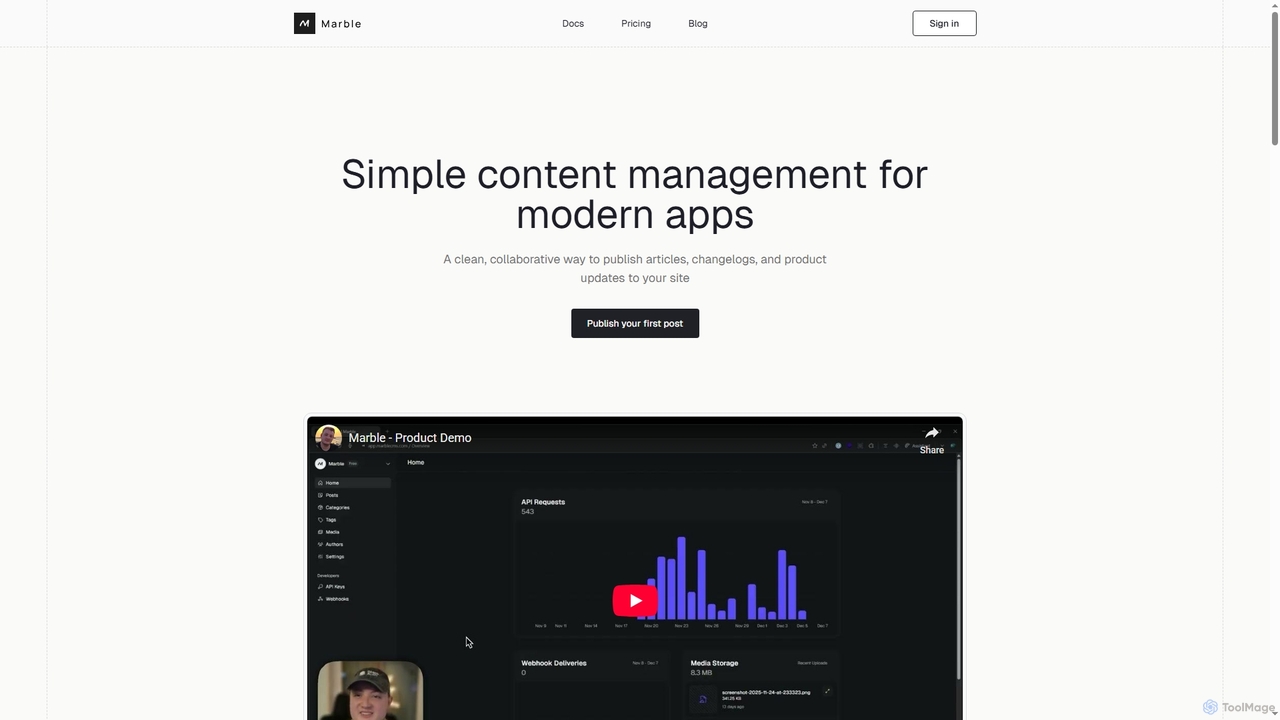
Marble

Marble is a super simple headless CMS designed for modern applications, offering a clean and collaborative platform to …

4.5K
LLM Models

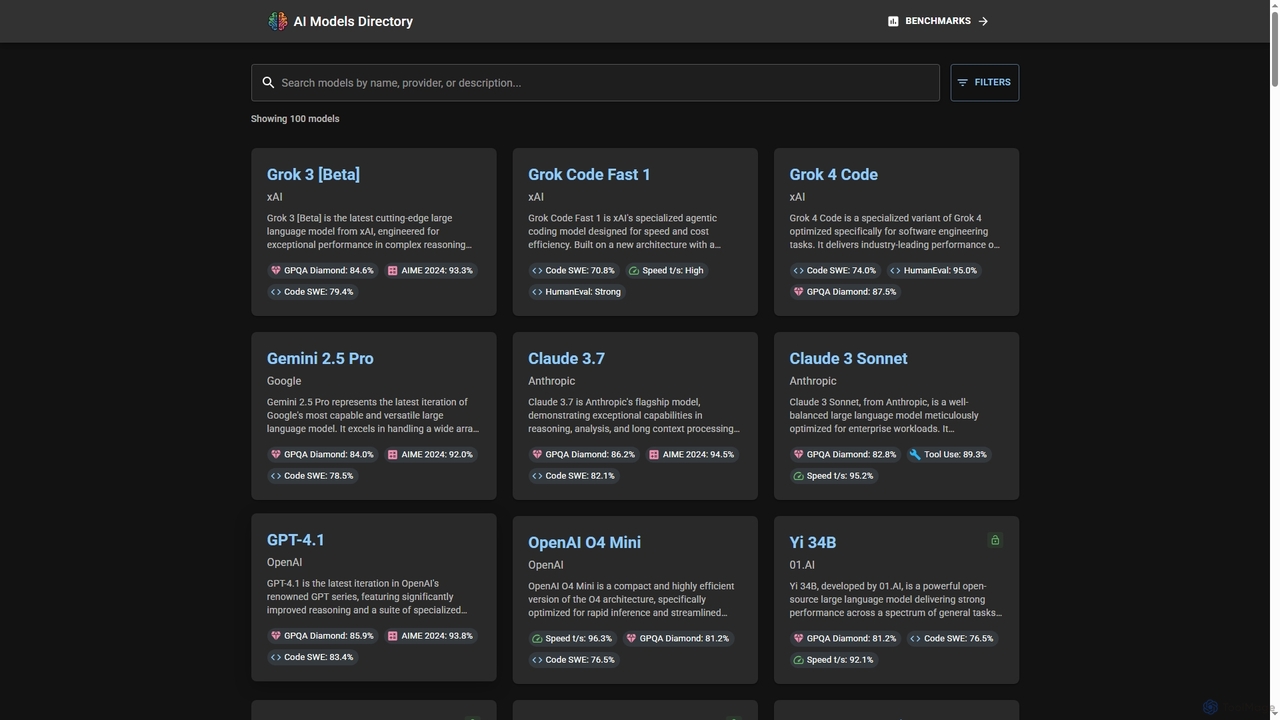
LLM Models

LLM Models is a comprehensive online directory and comparison platform for large language models and foundation models. It …

3.5K
Rtrvr

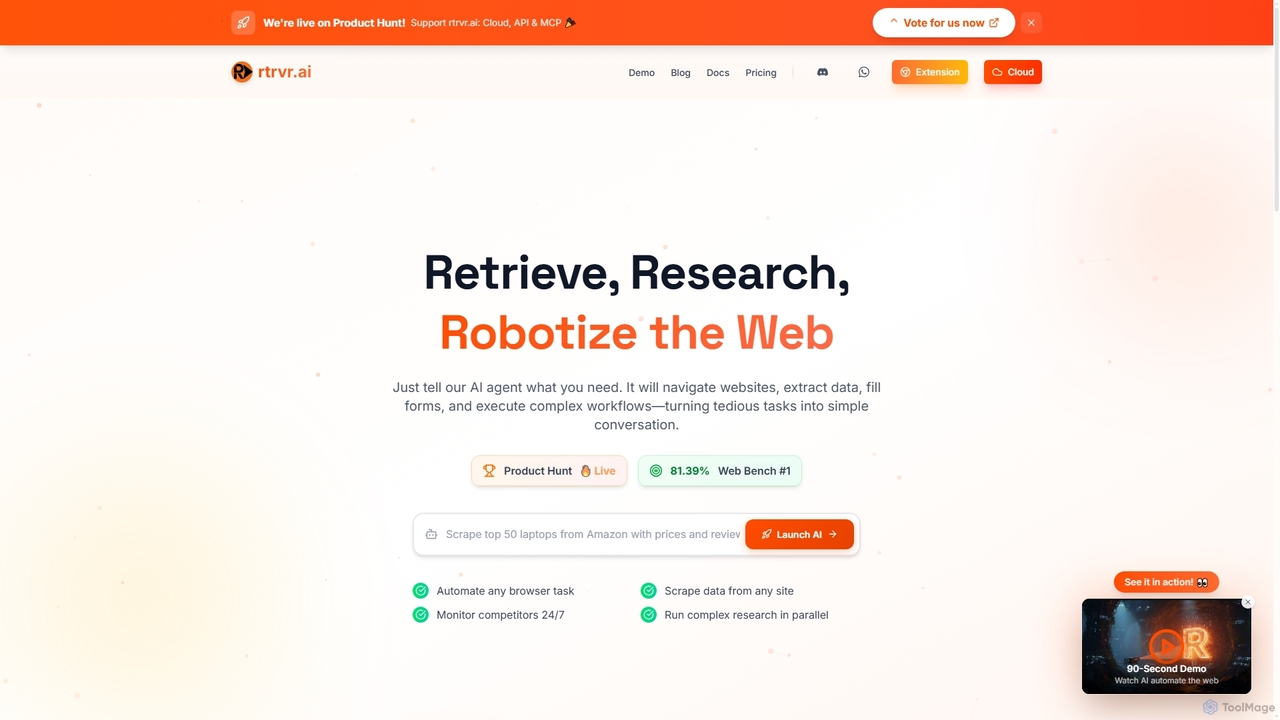
Rtrvr

Rtrvr is an advanced AI agent designed to automate complex web tasks using natural language. It navigates websites, …

53.7K

About Api Tools

API Tools are a category of software designed to simplify and automate the management of Application Programming Interface (API) lifecycles. These tools leverage AI technology to assist in the design, development, testing, deployment, and monitoring of APIs, significantly enhancing development efficiency and API quality. They are crucial for building microservice architectures, enabling inter-system data exchange, and integrating functionalities, finding widespread application in software development, data integration, and automated workflows. In the AI era, they accelerate the creation and consumption of AI model APIs, driving the rapid implementation of intelligent applications.

Core Features

  • API Design & Generation: Assists in defining API structures and data models, and can even automatically generate API code based on requirements.
  • Automated API Testing: Automatically creates test cases and executes functional and performance tests to ensure API stability and reliability.
  • Automated API Documentation: Generates interactive, multilingual API documentation automatically from API definitions, making it easier for developers to understand and use.
  • API Management & Monitoring: Provides API gateways, version control, access permission management, and real-time performance monitoring to ensure secure and efficient API operation.
  • API Integration & Orchestration: Simplifies the connection and data flow between different APIs, enabling the automation of complex business processes.

Applicable Scenarios

API tools are indispensable for various roles and industries. Software development teams utilize them for rapid microservice development and iteration, ensuring consistent API interface specifications. Data engineers employ them to integrate APIs from diverse data sources, building robust data pipelines and analytics platforms. DevOps engineers leverage these tools to automate API deployment, testing, and monitoring processes, facilitating continuous integration and continuous delivery.

How to Choose

When selecting an API tool, consider its functional comprehensiveness, ensuring it covers the full API lifecycle from design to monitoring. Evaluate its AI capabilities, such as AI-assisted code generation or intelligent testing suggestions. Assess its integration and compatibility with existing development tools, CI/CD pipelines, and cloud platforms. Finally, examine its security features, authentication mechanisms, and scalability to support high concurrency and elastic expansion.


Api ToolsUse Cases

1

Automating API Interface Testing

Software QA engineers utilize API tools to automatically generate and execute a large volume of test cases, quickly identifying interface defects and ensuring API stability and responsiveness under various loads. This significantly shortens the testing cycle, allowing teams to deliver high-quality APIs faster and with greater confidence in their reliability and performance.

2

Rapid API Documentation Generation

Backend developers use API tools to automatically generate up-to-date, accurate, and interactive API documentation from code annotations or API definition files (e.g., OpenAPI/Swagger). This reduces manual writing and updating efforts, ensures consistency across versions, and significantly improves team collaboration and the onboarding experience for new developers consuming the API.

3

Building Microservice API Gateways

Architects or DevOps teams deploy API tools to establish an API gateway, centrally managing routing, authentication, rate limiting, and monitoring for microservices. This simplifies client access to multiple microservices, enhances system security and maintainability, and provides a single entry point for all external interactions, improving overall system resilience.

4

AI-Assisted API Code Generation

Developers input business requirements or data models, and API tools leverage AI to automatically generate compliant API interface code and related data access layers. This significantly accelerates the backend service development startup phase, reduces repetitive coding tasks, and ensures adherence to best practices and architectural patterns, freeing developers to focus on complex logic.

5

Cross-System API Data Integration

Data analysts or integration engineers use API tools to connect various internal and external APIs within an enterprise, automating data extraction, transformation, and loading (ETL) processes. This builds a unified data view, supports business intelligence and data-driven decision-making, and eliminates manual data handling, ensuring data accuracy and timeliness across disparate systems.

6

API Security Vulnerability Scanning & Protection

Security engineers employ API tools to conduct automated security scans on existing APIs, identifying potential vulnerabilities like SQL injection, XSS, and authentication bypasses. They then configure API firewalls and access policies to enhance overall API security, protecting sensitive data and ensuring compliance with regulatory requirements, thereby mitigating risks effectively.

Api ToolsFrequently Asked Questions