Digma
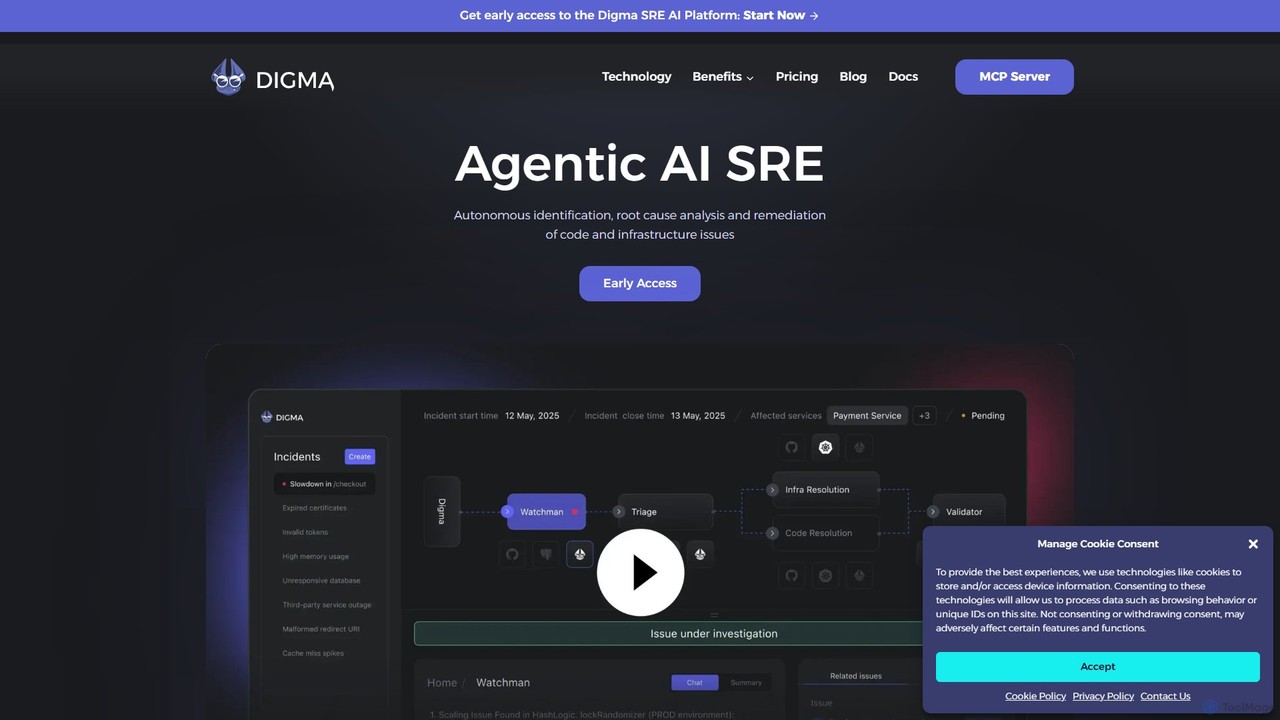
Digma is an agentic AI SRE platform that uses Dynamic Code Analysis (DCA) to autonomously identify, analyze, and …
Digma is an agentic AI SRE platform that uses Dynamic Code Analysis (DCA) to autonomously identify, analyze, and remediate code and infrastructure issues before they reach production. It integrates with your observability stack to provide real-time insights, prevent breaking changes, and optimize application performance, significantly reducing resolution time and engineering effort.
Sauce Labs
Sauce Labs is an AI-powered, all-in-one platform for continuous software quality testing. It enables DevOps teams to accelerate …
Sauce Labs is an AI-powered, all-in-one platform for continuous software quality testing. It enables DevOps teams to accelerate development by providing a comprehensive suite for web and mobile app testing, including cross-browser, real device, and visual testing. With AI-driven insights, error reporting, and seamless CI/CD integration, Sauce Labs helps businesses deliver flawless digital experiences faster and more efficiently, eliminating testing bottlenecks and improving overall product quality.
Coderbuds
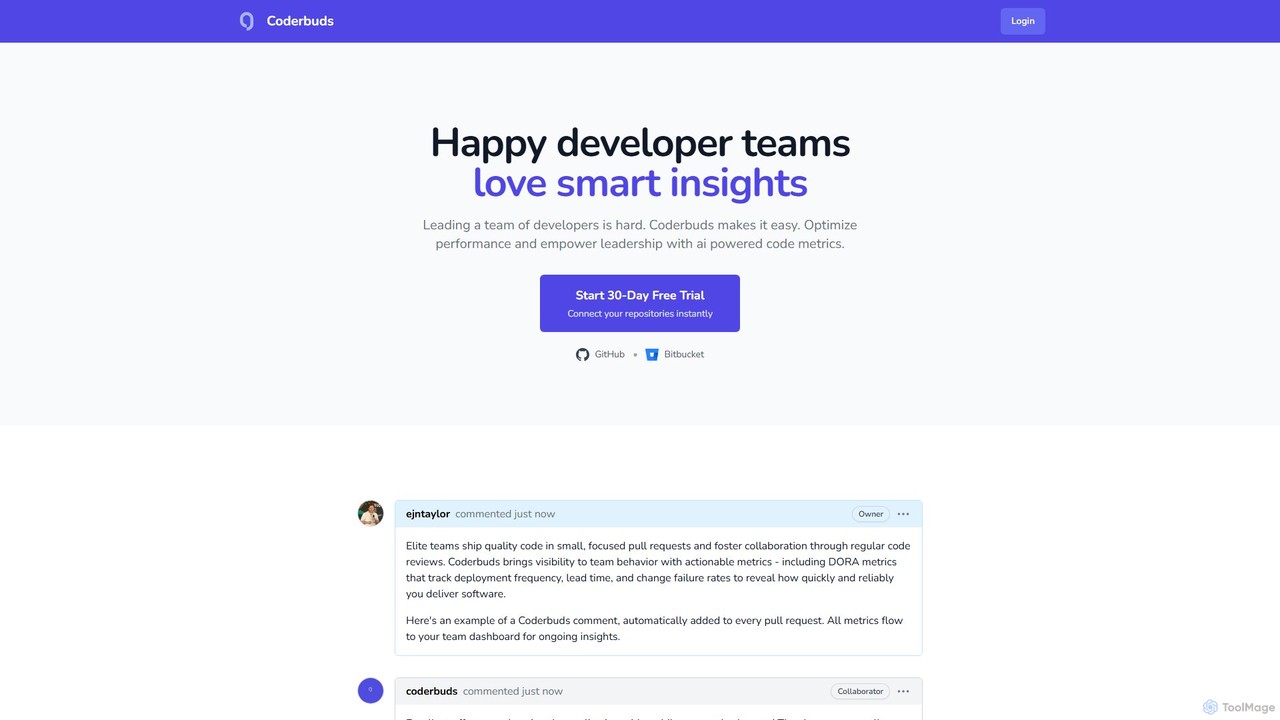
Coderbuds is an AI-powered analytics platform for developer teams. It provides smart insights, automated code reviews, and tracks …
Coderbuds is an AI-powered analytics platform for developer teams. It provides smart insights, automated code reviews, and tracks industry-standard DORA metrics to optimize performance, improve code quality, and foster collaboration. Integrates seamlessly with GitHub and Bitbucket.
About Code Quality
Code Quality tools are AI-powered solutions designed to analyze source code for potential issues, enforce coding standards, and identify areas for improvement. These tools leverage advanced algorithms, including machine learning, to automate the detection of bugs, security vulnerabilities, code smells, and complexity, significantly enhancing the reliability and maintainability of software projects within the broader development lifecycle.
Core Features
- Static Analysis: Automatically scans code without execution to find errors, bugs, and vulnerabilities.
- Code Style Enforcement: Ensures adherence to predefined coding standards and best practices across a codebase.
- Security Vulnerability Detection: Identifies common security flaws like SQL injection or cross-site scripting.
- Complexity Measurement: Calculates metrics like cyclomatic complexity to highlight hard-to-maintain code.
- Refactoring Suggestions: Provides AI-driven recommendations for improving code structure and readability.
Use Cases
Software development teams integrate Code Quality tools into their CI/CD pipelines to ensure every code commit meets quality gates. They are also used by individual developers for real-time feedback during coding, by security auditors to scan large codebases for vulnerabilities, and by engineering managers to track and improve overall code health metrics across projects.
How to Choose
When selecting an AI Code Quality tool, consider its language support, integration capabilities with your existing development environment and CI/CD, the depth and accuracy of its analysis, customization options for rulesets, and the clarity of its reporting. Evaluate its ability to provide actionable insights and its impact on developer workflow.
Code QualityUse Cases
Automated Pre-Commit Code Review
Developers integrate Code Quality tools into their IDEs to get instant feedback on code quality, style, and potential bugs before committing. This proactive approach significantly reduces the need for extensive manual review cycles, allowing developers to catch and fix issues early, ensuring higher initial code quality and faster development iterations.
Continuous Security Scanning in CI/CD
DevOps teams embed Code Quality tools into their continuous integration/continuous deployment (CI/CD) pipelines to automatically scan every new build for security vulnerabilities. This ensures that insecure code is identified and addressed before it can reach production environments, significantly enhancing the overall security posture of the application.
Enforcing Enterprise Coding Standards
Large organizations use Code Quality tools to define and enforce consistent coding standards and architectural patterns across multiple development teams and projects. This ensures uniformity in code style, naming conventions, and best practices, leading to easier collaboration, improved readability, and reduced onboarding time for new developers.
Identifying Technical Debt in Legacy Systems
Engineering managers and architects utilize Code Quality tools to analyze existing large or legacy codebases, pinpointing areas of high complexity, duplication, or poor design that contribute to technical debt. This helps in prioritizing refactoring efforts, planning future development, and making informed decisions about system maintenance and evolution.
Onboarding New Developers with Quality Gates
Project leads configure Code Quality tools to provide new team members with immediate, automated feedback on their code submissions. This helps new hires quickly adapt to project-specific coding conventions and quality expectations, reducing the learning curve and ensuring that all contributions meet the established standards from day one.
Optimizing Performance and Resource Usage
Developers employ advanced Code Quality tools to detect inefficient algorithms, memory leaks, or suboptimal resource handling patterns that could impact application performance and stability. These tools provide actionable insights and suggestions, guiding optimization efforts to create more efficient and robust software.