Development Best in category 2 results Mobile App Builder AI Tool

Popular AI tools in the Mobile App Builder field of Development include DreamFlow、Glowbom, etc., helping you quickly improve efficiency.

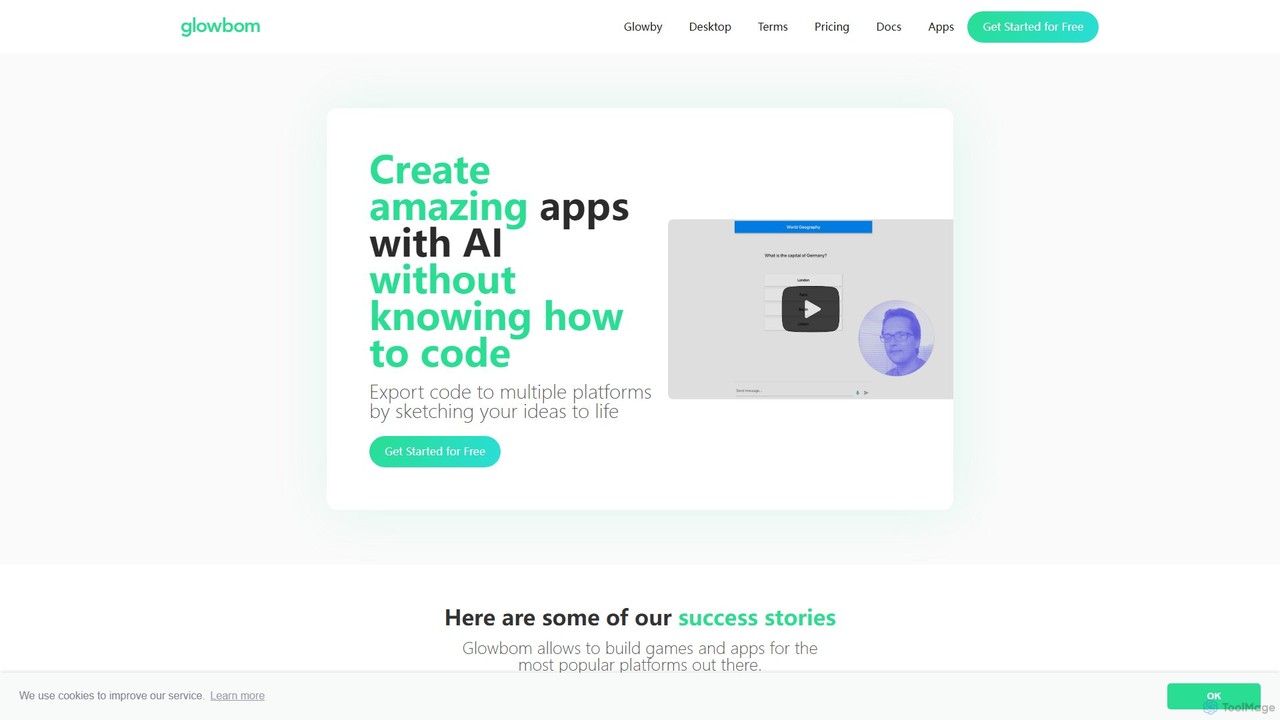
Glowbom

Glowbom

Glowbom is a revolutionary AI-powered platform that transforms your sketches and design ideas into functional, multi-platform application code. …

2.7K
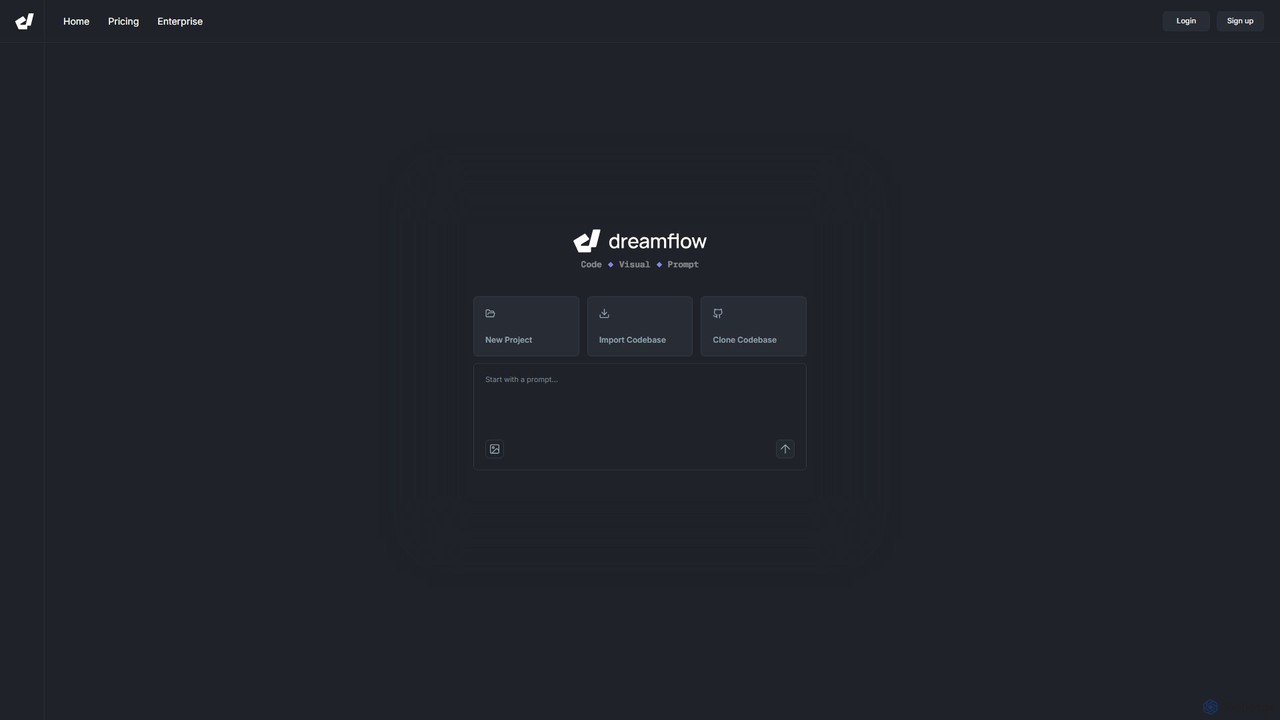
DreamFlow

DreamFlow

DreamFlow is an AI-first development environment that transforms app creation. Build full-stack, production-ready mobile and desktop applications directly …

89.8K

About Mobile App Builder

Mobile App Builders are platforms that enable users to create functional mobile applications for iOS and Android without extensive coding. These tools leverage visual development environments, drag-and-drop interfaces, and pre-built components to simplify the app creation process. They empower individuals and businesses to rapidly prototype, build, and deploy mobile apps, significantly reducing development time and costs. This approach democratizes app development, making it accessible to a wider range of creators.

Core Features

  • Visual Editor: Drag-and-drop interface for designing app layouts and user interfaces.
  • Pre-built Templates: Ready-to-use designs and functionalities for common app types.
  • Backend Integration: Connects with databases, APIs, and cloud services for data management.
  • Cross-Platform Deployment: Publishes apps to both iOS App Store and Google Play Store from a single codebase.
  • Push Notifications: Enables sending targeted messages to app users for engagement.

Use Cases

Small businesses can create customer loyalty apps or internal tools without hiring a full development team. Entrepreneurs can quickly launch minimum viable products (MVPs) to validate app ideas before investing heavily in custom coding. Content creators can build branded apps to deliver exclusive content and engage their audience directly.

How to Choose

When selecting a Mobile App Builder, consider the platform's ease of use and learning curve, especially for non-technical users. Evaluate the range of customization options and available integrations with third-party services. Assess the pricing model, including subscription costs and potential fees for app publishing. Finally, check for community support and documentation to ensure help is available when needed.

Mobile App BuilderUse Cases

1

Creating Internal Business Tools

Small to medium-sized businesses can develop custom mobile applications for internal operations, such as inventory management, field service reporting, or employee onboarding. This allows teams to streamline workflows, reduce manual data entry, and access critical information on the go, without relying on IT departments for complex coding.

2

Launching MVP for Startups

Entrepreneurs can rapidly build a Minimum Viable Product (MVP) for their app idea to test market demand and gather user feedback. Using a mobile app builder significantly cuts down the time and cost associated with initial development, enabling quick iterations and validation before committing to full-scale custom development.

3

Developing Customer Engagement Apps

Retailers and service providers can create branded mobile apps to enhance customer loyalty and engagement. Features like push notifications for promotions, in-app ordering, loyalty programs, and direct communication channels can be easily integrated, providing a personalized experience and driving repeat business.

4

Building Event Management Applications

Event organizers can design dedicated apps for conferences, festivals, or workshops. These apps can provide schedules, speaker bios, venue maps, interactive polls, and networking features, improving attendee experience and simplifying event logistics for organizers.

5

Educational Content Delivery

Educators and online course creators can develop mobile apps to deliver interactive learning content, quizzes, and progress tracking. This offers students a flexible and engaging way to access educational materials on their mobile devices, enhancing the learning experience beyond traditional web platforms.

6

Personal Portfolio & Brand Apps

Freelancers, artists, and content creators can build personal portfolio apps or branded content hubs. This allows them to showcase their work, share updates, and connect with their audience directly through a dedicated mobile presence, offering a more immersive experience than a standard website.

Mobile App BuilderFrequently Asked Questions