Development Best in category 3 results Platform AI Tool

Popular AI tools in the Platform field of Development include aistudio、Aqora、TextLayer, etc., helping you quickly improve efficiency.

aistudio

aistudio

AI Studio is an all-in-one AI learning and development community by Baidu, powered by the PaddlePaddle deep learning …

365.6K
TextLayer

TextLayer

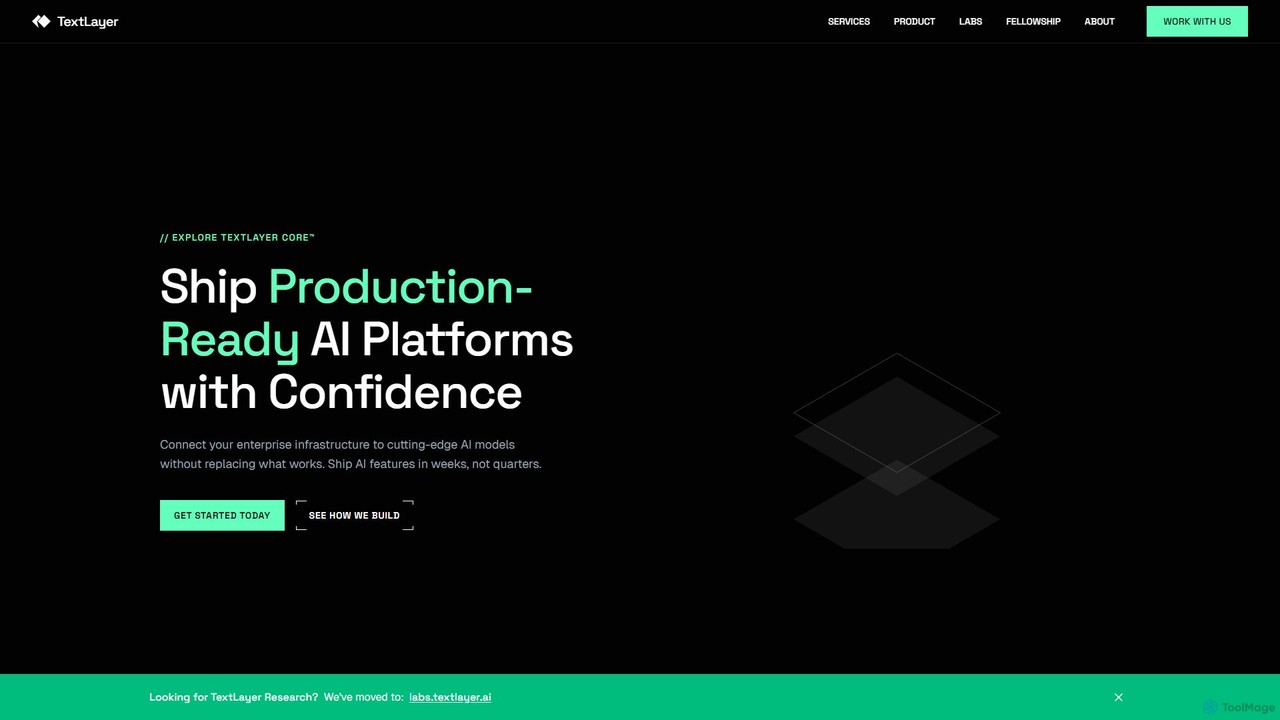
TextLayer is an AI integration platform and service designed for enterprises. It enables companies to connect their legacy …

3.5K
Aqora

Aqora

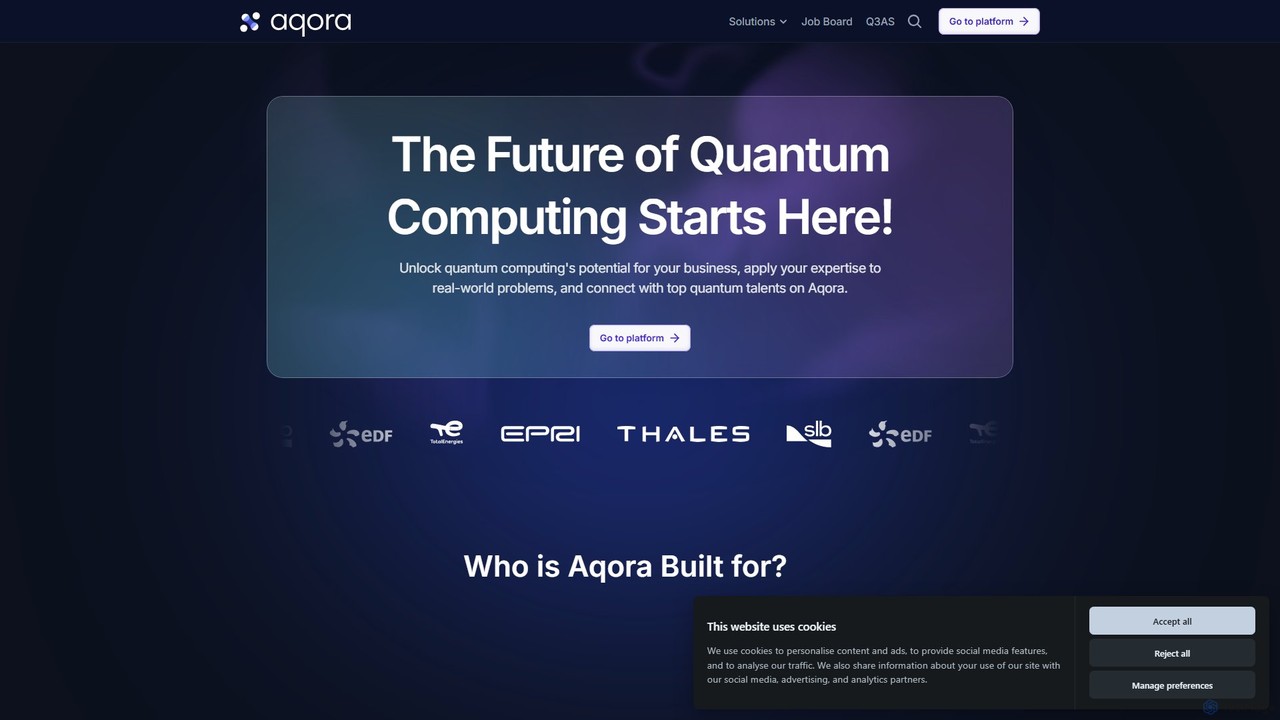
Aqora is a global platform dedicated to advancing quantum computing by connecting companies, experts, and researchers. It hosts …

18.8K

About Platform

Platform tools are integrated AI-powered environments designed for the end-to-end development, deployment, and management of artificial intelligence and machine learning solutions. These platforms provide a comprehensive suite of services, from data preparation and model training to MLOps and API integration, enabling developers and data scientists to build scalable AI applications efficiently. They streamline complex workflows within the broader AI development landscape, offering robust infrastructure for innovation.

Core Features

  • Data Management: Securely store, process, and version large datasets for AI model training and evaluation.
  • Model Training & Experimentation: Provide environments and resources for building, training, and iterating on machine learning models.
  • Model Deployment & Serving: Facilitate the deployment of trained models as APIs or services, enabling real-time inference.
  • MLOps & Monitoring: Automate the lifecycle of AI models, including continuous integration, deployment, and performance monitoring.
  • API & SDK Integration: Offer interfaces for seamless integration of AI capabilities into existing applications and systems.

Use Cases

AI platforms are essential for organizations looking to operationalize AI. They are used by data science teams to accelerate model development, by MLOps engineers to automate deployment pipelines, and by software architects to embed AI functionalities into enterprise applications, ensuring robust and scalable AI solutions.

How to Choose

When selecting an AI platform, consider its compatibility with your existing tech stack, the range of supported AI/ML frameworks, scalability options for data and models, the comprehensiveness of MLOps features, security protocols, and the pricing structure. Evaluate vendor support and community resources for long-term viability.

PlatformUse Cases

1

Developing Custom AI Models

Data scientists utilize AI platforms to upload and preprocess diverse datasets, then leverage integrated tools to train, validate, and fine-tune custom machine learning models for specific business challenges, such as anomaly detection or personalized recommendations, significantly reducing development cycles.

2

Deploying & Managing AI Applications

MLOps engineers employ AI platforms to seamlessly deploy trained models into production environments as scalable APIs or microservices. The platforms provide robust monitoring tools to track model performance, detect data drift, and manage versioning, ensuring reliable and efficient AI application delivery.

3

Automating MLOps Workflows

Machine learning engineers configure automated MLOps pipelines within the platform, enabling continuous integration, continuous delivery, and continuous training (CI/CD/CT) for AI models. This automation ensures models are always up-to-date and perform optimally with minimal manual intervention.

4

Collaborative AI Project Development

Cross-functional teams, including data scientists, developers, and domain experts, collaborate on AI projects using the platform's shared workspaces. Features like version control, experiment tracking, and shared resource management streamline teamwork, fostering efficient development and knowledge sharing.

5

Integrating AI Capabilities into Enterprise Systems

Software architects and developers use the platform's APIs and SDKs to embed advanced AI functionalities, such as natural language processing or computer vision, directly into existing enterprise applications like CRM, ERP, or customer service portals, enhancing their intelligence and automation.

6

AI Solution Prototyping & Experimentation

Researchers and innovators leverage AI platforms for rapid prototyping and experimentation with new AI algorithms and models. The platforms provide flexible environments and computational resources to quickly test hypotheses, iterate on designs, and validate concepts without extensive infrastructure setup.

PlatformFrequently Asked Questions