E Commerce Best in category 2 results Fulfillment AI Tool

Popular AI tools in the Fulfillment field of E Commerce include clicoh、Berkshire Grey, etc., helping you quickly improve efficiency.

Berkshire Grey

Berkshire Grey

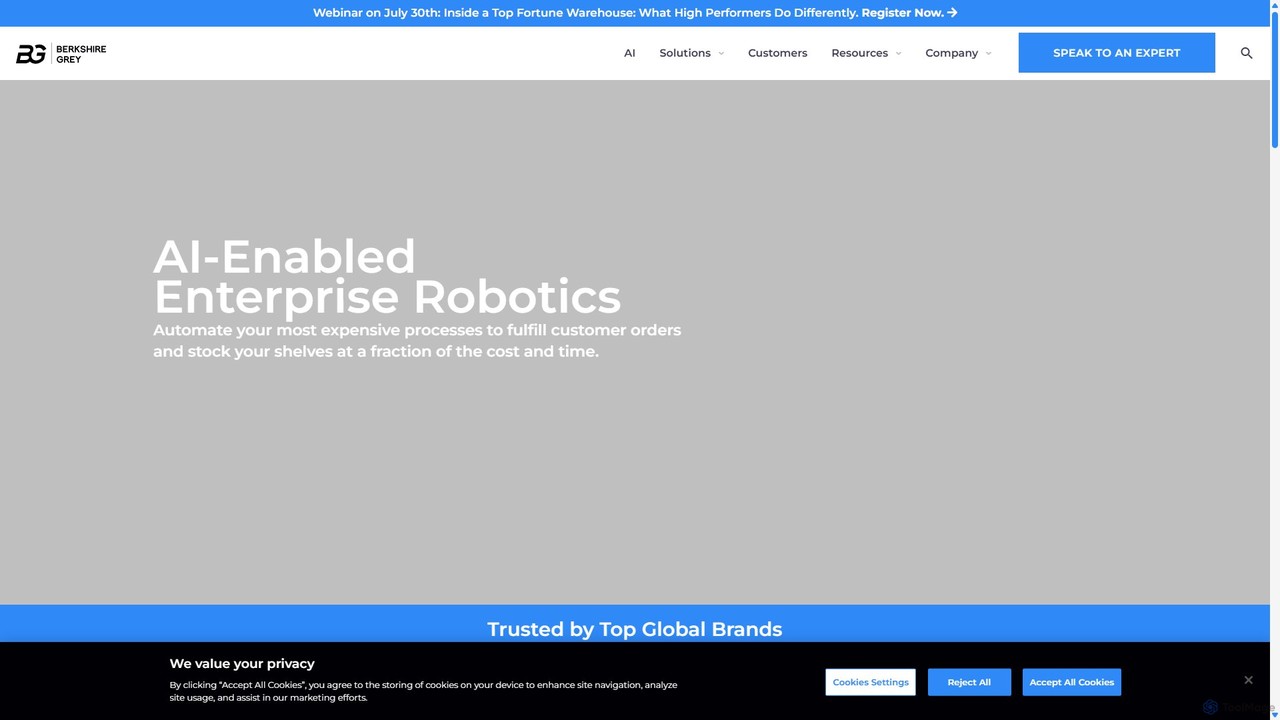
Berkshire Grey delivers AI-powered robotic solutions to automate supply chain operations for retail, e-commerce, and logistics. Their systems …

12.2K
clicoh

clicoh

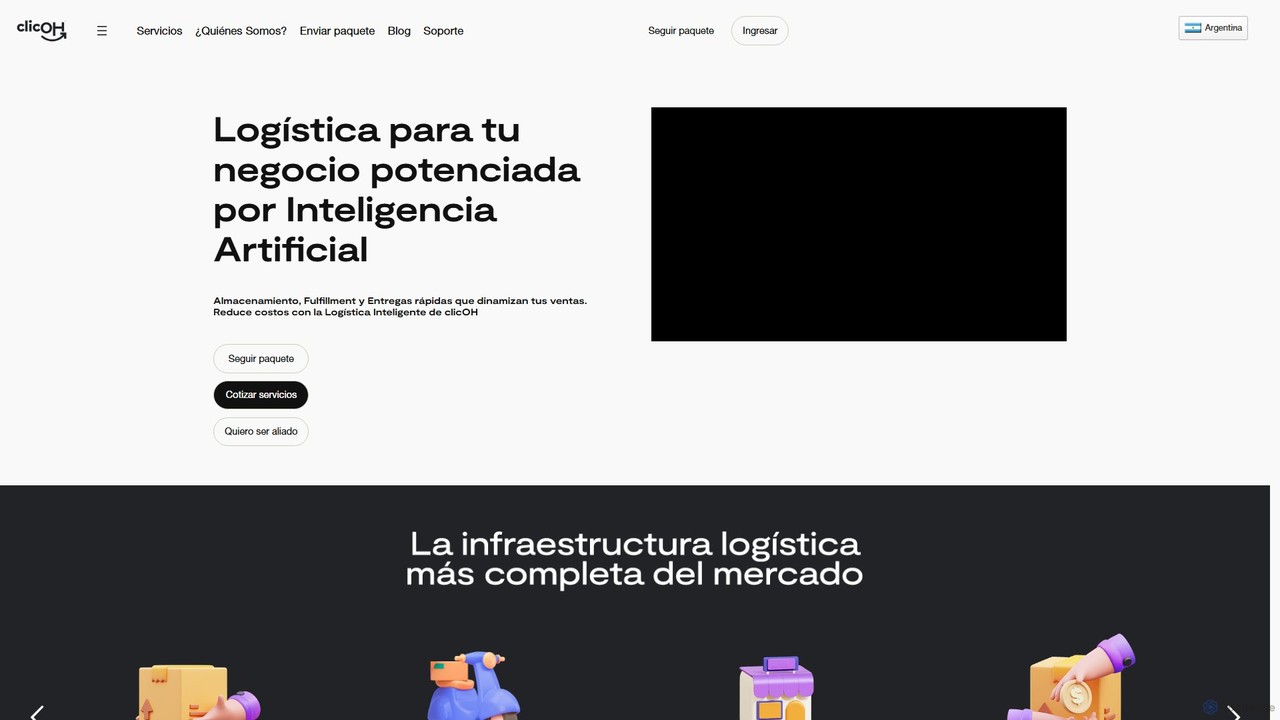
clicoh is an AI-powered logistics platform for e-commerce businesses. It offers end-to-end solutions, including intelligent warehousing, fulfillment services, …

20.1K

About Fulfillment

AI Fulfillment tools are a class of software that automates and optimizes the entire e-commerce order lifecycle, from the moment a customer clicks 'buy' to the final delivery. These tools utilize machine learning algorithms to manage inventory, route orders intelligently, and select the most efficient shipping options. By doing so, they enable businesses to significantly reduce operational costs, accelerate delivery times, and enhance the post-purchase customer experience. Unlike traditional logistics software, AI-powered fulfillment systems can dynamically adapt to supply chain fluctuations and predict future demand with greater accuracy.

Core Features

  • Predictive Inventory Management: Uses AI to forecast demand, suggesting optimal stock levels across multiple locations to prevent stockouts and reduce carrying costs.
  • Intelligent Order Routing: Automatically assigns orders to the most strategic fulfillment center based on inventory availability, customer location, and shipping costs.
  • Optimized Carrier Selection: Compares shipping carriers in real-time to select the best option based on price, speed, and delivery performance.
  • Automated Returns Management: Streamlines the returns process with self-service portals, intelligent exchange suggestions, and automated label generation.

Use Cases

These tools are essential for direct-to-consumer (DTC) brands, multi-channel retailers, and third-party logistics (3PL) providers. They are particularly effective for businesses managing high order volumes, operating multiple warehouses, or shipping internationally, where manual coordination becomes complex and inefficient.

How to Choose

When selecting an AI Fulfillment tool, consider its integration capabilities with your e-commerce platform (e.g., Shopify, Magento) and ERP systems. Evaluate its scalability to handle your projected growth in order volume. Assess the depth of its AI features, such as the accuracy of its demand forecasting. Finally, confirm its support for the shipping carriers and geographical regions relevant to your business.

FulfillmentUse Cases

1

Automate Order Routing for Multi-Warehouse Retailers

An e-commerce operations manager for a fashion brand with warehouses on both the East and West coasts uses an AI fulfillment tool to optimize shipping. When a customer places an order, the system instantly analyzes the customer's address, real-time inventory levels at each warehouse, and current shipping rates from multiple carriers. It automatically routes the order to the closest warehouse that has the item in stock. This process reduces the average shipping distance, resulting in a 15% reduction in shipping costs and shortening delivery times by an average of two days, significantly improving customer satisfaction.

2

Predictive Inventory Replenishment for Seasonal Products

An inventory planner for a company selling seasonal goods, like outdoor gear, faces the challenge of avoiding stockouts during peak season and overstocking in the off-season. By implementing an AI fulfillment tool, they can analyze historical sales data, weather patterns, and market trends to generate accurate demand forecasts. The AI recommends precise reorder quantities and timings for each product. This leads to a 25% reduction in excess inventory costs during the off-season and ensures a 99% in-stock rate during peak demand, maximizing sales opportunities.

3

Optimize Last-Mile Delivery Carrier Selection

A logistics coordinator for a direct-to-consumer electronics store needs to minimize shipping costs without sacrificing delivery speed. Their AI fulfillment platform connects to multiple carriers. For each shipment, the AI algorithm instantly compares real-time rates, delivery estimates, and historical performance data (like on-time delivery rates) for each carrier. It then automatically selects and assigns the most cost-effective carrier that meets the promised delivery window. This dynamic, order-by-order optimization saves the company an average of $1.10 per package, accumulating to significant savings at scale.

4

Streamline International Shipping and Customs

A global e-commerce manager is expanding their business into new international markets, facing complex customs regulations. Their AI fulfillment tool automates this process. It automatically generates the correct customs forms (like commercial invoices), calculates estimated duties and taxes for the customer at checkout, and validates shipping addresses to prevent errors. This automation reduces the time spent on customs paperwork by 60% and minimizes the risk of packages being held up at the border, ensuring a smoother and more transparent delivery experience for international customers.

5

Manage Customer Returns with an AI-Powered Portal

A customer service manager at an online apparel store uses an AI-powered returns portal to improve efficiency. When a customer initiates a return, the portal's AI doesn't just process a refund. It analyzes the reason for the return (e.g., 'size too small') and proactively suggests an exchange for a different size or a related product. It also automates the generation of return shipping labels. This approach reduces the manual workload on the support team by 50% and increases the product exchange rate by 20%, retaining revenue that would otherwise be lost to refunds.

6

Provide Proactive Delivery Delay Notifications

A customer experience specialist aims to reduce 'Where is my order?' (WISMO) inquiries, especially during peak seasons or disruptions. Their AI fulfillment system monitors all in-transit shipments by integrating with carrier tracking data. When the AI detects a potential delay, such as a package stuck at a hub, it automatically triggers a personalized email or SMS notification to the customer. This message explains the delay and provides a new estimated delivery date. This transparency reduces WISMO support tickets by 40% and turns a potentially negative experience into an opportunity to build customer trust.

FulfillmentFrequently Asked Questions