AI Product Listings tools are specialized solutions within e-commerce that leverage artificial intelligence to automate and optimize the creation, management, and enrichment of product information. These tools utilize advanced natural language processing (NLP) and data analysis to generate compelling product descriptions, titles, bullet points, and other listing content. Their primary value lies in significantly boosting efficiency for online retailers, enhancing product discoverability through SEO, and improving conversion rates by presenting high-quality, consistent product information across various platforms.
Core Features
- Automated Content Generation: Instantly creates unique and engaging product descriptions, titles, and bullet points from basic product data.
- SEO Optimization: Integrates relevant keywords and optimizes listing structure to improve search engine rankings and visibility on e-commerce platforms.
- Multi-language Localization: Translates product listings into multiple languages, adapting content for cultural nuances to facilitate global market expansion.
- Variant Content Management: Efficiently generates and manages distinct content for various product attributes like size, color, and material.
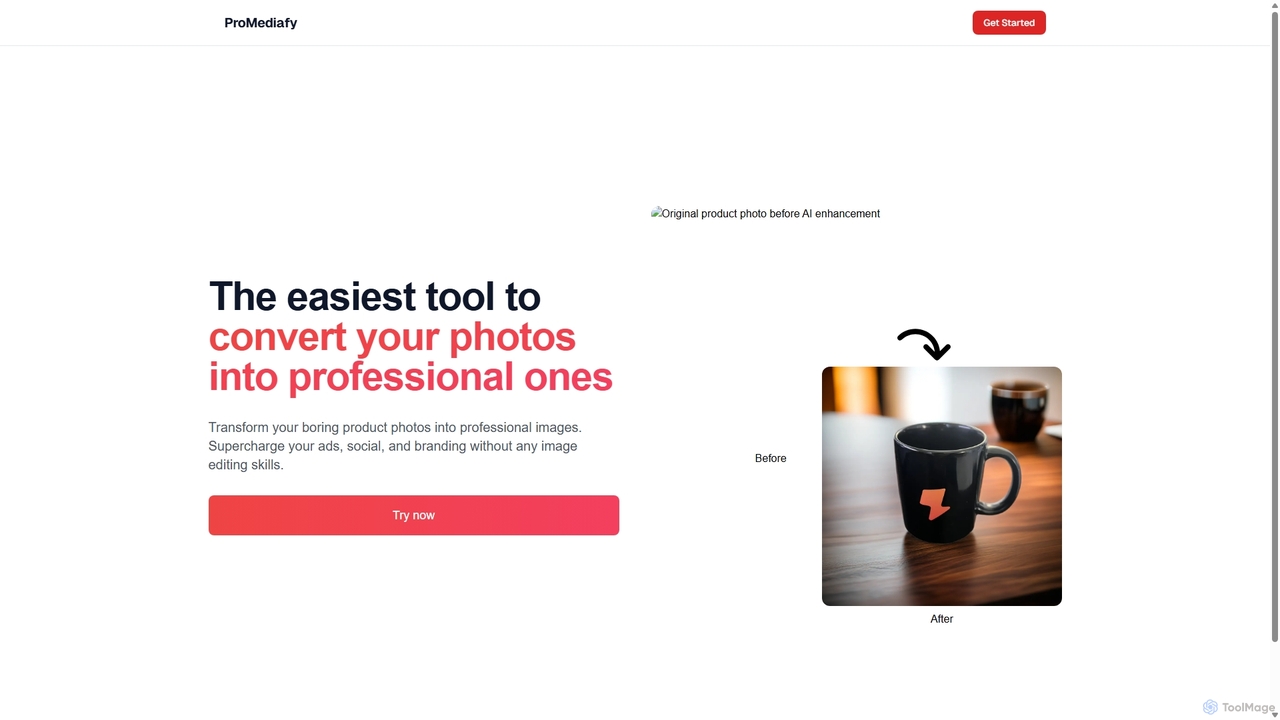
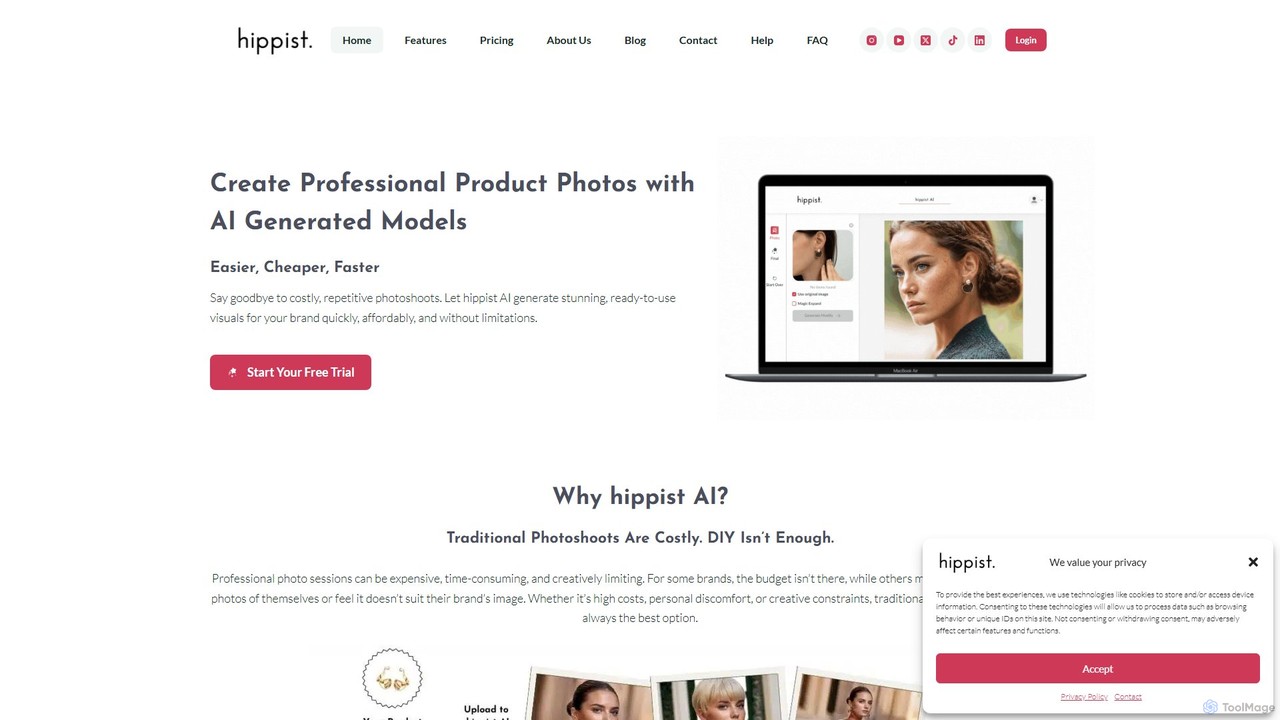
- Image & Media Enhancement: Suggests or generates ideas for product images, background removal, or lifestyle shots to complement textual content.
Applicable Scenarios
These tools are indispensable for e-commerce businesses with extensive product catalogs, dropshippers requiring rapid listing creation, and marketplace sellers aiming to maximize visibility on platforms like Amazon or Shopify. They also empower international brands to swiftly localize their product offerings for diverse global markets, ensuring consistent brand messaging and optimized performance across regions.
How to Choose
When selecting an AI product listings tool, prioritize content quality and adherence to brand voice, ensuring generated text is accurate and engaging. Evaluate its integration capabilities with your existing e-commerce platforms (e.g., Shopify, WooCommerce). Assess its SEO features, including keyword research and optimization suggestions, and consider its scalability to handle your current and future product volumes. Finally, look for customization options that allow tailoring of tone, style, and templates to match your specific needs.