AdGPT
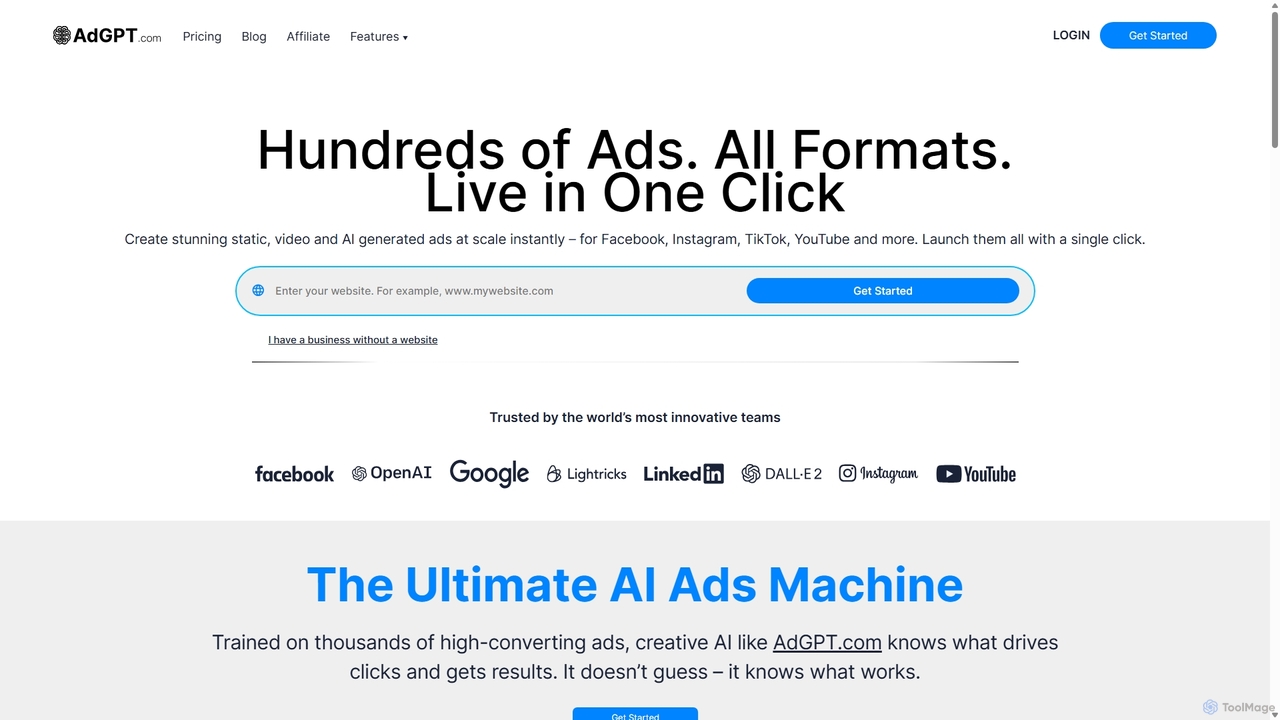
AdGPT is an AI-powered ad generator that instantly creates high-converting static and video ads for multiple platforms like …
AdGPT is an AI-powered ad generator that instantly creates high-converting static and video ads for multiple platforms like Facebook, Instagram, and TikTok. Simply provide a URL or product catalog, and the AI generates hundreds of ad variations, complete with visuals, copy, and optimal formatting, helping businesses scale their marketing efforts effortlessly.
Reveals
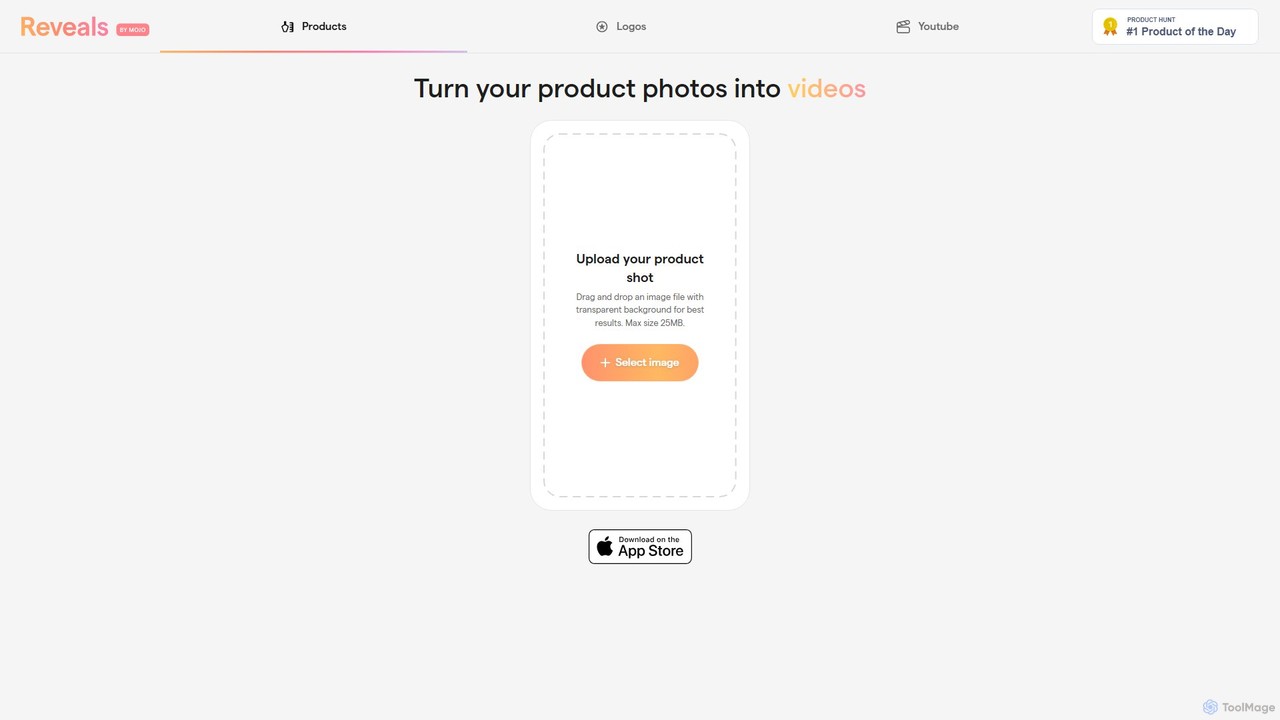
Reveals is an AI-powered tool that instantly transforms static product photos and logos into stunning, professional-quality animated videos. …
Reveals is an AI-powered tool that instantly transforms static product photos and logos into stunning, professional-quality animated videos. With a simple drag-and-drop interface, it allows marketers, e-commerce owners, and creators to generate eye-catching reveal animations and logo stings in just one click, no technical skills required.
oxolo
oxolo is an AI-powered video generator that specializes in creating professional e-commerce and marketing videos effortlessly. By simply …
oxolo is an AI-powered video generator that specializes in creating professional e-commerce and marketing videos effortlessly. By simply pasting a product URL, users can automatically generate engaging video ads complete with AI presenters, scripts, and voiceovers. It's designed for marketers and e-commerce store owners to scale video production without technical skills.
About Product Marketing
Product Marketing AI tools are specialized platforms that leverage artificial intelligence to optimize the entire product lifecycle, from ideation and launch to growth and retention. These tools analyze market data, customer feedback, and performance metrics to provide actionable insights, automate tasks, and personalize communication. They empower product managers and marketers to make data-driven decisions, accelerate market entry, and enhance product success within the competitive e-commerce landscape.
Core Features
- Market Research & Trend Analysis: Identifies emerging market trends, competitive landscapes, and customer needs using vast datasets.
- Persona & Messaging Generation: Creates detailed buyer personas and tailors product messaging for different audience segments.
- Launch Campaign Optimization: Automates A/B testing for marketing assets, optimizes ad spend, and predicts campaign performance.
- Feedback Analysis & Prioritization: Processes customer reviews, support tickets, and social media comments to identify pain points and feature requests.
- Pricing Strategy & Optimization: Recommends dynamic pricing models based on market demand, competitor pricing, and customer willingness to pay.
Use Cases
Product Marketing AI tools are essential for product managers, marketing teams, and business strategists in e-commerce and SaaS. They are used to validate product ideas, craft compelling launch strategies, and continuously refine product offerings based on real-time market feedback. These tools help businesses maintain a competitive edge throughout the product lifecycle.
How to Choose
When selecting Product Marketing AI tools, consider the breadth of features (e.g., market analysis, content generation, feedback loops), integration capabilities with existing CRM/marketing automation platforms, the accuracy and relevance of AI-driven insights, and the scalability to support growing product portfolios. Evaluate the user interface for ease of use and the level of customization offered for specific product needs.

Product MarketingUse Cases
Automating Market Research for New Product Launches
A product manager in the e-commerce sector uses AI product marketing tools to quickly analyze competitor offerings, identify market gaps, and understand customer sentiment before launching a new product. The AI sifts through millions of data points from social media, reviews, and news articles, providing a comprehensive report on market viability and potential positioning strategies, significantly reducing manual research time and improving launch success rates.
Crafting Personalized Product Messaging at Scale
A marketing team leverages AI to generate diverse product descriptions and ad copy tailored for various customer segments across different channels. By inputting product features and target audience demographics, the AI creates multiple messaging variations, ensuring each segment receives highly relevant and engaging content, which boosts conversion rates and reduces the effort required for content creation.
Optimizing Product Pricing Strategies Dynamically
An e-commerce business employs AI product marketing tools to implement dynamic pricing. The AI continuously monitors competitor prices, inventory levels, customer demand, and external factors to adjust product prices in real-time. This ensures optimal revenue generation and competitive positioning, preventing stockouts or overstocking while maximizing profit margins.
Analyzing Customer Feedback for Feature Prioritization
A SaaS product team uses AI to process thousands of customer support tickets, survey responses, and app store reviews. The AI identifies recurring themes, sentiment, and urgent pain points, automatically categorizing feedback and suggesting feature improvements. This allows the product team to prioritize development efforts based on actual user needs, leading to higher customer satisfaction and product stickiness.
Predicting Product Performance and Sales Trends
A retail brand utilizes AI product marketing tools to forecast sales for upcoming product lines and predict the impact of marketing campaigns. By analyzing historical sales data, seasonal trends, and external economic indicators, the AI provides accurate predictions, enabling better inventory management, more effective budget allocation for marketing, and proactive adjustments to product strategies.
Streamlining A/B Testing for Product Page Optimization
An online retailer uses AI to automate A/B testing for different elements on product pages, such as headlines, images, calls-to-action, and layout. The AI rapidly tests numerous variations, identifies the highest-performing combinations, and automatically implements them. This continuous optimization process leads to improved user engagement, higher click-through rates, and increased sales conversions without constant manual intervention.