Zoko
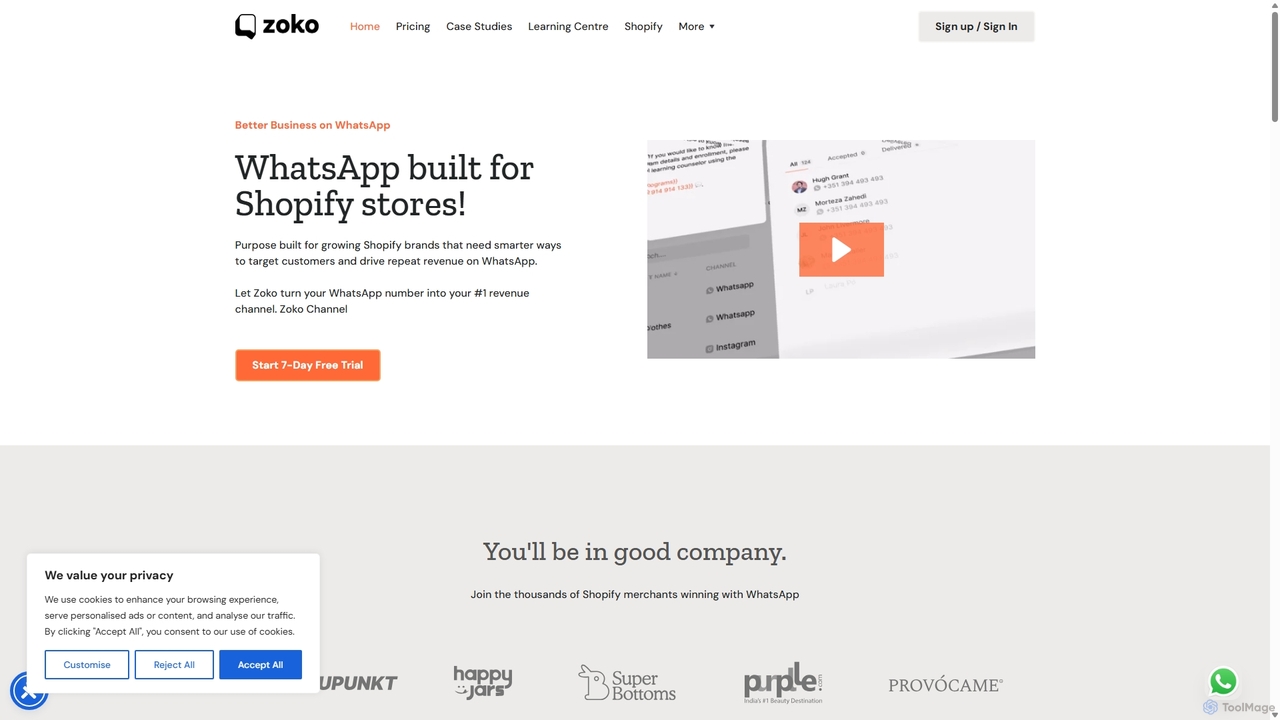
Zoko is a WhatsApp Business Platform that empowers businesses to manage sales, marketing, and customer support through a …
Zoko is a WhatsApp Business Platform that empowers businesses to manage sales, marketing, and customer support through a unified WhatsApp inbox. It leverages the official WhatsApp API to provide features like shared team inboxes, automated e-commerce workflows, broadcast messaging, and detailed analytics, helping companies enhance customer engagement and drive growth.
Locales.ai
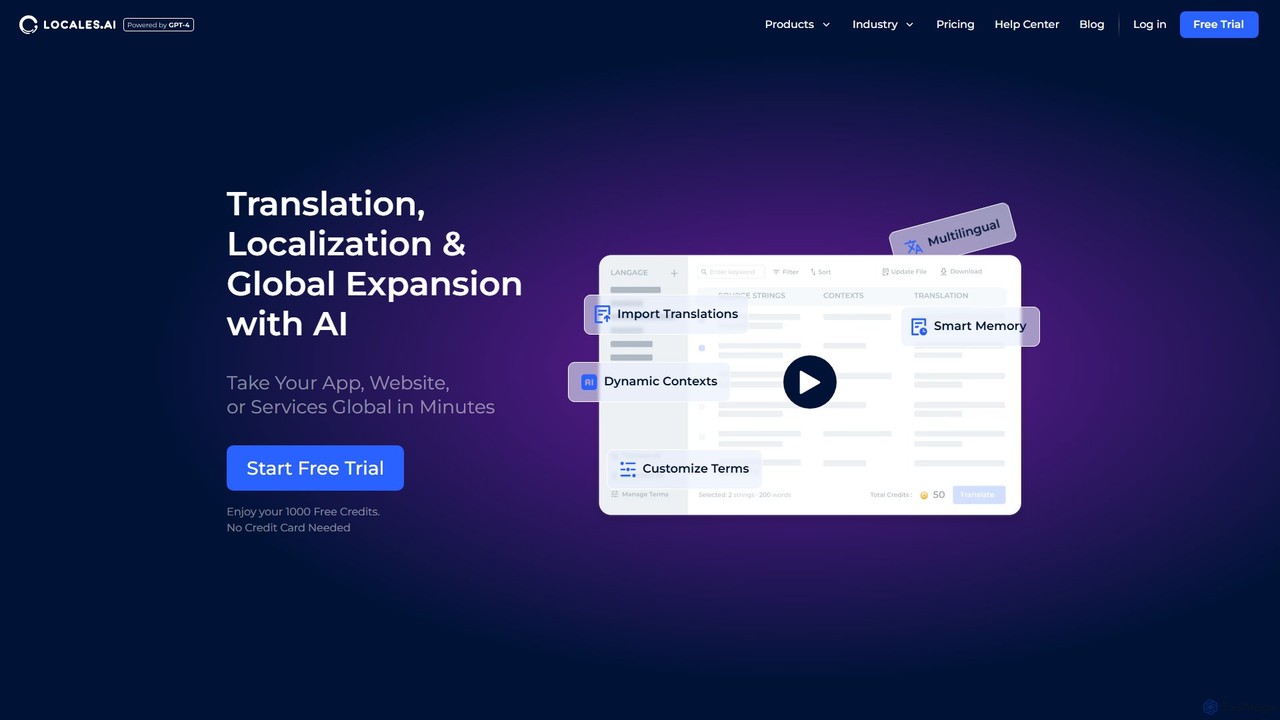
Locales.ai is an AI-driven localization platform that enables fast, accurate, and cost-effective translation of websites, apps, and services …
Locales.ai is an AI-driven localization platform that enables fast, accurate, and cost-effective translation of websites, apps, and services into over 30 languages. It simplifies global expansion with a one-click translation process, achieving 99% accuracy without needing a dedicated localization team. The platform offers a user-friendly workflow, advanced context management tools, and seamless integration with various tech frameworks, including a dedicated Shopify app.
Klaviyo
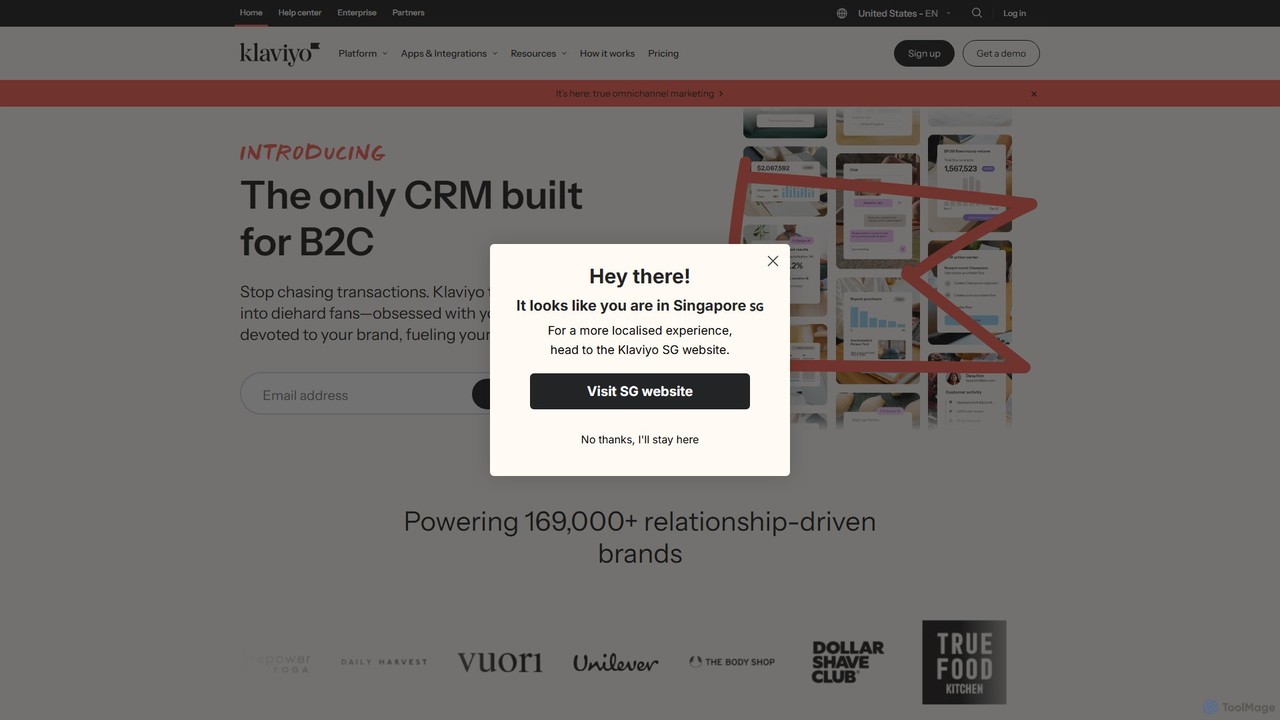
Klaviyo is an AI-powered marketing automation platform designed for e-commerce. It unifies customer data and enables personalized communication …
Klaviyo is an AI-powered marketing automation platform designed for e-commerce. It unifies customer data and enables personalized communication through email, SMS, and mobile push notifications to drive growth and build lasting relationships.
Digicurator Agency
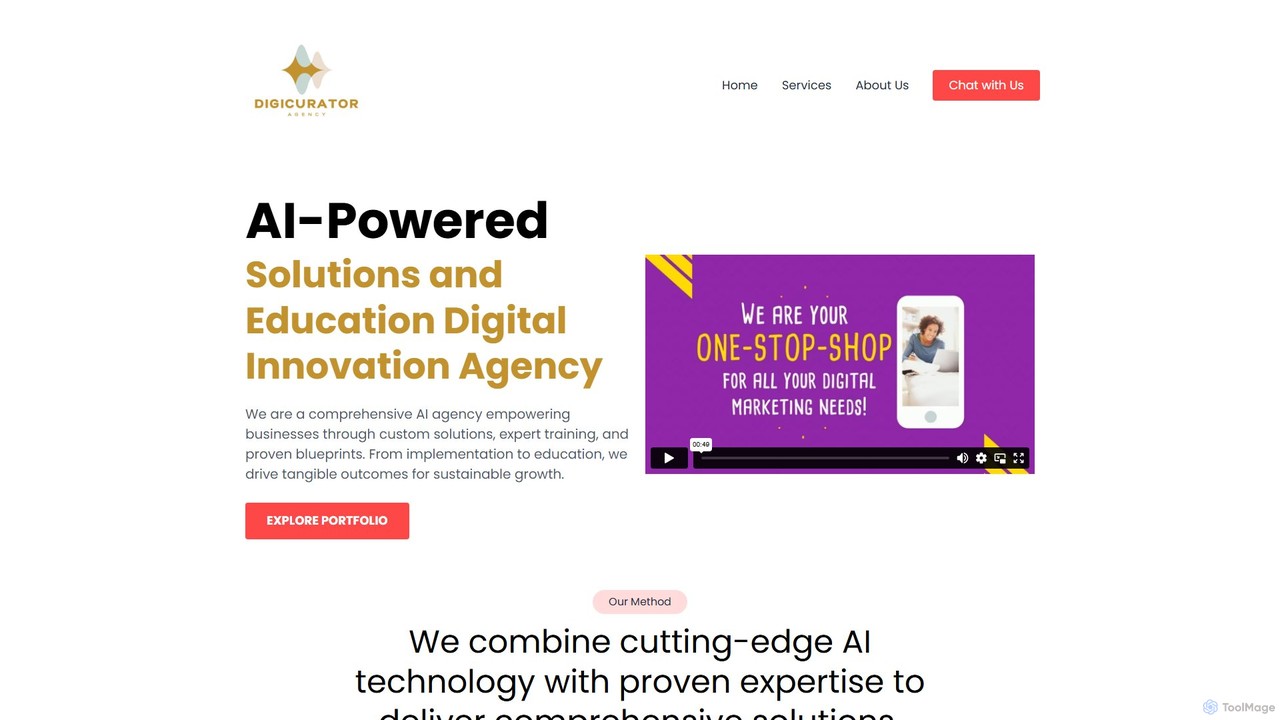
Digicurator Agency is a digital innovation firm that provides custom AI-powered automation solutions for businesses. Specializing in social …
Digicurator Agency is a digital innovation firm that provides custom AI-powered automation solutions for businesses. Specializing in social media, e-commerce, and lead generation, they use RPA, API tools, and AI to create efficient workflows, saving businesses time and enabling sustainable growth.
MyDataNinja
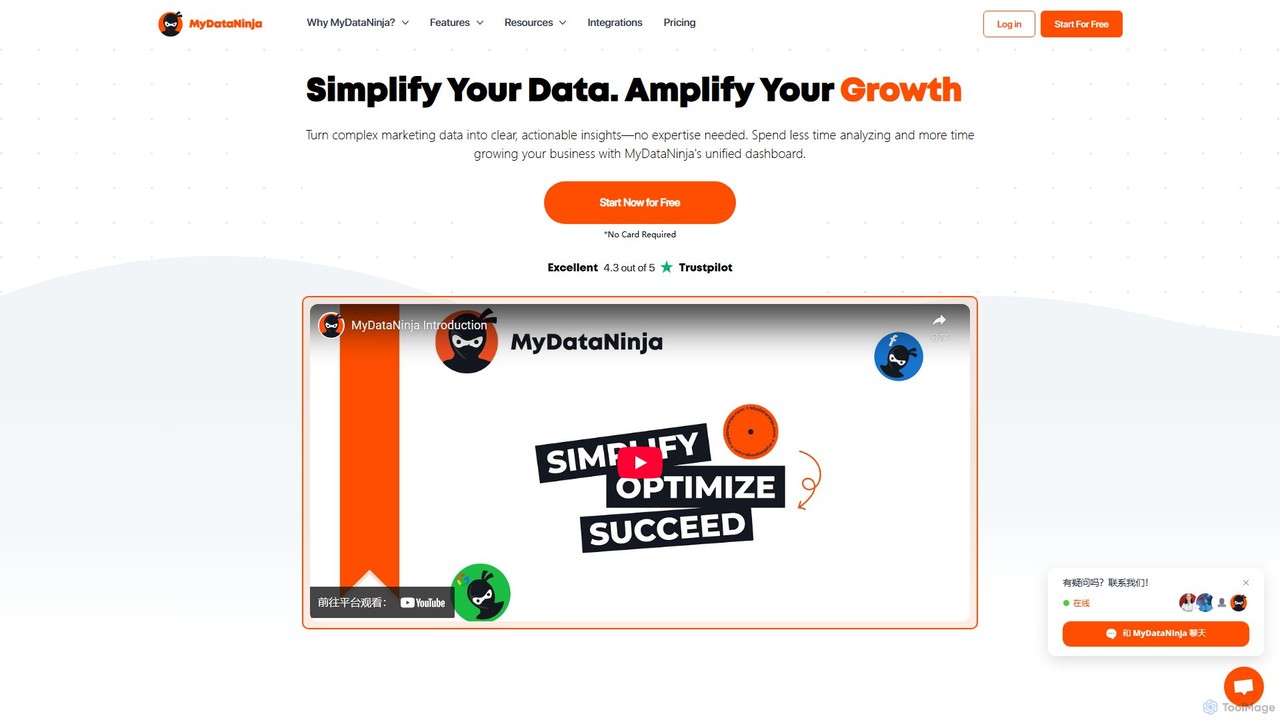
MyDataNinja is a marketing automation platform that unifies all e-commerce metrics and advertising data into a single, intuitive …
MyDataNinja is a marketing automation platform that unifies all e-commerce metrics and advertising data into a single, intuitive dashboard. It helps businesses track, manage, and optimize campaigns across platforms like Google, Meta, and TikTok, providing advanced attribution, real-time analytics, and a built-in CRM to maximize ROI and scale growth.
Responso
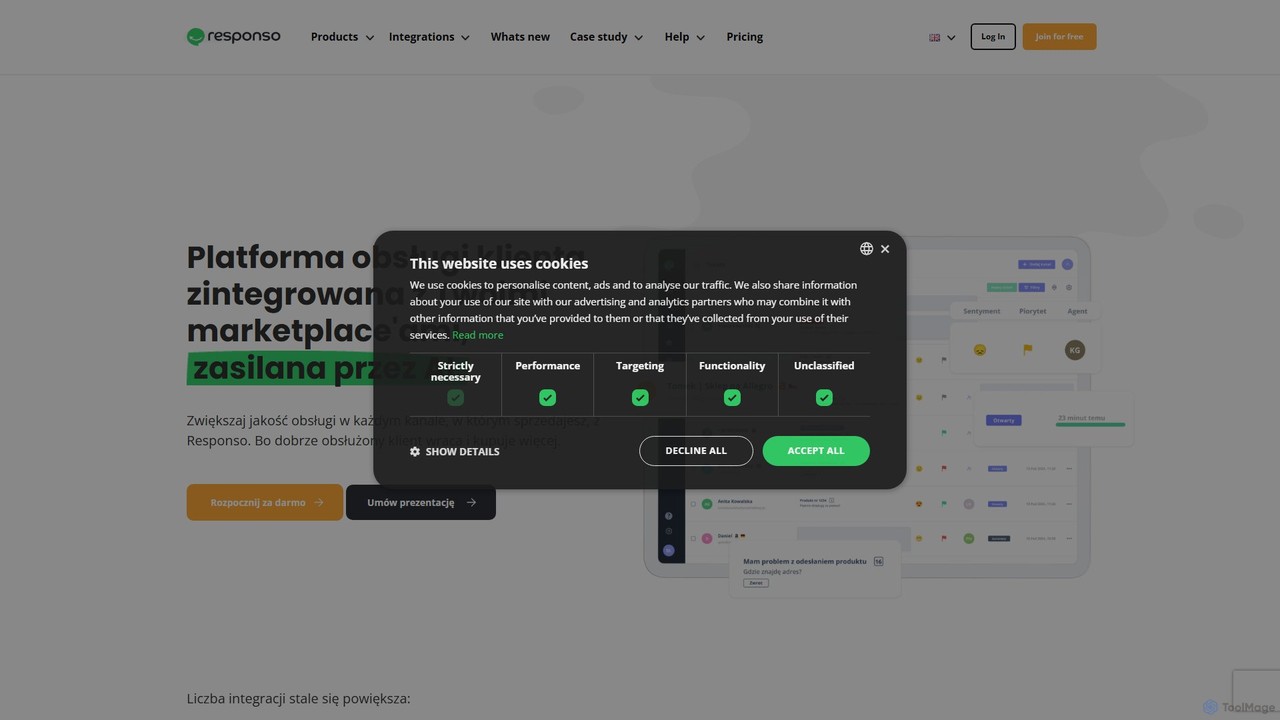
Responso is an AI-powered customer service platform designed for e-commerce. It unifies all customer communications from marketplaces, online …
Responso is an AI-powered customer service platform designed for e-commerce. It unifies all customer communications from marketplaces, online stores, and social media into a single inbox. Leverage intelligent autoresponders and automation to enhance support quality, reduce response times, and boost customer satisfaction.
Falcon
Falcon is an AI-powered business intelligence platform designed for e-commerce and retail. It analyzes sales, customer, and inventory …
Falcon is an AI-powered business intelligence platform designed for e-commerce and retail. It analyzes sales, customer, and inventory data to provide predictive insights, automate marketing, and optimize operations, helping businesses increase profitability and efficiency.
About Store Management
AI Store Management tools are a class of software designed to optimize and automate the daily operations of retail businesses. They leverage machine learning and data analytics to forecast demand, manage inventory, schedule staff, and analyze in-store customer behavior. By transforming raw sales and operational data into actionable insights, these tools help retailers increase profitability, reduce waste, and enhance the shopping experience. Unlike general e-commerce platforms that focus primarily on online sales, these solutions specialize in bridging the gap between digital and physical retail environments.
Core Features
- Predictive Inventory Management: Forecasts future sales trends to automate reordering and minimize stockouts or overstock situations.
- AI-Powered Staff Scheduling: Creates optimal work schedules based on predicted customer traffic, employee skills, and labor regulations.
- In-Store Behavior Analytics: Uses video or sensor data to generate heatmaps, track customer paths, and identify popular product zones.
- Dynamic Pricing Optimization: Adjusts product prices automatically in response to demand, competitor pricing, and inventory levels.
- Automated Loss Prevention: Identifies potentially fraudulent transactions and suspicious activities in real-time to reduce shrinkage.
Use Cases
These tools are essential for retail chain managers, single-store owners, and operations directors in sectors like grocery, fashion, electronics, and convenience stores. They are used to optimize shelf space allocation in supermarkets based on sales data and to manage staffing across multiple locations during peak seasons.
How to Choose
When selecting a tool, consider its integration capabilities with your existing POS and ERP systems. Evaluate its scalability to ensure it can grow with your business, from one store to many. Also, assess the specificity of its AI models for your retail sector and review its data security and compliance protocols.
Store ManagementUse Cases
Automate Inventory Replenishment for Perishables
A grocery store manager uses an AI store management tool to reduce food waste and prevent stockouts. The system analyzes historical sales data, weather forecasts, and local events to accurately predict demand for items like fresh produce and dairy. Based on these predictions, it automatically generates optimized purchase orders for suppliers. This ensures shelves are consistently stocked with fresh products, minimizing spoilage-related losses and improving customer satisfaction.
Optimize Staffing Across a Retail Chain
A regional manager for a fashion retail chain is tasked with controlling labor costs without sacrificing customer service. They use an AI scheduling tool that forecasts customer foot traffic for each store based on seasonality, promotions, and historical patterns. The AI then generates ideal staff schedules that align employee presence with peak shopping hours, ensuring adequate coverage during busy times and reducing overstaffing during lulls. This leads to a significant reduction in payroll expenses while maintaining service quality.
Enhance Store Layout with Customer Analytics
The owner of an electronics store wants to improve product discovery and increase sales. By installing AI-powered cameras and sensors, the management tool anonymously tracks customer movement throughout the store. It generates heatmaps showing high-traffic areas and dwell times at specific displays. Using these insights, the owner redesigns the store layout, places high-margin products in popular zones, and optimizes the path-to-purchase, resulting in higher engagement and increased basket sizes.
Implement Dynamic Pricing for Seasonal Goods
An online and physical sporting goods retailer needs to manage pricing for seasonal items like ski equipment. An AI store management tool monitors real-time market demand, competitor prices, and inventory levels across all channels. It automatically suggests or applies price adjustments—increasing prices during high demand and offering strategic discounts to clear stock before the season ends. This maximizes profit margins and prevents costly end-of-season overstock.
Reduce Shrinkage with AI-Powered Surveillance
A chain of convenience stores faces challenges with inventory shrinkage due to theft. They integrate an AI loss prevention module into their existing security camera system. The AI analyzes video feeds in real-time to detect suspicious behaviors, such as concealing items or ticket switching at self-checkout kiosks. When an anomaly is detected, the system sends an immediate, discreet alert to the on-duty manager's device, allowing for timely intervention and significantly reducing theft-related losses.
Personalize In-Store Marketing and Promotions
A large department store aims to create a more personalized shopping experience. By leveraging an AI tool connected to their customer loyalty app and in-store Wi-Fi, they can identify when a registered customer enters the store. The system analyzes the customer's past purchase history and online browsing behavior to send targeted promotions and product recommendations directly to their smartphone as they shop. For example, a customer who previously bought running shoes might receive a discount on athletic apparel when they near that department.