E Commerce Best in category 5 results Store Optimization AI Tool

Popular AI tools in the Store Optimization field of E Commerce include trueroas、pagegenie.ai、wthere、inchargeads、Uncle Optimizer, etc., helping you quickly improve efficiency.

Uncle Optimizer

Uncle Optimizer

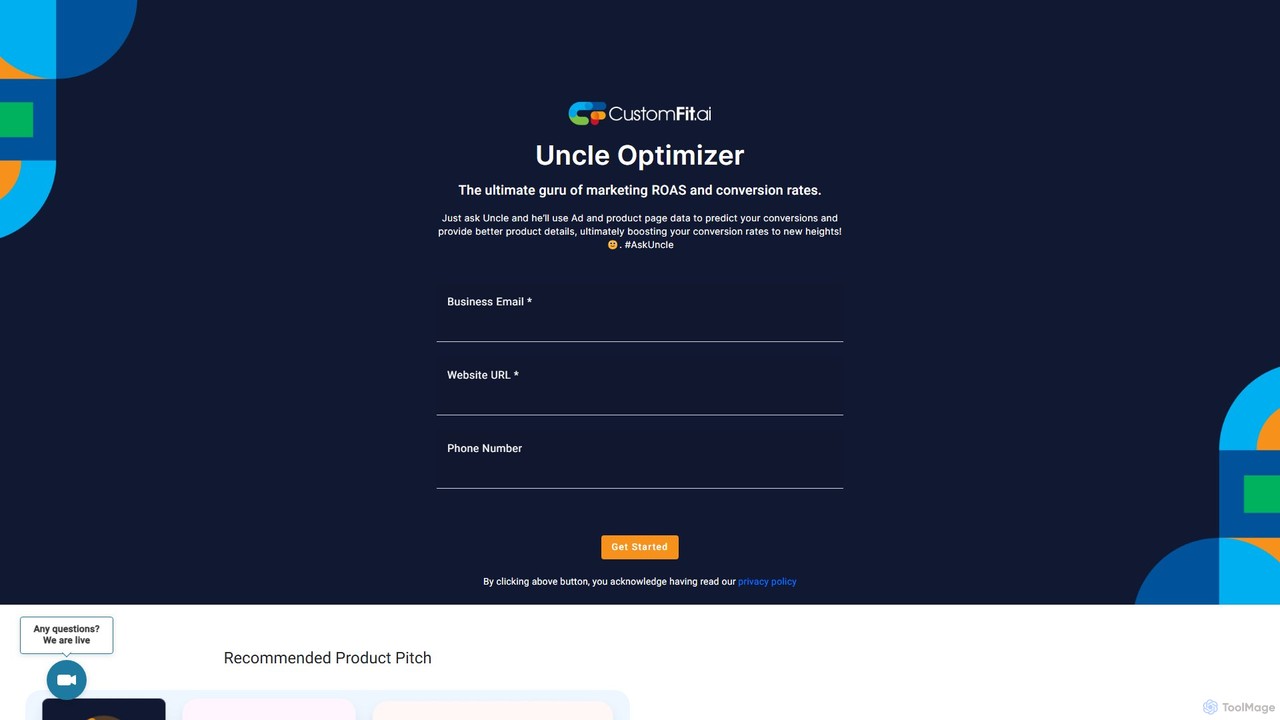
Uncle Optimizer is an AI-powered tool designed for D2C brands to analyze and optimize website conversion rates. It …

993
wthere

wthere

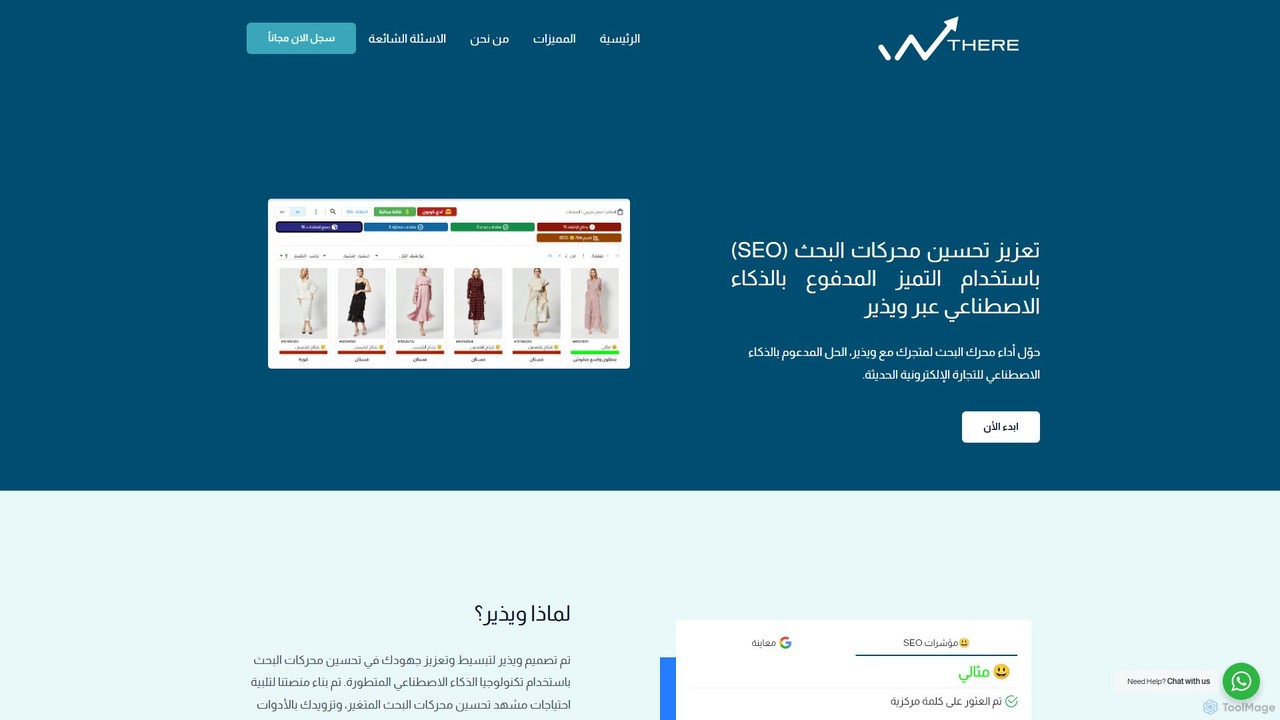
wthere is an AI-powered SEO solution designed specifically for e-commerce businesses. It simplifies and enhances search engine optimization …

4.4K
trueroas

trueroas

trueroas is an AI-powered ad tracking and attribution platform for e-commerce stores on Shopify and WooCommerce. It provides …

31.8K
pagegenie.ai

pagegenie.ai

PageGenie is an AI-powered service that automates the creation and publication of high-quality, SEO-optimized content at scale. It's …

4.5K
inchargeads

inchargeads

inchargeads is an advanced ad attribution platform providing accurate, real-time tracking for online businesses. Using server-side tracking and …

4.3K

About Store Optimization

AI Store Optimization tools are a specialized category of software designed to enhance online retail performance by analyzing and improving on-site customer experiences. Leveraging machine learning, these tools analyze user behavior, product data, and sales trends to automate key decisions. Their primary value lies in increasing conversion rates, average order value, and customer retention without manual intervention. They focus specifically on optimizing elements within the digital storefront, from search functionality to product recommendations.

Core Features

  • AI-Powered Recommendations: Suggests relevant products to users based on browsing history and purchase patterns.
  • Intelligent Search & Navigation: Understands natural language queries to deliver more accurate and faster search results.
  • Dynamic Pricing & Promotions: Adjusts product prices and offers in real-time based on demand, competition, and user segments.
  • Automated Merchandising: Optimizes product sorting, visual layouts, and automatically generates SEO-friendly descriptions.
  • Conversion Funnel Analysis: Identifies friction points in the customer journey that lead to cart abandonment.

Use Cases

These tools are essential for e-commerce managers, online retailers, and digital marketers across sectors like fashion, electronics, and home goods. They are used to personalize shopping experiences on a large scale, optimize pricing strategies for thousands of SKUs, and automatically improve product discoverability within the store.

How to Choose

When selecting a tool, consider its integration capabilities with your e-commerce platform (e.g., Shopify, Magento). Evaluate the sophistication of its AI models for your specific needs, such as recommendations or search. Also, assess the analytics dashboard's clarity and the pricing model's scalability with your store's traffic.

Store OptimizationUse Cases

1

Enhance Personalization with AI Product Recommendations

An online fashion retailer uses an AI tool to analyze a shopper's browsing history, items added to the cart, and similarities to other customers. The tool then dynamically displays a "You Might Also Like" section on product pages and at checkout. This leads to a measurable increase in average order value by encouraging impulse buys of complementary items like accessories or matching apparel, creating a more tailored shopping experience.

2

Implement Real-Time Dynamic Pricing

An electronics store manager uses a store optimization tool to monitor competitor pricing, inventory levels, and real-time demand for a popular gaming console. The AI automatically adjusts the price within a pre-set range to remain competitive while maximizing profit margins. During peak shopping seasons, the price might slightly increase, while it could be lowered during slower periods to stimulate sales, all without constant manual oversight.

3

Automate SEO for Product Listings

A large online marketplace with thousands of third-party sellers needs to ensure all product listings are consistent and optimized for search engines. An AI tool automatically generates compelling, keyword-rich product descriptions and titles based on product attributes like material, color, and function. It also auto-tags images with relevant alt-text, saving hundreds of hours of manual work and improving the store's overall organic search visibility.

4

Optimize On-Site Search Functionality

An online auto parts retailer deals with customers searching for specific, often complex part numbers or using colloquial terms. An AI-powered search tool replaces the standard search bar. It understands natural language, corrects typos, and provides relevant results even for vague queries like "brake pads for 2021 Ford F-150". This drastically reduces search abandonment and helps customers find the exact part they need quickly, improving satisfaction and conversion rates.

5

Improve Category Pages with AI Merchandising

A home decor brand wants to ensure its category pages (e.g., "Living Room Rugs") always show the most appealing products first. An AI merchandising tool analyzes which products are trending, have the highest conversion rates, or are most frequently viewed, and automatically re-sorts the product grid. It can also create personalized sorting for individual users based on their past interactions, ensuring the most relevant items are always front and center.

6

Analyze and Reduce Cart Abandonment

An e-commerce team notices a high cart abandonment rate but isn't sure why. They use an AI optimization tool that analyzes thousands of user sessions. The AI identifies common patterns, such as users dropping off at the shipping calculation step or struggling with a confusing coupon code field. The tool provides actionable insights and data-backed A/B testing suggestions, like simplifying the shipping options, to fix these friction points and recover lost sales.

Store OptimizationFrequently Asked Questions