ToolMage
Sign in

Best 1 User Generated Content AI tools for E Commerce

Popular User Generated Content AI tools in E Commerce include Archive, helping you work more efficiently.

Archive
Paid

Archive

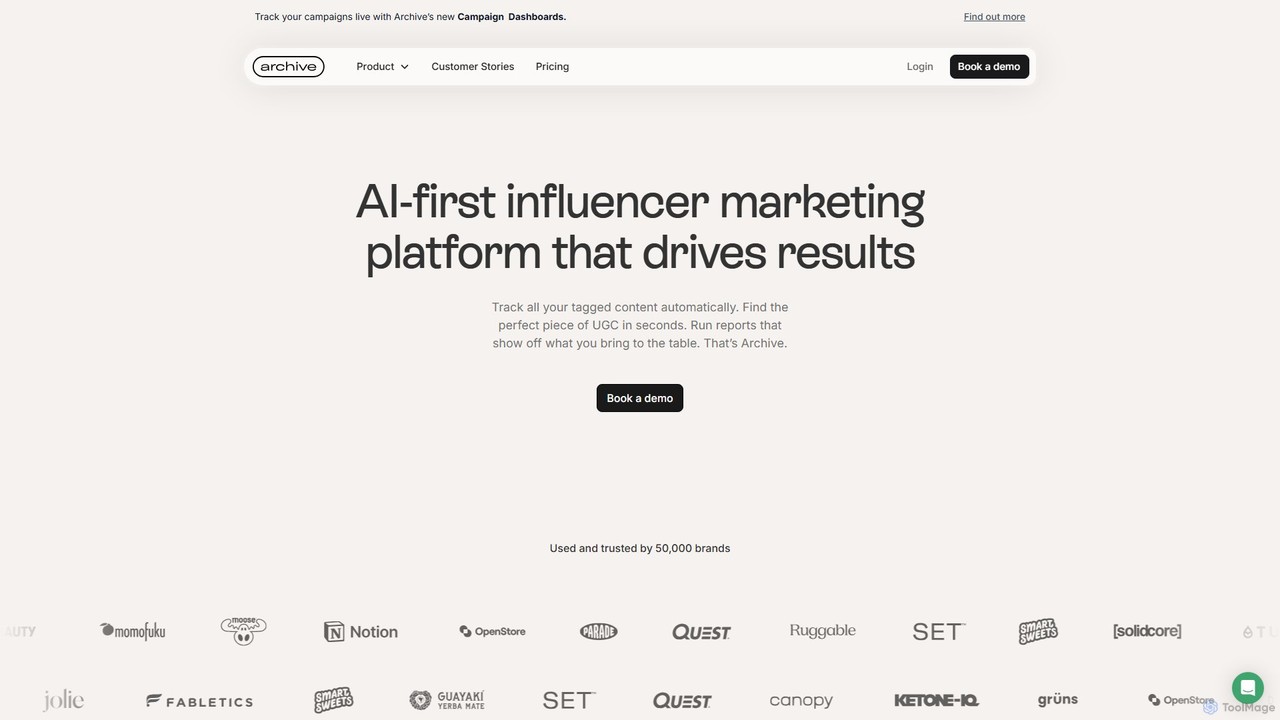
Archive is a premier influencer marketing and User-Generated Content (UGC) platform designed for brands. It automates the collection of tagged content from Instagram and TikTok, provides live campaign dashboards for performance tracking, and simplifies the process of securing usage rights. Trusted by over 50,000 brands, Archive helps businesses streamline their marketing workflows, scale influencer programs, and turn authentic content into powerful marketing assets.

User Generated Content
Visits 200.9KFavorites 124Likes 123

About User Generated Content

AI User Generated Content (UGC) tools are platforms designed to help e-commerce brands automatically discover, collect, and display content created by their customers. These tools leverage AI for tasks like image recognition and sentiment analysis to identify relevant brand mentions across social media. By showcasing authentic customer photos, videos, and reviews, businesses can build social proof, increase conversion rates, and create more engaging shopping experiences. This approach transforms happy customers into a powerful, scalable marketing engine.

Core Features

  • AI-Powered Content Discovery: Automatically finds customer posts on social media using hashtags, mentions, or tags.
  • Automated Rights Management: Streamlines the process of requesting and obtaining permission from creators to use their content.
  • Smart Curation & Moderation: Uses AI to filter content, assess quality, and tag products shown in images or videos.
  • Shoppable Galleries & Widgets: Creates interactive, shoppable displays of UGC for websites, product pages, and emails.
  • Performance Analytics: Tracks engagement, click-through rates, and revenue generated from UGC campaigns.

Use Cases

Primarily used by e-commerce marketing teams, brand managers, and social media managers in industries like fashion, beauty, home goods, and travel. They are essential for creating authentic product pages with customer photos, building engaging social media campaigns around user content, and adding trust-building testimonials to checkout flows.

How to Choose

When selecting a UGC tool, consider the social media platforms it supports (e.g., Instagram, TikTok). Evaluate its AI capabilities for moderation and product tagging. Assess the ease of embedding galleries on your e-commerce platform (like Shopify or Magento) and review the analytics provided to measure ROI and campaign performance.

Featured tool rankings

User Generated Content use cases

1

Enhance Product Pages with Social Proof

An online fashion retailer wants to increase conversion rates on their product detail pages (PDPs). Using a UGC tool, their marketing team automatically pulls in Instagram photos from customers wearing their products. The AI tags the specific items in each photo, and the platform creates a 'Shop the Look' gallery embedded directly on the PDP. This provides shoppers with authentic visuals of how the clothes look on real people, building trust and leading to a measurable lift in add-to-cart rates.

2

Create Shoppable Social Media Feeds

A home decor brand aims to drive sales directly from its social media presence. They use a UGC platform to curate a gallery of their best customer photos showcasing their products in real homes. This gallery is then linked in their Instagram bio. When followers click the link, they see a beautiful, shoppable feed where they can click on any user-submitted photo to be taken directly to the product page to purchase the items shown, shortening the path from inspiration to conversion.

3

Launch a Hashtag Contest Campaign

A cosmetics company launches a new product and wants to generate buzz. They run a contest asking customers to share their makeup looks using a specific campaign hashtag. The UGC tool automatically aggregates all entries into a central dashboard. The AI helps moderate submissions for appropriateness, and the platform displays the best entries in a live gallery on the campaign landing page, encouraging participation and creating a wealth of authentic marketing assets.

4

Automate Collection of Video Testimonials

A brand selling high-end kitchen appliances needs compelling testimonials to justify the price point. They use a UGC tool's feature to send post-purchase requests to customers, inviting them to submit short video reviews. The platform provides a simple upload portal. The submitted videos are then curated and embedded on the homepage and key product pages, providing powerful, trustworthy endorsements that static text reviews cannot match.

5

Power Email Marketing with Customer Photos

An e-commerce manager for a travel gear company wants to make their weekly newsletters more engaging. Instead of using stock photos, they integrate their UGC platform with their email service provider. Each week, they feature a 'Customer Adventure of the Week' section, showcasing a stunning photo submitted by a user. The AI helps identify high-quality images. This not only increases email click-through rates but also fosters a sense of community around the brand.

6

Gather Visual Feedback for Product Development

A footwear company wants to understand how customers are using their new line of running shoes in the real world. By monitoring tagged photos with a UGC tool, the product development team can analyze images for wear patterns, popular use cases (e.g., trail vs. road running), and how customers style the shoes. This visual feedback is more direct and insightful than traditional surveys, helping to inform future design improvements and marketing angles.

User Generated Content FAQ

What are AI User Generated Content (UGC) tools?

AI User Generated Content (UGC) tools are software platforms that automate finding, collecting, and displaying content created by a brand's customers. They use artificial intelligence to scan social media for brand mentions, analyze image and video content, moderate submissions, and create shoppable galleries. Their primary goal in e-commerce is to leverage social proof to build trust and increase sales.

How do I choose the right UGC platform for my e-commerce store?

To choose the right UGC platform, consider these factors:

  • Platform Integration: Ensure it seamlessly connects with your e-commerce platform (e.g., Shopify, BigCommerce, Magento).
  • Content Sources: Check which social networks it can pull content from (Instagram, TikTok, X, etc.).
  • AI Features: Evaluate the sophistication of its AI for product tagging, content moderation, and sentiment analysis.
  • Customization & Display: Look at the design options for galleries and widgets to ensure they match your brand's aesthetic.
  • Analytics: Confirm it provides clear metrics on how UGC impacts engagement and revenue.
What is the difference between User Generated Content and Influencer Marketing?

The key difference is authenticity and payment. User Generated Content is organic content created by genuine customers without payment, driven by their satisfaction with a product. Influencer Marketing involves paying creators (influencers) to produce and share content. While both can be effective, UGC is often perceived as more trustworthy and authentic by consumers, whereas influencer content is a form of paid advertising. UGC tools focus on discovering and managing the former.

How does AI specifically help manage User Generated Content?

AI plays several crucial roles in managing UGC. It powers content discovery by automatically scanning social platforms for relevant hashtags and mentions. AI-driven computer vision can identify products within images and videos, enabling automatic tagging. It also automates moderation by flagging inappropriate or low-quality content. Furthermore, AI can analyze content performance to predict which pieces of UGC will drive the most engagement, helping marketers curate more effectively.

What are the main benefits of using UGC in e-commerce?

The main benefits are increased trust, higher conversion rates, and authentic marketing assets. Displaying photos and reviews from real customers acts as powerful social proof, reassuring new shoppers and reducing purchase anxiety. This authenticity often leads to a direct increase in sales. Additionally, UGC provides a constant stream of free, high-quality marketing content that is more relatable and effective than traditional brand-created advertising.