ToolMage
Sign in

Best 35 Academic Assistance AI tools for Education

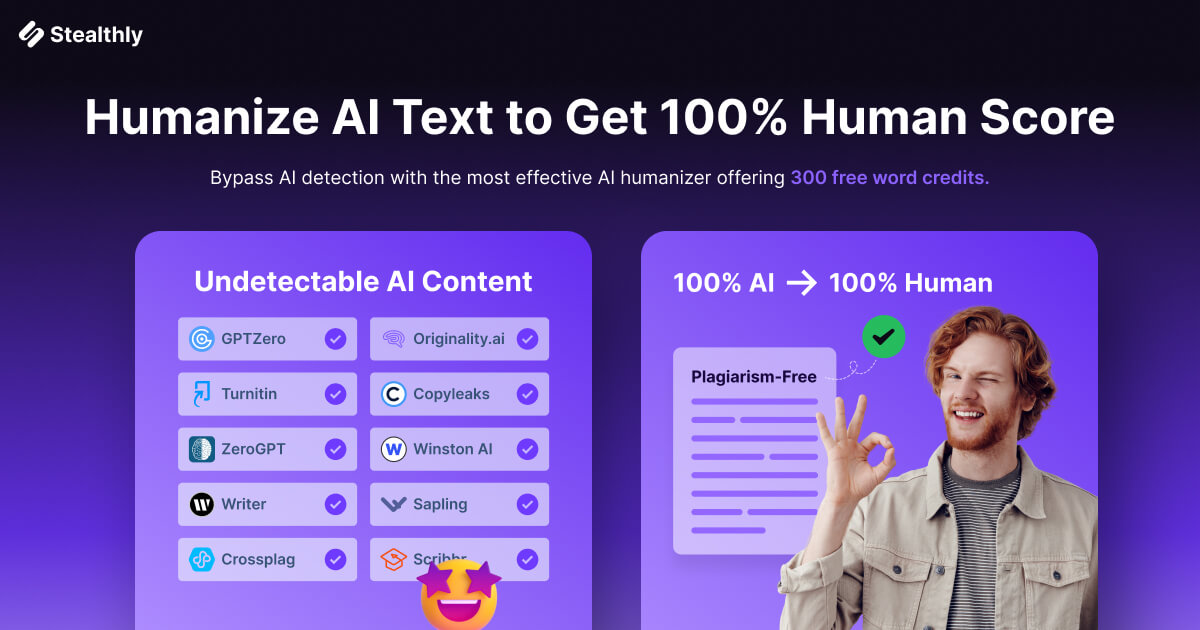
Popular Academic Assistance AI tools in Education include Aithor, textero, stealthly, writeless, myessaywriter.ai, fastessay, PerfectEssayWriter.ai, Rephraser, CustomWritings, and EssayGenius, helping you work more efficiently.

aipaperwriter
Freemium

aipaperwriter

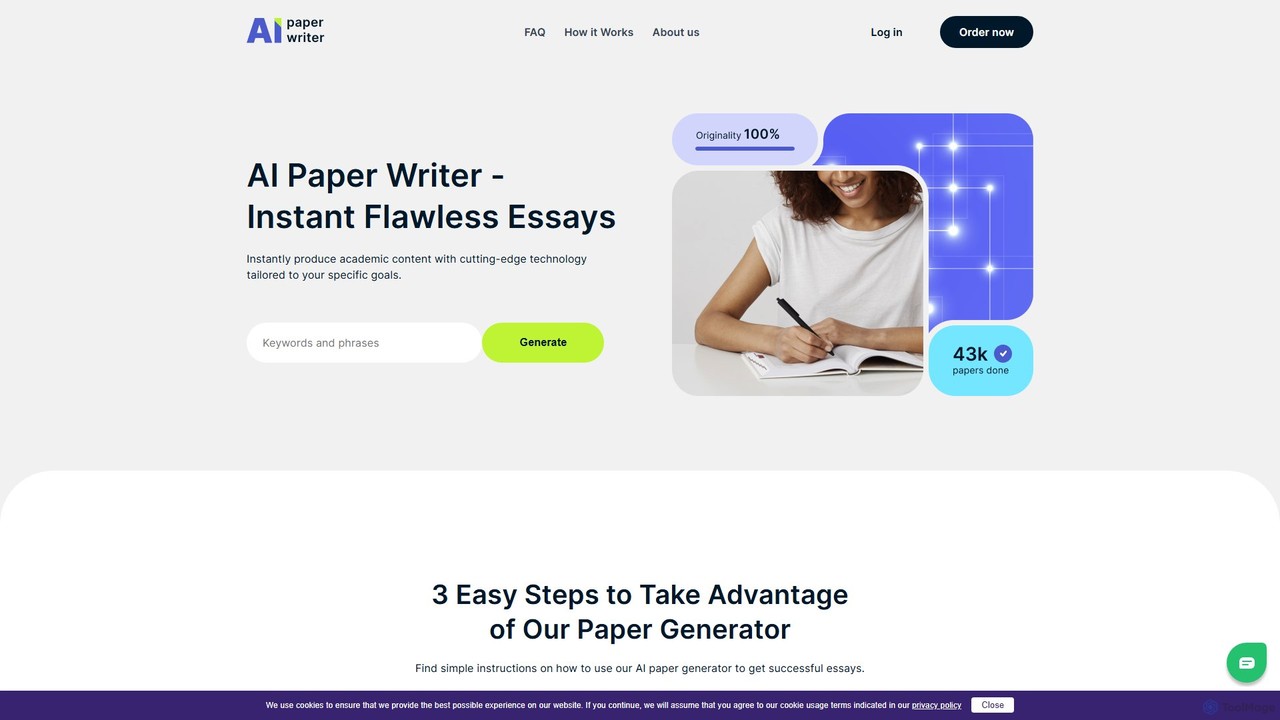
aipaperwriter is a free AI-powered platform designed to help students and writers generate academic essays and papers instantly. It offers a suite of essential writing tools, including a title generator, citation maker, grammar checker, and plagiarism checker, to streamline the entire writing process from brainstorming to final submission.

Academic Assistance
Visits 5.8KFavorites 122Likes 112
Rephraser
Freemium

Rephraser

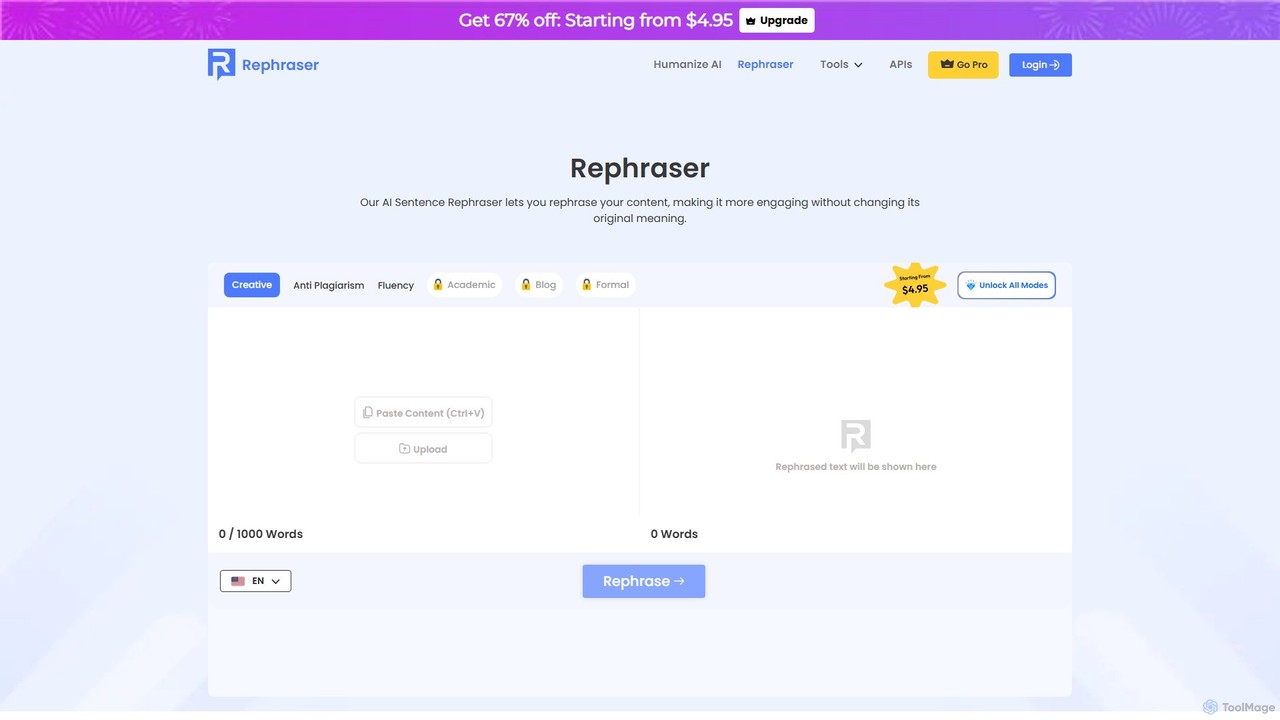
Rephraser is an AI-powered online tool designed to paraphrase and rewrite text. It helps users create unique, high-quality content by offering multiple rewriting modes to improve clarity, change tone, and avoid plagiarism, catering to students, bloggers, and marketers.

Academic Assistance
Visits 46.2KFavorites 130Likes 115
PerfectEssayWriter.ai
Freemium

PerfectEssayWriter.ai

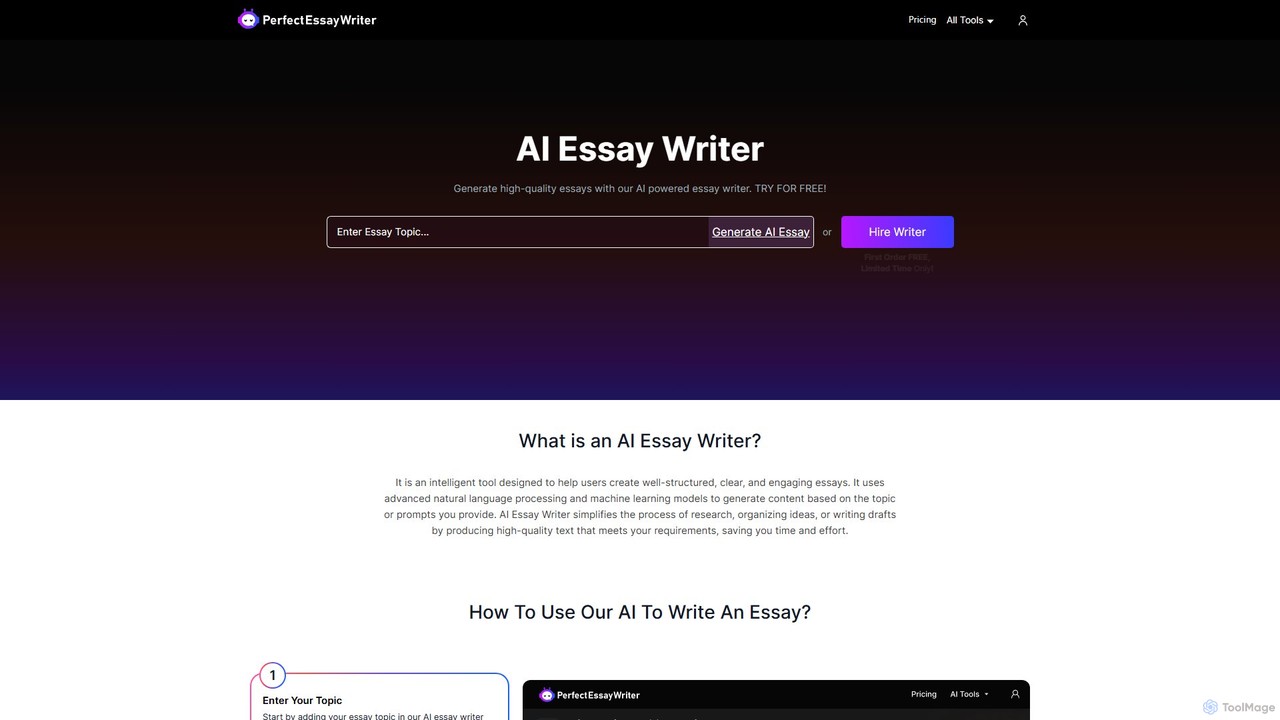
PerfectEssayWriter.ai is an advanced AI essay generator designed to create high-quality, natural-sounding, and undetectable essays. It helps students and writers overcome writer's block, structure arguments, and personalize content by blending AI-generated drafts with user-provided notes and ideas, acting as an effective academic writing assistant.

Academic Assistance
Visits 64.8KFavorites 123Likes 123
Aithor
Freemium

Aithor

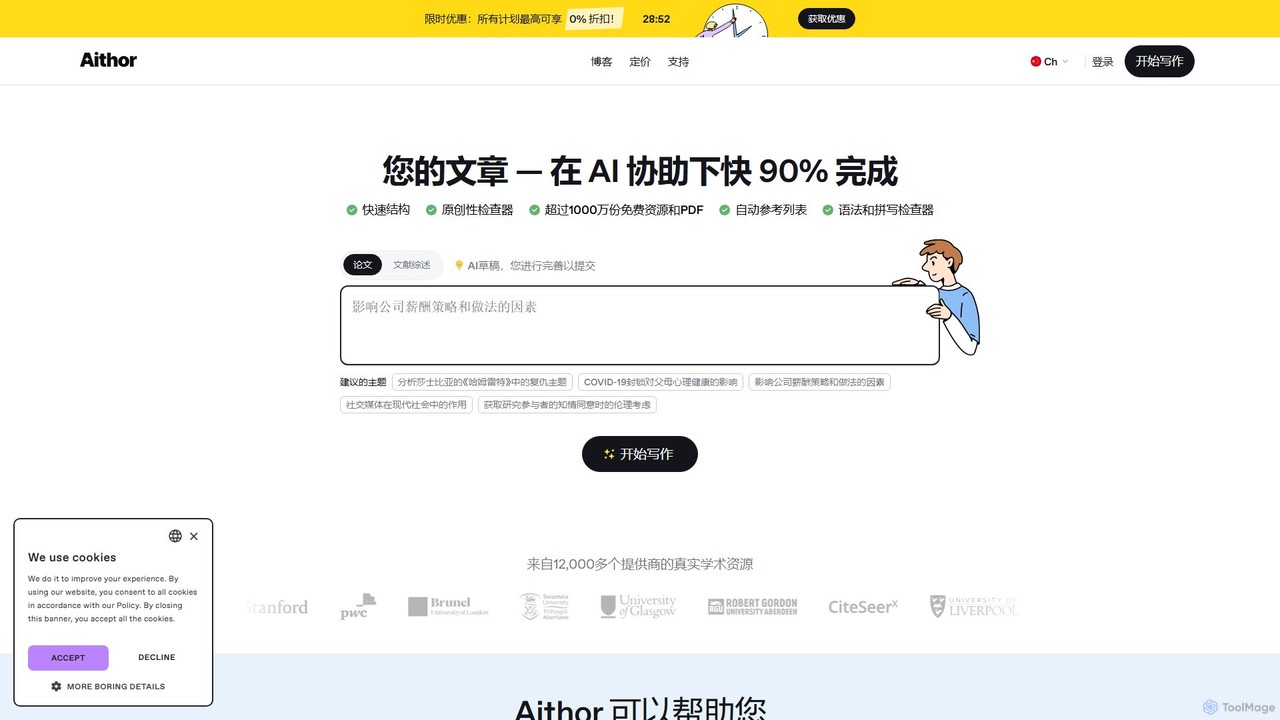
Aithor is an AI-powered academic writing assistant designed to help students and researchers generate high-quality essays and papers. It streamlines the entire writing process, from topic ideation and research to drafting, citation, and plagiarism checking. Simply provide a prompt, and Aithor will create a structured, well-researched, and properly cited document, saving you time and effort while improving your academic output.

Academic Assistance
Visits 835.9KFavorites 148Likes 155
smartstudi
Freemium

smartstudi

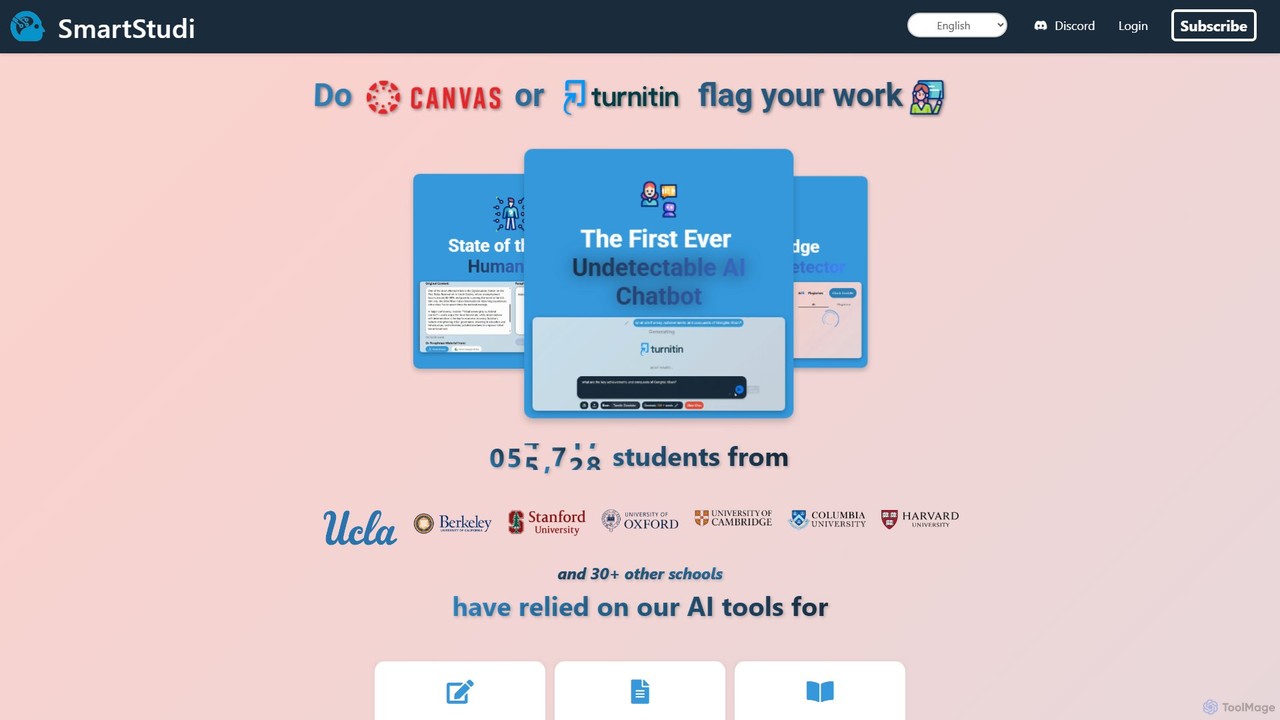
smartstudi is an all-in-one AI-powered writing assistant designed for students, writers, and content creators. It offers a suite of tools including an essay generator, paraphraser, plagiarism checker, citation generator, and a feature to make AI content undetectable. It aims to streamline the writing process, enhance quality, and ensure originality.

Academic Assistance
Visits 5.9KFavorites 148Likes 137
myessaytyper
Freemium

myessaytyper

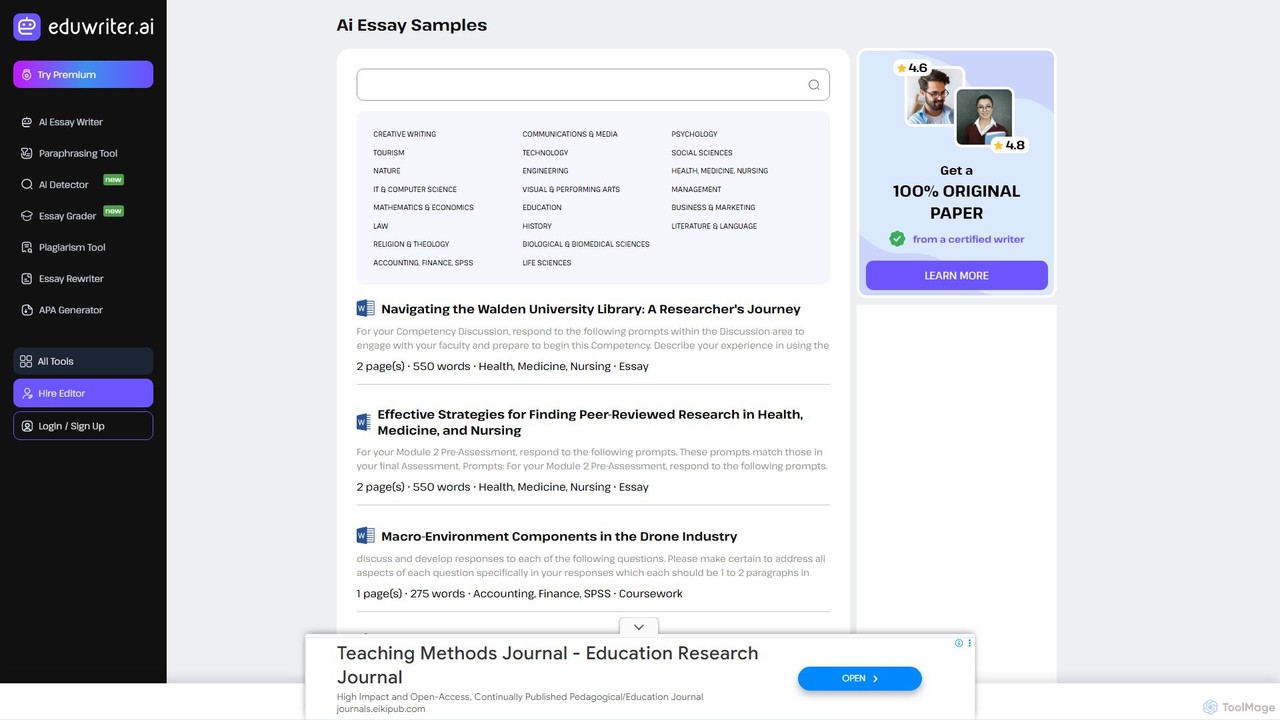
myessaytyper is a comprehensive AI-powered academic writing suite from EduWriter.ai. It offers a range of tools including an essay writer, paraphraser, plagiarism checker, and citation generator. The platform helps students overcome writer's block, structure arguments, and produce high-quality, original academic papers across various subjects, from literature to computer science. It provides free essay samples and premium features for advanced writing needs.

Academic Assistance
Visits 6.3KFavorites 123Likes 116
EssayZoo
Paid

EssayZoo

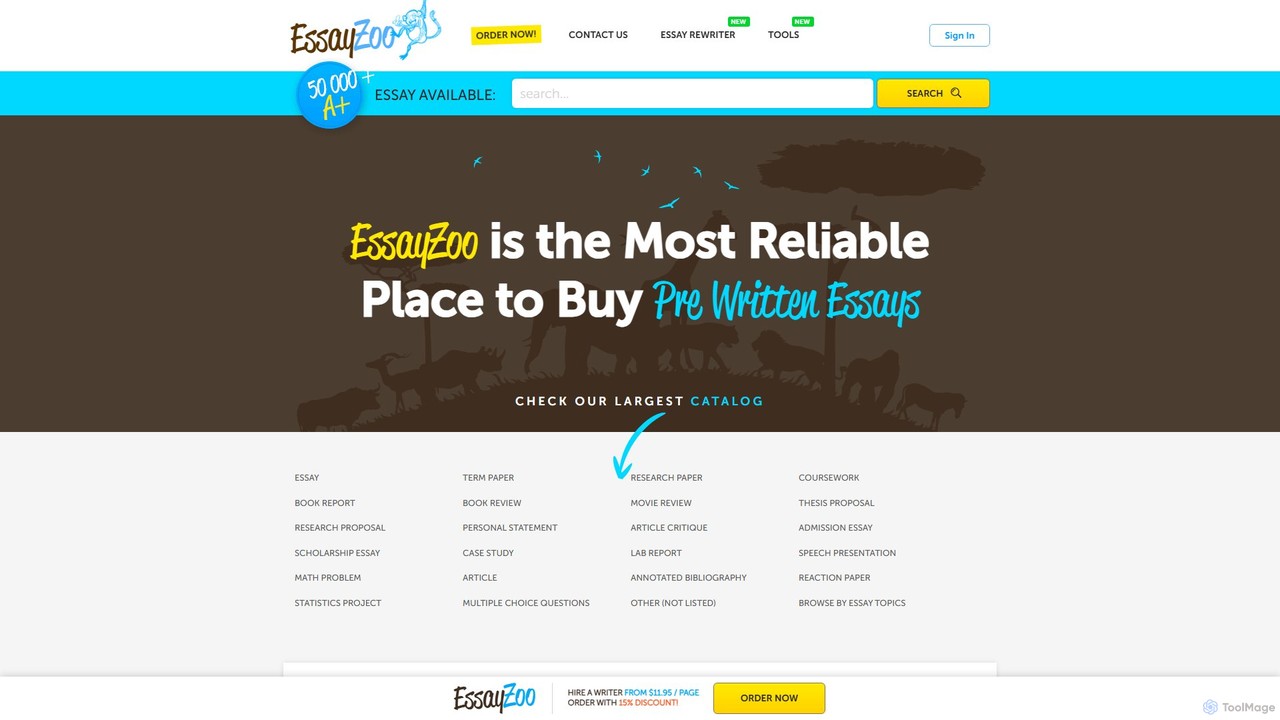
EssayZoo is a comprehensive academic writing platform combining expert human writers with AI-powered tools. It offers custom essay writing, a vast library of pre-written samples, and various academic assistance services. Designed for students from high school to post-graduate levels, EssayZoo guarantees original, plagiarism-free content, on-time delivery, and 24/7 support to help students manage their academic workload and improve their grades.

Academic Assistance
Visits 7.7KFavorites 121Likes 123
Reword Generator
Freemium

Reword Generator

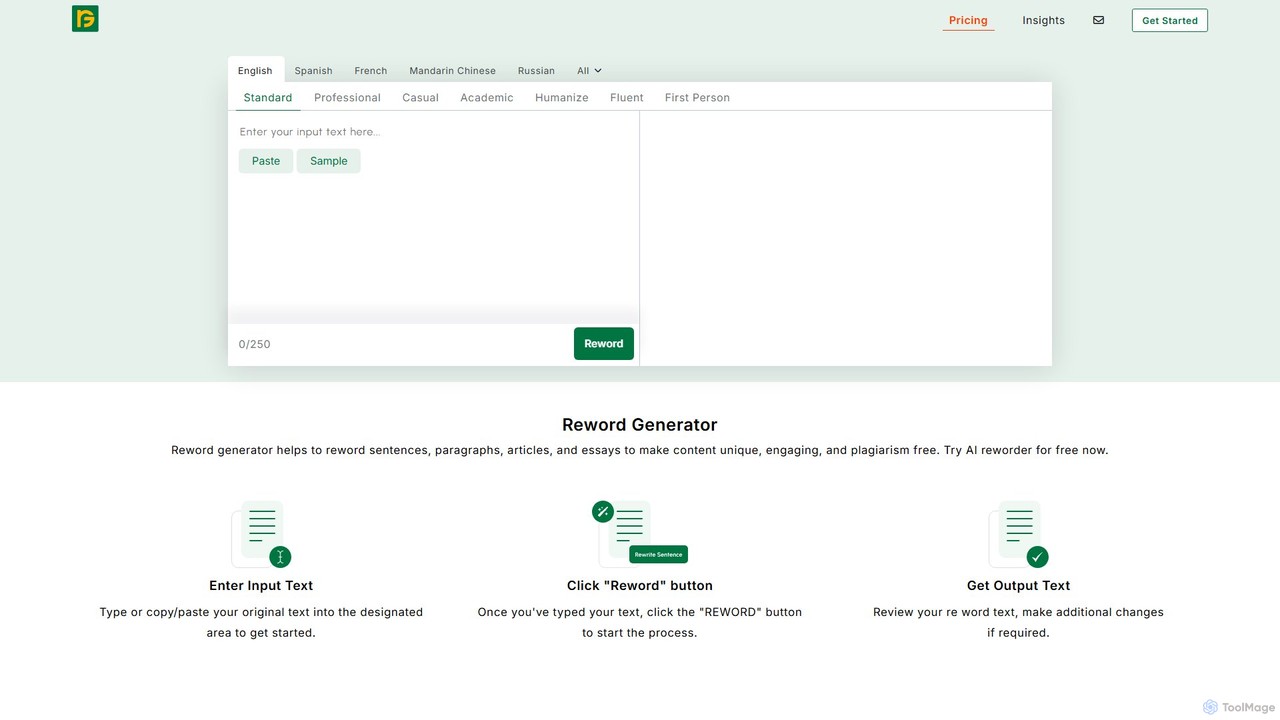
Reword Generator is an advanced AI-powered tool designed to rephrase sentences, paragraphs, and entire articles. It helps users create unique, engaging, and plagiarism-free content by improving writing style, fixing grammatical errors, and adjusting the tone. It supports multiple languages and writing modes, making it a versatile writing assistant for students, writers, and professionals.

Academic Assistance
Visits 17.1KFavorites 123Likes 124
Essay Typer
Free

Essay Typer

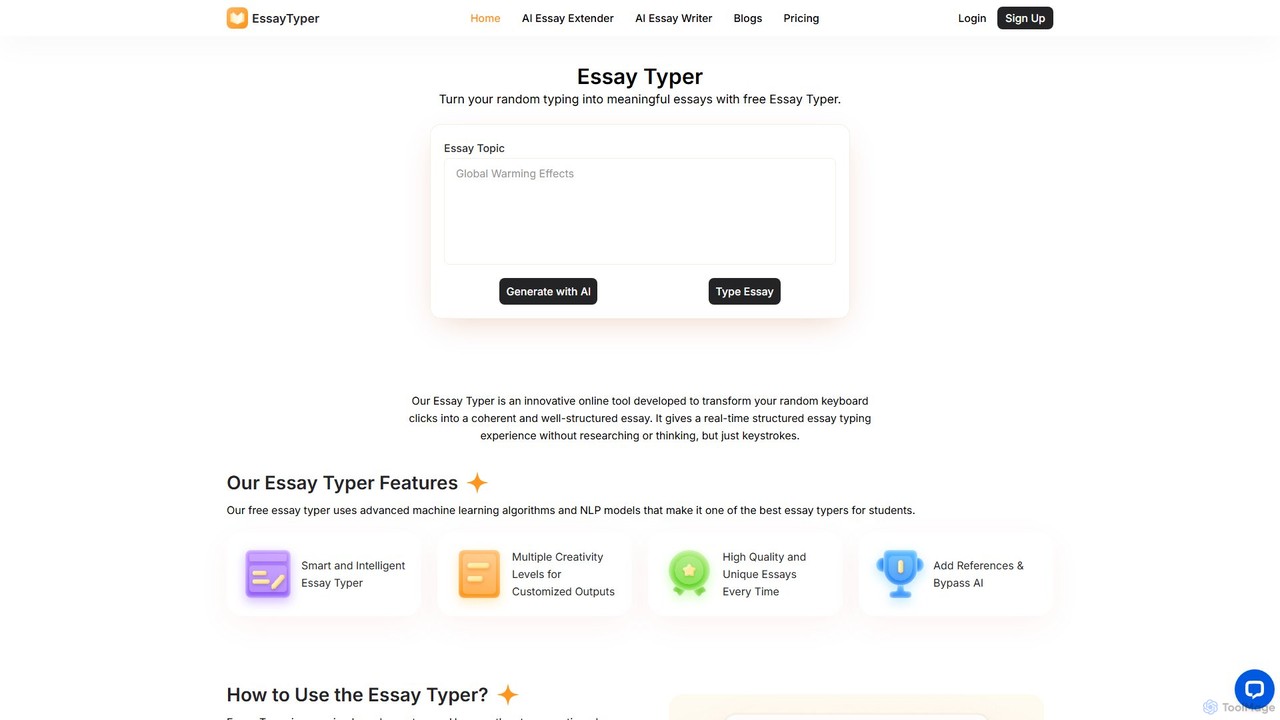
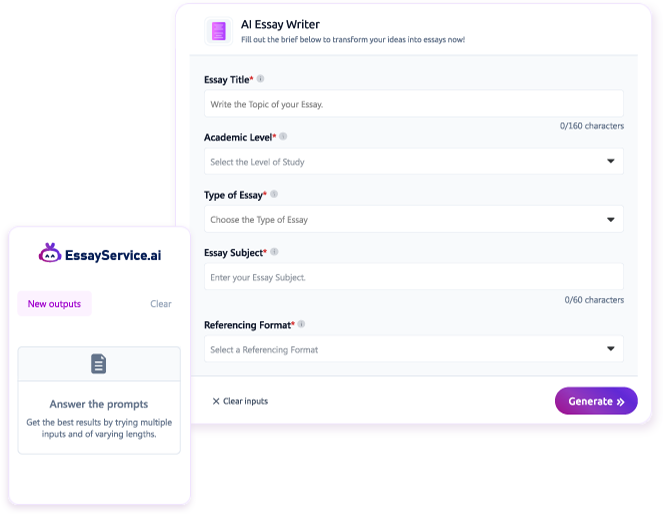
Essay Typer is a free AI-powered tool that transforms your random keystrokes into a well-structured essay on any topic. Simply enter your subject, and as you type, the tool generates coherent text in real-time. It's designed to help students overcome writer's block, generate ideas, and understand essay structure quickly. This innovative tool uses advanced algorithms to provide a seamless and instant writing experience, making it a valuable resource for academic assignments and creative writing inspiration without any cost or registration.

Academic Assistance
Visits 7.9KFavorites 117Likes 128
fastessay
Freemium

fastessay

fastessay is a comprehensive academic writing platform that combines free AI-powered tools with a marketplace of expert human writers. It offers solutions for every stage of the writing process, from generating ideas and thesis statements with AI to receiving custom-written, edited, and proofread essays from subject-matter specialists. The platform is designed to help students save time, improve their grades, and ensure the originality and quality of their academic work.

Academic Assistance
Visits 67.7KFavorites 131Likes 106
PaperCheck
Freemium

PaperCheck

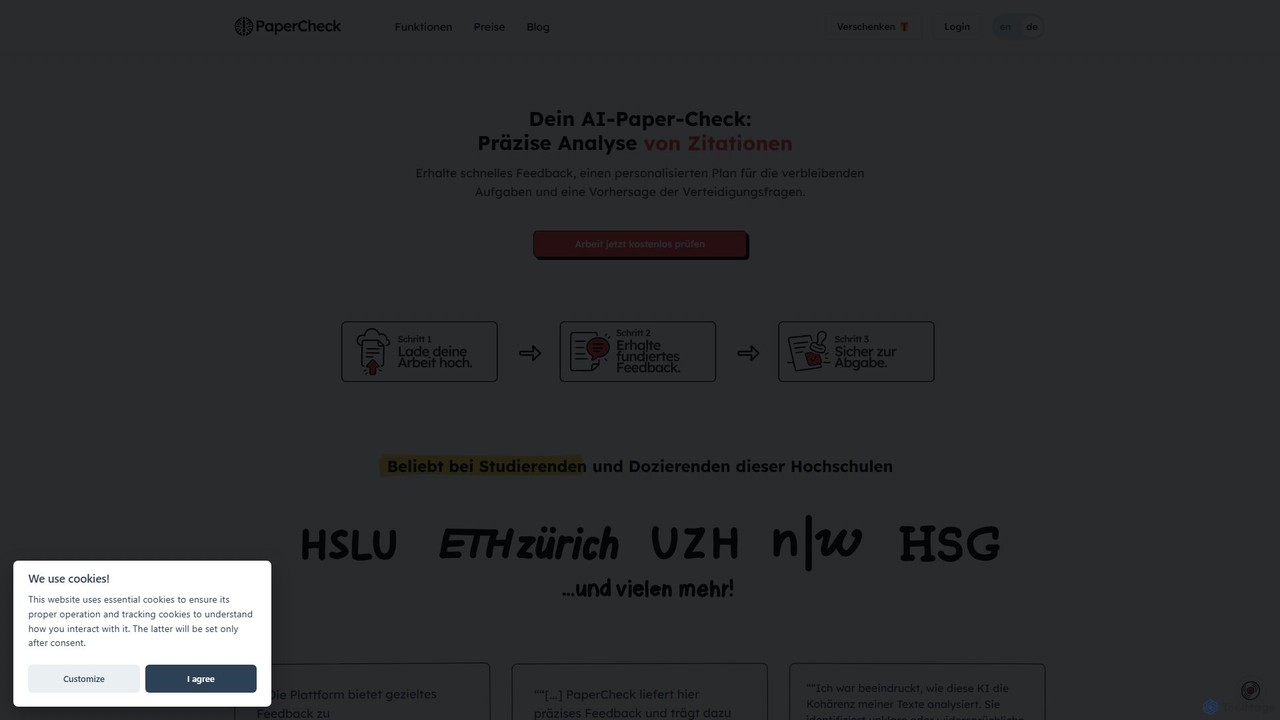
PaperCheck is an AI-powered writing assistant for students and academics. It provides instant, in-depth feedback on academic papers, checking for argumentation, citation style, logical consistency, and more. It also helps prepare for thesis defense by predicting questions and offering a practice trainer.

Academic Assistance
Visits 19.4KFavorites 133Likes 116

About Academic Assistance

Academic Assistance tools are a specialized category of AI designed to support students, researchers, and educators in their scholarly work. These platforms leverage natural language processing (NLP) and machine learning to streamline complex academic tasks such as literature discovery, writing refinement, citation management, and plagiarism detection. They are engineered to enhance the quality and integrity of academic output, helping users to organize research, improve writing clarity, and adhere to scholarly standards. Unlike general writing aids, these tools are specifically tailored for the rigorous demands of academic environments.

Core Features

  • Research & Summarization: AI-powered search for relevant academic papers and automated summarization of key findings, arguments, and methodologies.
  • Advanced Writing Support: Provides grammar correction, style suggestions for academic tone, sentence restructuring, and clarity improvements.
  • Citation Management: Automatically generates accurate citations and bibliographies in various formats like APA, MLA, Chicago, and more.
  • Plagiarism Detection: Scans documents against a vast database of academic journals, publications, and web sources to ensure originality.
  • Interactive Learning Aids: Offers step-by-step solutions for complex problems (especially in STEM fields) and generates study materials like flashcards or quizzes from notes.

Use Cases

These tools are indispensable for higher education students writing essays and dissertations, researchers conducting literature reviews, and academics preparing manuscripts for publication. They are also used by educators to create teaching materials and to check student submissions for originality, forming a crucial part of the modern educational toolkit within the broader field of Education technology.

How to Choose

When selecting an Academic Assistance tool, consider the specific disciplines it supports (e.g., STEM vs. humanities). Evaluate the accuracy of its citation generator and the comprehensiveness of its plagiarism database. Check for integrations with your preferred writing software, such as Google Docs or Microsoft Word. Finally, assess the user interface and pricing models to find a tool that fits your workflow and budget.

Featured tool rankings

Academic Assistance use cases

1

Streamlining Literature Reviews for Research

A PhD candidate in social sciences needs to conduct a comprehensive literature review for their dissertation, a process that typically takes weeks. By using an AI academic assistance tool, they can input keywords and research questions to instantly scan thousands of academic databases. The tool identifies the most relevant papers, generates concise summaries of each, and visualizes connections between different studies. This allows the researcher to quickly grasp the current state of the field, identify key themes and research gaps, and build a strong theoretical framework in a fraction of the time.

2

Enhancing Essay Writing and Proofreading

An undergraduate student is writing a critical analysis essay and wants to ensure it is clear, coherent, and grammatically perfect. They use an AI writing assistant to check their draft. The tool goes beyond basic spell-checking, offering suggestions to improve sentence structure for better flow, replacing jargon with more appropriate academic vocabulary, and ensuring a consistent tone throughout the paper. The student receives actionable feedback that helps them refine their arguments and present their ideas more effectively, ultimately leading to a better grade.

3

Generating Accurate Citations and Bibliographies

A student is finalizing a research paper that includes over 50 sources, including books, journal articles, and websites. Manually formatting each citation in APA 7th edition style is time-consuming and prone to error. Instead, they use an AI citation generator. They simply paste in the URLs or DOIs of their sources, and the tool automatically fetches the metadata and formats it correctly. For books, they can scan the barcode with their phone. The tool then compiles a perfectly formatted bibliography in seconds, saving hours of tedious work and ensuring compliance with academic standards.

4

Checking for Unintentional Plagiarism Before Submission

Before submitting a major term paper, a student wants to ensure they have not accidentally plagiarized any material. They upload their document to an AI-powered plagiarism checker. The tool scans the text and compares it against billions of web pages and academic publications in its database. It generates a similarity report highlighting passages that closely match existing sources, providing direct links to the original material. This allows the student to review their paraphrasing, add missing citations, and make necessary corrections, ensuring they submit original work and uphold academic integrity.

5

Solving Complex STEM Problems Step-by-Step

A student studying engineering is stuck on a complex calculus problem involving integration by parts. Instead of just searching for the answer, they use an AI academic tutor. They take a photo of the problem, and the tool not only provides the final solution but also breaks it down into a series of logical, easy-to-follow steps. Each step includes a clear explanation of the concept being applied. This interactive process helps the student understand the underlying methodology, reinforcing their learning and equipping them to solve similar problems independently in the future.

6

Creating Interactive Study Guides and Flashcards

A medical student preparing for a major anatomy exam has hundreds of pages of lecture notes and textbook chapters to review. To study more effectively, they upload these documents into an AI tool. The AI automatically identifies key terms, definitions, and concepts, then generates a set of digital flashcards and practice quizzes. The student can use these interactive materials on their phone or laptop to test their knowledge, focus on areas where they are weak, and track their progress, turning passive reading into an active and efficient learning experience.

Academic Assistance FAQ

What are AI Academic Assistance tools?

AI Academic Assistance tools are specialized software designed to support the entire academic workflow. Unlike general AI writers, they focus on tasks crucial for scholarly work, such as finding and summarizing research papers, providing advanced grammar and style checks for academic writing, generating accurate citations in formats like APA and MLA, and detecting plagiarism against academic databases. They act as a personal research and writing assistant for students, researchers, and educators.

How to choose the right Academic Assistance tool?

Choosing the right tool depends on your primary needs. Consider these factors:

  • Functionality: Do you need a comprehensive suite or a specialized tool for one task, like citation management or plagiarism checking?
  • Discipline Focus: Some tools are better for STEM subjects with equation solvers, while others excel in humanities with advanced writing style analysis.
  • Accuracy and Reliability: Check reviews on the accuracy of citation generators and the thoroughness of plagiarism checkers.
  • Integration: Ensure the tool works seamlessly with your writing software (e.g., Word, Google Docs, LaTex) and research databases.
  • User Experience: A clean, intuitive interface can save you significant time and frustration.
What's the difference between Academic Assistance tools and general AI writers?

The key difference is specialization and purpose. General AI writers are designed for broad content creation, from marketing copy to creative stories, and prioritize fluency and creativity. Academic Assistance tools are purpose-built for scholarly work. They include specialized features that general writers lack, such as:

  • Citation Management: Integration with academic databases to create accurate citations.
  • Plagiarism Checking: Comparison against scholarly journals, not just the open web.
  • Academic Tone Analysis: Suggestions to ensure writing is formal, objective, and appropriate for research papers.
  • Data-Driven Research: Tools to help find, analyze, and summarize existing academic literature.
In essence, academic tools prioritize accuracy, integrity, and adherence to scholarly conventions over creative text generation.

Is it ethical to use AI for academic work?

Yes, it is ethical when used as a supportive tool rather than a replacement for original thought. The ethical use of AI in academia involves leveraging it to enhance your own work. This includes using it for:

  • Proofreading grammar and spelling.
  • Improving the clarity and flow of your writing.
  • Organizing research and summarizing articles.
  • Checking for unintentional plagiarism.
  • Formatting citations correctly.
However, using AI to generate entire essays, falsify data, or present AI-generated ideas as your own is considered academic misconduct and plagiarism. Always check your institution's specific policies on AI usage.

Can AI plagiarism checkers be detected by universities?

Using a plagiarism checker to review your own work before submission is a responsible academic practice and is generally not detectable. These tools function like advanced search engines; they don't alter your document's metadata or leave a digital footprint that institutions can trace. However, the situation is different for AI writing detectors. While the technology is still evolving, some universities use tools to estimate the likelihood that text was AI-generated. The most reliable way to avoid issues is to use AI as an assistant for your own original work, not as a ghostwriter.