ToolMage
Sign in

Best 7 Ai Learning AI tools for Education

Popular Ai Learning AI tools in Education include OpenAI Academy, 2 Weeks AI, PromptAlphabet, viorelspinu, Promptcademy, Aiuse, and prmpts.AI, helping you work more efficiently.

Promptcademy

Promptcademy

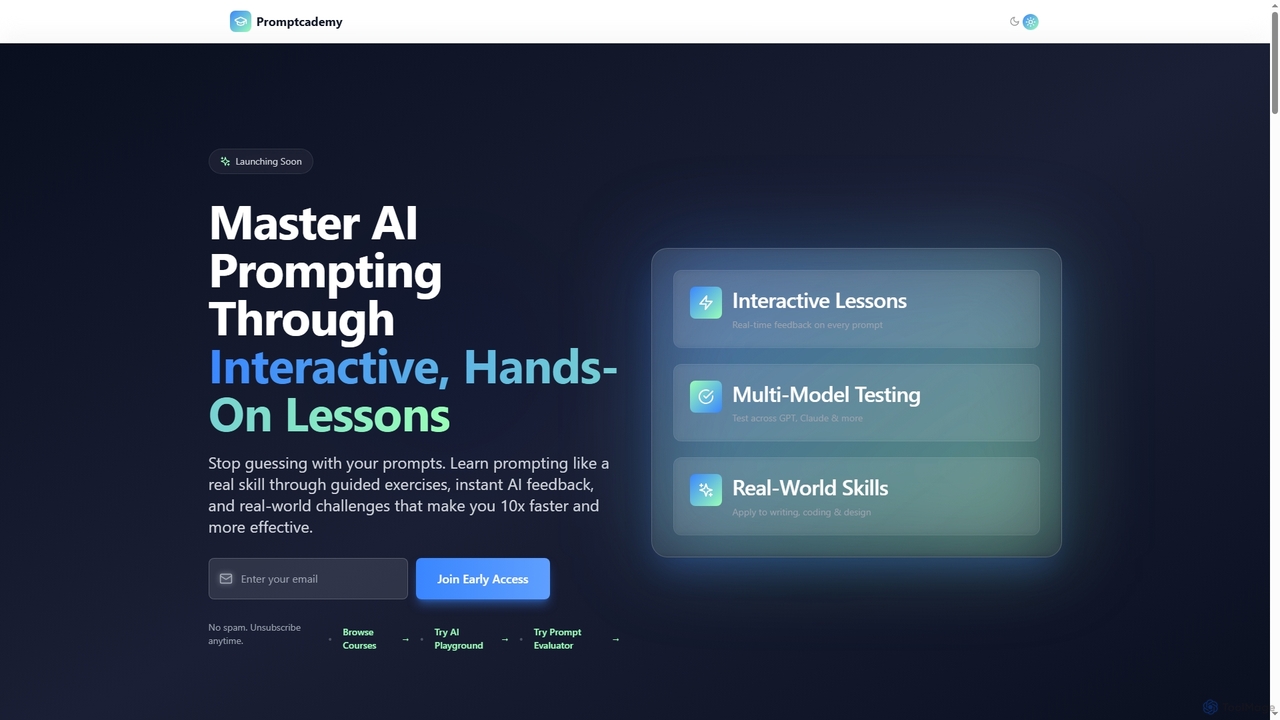
Promptcademy is an interactive online platform designed to help users master AI prompting skills through hands-on lessons, real-time AI feedback, and multi-model testing. It transforms vague prompts into powerful instructions, enabling individuals from beginners to experts to achieve consistent, high-quality results from various AI tools like GPT, Claude, Midjourney, and DALL·E.

Ai Model Testing
Visits 4.4KFavorites 33Likes 33
PromptAlphabet

PromptAlphabet

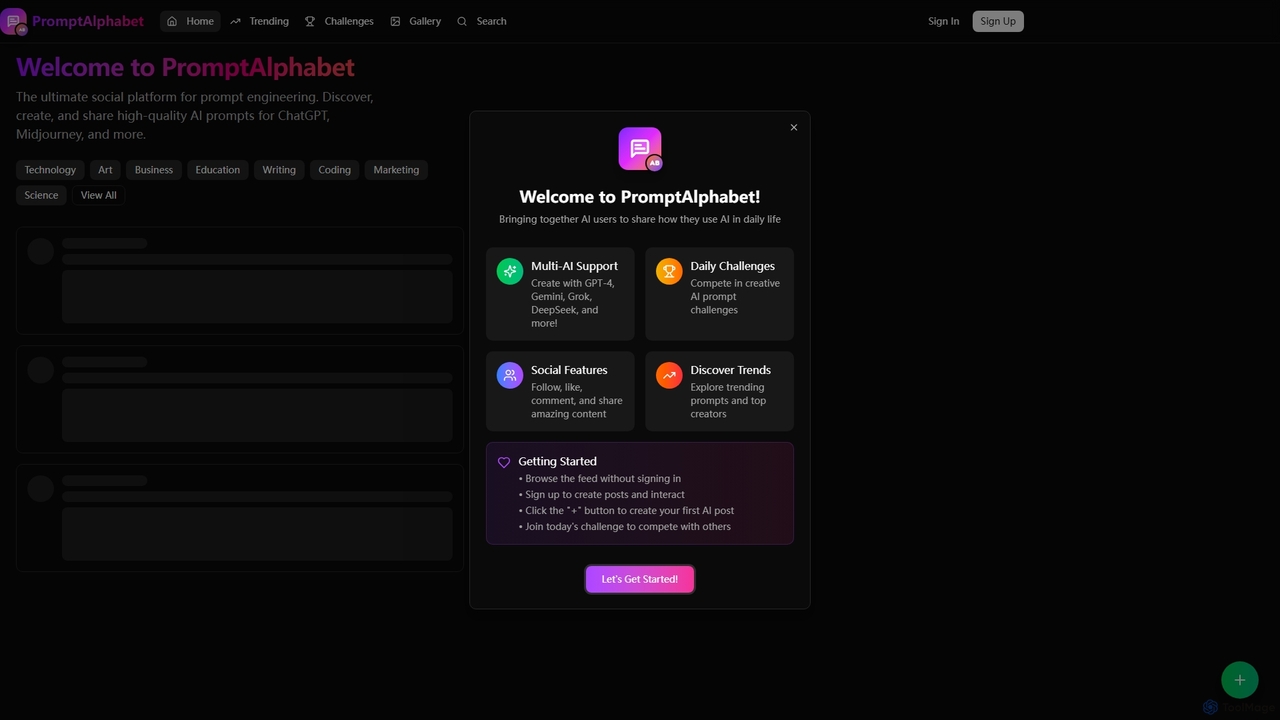
A social community platform for AI enthusiasts to share, discover, and create content using various AI models like GPT-4, Gemini, and Grok. Engage in daily challenges and explore trending prompts from top creators.

Ai Learning
Visits 5KFavorites 96Likes 86
Aiuse
Free

Aiuse

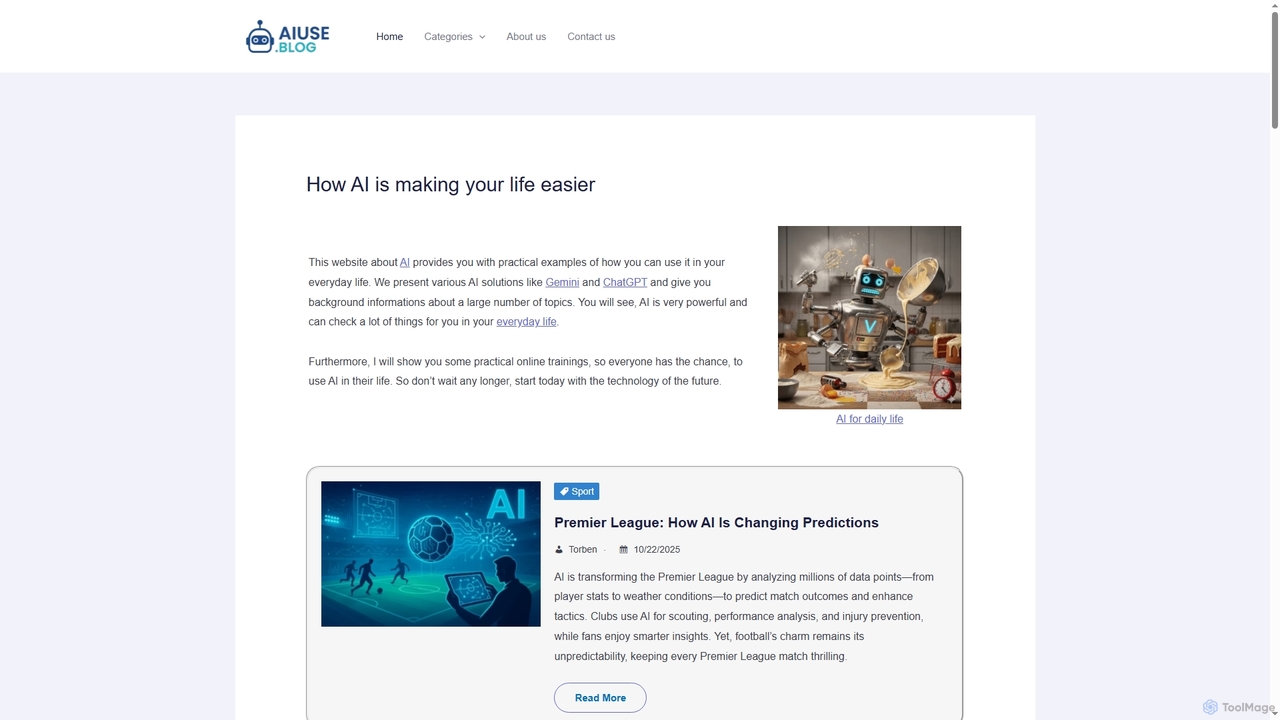
Aiuse is a blog dedicated to demystifying artificial intelligence, offering practical examples, step-by-step guides, and honest reviews to help everyday people integrate AI into their daily lives, education, business, and sports. It simplifies complex AI concepts for beginners.

Website Development
Visits 4.4KFavorites 148Likes 116
prmpts.AI
Free

prmpts.AI

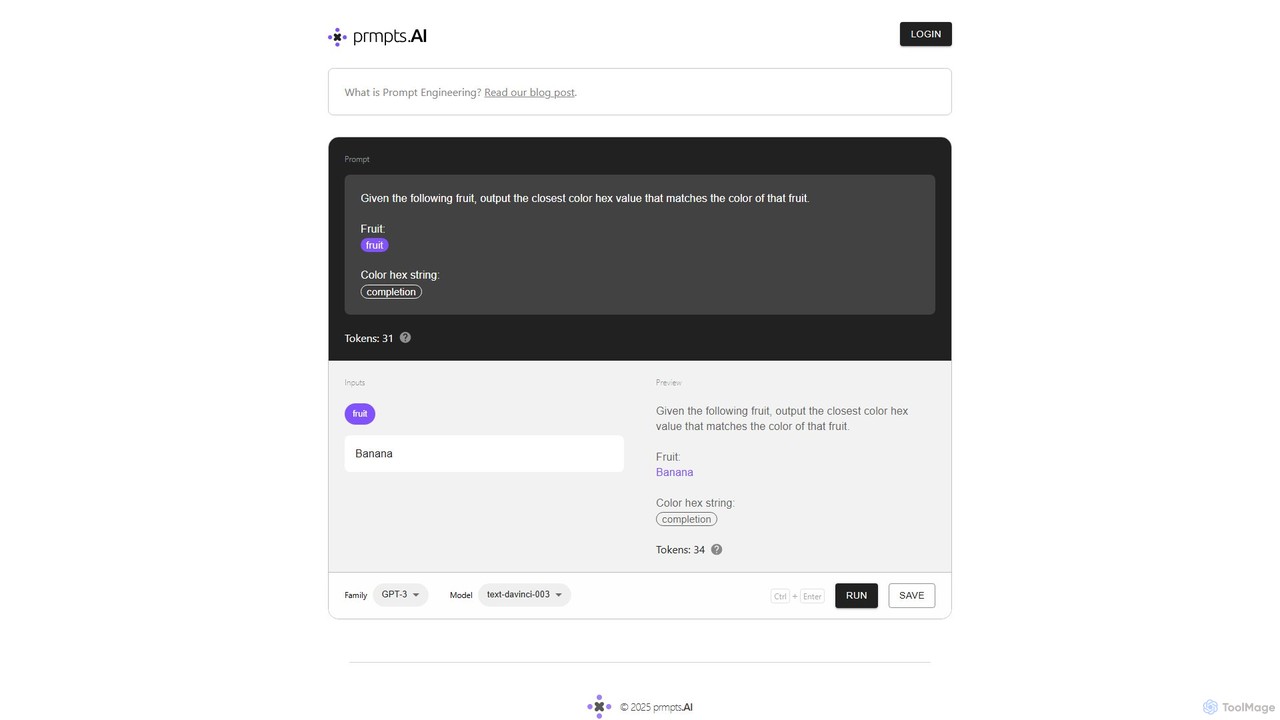
prmpts.AI is a powerful and intuitive prompt engineering sandbox designed for developers and AI enthusiasts. It provides a structured environment to create, test, refine, and share robust prompts for large language models like GPT-3, streamlining the development of AI-powered applications.

Prompt Engineering
Visits 4.2KFavorites 142Likes 149
2 Weeks AI
Free

2 Weeks AI

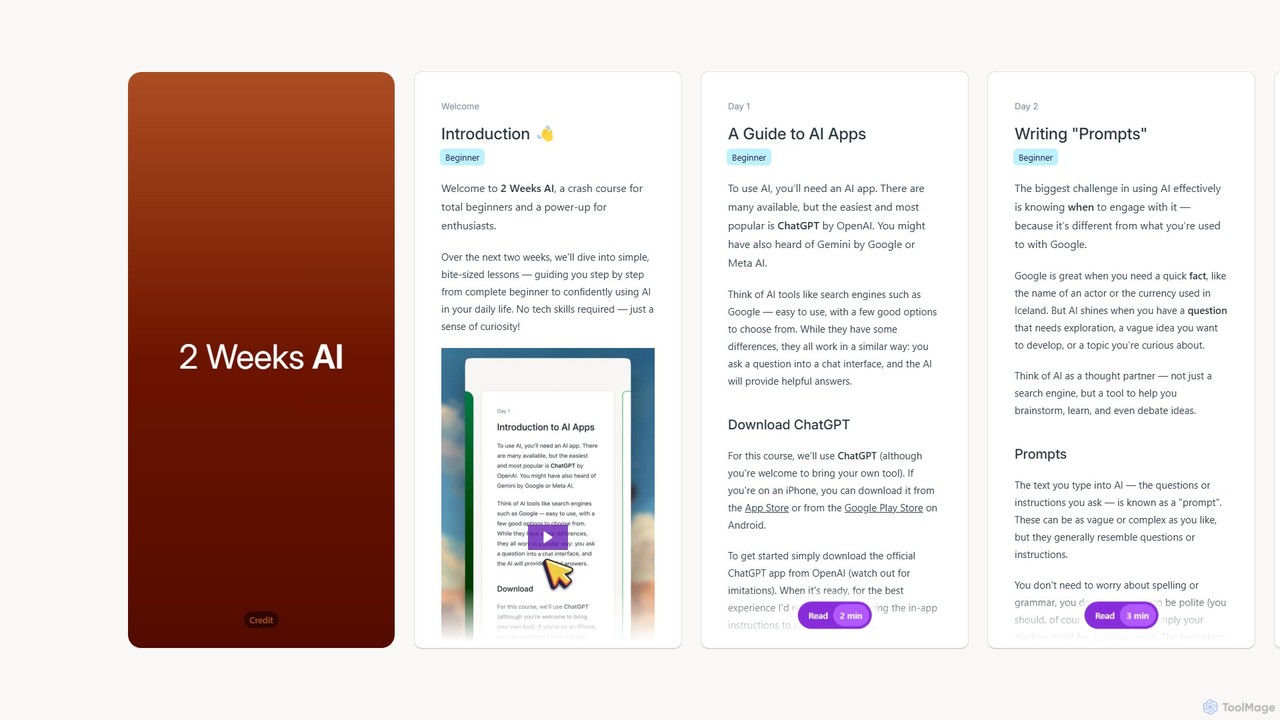
A free, 14-day online course designed to make artificial intelligence understandable and accessible to everyone. It uses a fun, non-technical approach with real-world examples, perfect for beginners, students, and professionals.

Ai Learning
Visits 6.2KFavorites 128Likes 127
OpenAI Academy
Free

OpenAI Academy

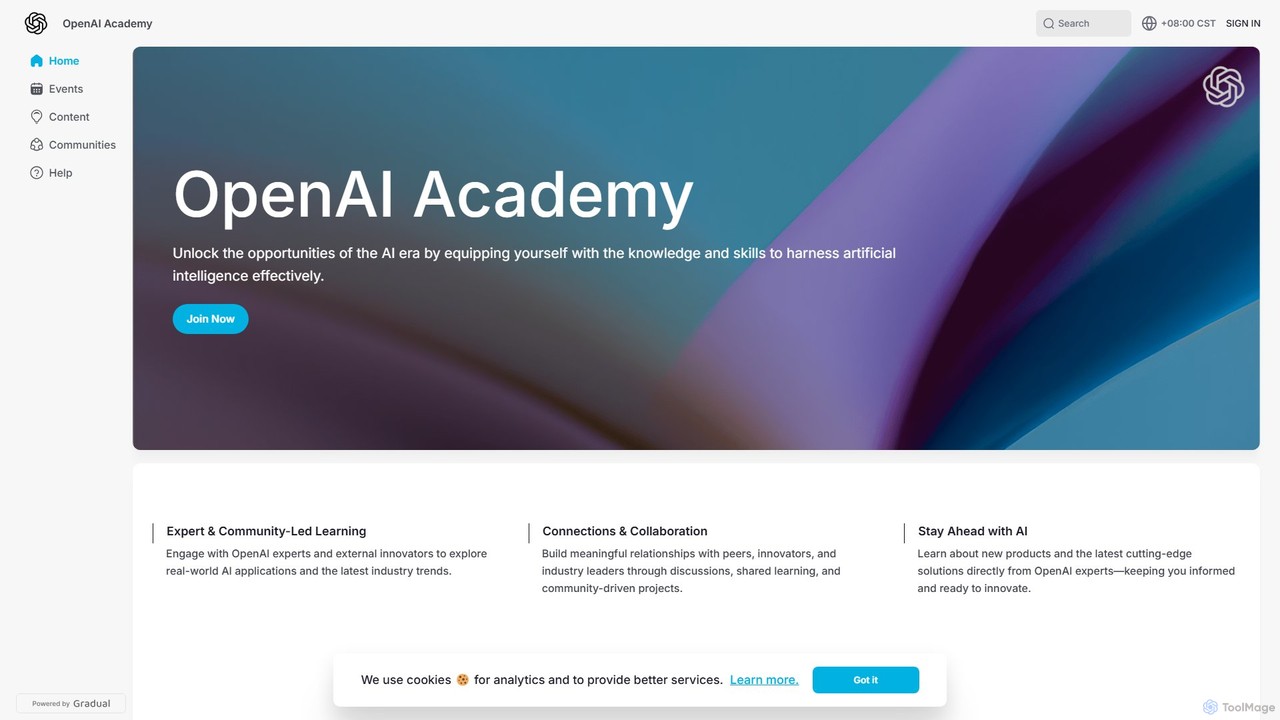
OpenAI's official learning platform, offering free courses, workshops, and a collaborative community to help individuals and professionals master AI. Learn directly from OpenAI experts, connect with peers, and stay ahead with the latest AI trends and applications.

Networking
Visits 603.3KFavorites 85Likes 77
viorelspinu
Free

viorelspinu

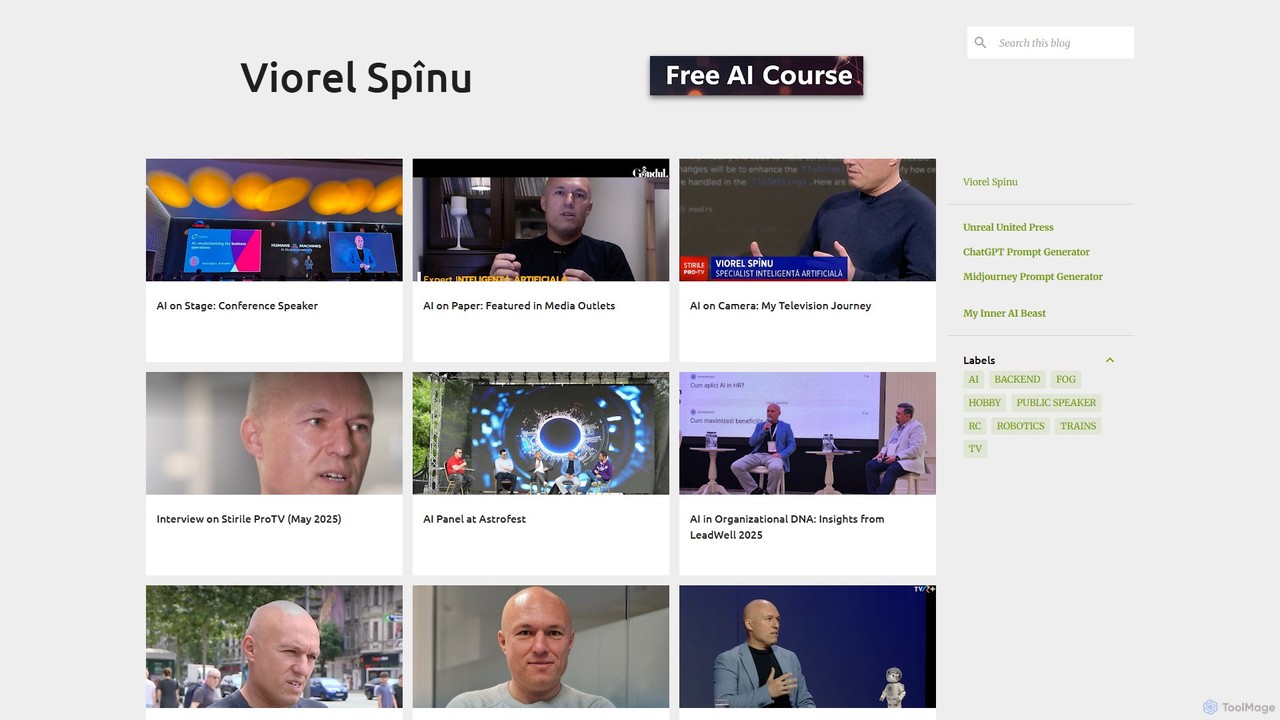
viorelspinu is a comprehensive resource hub curated by AI expert Viorel Spînu. It features powerful, free-to-use prompt generators for ChatGPT and Midjourney, designed to help users craft highly effective and detailed prompts. The site also offers a wealth of knowledge through articles, interviews, and talks, providing deep insights into AI strategy, implementation, and the future of artificial intelligence in business and creative fields.

Image Generation
Visits 4.5KFavorites 128Likes 125

About Ai Learning

AI Learning tools are a class of educational software that leverage artificial intelligence to create personalized and adaptive learning experiences. These platforms use machine learning algorithms to analyze a user's progress, identify knowledge gaps, and dynamically adjust content and difficulty. The primary value of AI Learning tools is their ability to move beyond a one-size-fits-all curriculum, offering each learner a unique path to mastery. This makes studying more efficient, engaging, and effective for various subjects and skill levels.

Core Features

  • Personalized Learning Paths: The AI assesses your current knowledge and goals to create a customized study plan that focuses on your specific needs.
  • Adaptive Assessments: Quizzes and exercises that change in difficulty in real-time based on your answers, providing optimal challenges.
  • Instant Feedback & Tutoring: Get immediate, detailed explanations for incorrect answers and access AI-powered tutors for 24/7 support.
  • Interactive Content Delivery: Engages users with dynamic content formats like simulations, conversational lessons, and gamified challenges.
  • Performance Analytics: Provides detailed reports on your strengths, weaknesses, and progress over time, helping you focus your efforts.

Use Cases

AI Learning tools are widely used by students from K-12 to university for exam preparation and subject mastery. Professionals use them for upskilling and acquiring new certifications in fields like coding, data science, and business. Language learners also benefit significantly from AI-powered conversational practice and personalized vocabulary drills.

How to Choose

When selecting an AI Learning tool, first consider the subject matter it covers and its teaching methodology. Evaluate the level of adaptivity and the quality of the feedback provided. Check for progress tracking features and compatibility with your devices. Finally, compare pricing models, such as subscriptions or one-time purchases, to find a tool that fits your budget and learning commitment.

Featured tool rankings

Ai Learning use cases

1

Personalized Math Tutoring for Students

A high school student struggling with calculus uses an AI learning platform to prepare for their final exam. The AI first administers a diagnostic test to pinpoint specific weaknesses, such as understanding derivatives or integration techniques. Based on the results, it generates a personalized study plan with interactive lessons, video tutorials, and practice problems that adapt in difficulty. When the student gets a problem wrong, the AI provides step-by-step explanations, not just the correct answer. This targeted approach helps the student master difficult concepts efficiently, building confidence and improving their grade significantly.

2

Language Learning with an AI Conversation Partner

A marketing professional planning to expand into the Spanish market uses an AI language learning app to become conversationally fluent. Instead of static flashcards, the tool offers an AI-powered chatbot for conversation practice. The user can discuss various topics, from business negotiations to daily life. The AI provides real-time feedback on pronunciation, grammar, and word choice, suggesting more natural phrasing. It also tracks recurring mistakes and creates personalized drills to address them. This immersive, interactive practice accelerates the learning process far more effectively than traditional methods, preparing the user for real-world conversations.

3

Corporate Training and Employee Upskilling

A tech company needs to train its sales team on a new, complex software product. Instead of traditional workshops, they deploy an AI learning platform. The platform creates individual learning modules for each salesperson based on their existing product knowledge. It uses interactive simulations to let them practice using the software in realistic client scenarios. The AI tracks each employee's performance, identifying areas where they struggle and providing extra resources. This approach ensures that all team members achieve a consistent level of mastery in less time and with higher retention than standard training methods, while providing management with clear data on team readiness.

4

Adaptive Test Preparation for Certifications

An aspiring project manager is preparing for the PMP (Project Management Professional) certification exam. They use an AI-powered test prep tool that simulates the real exam environment. The tool's question bank is vast, and its adaptive algorithm presents questions that target the user's weakest knowledge areas, as identified from previous sessions. After each practice test, the AI provides a detailed breakdown of performance by topic, showing exactly where more study is needed. It also predicts their likely score on the actual exam, helping them decide when they are truly ready. This data-driven approach maximizes study efficiency and increases the chances of passing on the first attempt.

5

Interactive Science and History Learning

A middle school teacher uses an AI learning tool to make complex subjects like physics and history more engaging. For physics, the tool provides a virtual lab where students can conduct experiments, like building circuits or simulating gravity, without physical equipment. The AI guide explains the principles behind their observations in real-time. For history, students can engage in conversations with AI-powered historical figures, asking questions about their lives and times. This interactive and immersive approach helps students build a deeper, more intuitive understanding of abstract concepts compared to simply reading a textbook.

6

Automated Essay Feedback for Writing Improvement

A university student uses an AI learning tool to improve their academic writing skills. After writing a draft for a research paper, they submit it to the AI for analysis. The tool instantly provides feedback on multiple dimensions: it checks for grammatical errors and typos, analyzes sentence structure for clarity and conciseness, and evaluates the overall argument for logical flow and coherence. It might suggest rephrasing awkward sentences or strengthening a thesis statement. This allows the student to iterate on their work multiple times before submitting it to their professor, helping them learn the principles of good writing through immediate, constructive practice.

Ai Learning FAQ

What are AI Learning tools?

AI Learning tools are educational software that use artificial intelligence to create personalized and adaptive learning experiences. Unlike traditional online courses with a fixed curriculum, these tools analyze your performance in real-time to identify your strengths and weaknesses. They then tailor content, practice questions, and learning paths specifically to your needs, acting like a personal digital tutor to help you learn more efficiently.

How do AI Learning tools differ from standard online courses?

The main difference is adaptivity. Standard online courses (like those on Coursera or Udemy) offer a static, one-size-fits-all curriculum for all learners. AI Learning tools, in contrast, are dynamic. They create a personalized journey for each user by constantly assessing performance and adjusting the material. This means you spend more time on topics you find difficult and less time on concepts you've already mastered, making the learning process much more efficient.

How do I choose the right AI Learning tool for my needs?

To choose the right tool, consider these factors:

  • Subject Matter: Does the tool specialize in the subject you want to learn (e.g., math, coding, a specific language)?
  • Learning Style: Does it use methods that work for you, such as visual simulations, conversational practice, or text-based lessons?
  • Adaptivity Level: How truly personalized is the experience? Look for features like adaptive questioning and customized study plans.
  • Feedback Quality: Does it provide clear, actionable feedback that helps you understand your mistakes?
  • Cost: Compare pricing models (subscription vs. one-time fee) and check for free trials to see if it's a good fit before committing.
Are AI Learning tools effective for all subjects?

AI Learning tools are highly effective for subjects with clear rules and structured knowledge, such as mathematics, programming, sciences, and language grammar. Their ability to provide instant feedback on right/wrong answers excels in these areas. They are becoming increasingly effective for more subjective fields like writing and history, using AI to analyze text structure or provide interactive historical simulations. However, their effectiveness can vary depending on the sophistication of the AI and the specific design of the tool.

Can AI Learning tools replace human teachers?

AI Learning tools are best viewed as powerful assistants rather than replacements for human teachers. They excel at providing personalized practice, instant feedback, and data-driven insights at scale, which can be difficult for a single teacher to manage for a large class. However, human teachers provide mentorship, inspiration, and nuanced understanding of a student's emotional and social needs that AI cannot replicate. The most effective educational models often involve a blend of both: AI handles the personalized drills and knowledge reinforcement, freeing up teachers to focus on higher-level discussions, problem-solving, and mentoring.