Education Best in category 1 results Aviation Learning AI Tool

Popular AI tools in the Aviation Learning field of Education include SkyNeu, etc., helping you quickly improve efficiency.

SkyNeu

SkyNeu

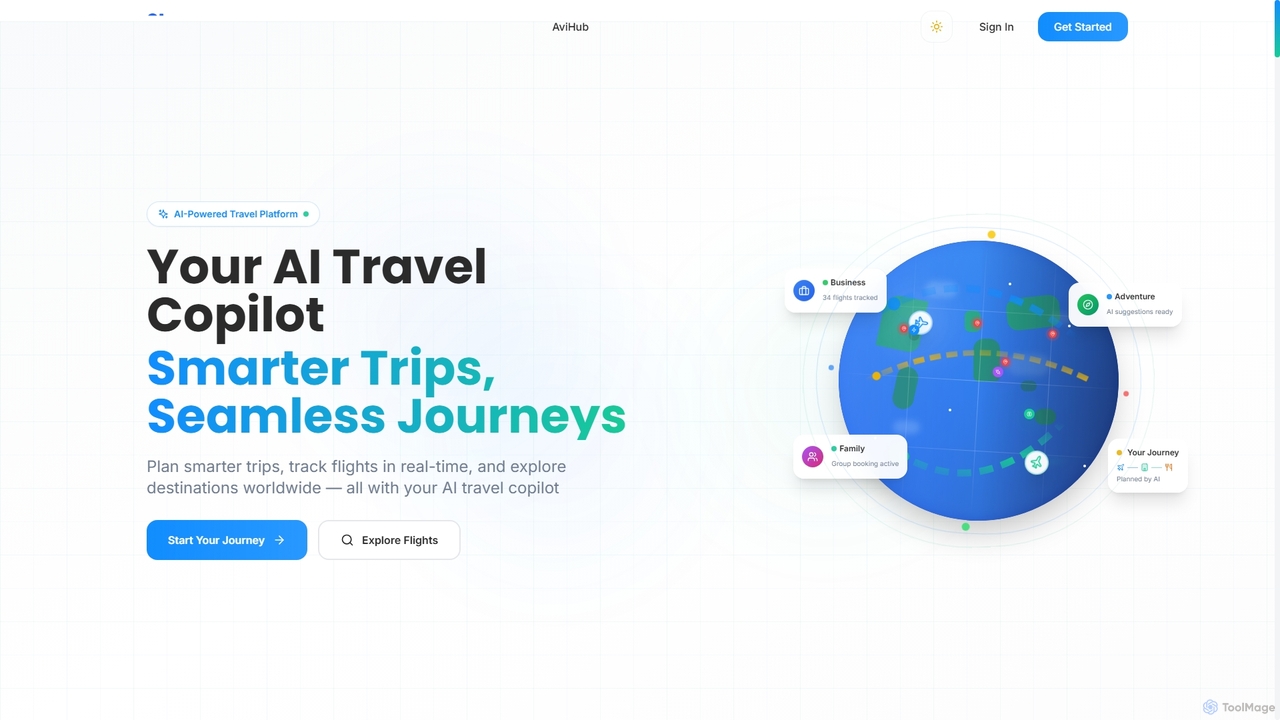
SkyNeu is an AI-powered travel platform designed to be your personal travel copilot, offering smart flight search, real-time …

2.8K

About Aviation Learning

Aviation Learning tools are AI-powered platforms designed to enhance education and training in the aviation sector. These tools leverage artificial intelligence to provide personalized, interactive, and highly realistic learning experiences. They help aspiring pilots, aviation professionals, and enthusiasts acquire, practice, and refine critical knowledge and skills, offering adaptive curricula, advanced simulations, and intelligent feedback mechanisms.

Core Features

  • AI-Powered Flight Simulators: Offer highly realistic flight scenarios, weather conditions, and aircraft models with real-time performance feedback.
  • Personalized Learning Paths: Adapt educational content and pace based on individual user progress, strengths, and weaknesses.
  • Intelligent Tutoring Systems: Provide AI-driven explanations, practice questions, and performance analysis to guide learners effectively.
  • Virtual Reality (VR) Training Modules: Deliver immersive experiences for mastering cockpit procedures, emergency drills, and aircraft systems.
  • Knowledge Assessment & Analytics: Utilize AI to create dynamic quizzes, track learning progress, and identify specific knowledge gaps.

Applicable Scenarios

These tools are invaluable for pilot training academies augmenting traditional instruction, aviation enthusiasts seeking self-paced learning on complex topics like aerodynamics and air traffic control, and airlines providing recurrent training for crews on safety protocols and new aircraft systems.

How to Choose

When selecting an Aviation Learning tool, consider the realism and accuracy of its simulations, the depth and breadth of its content coverage (e.g., regulations, aircraft types), its adaptive learning capabilities, and its alignment with industry certifications like FAA or EASA standards.

Aviation LearningUse Cases

1

Pilot Certification Exam Preparation

Aspiring pilots utilize AI-powered tutors and adaptive quizzes to prepare for demanding certification exams like the ATPL or PPL. The AI identifies knowledge gaps, provides targeted study materials, and simulates exam conditions, allowing users to practice specific topics repeatedly and receive instant feedback, significantly increasing their chances of passing and reducing study time.

2

Pilot Candidate Exam Preparation

Aspiring pilots utilize AI-powered tutors and interactive modules to systematically prepare for demanding aviation theory and regulatory exams. The tools provide targeted practice questions, detailed explanations for incorrect answers, and progress tracking, ensuring comprehensive understanding and readiness for certification, significantly reducing study time.

3

Air Traffic Controller Training Simulation

Air traffic control (ATC) trainees engage with AI-driven simulations that replicate complex airspace scenarios, varying weather conditions, and unexpected events. These tools provide a safe environment to practice decision-making under pressure, manage multiple aircraft, and communicate effectively, with the AI offering real-time performance analysis and feedback on adherence to protocols and efficiency.

4

Emergency Procedure Simulation

Experienced pilots and trainees engage in AI-driven virtual reality simulations to practice critical emergency scenarios, such as engine failures, hydraulic system malfunctions, or cabin depressurization. The AI provides immediate, objective feedback on decision-making and procedural execution, enhancing muscle memory and response under pressure without risk.

5

Aircraft Maintenance Procedure Learning

Aircraft maintenance technicians use AI-enhanced platforms, often incorporating augmented reality (AR) or virtual reality (VR), to learn and practice complex repair and inspection procedures. The AI guides them step-by-step through tasks, provides interactive 3D models of components, and offers immediate feedback on correct tool usage and procedural adherence, significantly reducing errors and training time for critical maintenance tasks.

6

Air Traffic Control (ATC) Training

Air traffic control trainees use AI-enhanced simulators to practice managing complex airspace, issuing clearances, and handling high-traffic situations. The AI dynamically adjusts scenarios based on trainee performance, introducing unexpected events and varying traffic loads, thereby developing crucial decision-making and communication skills in a controlled environment.

7

Airline Crew Emergency Procedure Drills

Airline cabin crew and flight deck personnel use AI-powered simulations to conduct realistic emergency procedure drills, such as rapid cabin evacuation, fire suppression, or medical emergencies. The AI creates dynamic scenarios, assesses crew coordination and adherence to safety protocols, and provides detailed debriefings to identify areas for improvement, ensuring crews are highly prepared for critical situations.

8

Aircraft System Familiarization

Aviation maintenance technicians and pilots leverage interactive 3D models and AI-guided tutorials to thoroughly understand complex aircraft systems, from avionics to hydraulics. These tools allow for virtual disassembly, troubleshooting simulations, and detailed component explanations, accelerating learning and improving diagnostic capabilities.

9

Aviation Enthusiast Knowledge Expansion

Aviation enthusiasts and hobbyists leverage AI learning platforms to deepen their understanding of aircraft systems, aerodynamics, aviation history, and space exploration. These tools offer interactive courses, virtual tours of cockpits and aircraft, and access to vast databases of aviation knowledge, allowing users to explore complex topics at their own pace and satisfy their curiosity about the world of flight.

10

Recurrent Training for Airline Crews

Airlines deploy personalized AI-driven modules for flight and cabin crews to conduct mandatory recurrent training. These modules adapt to individual crew members' knowledge gaps, refreshing their understanding of safety protocols, new aircraft systems, and emergency procedures efficiently and effectively, ensuring compliance and operational readiness.

11

Drone Pilot Regulatory Compliance Training

Commercial drone pilots use AI-powered learning modules to stay updated on rapidly evolving airspace regulations, flight restrictions, and safety protocols. The AI provides personalized training based on their operational region and drone type, offering interactive scenarios for practicing flight planning, emergency responses, and compliance checks, ensuring safe and legal drone operations and avoiding costly penalties.

12

Hobbyist Flight Simulation & Skill Improvement

Aviation enthusiasts and hobby pilots use AI-enhanced flight simulators to improve their flying skills, explore different aircraft types, and practice advanced maneuvers in a realistic virtual environment. The AI provides performance analysis and suggestions for improvement, making self-directed learning more structured and effective.

Aviation LearningFrequently Asked Questions