Education Best in category 3 results Biology AI Tool

Popular AI tools in the Biology field of Education include siwalusoftware、Mushroomcheck、Random Animal Generator, etc., helping you quickly improve efficiency.

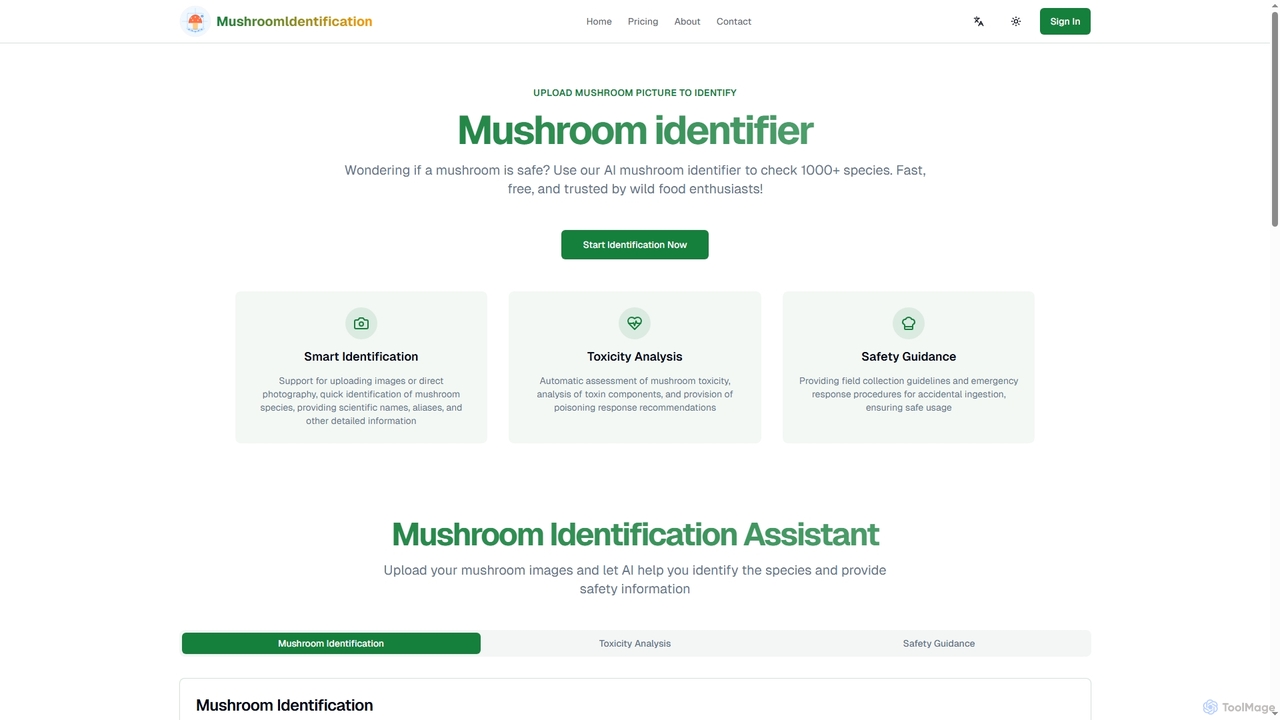
Mushroomcheck

Mushroomcheck

An AI-powered tool for identifying over 1,000 mushroom species from photos. It offers fast species recognition, toxicity analysis, …

4.2K
Free
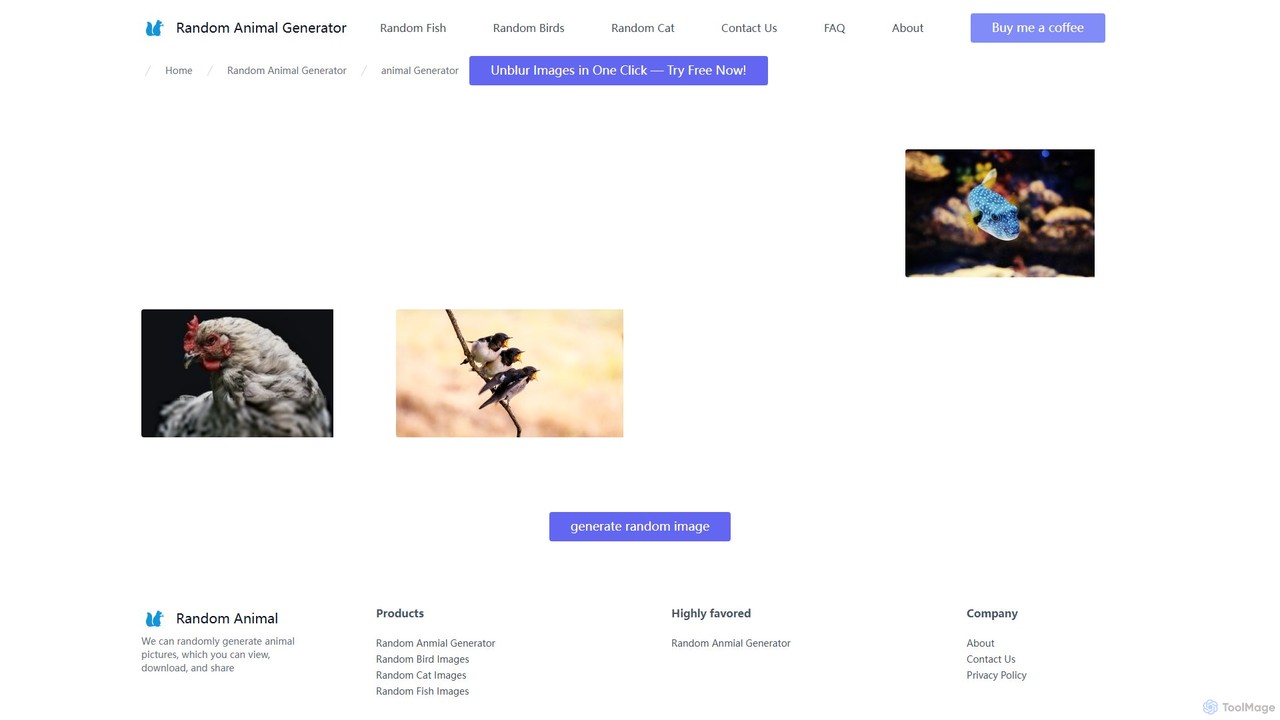
Random Animal Generator

Random Animal Generator

An intuitive online tool that instantly generates high-quality images of various animals, birds, and fish. Perfect for artists, …

3.0K
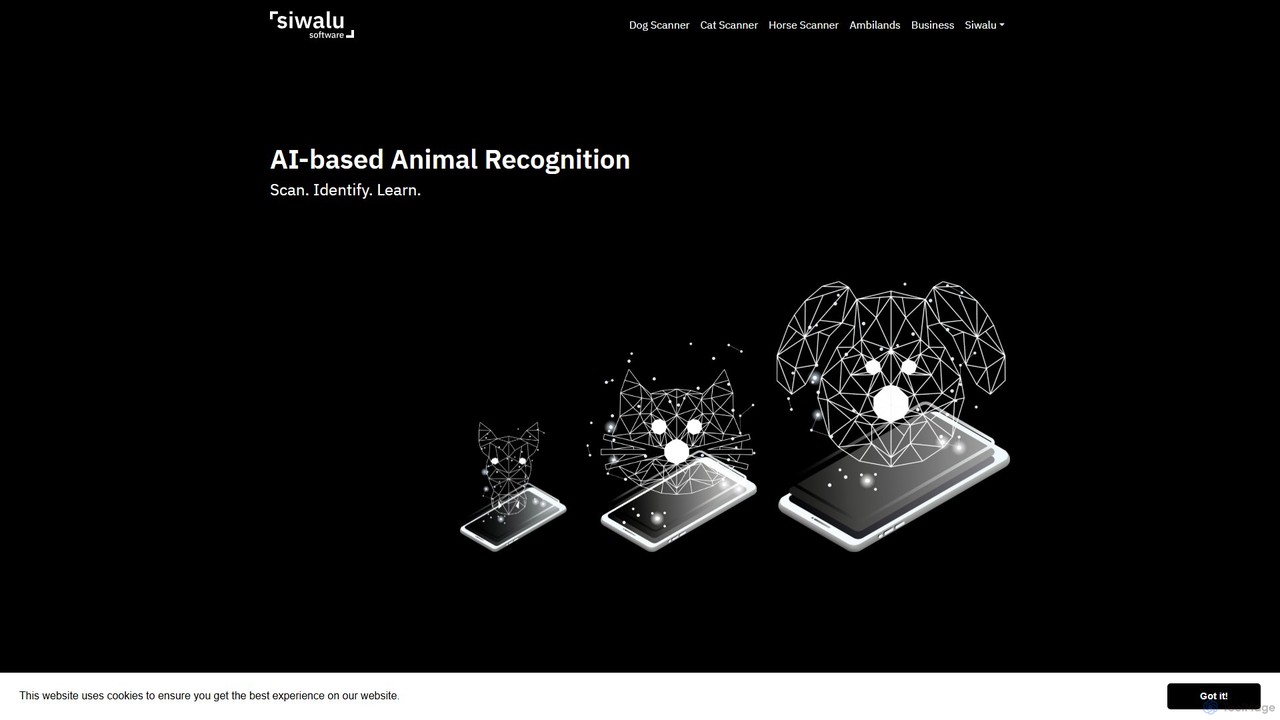
siwalusoftware

siwalusoftware

Siwalu Software develops AI-powered mobile applications like Dog Scanner, Cat Scanner, and Horse Scanner to identify animal breeds …

23.2K

About Biology

AI Biology tools are a specialized category of software that applies machine learning and computational models to analyze complex biological data. These tools leverage algorithms to interpret genomic sequences, predict protein structures, and simulate molecular interactions with high accuracy. They are instrumental in accelerating research, enabling drug discovery, and providing deeper insights into the mechanisms of life. By automating data-intensive tasks, these platforms empower both students and researchers in the educational and professional fields of life sciences.

Core Features

  • Genomic Sequence Analysis: Automatically process and annotate DNA, RNA, and protein sequences to identify genes and mutations.
  • Protein Structure Prediction: Generate accurate 3D models of protein structures from amino acid sequences, crucial for understanding function.
  • Cellular Image Recognition: Analyze microscopy images to automatically identify, segment, and quantify cells or subcellular structures.
  • Drug Discovery Simulation: Model molecular docking and interactions to screen potential drug candidates against biological targets.
  • Predictive Modeling: Build models to forecast disease progression, gene expression patterns, or ecosystem dynamics based on input data.

Use Cases

These tools are widely used in academic research labs, pharmaceutical companies, and biotechnology firms. Researchers use them for drug discovery, genetic engineering, and disease modeling. In a clinical setting, they assist in diagnostics by analyzing medical images and genomic data. For education, they provide advanced simulation environments for students to explore complex biological systems.

How to Choose

When selecting an AI Biology tool, consider the specific type of data you work with (e.g., genomics, proteomics, imaging). Evaluate the tool's model accuracy and validation methods. Assess its integration capabilities with existing lab equipment and databases. Finally, consider the user interface and whether it requires coding skills or offers a graphical interface for easier access.

BiologyUse Cases

1

Accelerating Drug Discovery Research

A biochemist at a pharmaceutical company uses an AI platform to screen a virtual library of millions of chemical compounds against a specific protein target associated with a disease. The tool predicts binding affinity and potential toxicity, narrowing down the list of promising candidates from millions to a few hundred for physical lab testing. This process significantly reduces the time and cost of the initial discovery phase.

2

Predicting Protein Structures for Functional Analysis

A postgraduate biology researcher is studying a newly discovered protein. Instead of spending months on X-ray crystallography, they input the protein's amino acid sequence into an AI tool. Within hours, the tool generates a highly accurate 3D model of the protein's structure. This model allows the researcher to hypothesize its function, identify active sites, and design further experiments.

3

Automating Cell Analysis in Microscopy

A lab technician in a cancer research institute needs to analyze hundreds of tissue slide images daily to count specific types of immune cells. An AI-powered image analysis tool automates this task. It accurately identifies and quantifies the target cells across all images, eliminating manual error and freeing up the technician's time for more complex analytical work, while ensuring consistent and reproducible results.

4

Enhancing Genomics Education with Simulations

A university professor teaching a genetics course uses an AI-driven simulation tool to create virtual lab assignments. Students can perform virtual gene editing experiments, observe the effects of mutations on a simulated organism, and analyze generated DNA sequence data. This provides hands-on experience with cutting-edge techniques without the need for a physical wet lab, making advanced biological concepts more accessible.

5

Identifying Genetic Markers for Crop Improvement

An agricultural scientist working on developing drought-resistant crops uses an AI tool to analyze the genomes of thousands of plant samples. The platform identifies specific genetic markers (SNPs) that are consistently associated with plants that thrive in arid conditions. This insight guides their breeding programs, dramatically speeding up the development of more resilient and productive crop varieties.

6

Personalized Medicine and Disease Risk Assessment

A clinical geneticist analyzes a patient's whole-genome sequence using an AI diagnostic tool. The software cross-references the patient's genetic variations against vast databases of known disease-associated mutations. It flags potential risks for conditions like hereditary cancers or cardiovascular diseases, enabling the clinician to recommend personalized screening protocols and preventative lifestyle changes.

BiologyFrequently Asked Questions