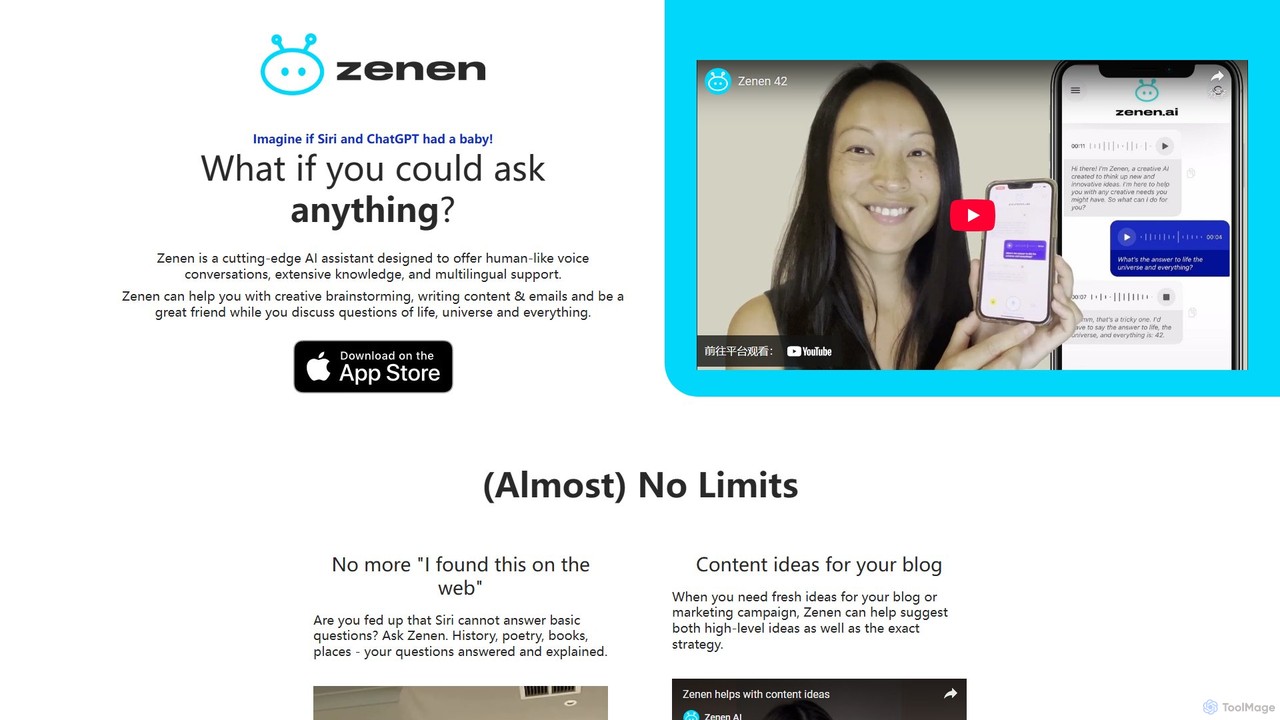
AI Brainstorming tools are a class of software designed to generate, expand, and organize ideas using artificial intelligence. These tools leverage large language models (LLMs) to provide creative prompts, alternative perspectives, and structured outputs like mind maps or lists. They help users overcome creative blocks, explore topics in depth, and structure thoughts for projects, research, or content creation. Unlike traditional methods, these tools act as an active creative partner, suggesting novel connections and concepts that a user might not consider on their own, making them powerful aids in educational and professional settings.
Core Features
- Idea Generation: Produces a wide range of ideas from a single keyword or problem statement.
- Concept Expansion: Takes an existing idea and elaborates on it with related sub-topics, questions, or different angles.
- Visual Structuring: Automatically organizes generated ideas into mind maps, clusters, or hierarchical outlines.
- Perspective Shifting: Rephrases a problem or topic from different viewpoints, such as a customer's or a skeptic's, to foster innovative thinking.
Use Cases
These tools are widely used by students developing thesis topics, marketers creating campaign slogans, writers overcoming writer's block, and product teams exploring new features. In an educational context, they serve as powerful aids for research, essay planning, and collaborative project ideation, helping to foster critical and creative thinking skills.
How to Choose
When selecting an AI Brainstorming tool, consider the quality and relevance of the generated ideas. Evaluate the available output formats, such as text lists, mind maps, or kanban boards. Check for integration capabilities with other software like note-taking apps or project management tools. For team use, prioritize tools with robust real-time collaboration features.