ToolMage
Sign in

Best 6 Business AI tools for Education

Popular Business AI tools in Education include EntreResource, buildd, askgaryvee.ai, sharktank_ai, 1percententrepreneur, and aivcpartner, helping you work more efficiently.

sharktank_ai
Freemium

sharktank_ai

sharktank_ai is an AI-powered platform that simulates the 'Shark Tank' experience for entrepreneurs. It helps users refine their business pitches, validate ideas, and prepare for investor meetings by providing critical feedback and analysis from virtual AI investors.

Startup Tools
Visits 6.2KFavorites 122Likes 115
buildd
Free

buildd

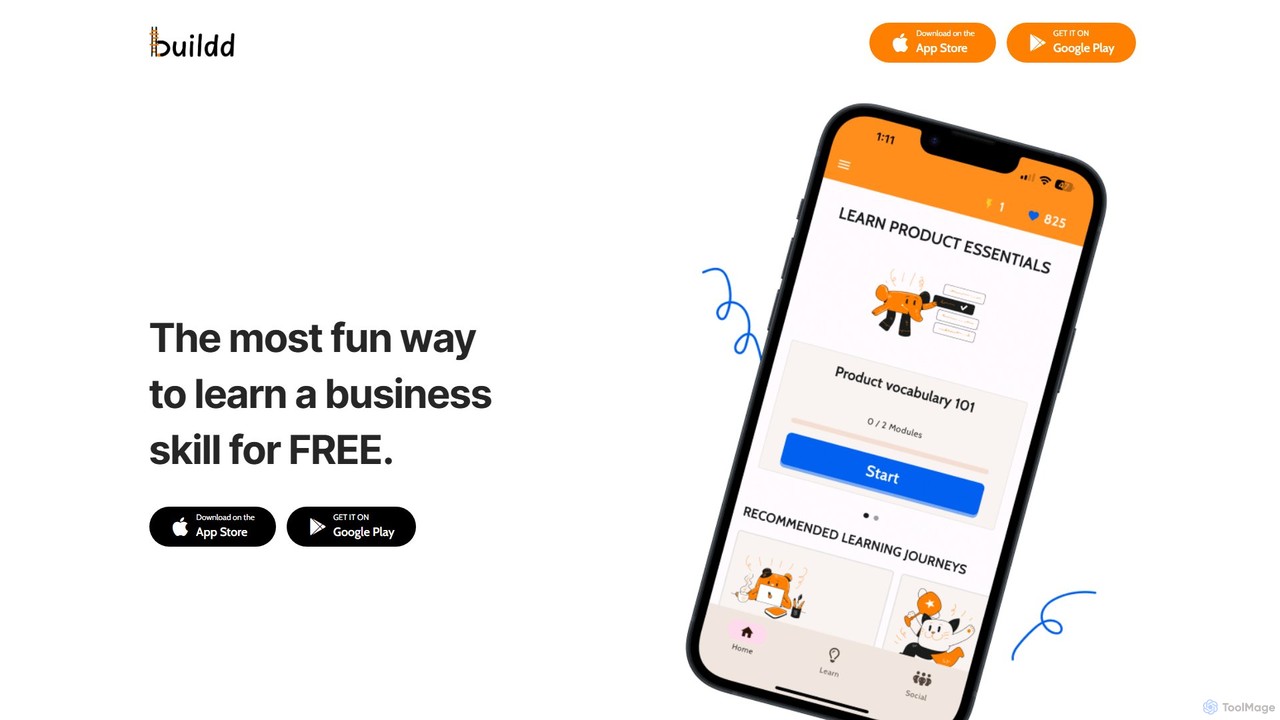
buildd is a free educational platform for entrepreneurs, offering in-depth startup analysis, actionable tutorials, and real-world case studies. Learn marketing, product development, and fundraising through bite-sized, engaging lessons. It's like Duolingo for building a business, packed with insights from successful companies like Spotify, Airbnb, and Zerodha.

Business
Visits 68.7KFavorites 126Likes 120
askgaryvee.ai
Free

askgaryvee.ai

An AI-powered chatbot trained on the extensive content library of entrepreneur Gary Vaynerchuk. Ask any question about business, marketing, social media, or motivation, and get instant, actionable answers in GaryVee's unique, direct style. It's like having a virtual mentor available 24/7.

Business
Visits 6.4KFavorites 111Likes 104
aivcpartner
Freemium

aivcpartner

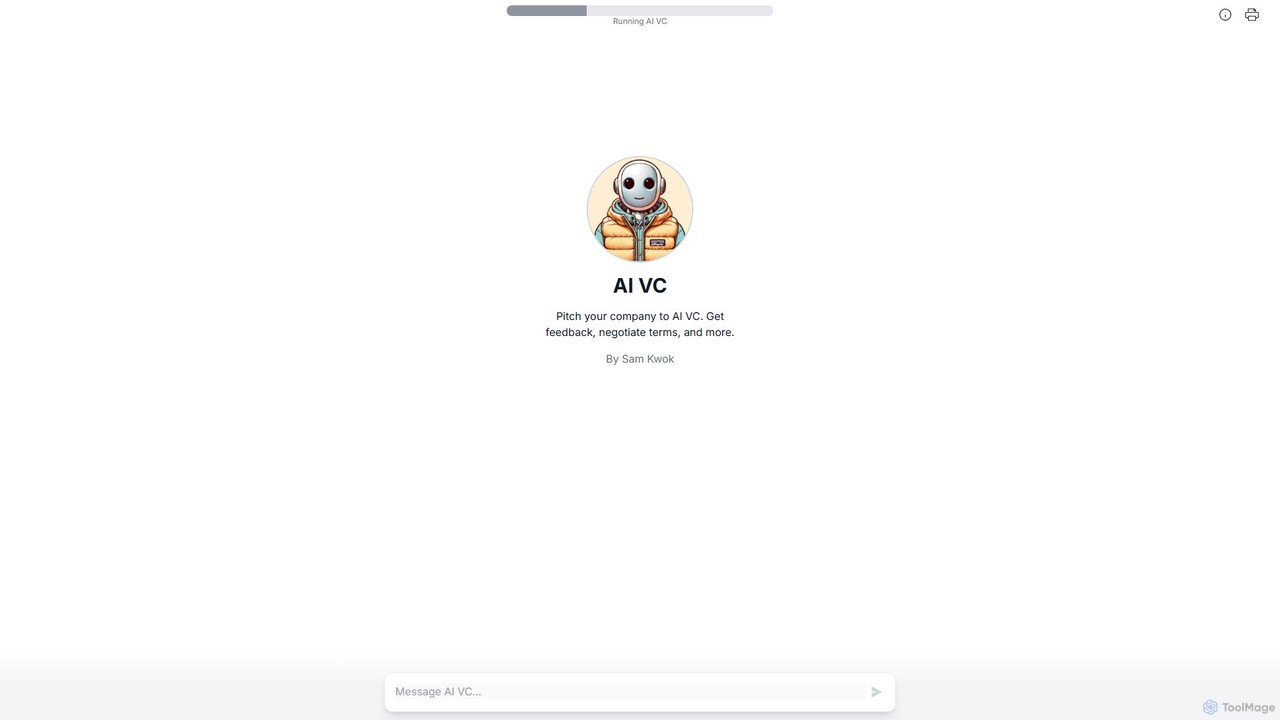
An AI-powered venture capital simulator designed for entrepreneurs. Practice your startup pitch, receive instant, critical feedback, and simulate term sheet negotiations to prepare for real-world investors.

Business
Visits 5.5KFavorites 127Likes 142
EntreResource
Free

EntreResource

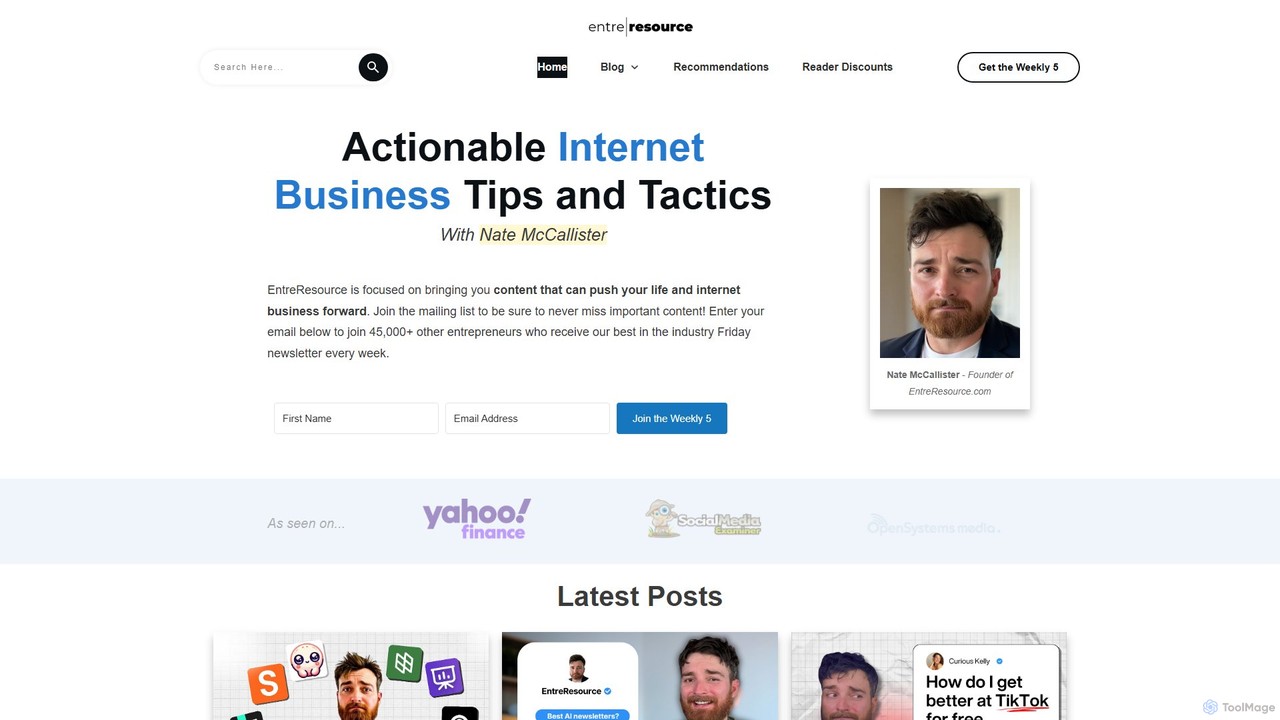
EntreResource is a comprehensive online knowledge hub for entrepreneurs, offering expert guides, in-depth tool reviews, and actionable strategies for building and scaling internet businesses. It focuses on areas like Amazon FBA, affiliate marketing, SEO, and leveraging AI tools for growth.

Amazon Fba
Visits 82.8KFavorites 134Likes 130
1percententrepreneur
Freemium

1percententrepreneur

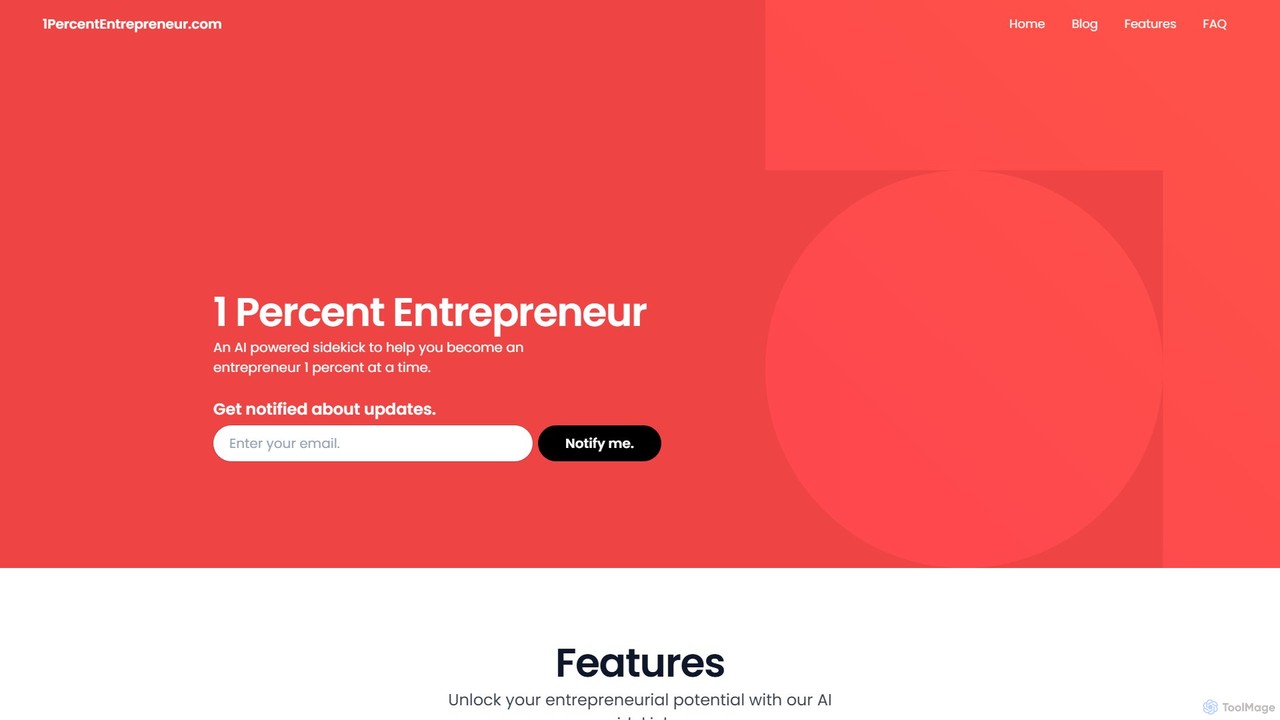
An AI-powered sidekick for aspiring and current entrepreneurs, offering personalized guidance, 24/7 problem-solving, business growth strategies, and a wealth of resources to help you build and scale your venture successfully.

Business
Visits 5.6KFavorites 165Likes 166

About Business

AI Business tools, within the context of education, are specialized platforms that use artificial intelligence to simulate real-world commercial environments for learning purposes. They leverage complex algorithms and large datasets to create dynamic case studies, market simulations, and interactive management challenges. These tools are designed to bridge the gap between business theory and practical application, allowing users to test strategies and make decisions in a risk-free setting. This provides an immersive educational experience that traditional textbooks cannot offer.

Core Features

  • Interactive Simulations: Creates dynamic models of markets, companies, or supply chains where users can test business strategies.
  • AI-Powered Data Analysis: Helps learners analyze complex business datasets to identify trends, forecast outcomes, and make data-driven decisions.
  • Personalized Feedback & Coaching: Offers real-time guidance on financial models, business plans, or strategic choices, highlighting strengths and weaknesses.
  • Scenario Generation: Automatically generates unique business challenges and case studies tailored to specific learning objectives.
  • Performance Analytics: Tracks user decisions and outcomes, providing detailed reports on their strategic thinking and problem-solving skills.

Applicable Scenarios

These tools are primarily used in academic and corporate training settings. Business schools integrate them into MBA and undergraduate curricula for courses on strategy, finance, and marketing. Corporate L&D departments use them for leadership development programs and to upskill employees in financial acumen or market analysis. Startup incubators also employ them to help founders model business viability and practice pitching.

Selection Criteria

When choosing an AI Business education tool, consider the depth and realism of its simulations. Evaluate the quality and specificity of the AI-driven feedback. Assess its integration capabilities with existing learning management systems (LMS) and the level of customization available for creating specific scenarios. Finally, examine the analytics and reporting features to ensure they align with your assessment goals.

Business use cases

1

MBA Strategic Management Simulation

Business school professors use an AI simulation tool to create a competitive market environment for their MBA students. Students form teams, each managing a virtual company. They make quarterly decisions on pricing, marketing budgets, R&D investment, and production capacity. The AI acts as the market, simulating competitor moves and consumer responses based on economic models. This allows students to directly see the consequences of their strategic choices on market share and profitability, providing a practical learning experience that reinforces classroom theory.

2

Corporate Finance Training for New Hires

A corporate training department uses an AI business tool to onboard new financial analysts. The tool presents them with financial data from a sample company and guides them through building a valuation model. The AI provides real-time feedback, flagging common errors in formulas or logical inconsistencies in assumptions. It also generates 'what-if' scenarios, asking analysts to assess the impact of a sudden interest rate hike or a drop in sales on the company's valuation. This accelerates the learning curve and ensures a consistent standard of training across all new hires.

3

Entrepreneurship Business Plan Coaching

An aspiring entrepreneur uses an AI coaching tool to refine their business plan before seeking funding. They upload their draft document, including market analysis, financial projections, and marketing strategy. The AI analyzes the plan for completeness, clarity, and viability. It provides feedback such as, 'Your customer acquisition cost seems optimistic compared to industry benchmarks,' or 'Consider strengthening your competitive analysis section.' This iterative process helps the founder identify weaknesses and build a more robust and persuasive business plan, increasing their chances of securing investment.

4

Marketing Campaign ROI Analysis

Marketing students are given a dataset from a past digital marketing campaign and tasked with evaluating its performance. They use an AI analysis tool to process the data, which includes metrics like click-through rates, conversion costs, and customer lifetime value. The AI helps them visualize the data, identify the most profitable advertising channels, and segment the customer base. It then prompts them to write a recommendation report, which the AI evaluates for data-backed reasoning and clarity. This exercise teaches practical data analysis skills in a marketing context.

5

Supply Chain Disruption Management

In a logistics or operations management course, students use an AI simulation to manage a global supply chain. The simulation runs smoothly initially, but the AI introduces random disruptions, such as a factory fire, a port strike, or a sudden surge in demand for a product. Students must react in real-time, rerouting shipments, adjusting inventory levels, and communicating with suppliers. The tool tracks key performance indicators like delivery times, costs, and stockout rates, providing a final score and a detailed debrief on their decision-making process.

6

Ethical Business Dilemma Role-Playing

An ethics professor uses an AI tool to create interactive role-playing scenarios for students. The AI presents a complex business dilemma, such as discovering a product flaw or dealing with a potential conflict of interest. The student, playing the role of a manager, makes a series of choices through a conversational interface. The AI responds as different stakeholders (e.g., CEO, legal counsel, concerned employee), challenging the student's reasoning and presenting the consequences of their actions. This provides a safe space to practice ethical decision-making and navigate difficult corporate conversations.

Business FAQ

What are AI Business tools in an educational context?

AI Business tools for education are interactive software platforms designed to teach business concepts through simulation and data analysis. Unlike operational business software (like CRM or accounting systems), their primary purpose is learning, not managing a real business. They create risk-free environments where students and professionals can practice decision-making, apply theoretical knowledge, and see the immediate consequences of their strategies in a simulated market.

How do these tools differ from standard business software like a CRM?

The key difference is purpose: standard business software (e.g., CRM, ERP, accounting software) is built for operational efficiency and managing real-world business processes. AI Business education tools are built for learning and skill development. They are sandboxes that simulate business reality without real-world consequences. Their features focus on feedback, performance tracking for learning objectives, and scenario generation, rather than transaction processing or customer management.

Who can benefit from using AI Business education tools?

A wide range of learners can benefit. This includes:

  • Business Students (Undergraduate & MBA): To apply classroom theories in practical, simulated environments.
  • Corporate Employees: For upskilling in areas like financial analysis, strategic planning, or leadership as part of training programs.
  • Aspiring Entrepreneurs: To model business ideas, test strategies, and refine business plans in a low-risk setting.
  • Business Educators: To create more engaging, interactive, and effective learning experiences for their students.
What are the key features to look for in an AI Business tool for education?

When selecting a tool, prioritize these features:

  • Simulation Realism: How well the tool mimics real market dynamics, financial conditions, and competitive pressures.
  • Quality of Feedback: The AI should provide specific, actionable, and insightful feedback, not just generic scores.
  • Customization: The ability for educators to tailor scenarios, variables, and learning objectives to their specific curriculum.
  • Analytics and Reporting: Detailed dashboards that track student performance against learning goals and allow for easy assessment.
  • Integration: Compatibility with existing Learning Management Systems (LMS) for seamless user experience and grade management.
Can these tools replace traditional business case studies?

They are better viewed as a powerful evolution of, rather than a replacement for, traditional case studies. A traditional case study presents a static, historical situation for analysis. An AI business simulation takes that concept and makes it dynamic and interactive. Users can actively make decisions and see how different choices would have altered the outcome. In this way, they complement case studies by adding a layer of experiential learning, allowing students to 'play' the case instead of just reading it.